Why Mature Trees Need More Attention in Older West Covina Neighborhoods
Mature trees in older West Covina neighborhoods offer immense property value but require specialized attention to mitigate severe safety and structural risks. Homeowners must prioritize professional maintenance to manage heavy canopies, destructive root systems, and complex local compliance regulations. Proactive care not only prevents catastrophic storm damage but also protects the long-term financial investment of the property.
* Professional structural pruning drastically reduces the risk of heavy limb failure during severe wind events.
* Intrusive root systems can destroy older plumbing lines and lift concrete, creating expensive liabilities.
* Hiring licensed, insured experts ensures compliance with local municipal ordinances and HOA guidelines.
The Unique Demands of Mature Trees in Older West Covina Neighborhoods
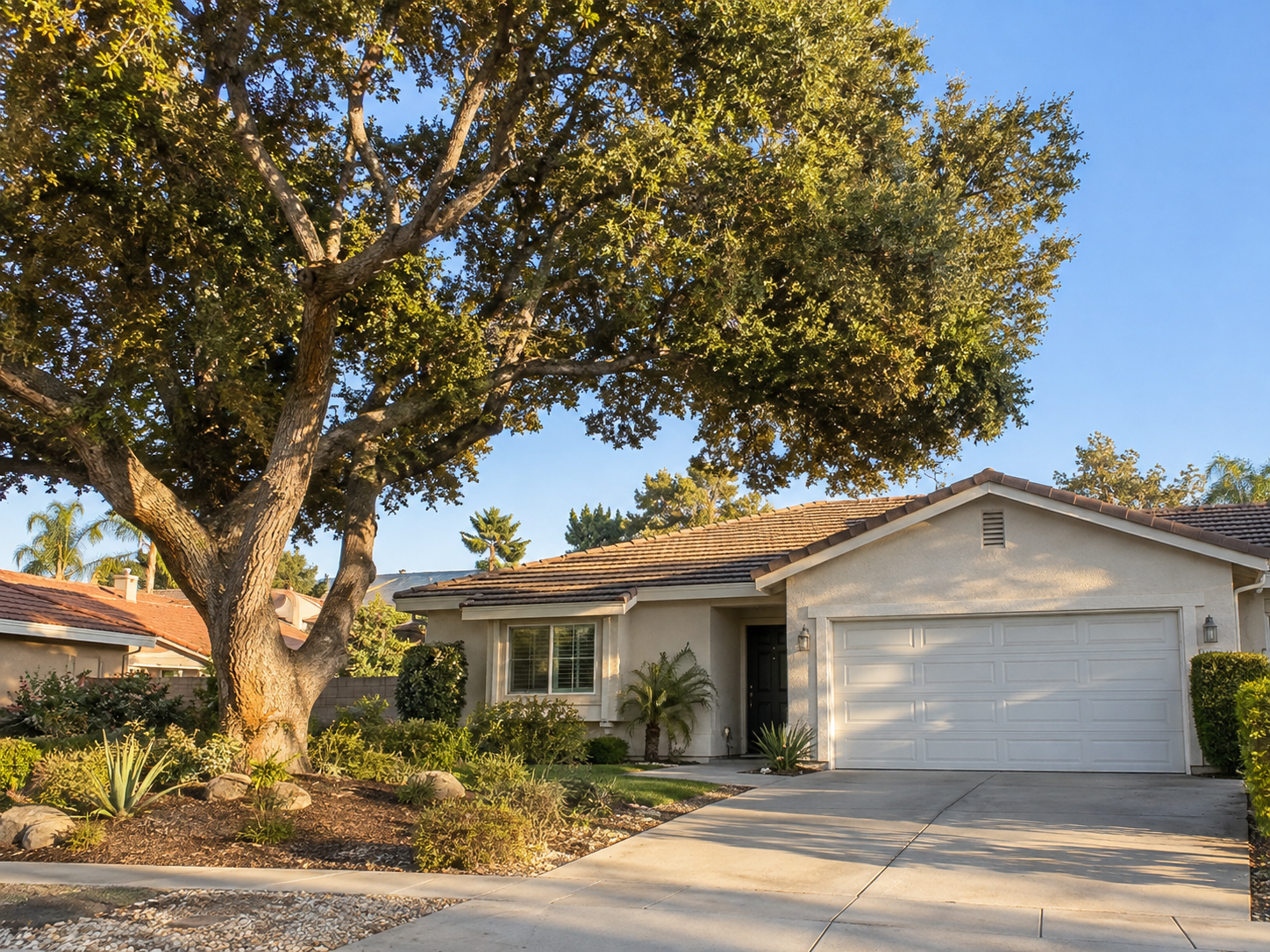
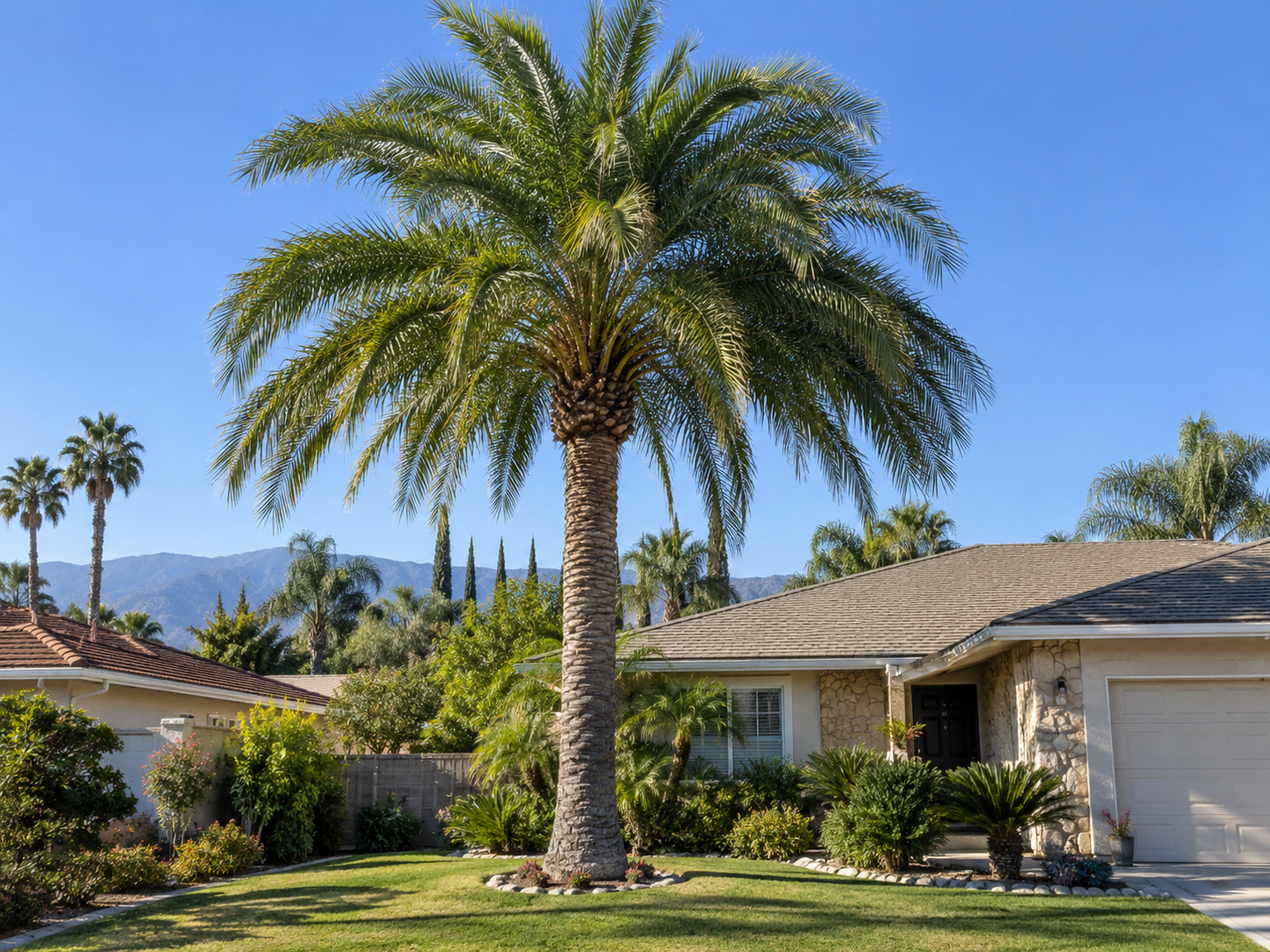
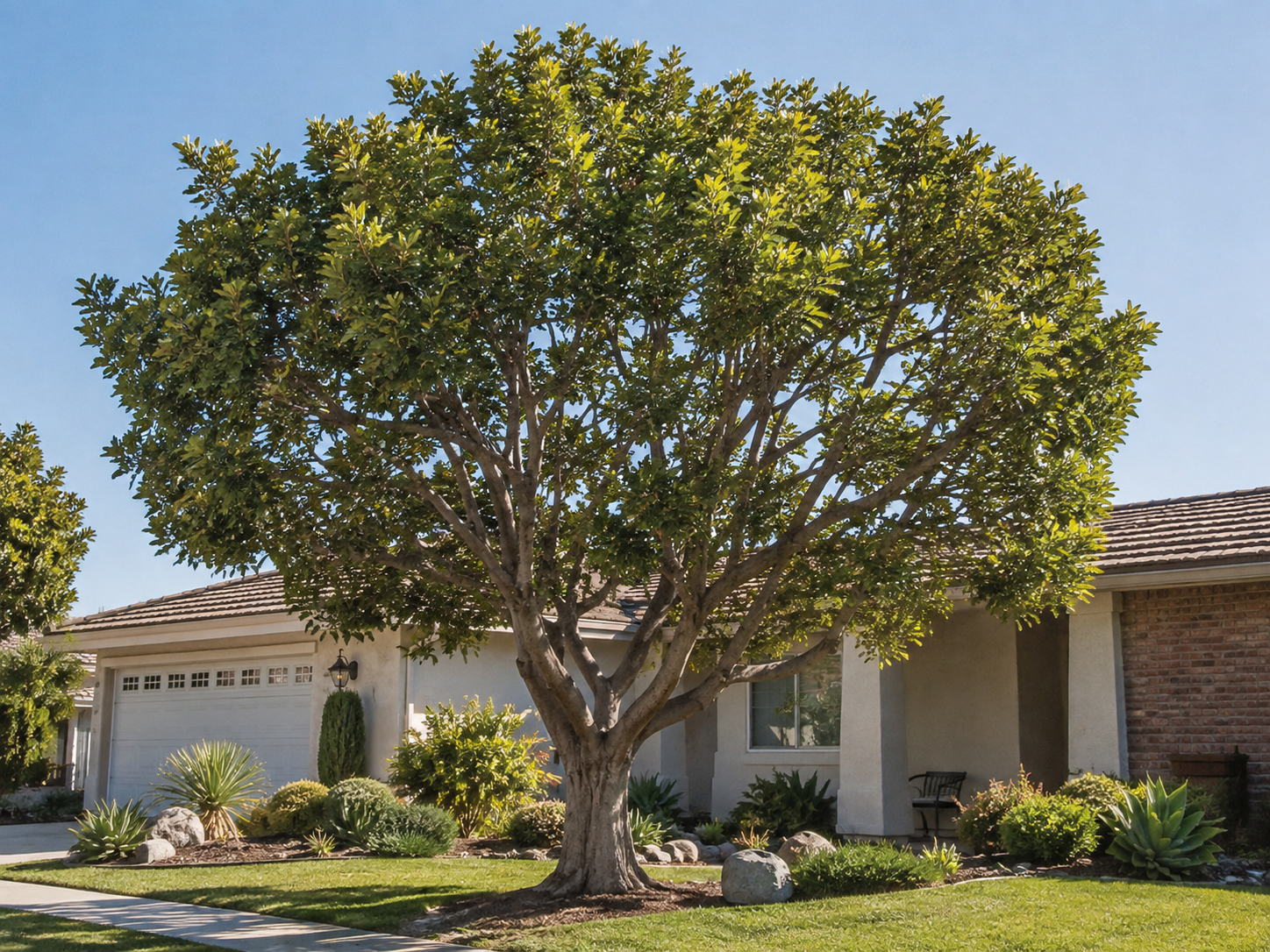
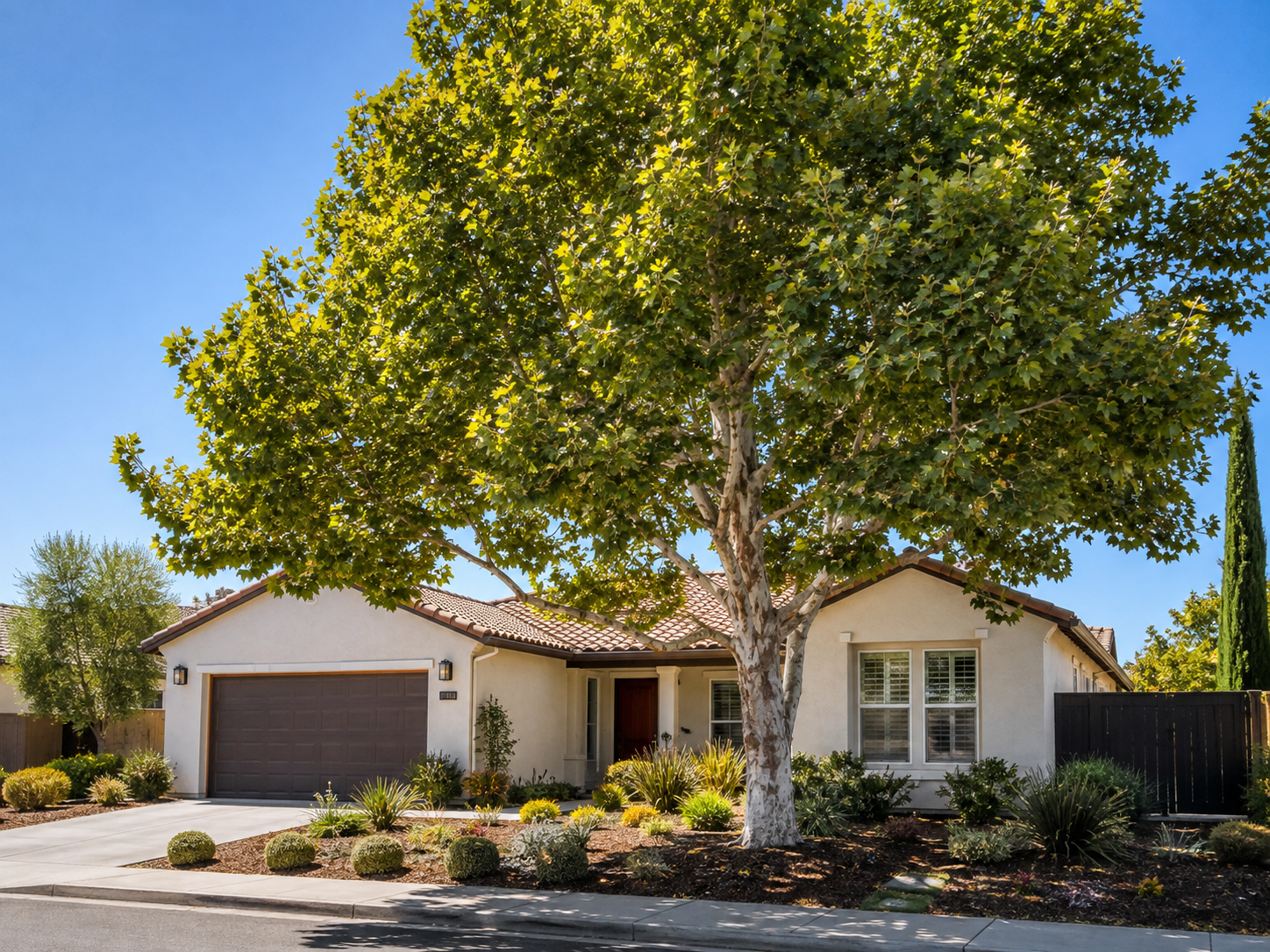
Southern California is known for beautiful residential neighborhoods characterized by lush and established landscapes. Homeowners residing in the older subdivisions of West Covina often inherit magnificent shade canopies that have been growing for decades. These massive specimens offer incredible curb appeal, natural cooling during harsh summer months, and a distinct sense of character for the property.
Aging timber also introduces complex responsibilities that require immediate attention. A sixty-year-old oak or towering eucalyptus requires a completely different approach to property management compared to the small saplings planted in newly developed tracts. Property owners must navigate structural risks, encroaching root systems, and local compliance regulations to protect their real estate investments. Neglecting these massive living structures is a fast track to severe property damage and high liability.
Recognizing the Hidden Structural Risks in Established Canopies
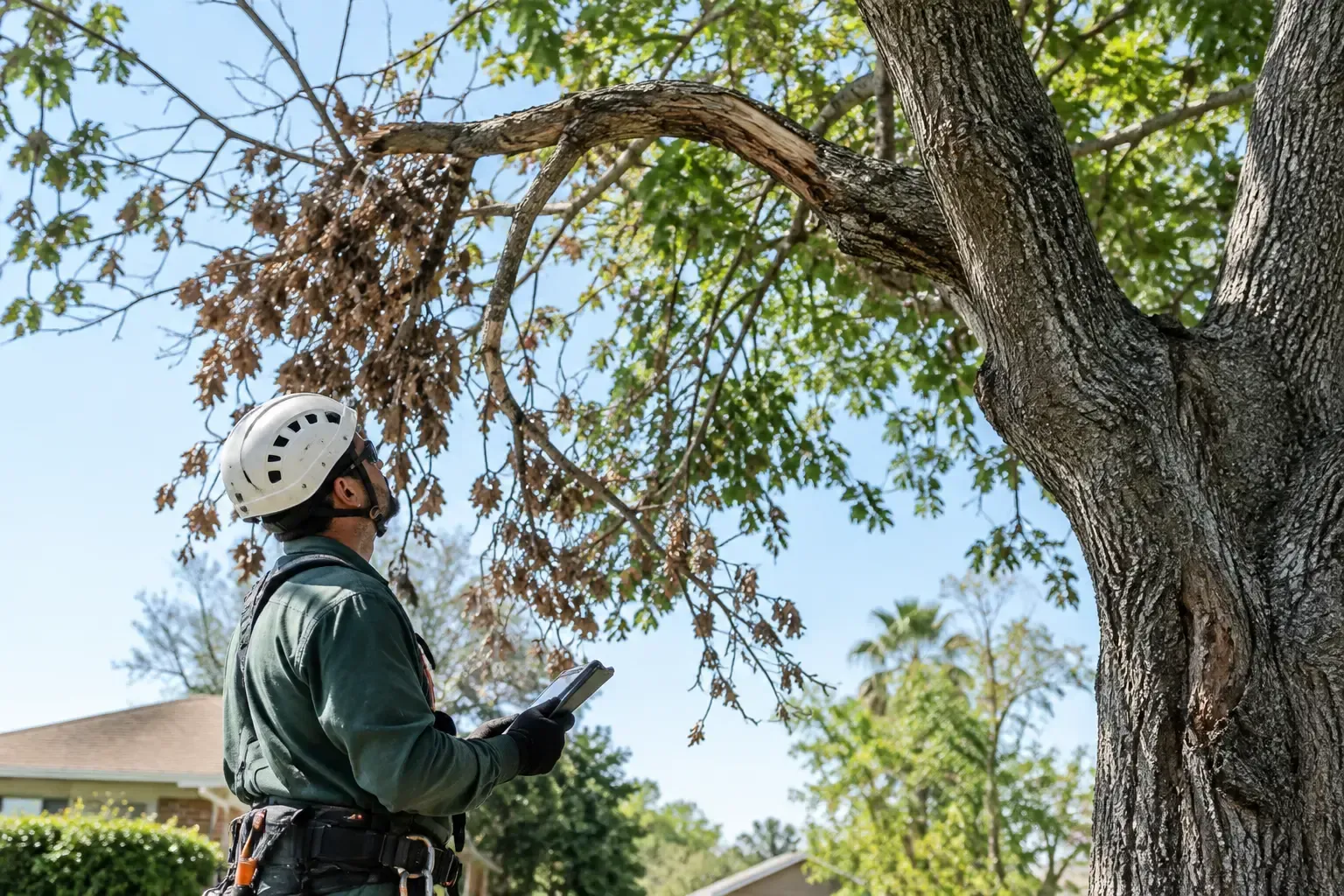
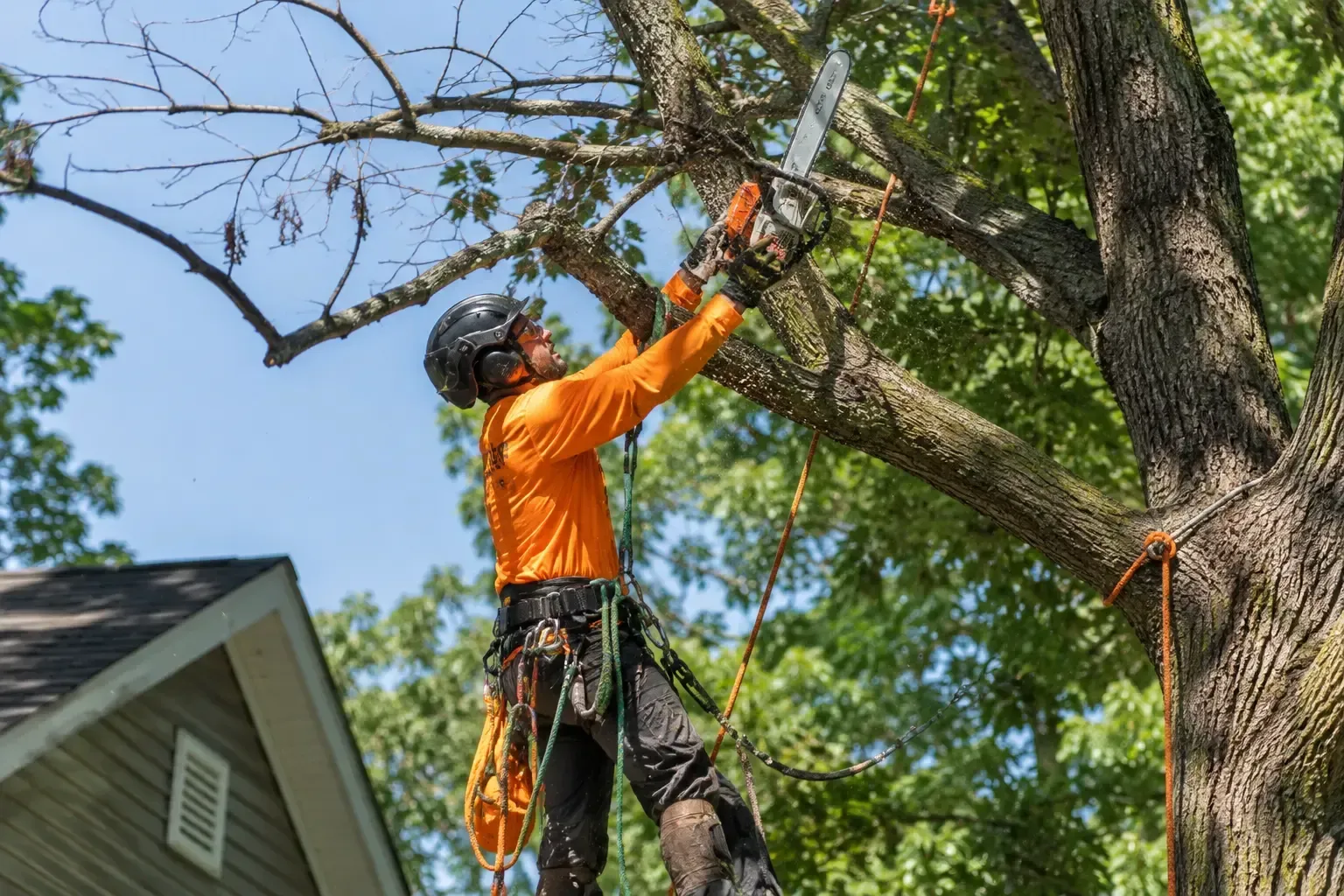
A tree might look perfectly healthy from the street while hiding significant structural decay within its upper canopy. As trees age, their growth patterns become heavier and more unpredictable. Co-dominant stems, which occur when two massive branches grow upward from the same trunk junction, are incredibly prone to splitting under their own weight. Bark inclusion can happen at these joints, creating a weak point that rots over time.
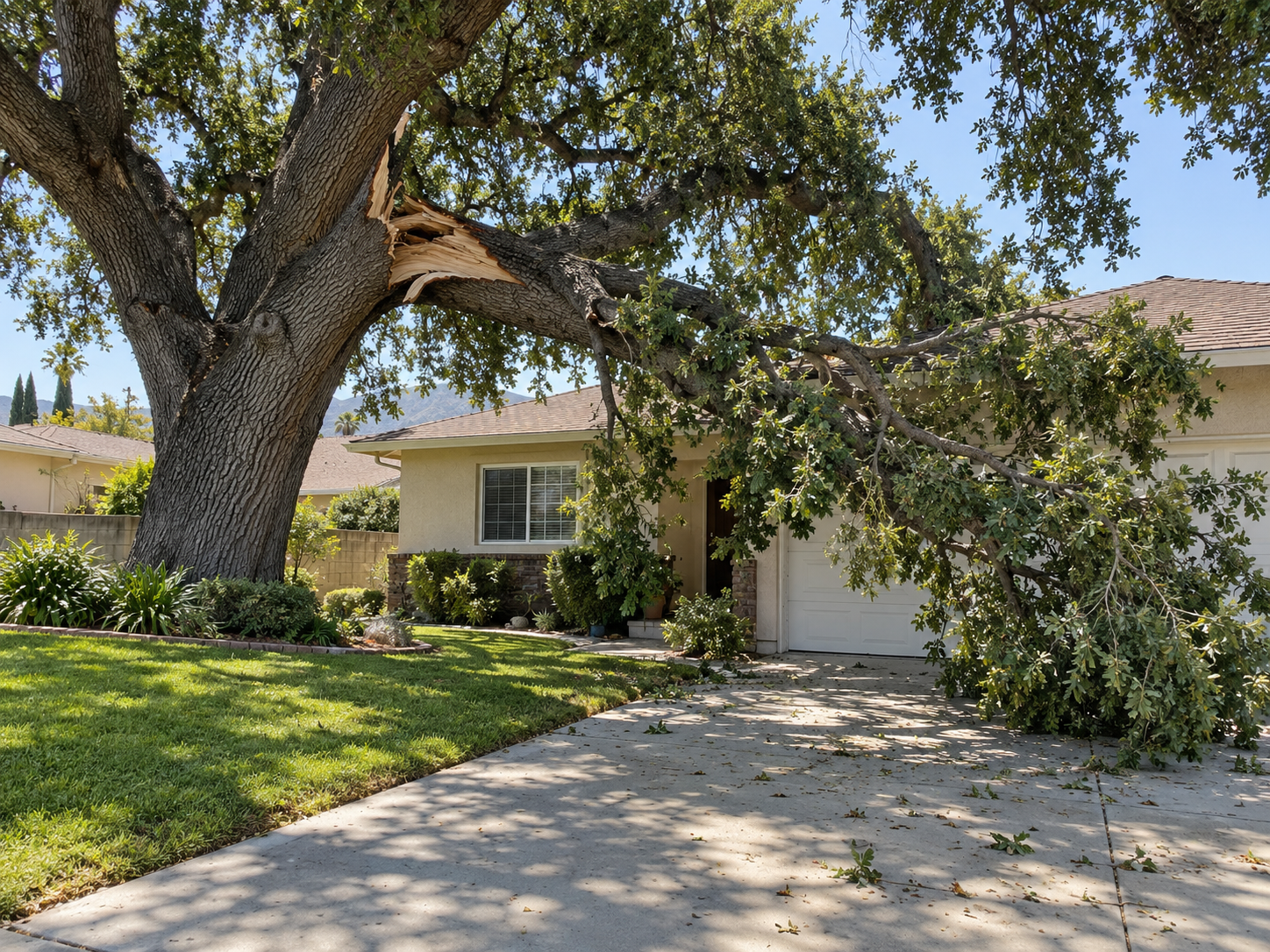
The San Gabriel Valley is famous for intense wind events. When the Santa Ana winds sweep through West Covina, a heavy canopy acts like a sail. A poorly maintained tree with dense foliage and weak branch unions will absorb the full force of these gales. Instead of allowing the wind to pass safely through the branches, the entire structure bends. If the wood is brittle or decaying, massive limbs can snap without warning. These falling branches frequently crush roofs, destroy parked vehicles, and pull down high-voltage power lines. Regular structural assessments are the only way to identify these hidden fractures before a storm hits.
Why Specialized Tree Services Are Crucial for Older Properties
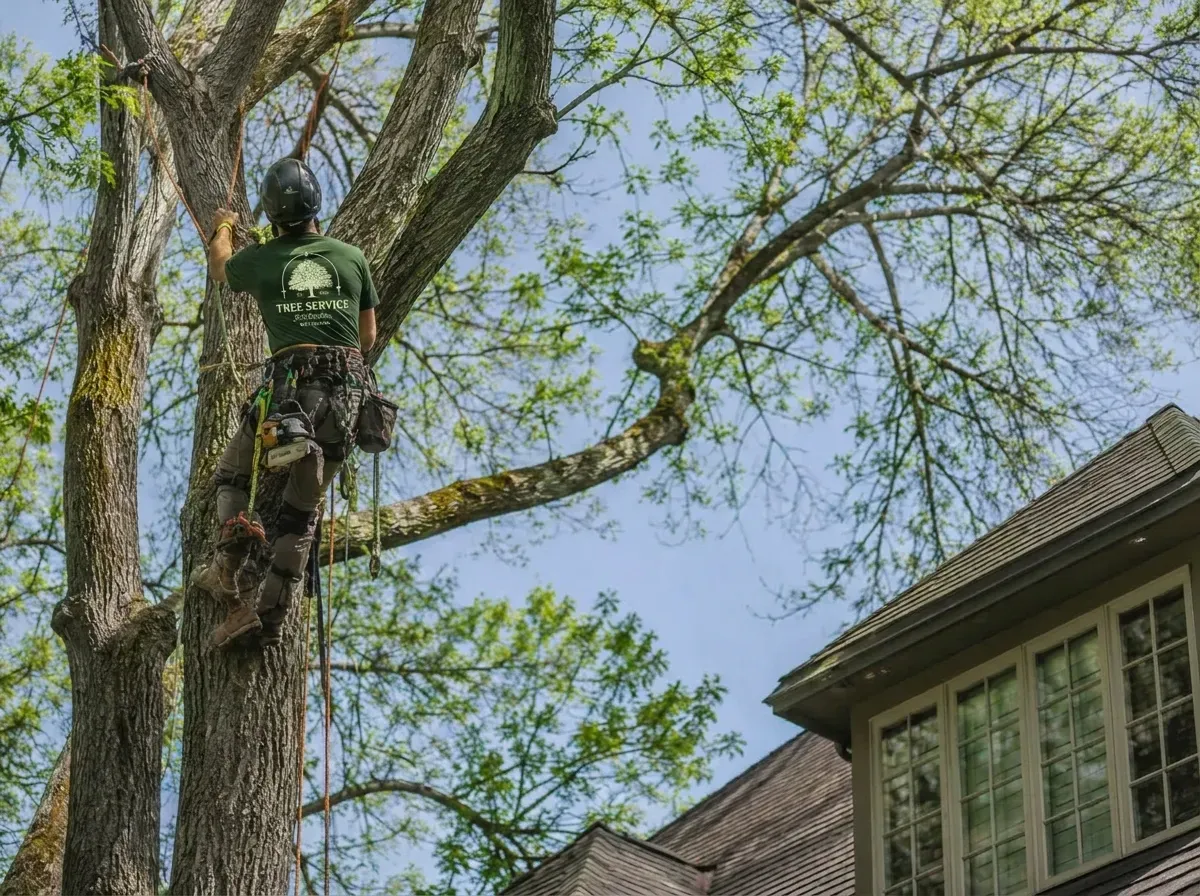
Managing an aging landscape is not a job for casual gardeners or weekend hobbyists. This is precisely where professional tree services become an absolute necessity. Unlicensed workers often lack the insurance coverage and arboricultural knowledge required to safely work around mature properties. An improper cut on a massive limb can permanently destabilize the entire organism or send a thousand-pound piece of wood crashing into your neighbor's living room.
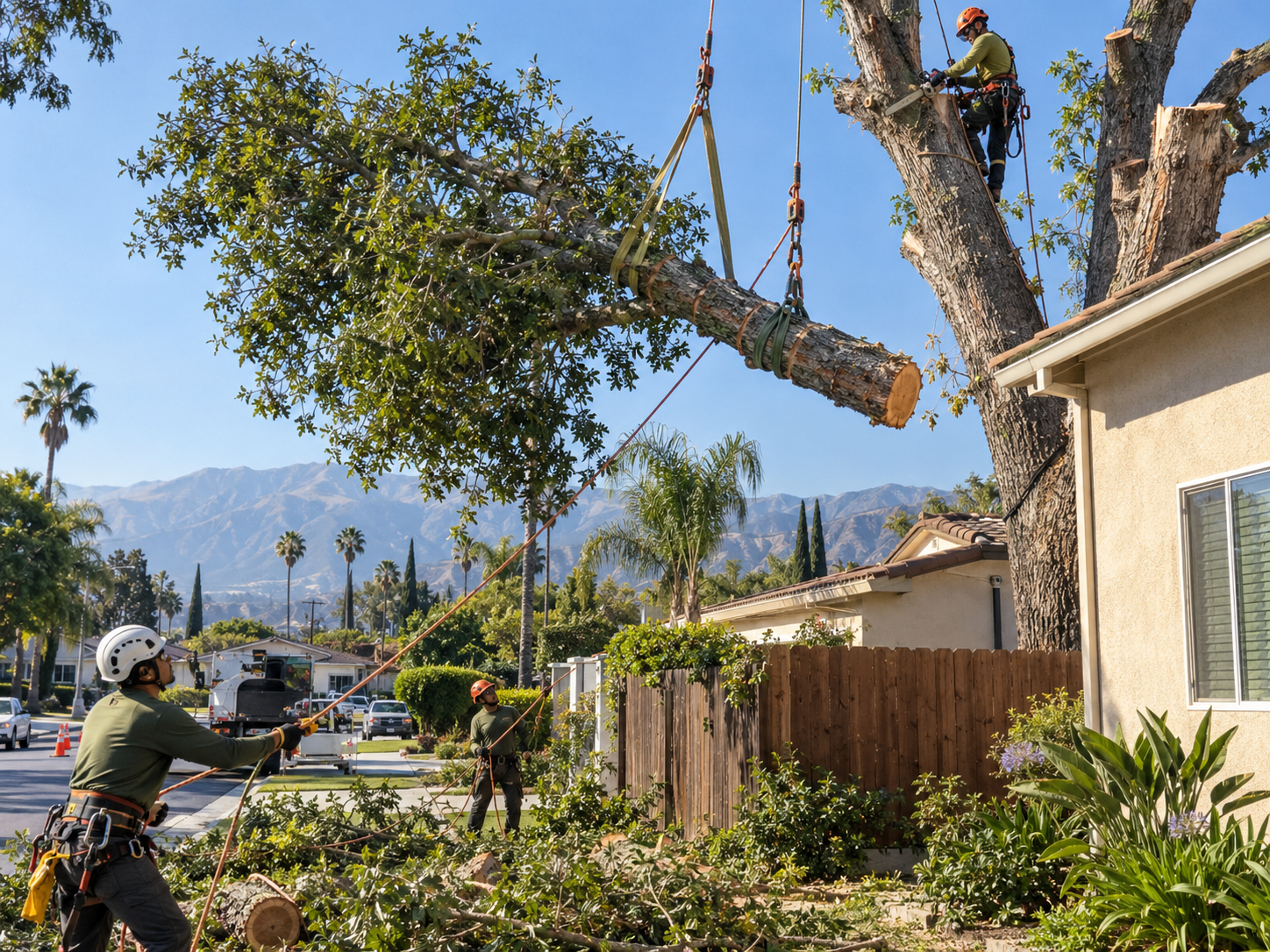
Professional tree services protect your home value by executing precise weight reduction and health management. Appraisers look closely at the landscaping when evaluating residential real estate. An overgrown, hazardous tree will be flagged as a liability by property inspectors and insurance underwriters. Conversely, a well-maintained canopy elevates curb appeal and demonstrates that the homeowner is highly proactive about property care. Fully insured professionals carry the heavy liability coverage needed to operate large cranes, bucket trucks, and rigging equipment right next to your valuable home.
Common Aging Characteristics of West Covina Species
Different tree species age at completely different rates and present unique hazards as they mature. Homeowners must understand the specific biology of the plants occupying their yard to schedule appropriate maintenance.
| Tree Species | Typical Lifespan | Common Aging Hazardsast Name | Recommended Inspection Interval |
|---|---|---|---|
| Coast Live Oak | 150 to 250 years | Sudden oak death, heavy limb drop, root rot | Every 12 months |
| California Sycamore | 200 to 250 years | Anthracnose disease, intrusive surface roots | Every 12 to 18 months |
| Jacaranda | 50 to 75 years | Brittle wood, structural splitting, messy droppings | Every 6 to 12 months |
| Eucalyptus | 150 to 250 years | Sudden branch drop syndrome, pest borers | Every 6 months |
This data highlights how a Jacaranda might reach the end of its safe life cycle just as an Oak is entering its prime. Understanding these timelines allows property owners to budget for necessary maintenance and eventual removal before an emergency occurs.
The Financial Cost of Neglecting Large Root Systems
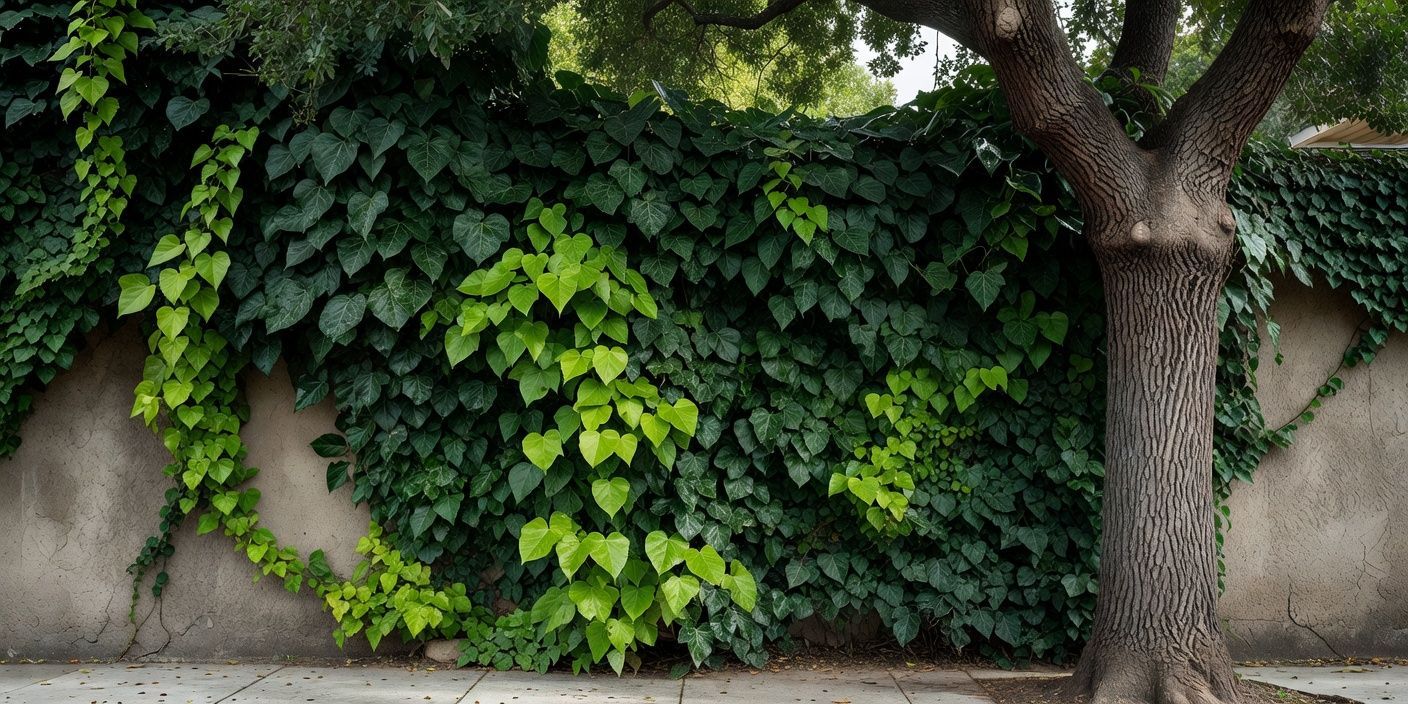
While the canopy draws the eye upward, the most destructive elements of an older tree are often buried beneath the soil. Mature root systems are incredibly powerful and expansive. As they seek moisture and nutrients, they spread outward, frequently reaching well beyond the original drip line of the branches.
In older West Covina neighborhoods, plumbing and sewer lines are often constructed from clay or older materials that degrade over the decades. Tree roots can detect the moisture leaking from microscopic cracks in these pipes. They will infiltrate the pipe system, expanding until they completely shatter the plumbing line. Replacing a main sewer line buried beneath a front yard is an enormous financial burden for any homeowner.
Furthermore, shallow roots will systematically lift and crack concrete driveways, walkways, and patio foundations. This creates immediate trip hazards that drastically increase homeowner liability. If a delivery driver or guest trips on a lifted sidewalk slab caused by your tree roots, you are financially responsible for their medical bills. Proactive root management, including the installation of root barriers and proper deep watering techniques, is essential to mitigate these expensive infrastructure clashes.
Compliance with Local Ordinances and Neighborhood Regulations
West Covina homeowners must navigate a web of local ordinances and Homeowner Association rules when dealing with mature landscaping. Many Southern California cities have strict heritage tree protections in place. You cannot simply cut down a massive, established tree just because it drops too many leaves. Significant pruning or full removal often requires submitting an arborist report and obtaining a municipal permit.
Property line disputes are another frequent complication in established subdivisions. If your massive shade tree extends branches over a neighbor's roof, you might be held liable for the damage those branches cause during a storm. Navigating these boundaries requires tact and professional intervention. To discuss an assessment of your property line overhangs and ensure your yard complies with local codes, you can schedule a consultation through our Contact Us page.
Proactive Maintenance Strategies for Older Properties
Maintaining the health and safety of mature trees requires a customized strategy. Crown thinning is a vital procedure where selected branches are carefully removed to increase light penetration and air movement through the canopy. This dramatically reduces the sail effect during high winds and lowers the overall weight stressing the main trunk.
Deadwooding is another mandatory practice. As trees age, they naturally abandon lower branches that no longer receive adequate sunlight. These dead branches rot in place and will eventually fall. Removing them proactively prevents property damage and stops pests from nesting in the decaying wood.
Homeowners must also evaluate their irrigation habits. Established trees suffer immensely when turf grass is replaced with drought-tolerant landscaping if the tree's water source is simultaneously cut off. Deep root watering ensures that moisture reaches the lower root zones, encouraging the tree to anchor deeply rather than sending roots to the surface to fight for sprinkler runoff.
Securing Your Landscape for the Next Generation
Investing in proactive maintenance guarantees that your property remains safe, attractive, and highly valuable. Establishing a relationship with a local, licensed tree care provider ensures that your landscape receives consistent, knowledgeable attention year after year. Properly managed trees will continue to provide shade, beauty, and elevated property values for decades to come.
West Covina Tree is dedicated to protecting homeowners and their properties through expert arboricultural practices. Our team understands the specific environmental pressures facing older neighborhoods in the region. You can find our main office in West Covina, CA 91790, where we coordinate prompt, professional maintenance for residential and commercial properties. Call our team at +1 909 362-8885 to schedule a comprehensive evaluation of your mature landscaping.
Frequently Asked Questions
How often should a mature tree be professionally pruned?
Most mature shade trees should be evaluated and professionally pruned every three to five years. Fast-growing species or trees planted very close to residential structures might require annual weight reduction and clearance pruning to remain safe.
Will my homeowners insurance cover the removal of an old tree?
Standard homeowners insurance policies typically do not cover preventative tree removal or regular maintenance. Insurance usually only applies if a tree actually falls and causes damage to a covered structure. Preventative removal is considered a standard maintenance cost for the property owner.
What are the signs a large tree is becoming structurally unstable?
Key warning signs include deep cracks in the main trunk, ground heaving or lifting soil around the base, the sudden appearance of dead branches in the upper canopy, and fungal growth near the roots. If you notice a sudden, pronounced lean that was not there previously, you need an immediate professional inspection.
Will tree trimming improve the health of my tree?
Proper pruning can improve air circulation, reduce disease risk, remove dead branches, and encourage healthy growth when performed correctly.