Common Tree Problems in West Covina and How to Fix Them
Key Insights and Takeaways
Maintaining a healthy landscape in West Covina requires vigilance against drought stress, invasive pests, and structural instability. Identifying symptoms early allows property owners to secure professional interventions before total failure occurs. Relying on certified experts for targeted pruning, disease management, and safe extractions protects both your home and the surrounding urban forest.
* Early detection of pests and fungal infections prevents localized issues from becoming fatal systemic diseases.
* Structural pruning and professional ivy removal significantly reduce the risk of unexpected branch failure during severe weather.
* Hazardous or severely decaying specimens should be promptly removed by trained specialists to ensure safety and prevent pathogen spread.
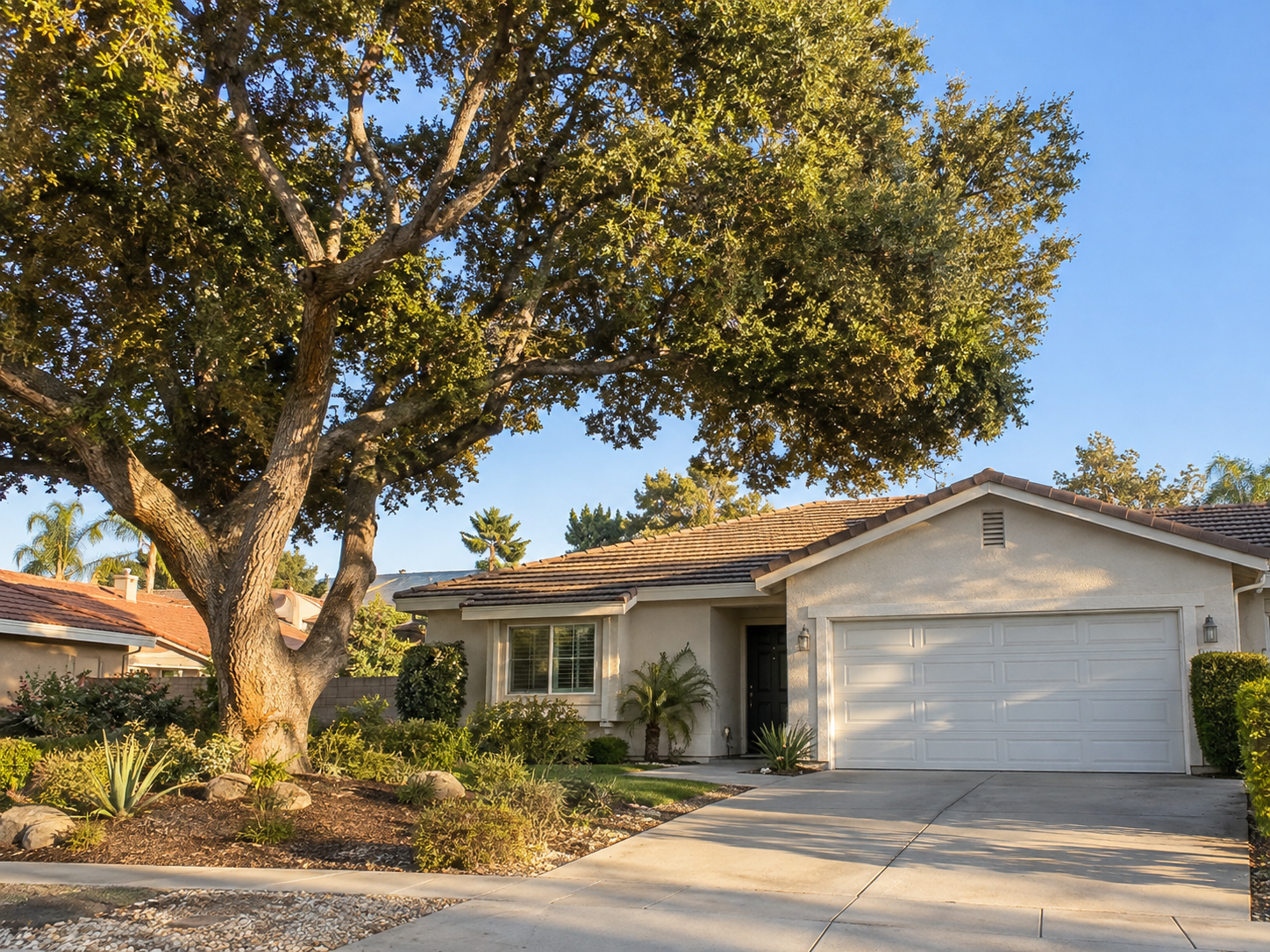
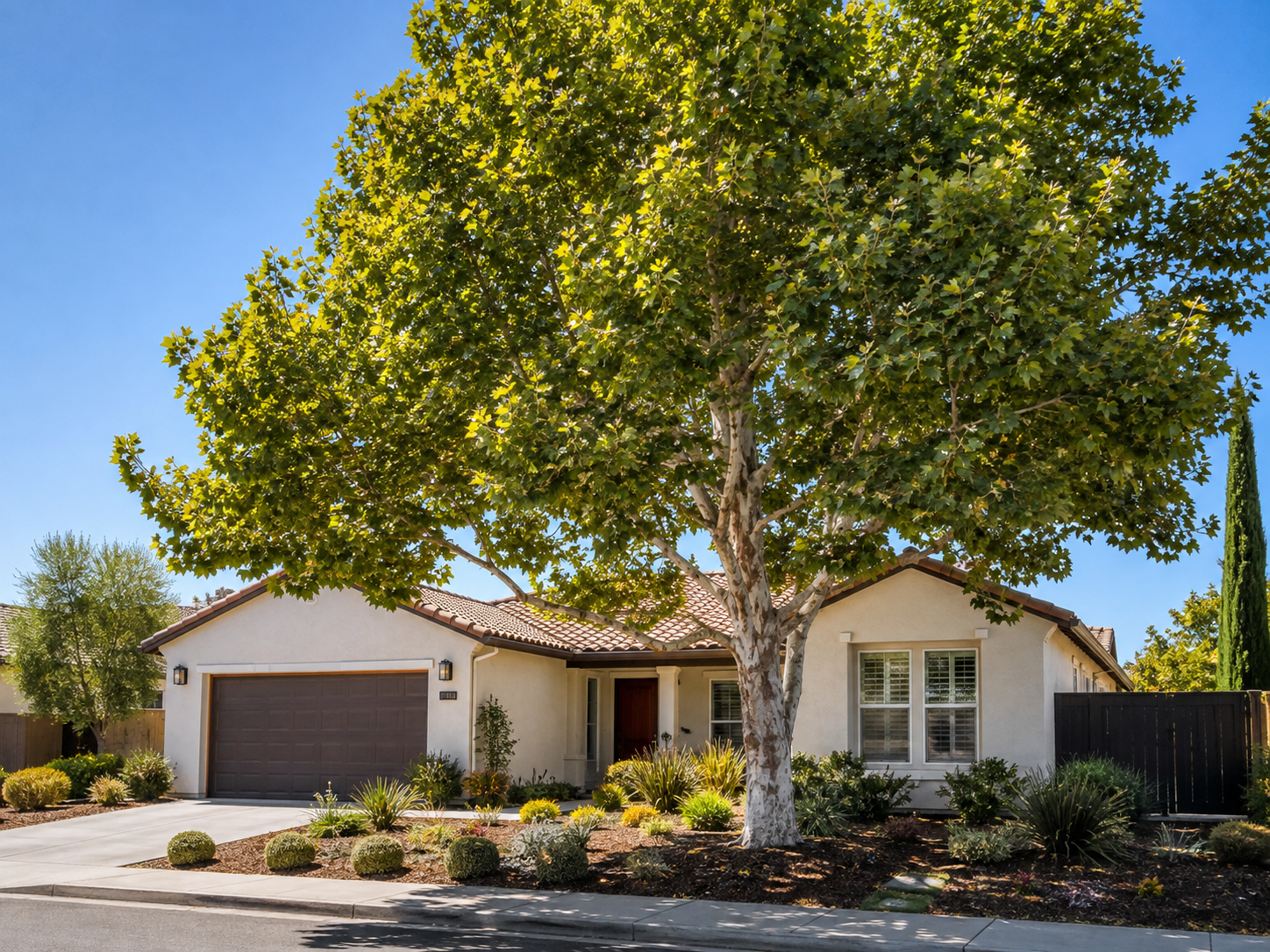
West Covina homeowners take immense pride in maintaining beautiful landscapes. The Southern California climate provides excellent growing conditions for diverse plant life, from native oaks to decorative palms. However, this environment also presents unique challenges. Extended dry periods, invasive insects, and poor soil conditions can quickly compromise the health of your yard. Recognizing the early warning signs of these issues is critical for preserving your property value and ensuring safety. Partnering with Tree Service Perfection West Covina guarantees you have access to professionals who understand regional environmental factors.
Identifying Common Pest Infestations and Diseases
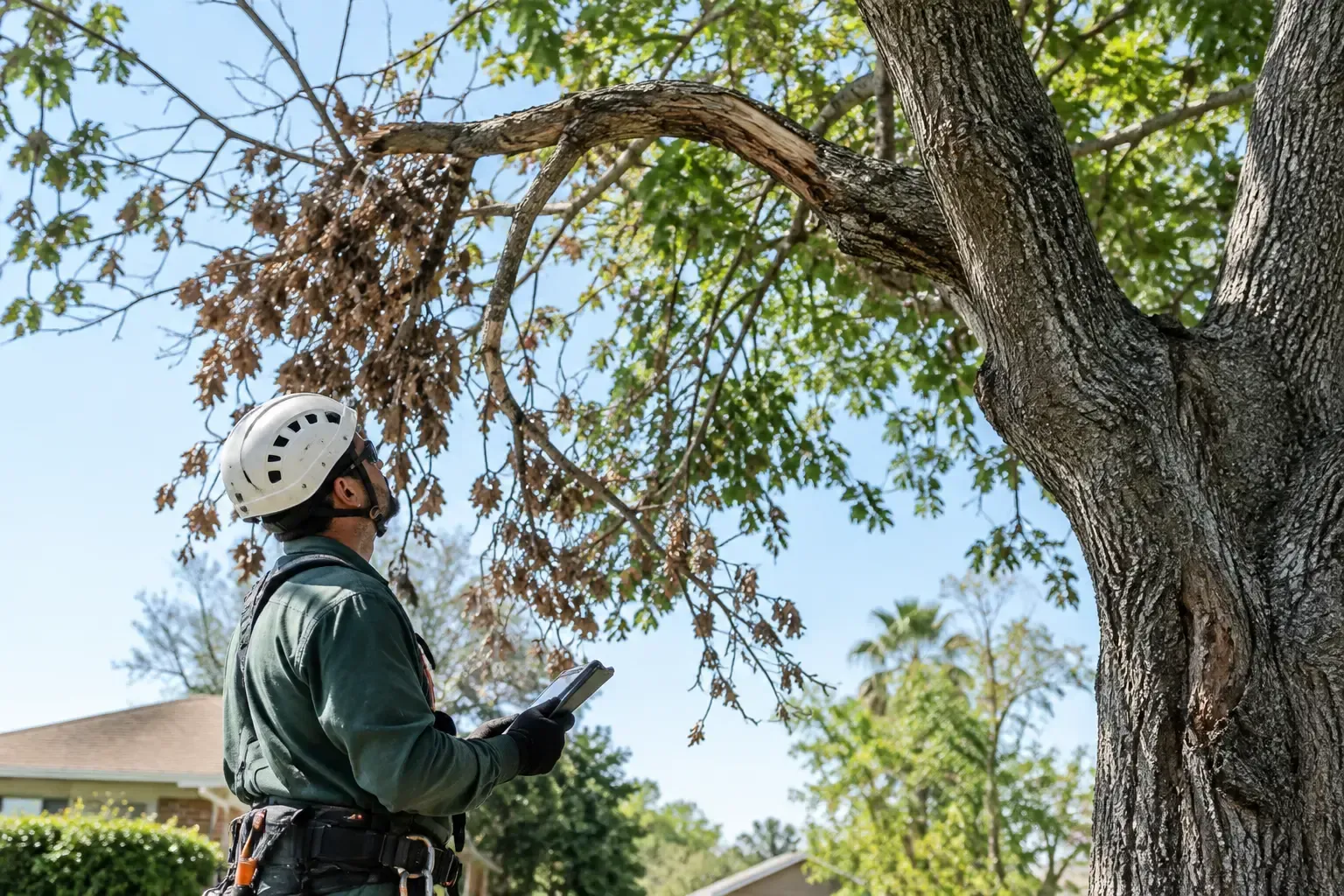
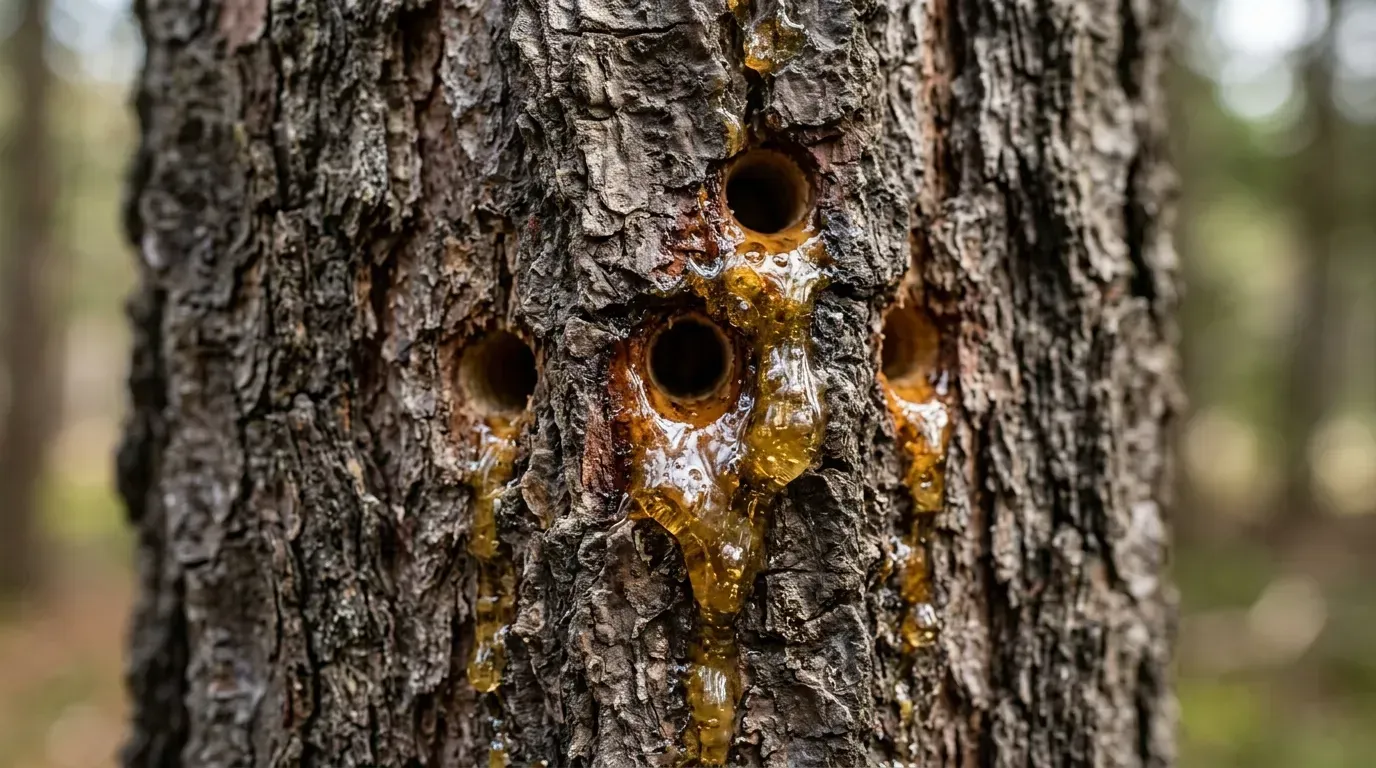
Insects and pathogens pose a constant threat to urban forests. Stressed vegetation becomes a prime target for opportunistic pests. The Polyphagous Shot Hole Borer has become a significant issue across Los Angeles County, attacking dozens of native and ornamental species. These tiny beetles drill into the wood to farm fungi, which ultimately blocks the water-conducting tissues of the host.
Signs of pest activity include:
- Small, perfectly round exit holes in the bark
- Unexplained sap leakage or dark staining on the trunk
- Fine sawdust accumulating at the base of the trunk
- Premature leaf discoloration during the spring or summer
Fungal infections are equally damaging. Overwatering or poor drainage creates the perfect breeding ground for root rot. By the time mushrooms or conks appear near the soil line, internal decay is usually advanced. Early diagnosis is essential for effective treatment.
Addressing Overgrown Canopies and Structural Imbalance
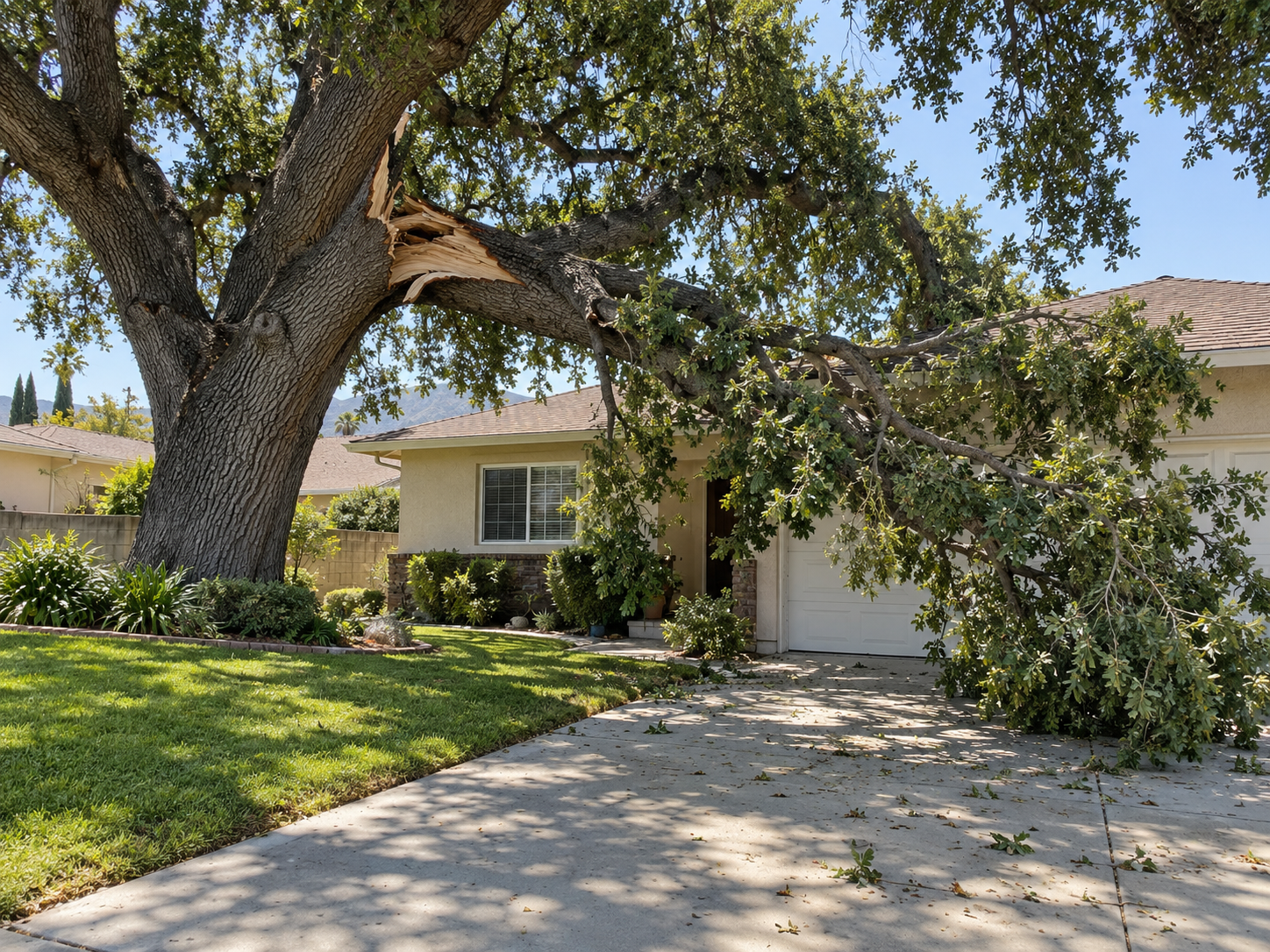
Trees need proper architecture to withstand strong storm winds. Left unattended, thick canopies create a sail effect, catching heavy gusts and increasing the likelihood of branch failure. Overgrown limbs stretching over rooftops or power lines present severe safety hazards to your family and neighbors.
Strategic tree trimming mitigates these risks by reducing canopy weight and improving airflow. Regular pruning encourages a dominant central leader and eliminates co-dominant stems that are prone to splitting. It is vital to avoid harmful practices like topping, which involves indiscriminately cutting back large branches to stubs. Topping triggers rapid, weakly attached regrowth and exposes the inner wood to decay. Proper structural pruning maintains the natural shape while enhancing stability.
Why Soil Compaction Damages Root Systems
Urban and suburban environments frequently suffer from compacted soil. Heavy foot traffic, parked vehicles, and construction machinery compress the dirt, squeezing out vital pore spaces. Roots require oxygen to function properly. When the ground becomes too dense, the roots effectively suffocate, leading to a slow, progressive decline in the canopy above.
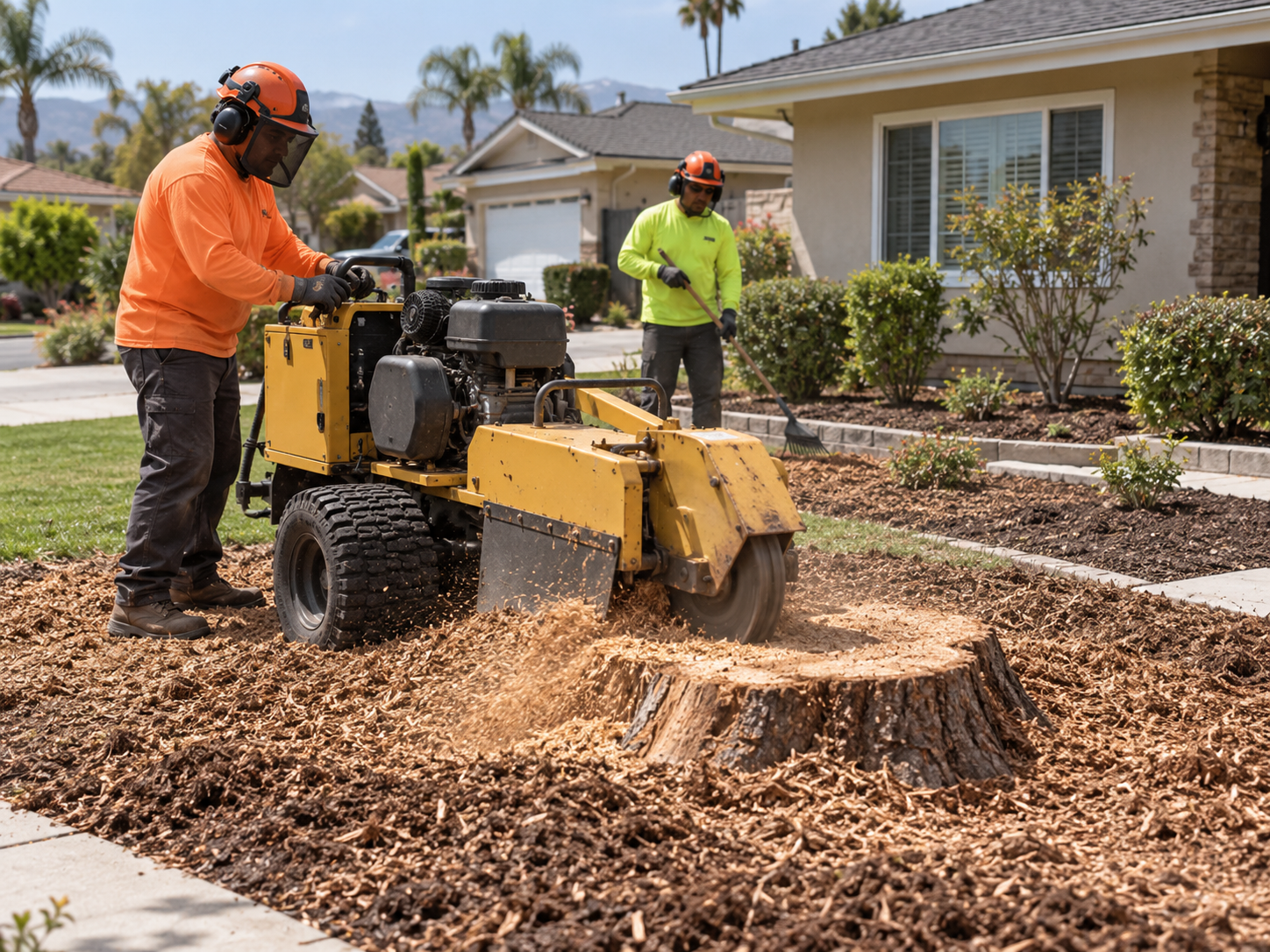
Symptoms of compacted soil often mimic drought stress because the roots can no longer absorb moisture efficiently. Careful aeration and the application of organic wood chip mulch help restore soil structure over time. Mulch regulates soil temperature, retains moisture, and breaks down to provide essential nutrients. You can protect the critical root zone by keeping heavy equipment and excess weight away from the base of the trunk.
Consulting a Local Tree Expert for Diagnosis
Accurately diagnosing plant health requires deep biological knowledge and extensive field experience. A certified tree expert possesses the training to differentiate between a minor nutrient deficiency and a fatal systemic disease. Guesswork often leads to improper treatments that waste money and further harm the plant.
During a professional assessment, an arborist evaluates the overall vigor, inspects the root collar, and sounds the trunk to detect hollow cavities. They review environmental factors, including irrigation habits and recent construction near the property. Based on this comprehensive evaluation, they develop a targeted management plan. Understanding the exact nature of the problem allows for precise, effective interventions.
When to Consider a Professional Tree Removal Service
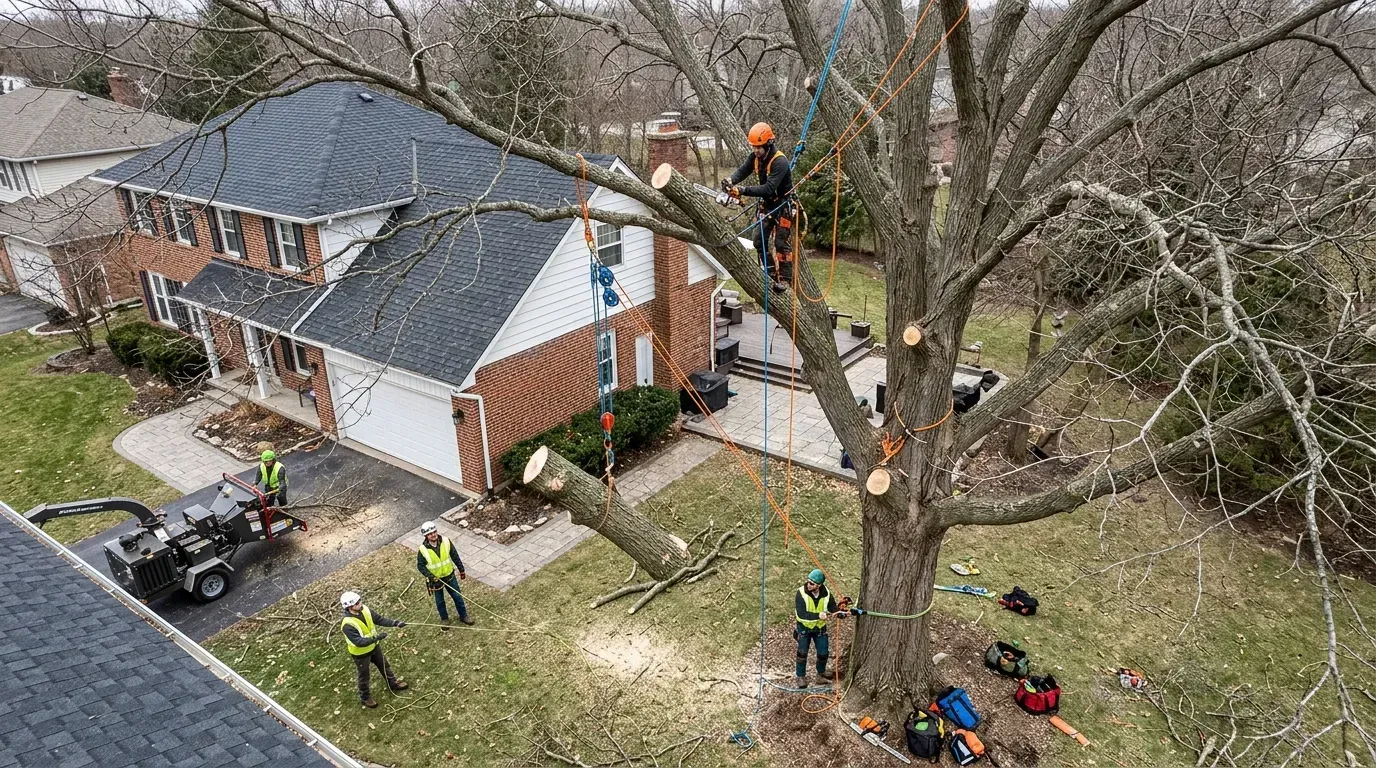
Preservation is always the primary goal, but some situations demand complete extraction. Dead, decaying, or structurally compromised specimens represent severe liabilities. Falling branches can cause catastrophic property damage or severe injury. Knowing when a specimen has crossed the threshold from an asset to a hazard is crucial.
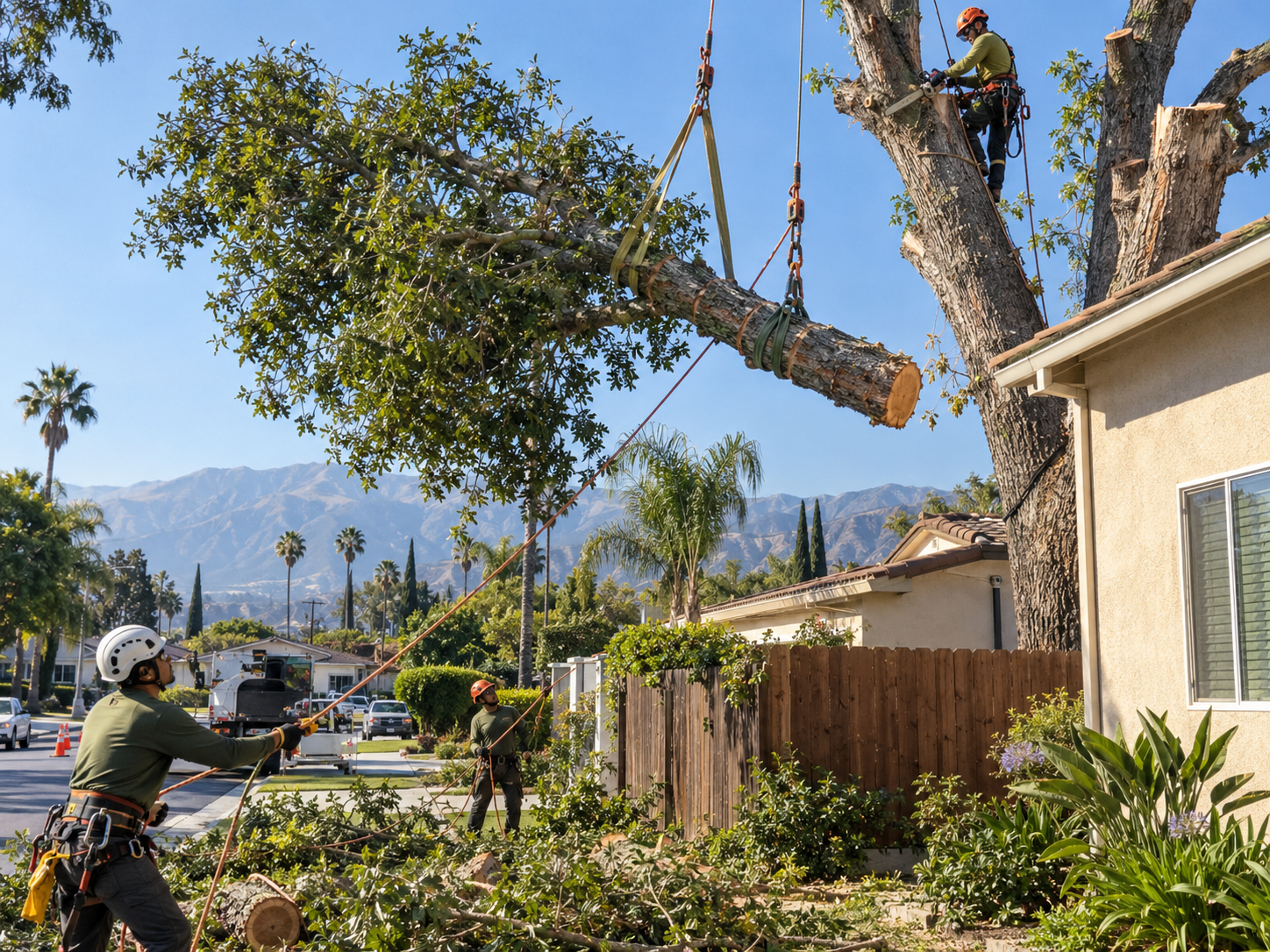
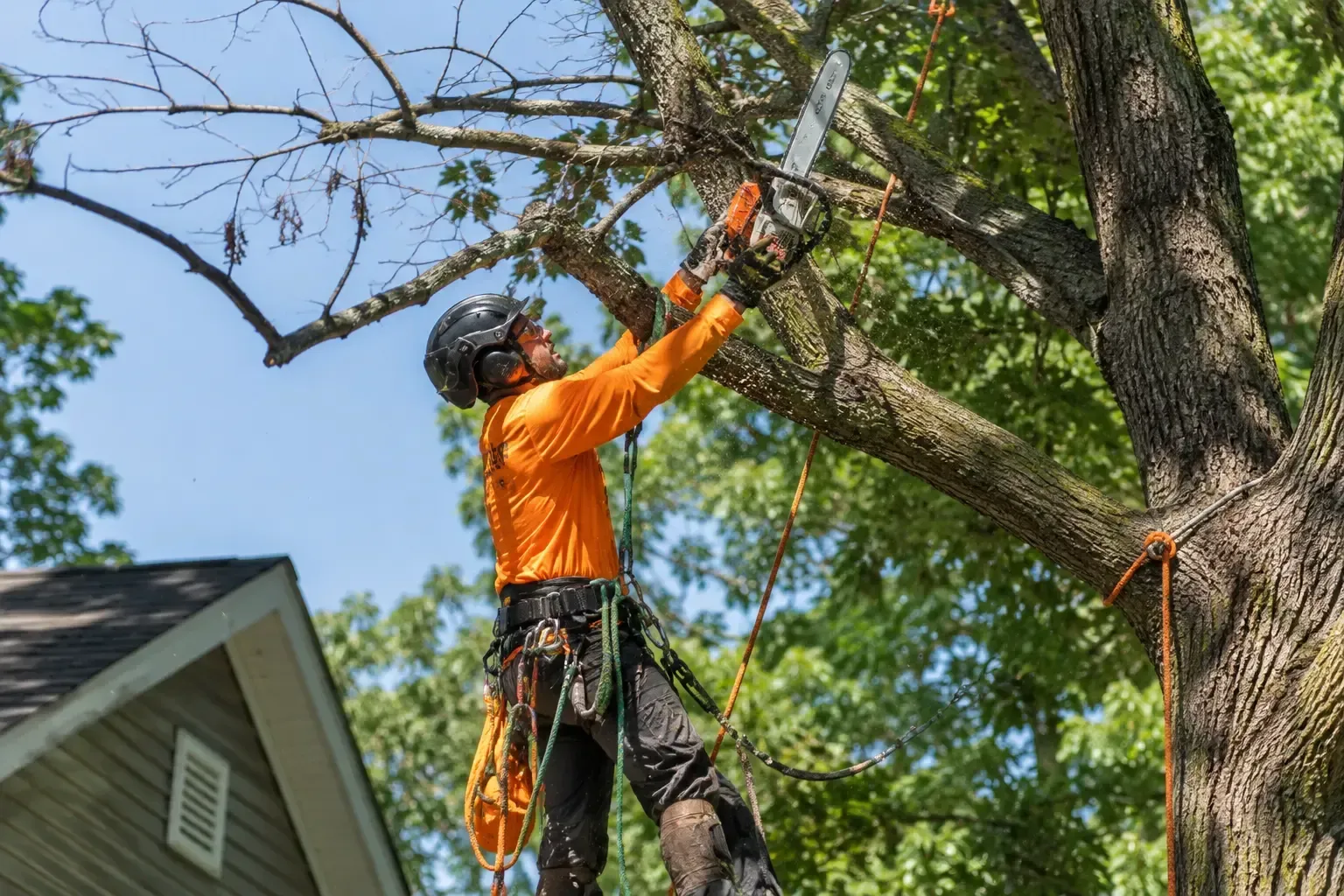
Hiring a professional tree removal service ensures the safe, controlled dismantling of dangerous wood in tight residential spaces. Professionals utilize advanced rigging techniques to lower heavy sections to the ground without impacting your home, fencing, or surrounding landscaping.
Common indicators that extraction is necessary include:
- Extensive vertical cracks running deep into the main trunk
- A sudden, severe lean accompanied by heaving soil on the opposite side
- More than fifty percent of the canopy showing dieback
- Severe root damage resulting from utility trenching or hardscaping
You can learn more about our safe extraction protocols on our dedicated tree removal page. Removing a heavily diseased host also protects the rest of your landscape by halting the spread of aggressive pathogens. Discover more about how tree removal supports healthier growth for surrounding trees in our previous post.
The Hidden Dangers of Invasive Ivy Growth
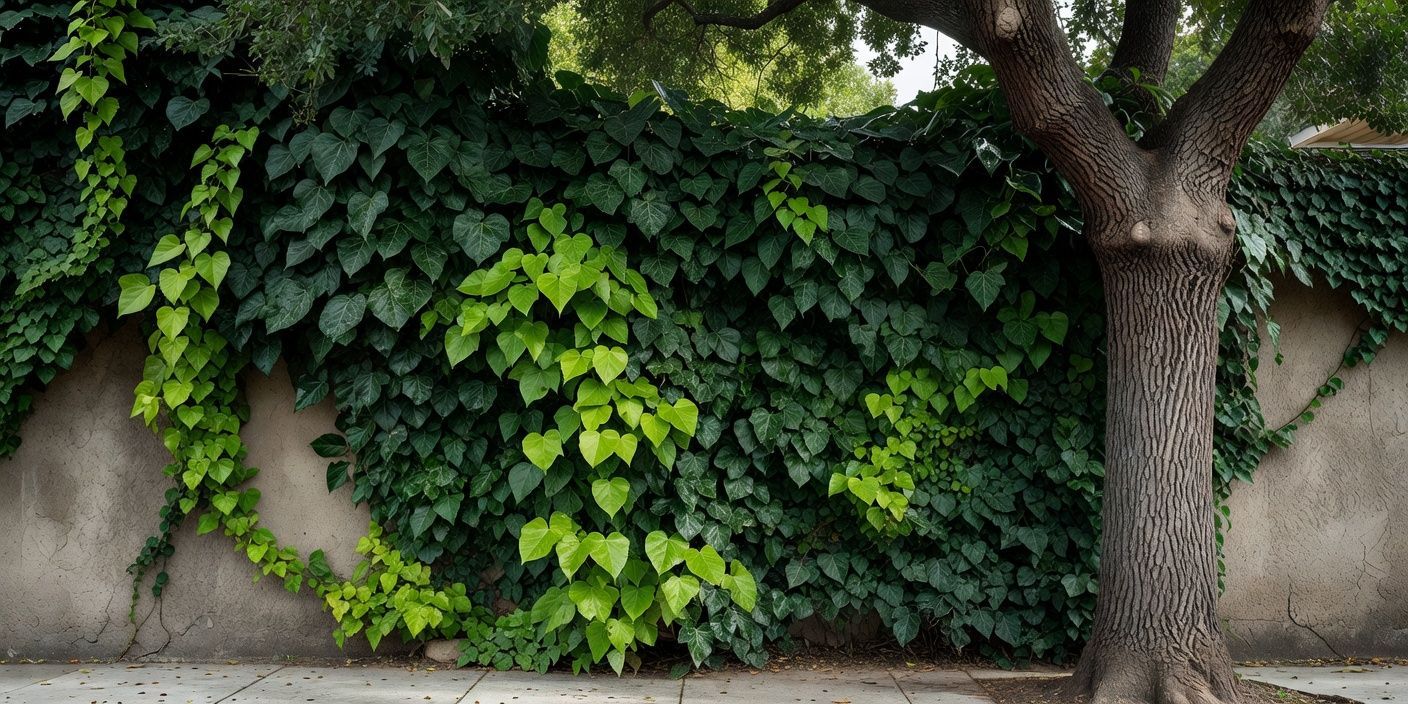
Many property owners appreciate the aesthetic of climbing vines, but species like English ivy are incredibly destructive. These aggressive climbers scale trunks to reach the upper canopy, competing directly with the host for sunlight, water, and soil nutrients.
The dense foliage of the ivy traps moisture against the bark, creating a humid microclimate that accelerates fungal rot and conceals pest activity. Furthermore, mature ivy adds immense weight to the branches, drastically increasing the risk of structural failure during heavy rains or wind events. Attempting to pull mature vines off the bark can cause severe damage to the host. Professional ivy removal involves carefully severing the vines at the base and allowing the upper portions to die back before extraction.
Choosing the Right Team for Your Property
Managing large residential vegetation requires specialized equipment and a strict commitment to safety standards. Property owners face immense risks when attempting complex pruning or extractions independently. Chainsaw accidents and falls from ladders are common among untrained individuals.
Our team brings years of dedicated experience to every project in West Covina. We prioritize safety, efficiency, and the long-term health of your urban forest. Learn more about our qualifications, safety protocols, and company history by visiting our About Us page.
Proactive maintenance is the most effective way to manage landscape challenges. If you notice signs of canopy decline, structural weakness, or invasive pest activity, secure a professional inspection immediately. Waiting often limits your options and increases the complexity of the solution. Visit our Contact Us page or call us directly at (909) 362-8885 to schedule your comprehensive property assessment.
Frequently Asked Questions
How do I know if my tree needs to be removed?
Look for critical warning signs such as large, deep cavities in the main trunk, extensive dead branches in the upper canopy, or a noticeable new lean. Fungal conks growing near the soil line strongly indicate advanced internal decay. A thorough evaluation by a professional will confirm if extraction is the safest and most viable option for your property.
Can proper pruning save a diseased tree?
Yes, if the infection is caught early and remains localized to specific branches. Removing the infected wood prevents the pathogen from traveling further into the main vascular system. However, systemic diseases affecting the roots or the main trunk typically cannot be pruned out and often require complete extraction.
Are tree roots dangerous to my home foundation?
Roots generally follow the path of least resistance in search of moisture and oxygen. They rarely possess the force to penetrate a solid, structurally sound foundation, but they will exploit existing cracks or crumbling mortar. Large surface roots are more likely to lift adjacent walkways, driveways, or patios, requiring a professional assessment to prevent costly hardscape damage.