How Tree Removal Supports Healthier Growth for Surrounding Trees
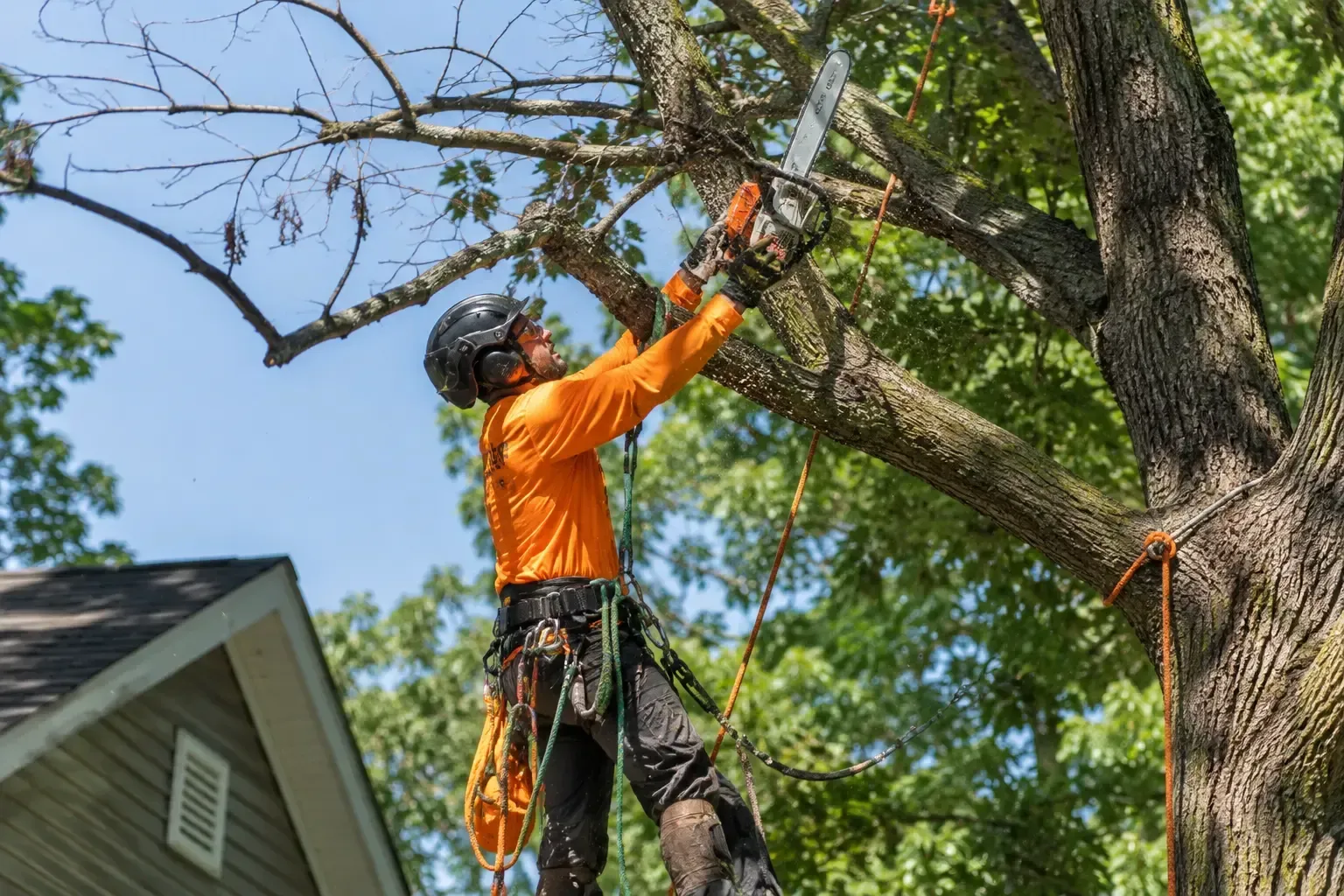
Strategic tree removal is a vital landscape management tool that eliminates harmful competition for sunlight, water, and soil nutrients. By extracting declining or overcrowded specimens, property owners can protect their remaining plants from spreading diseases and structural defects. Investing in professional canopy management ultimately secures the health, safety, and real estate value of your outdoor environment.
* Eliminating overcrowded trees instantly frees up essential soil moisture and nutrients for surrounding vegetation.
* Removing diseased plants prevents wood boring insects and fungal pathogens from spreading across your yard.
* Proper spatial management allows remaining trees to develop symmetrical, structurally sound canopies that withstand high winds.
The Strategic Role of Tree Removal in Landscape Health
Managing a residential or commercial landscape requires calculated decisions about long term plant health. Often the most effective method to encourage lush development in your yard is to eliminate a declining or poorly placed tree. Property owners in West Covina understand the significant financial and aesthetic value of mature landscaping. However, overcrowded planting spaces consistently stunt the development of otherwise healthy species. When vegetation competes for limited resources, the entire ecosystem suffers.
Strategic extraction eliminates this bottleneck. This practice allocates vital water, sunlight, and soil nutrients to the strongest specimens on your property. Understanding the science behind canopy management helps homeowners make informed choices about their outdoor investments.
Resource Competition in Crowded Landscapes
Every plant in your yard pulls from the same finite supply of soil moisture and nutrients. When too many root systems occupy a small suburban footprint, the competition becomes fierce. Mature trees require hundreds of gallons of water per week during the dry California summers. If a damaged or invasive specimen dominates the soil profile, surrounding plants slowly starve.
Removing the problematic vegetation immediately frees up underground resources. The remaining root systems quickly expand into the newly available soil. This expansion drastically improves water absorption and nutrient uptake. The results often become visible within a single growing season. Shrubs that previously struggled to produce foliage will push out dense new growth. Neighboring trees develop stronger trunks and richer canopies. West Covina soil conditions require careful resource management, making strategic thinning a highly effective way to maximize the health of your most valuable landscaping assets.
Disease Prevention Through Professional Tree Service
Fungal infections and insect infestations spread rapidly in tightly packed canopies. When branches physically touch or overlap, pests migrate effortlessly from a dying host to a healthy neighbor. A decaying specimen acts as a breeding ground for wood boring insects and airborne pathogens. Leaving an infected plant standing places your entire property at risk.
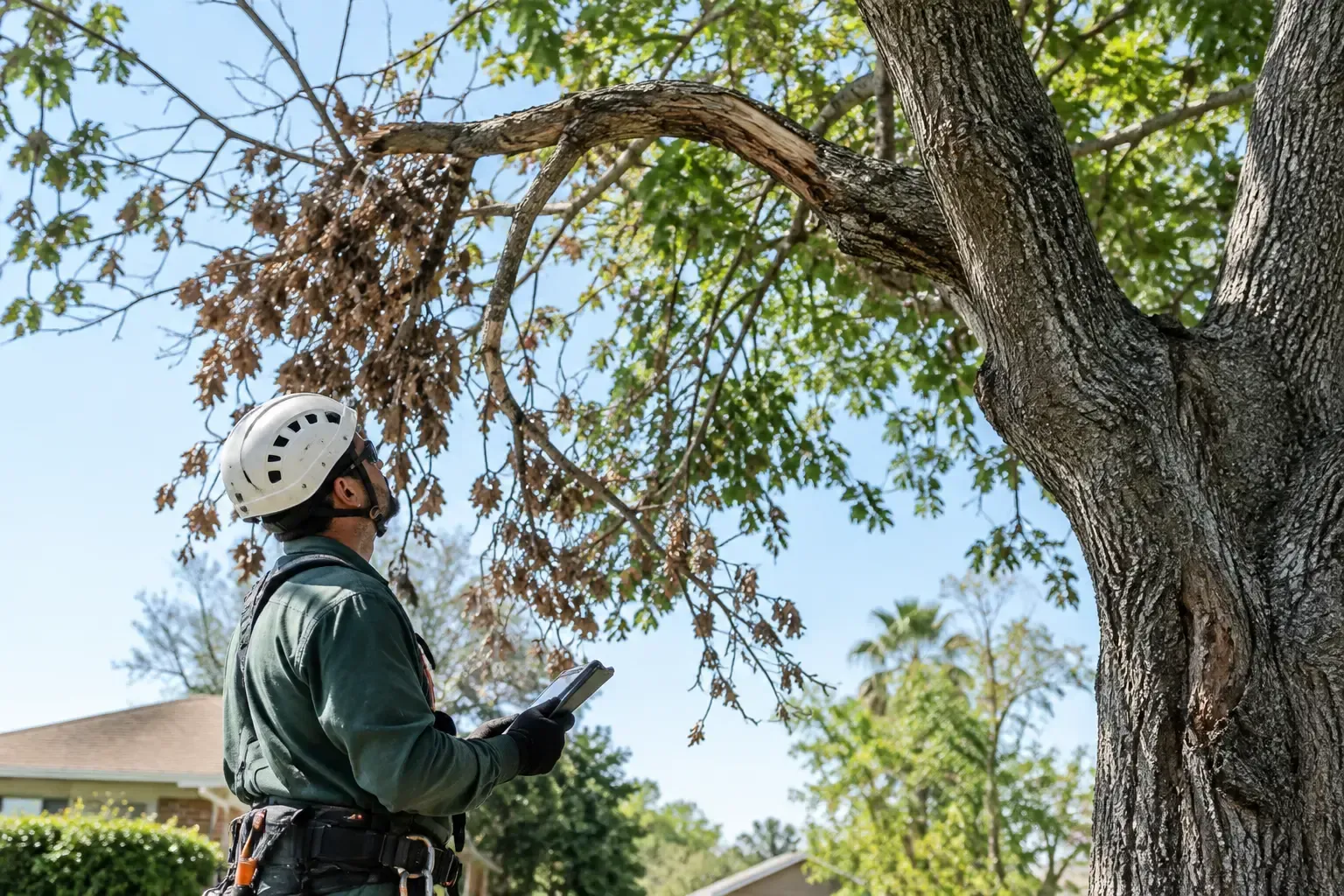
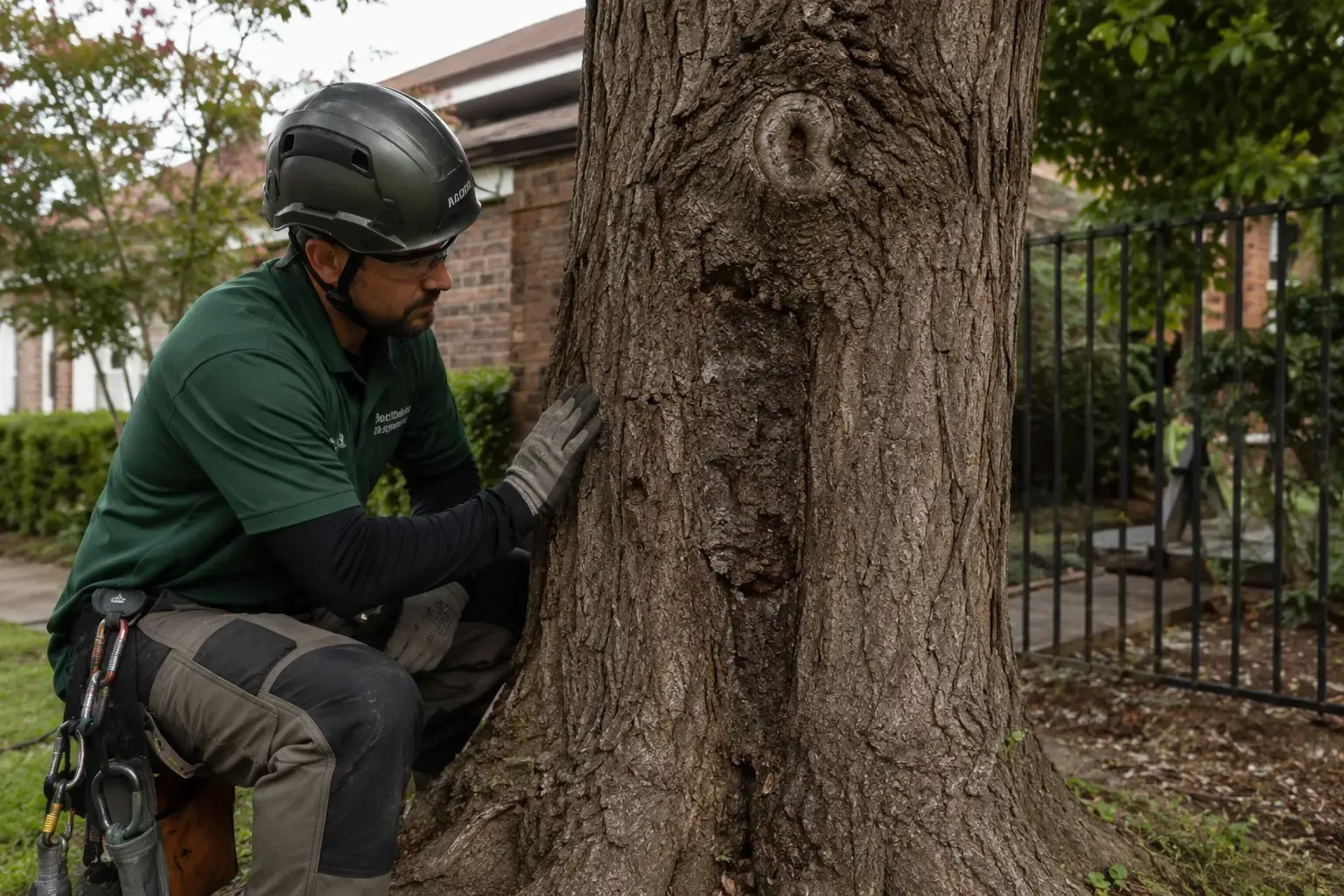
Partnering with a professional tree service provides a vital line of defense against these spreading threats. Licensed arborists can identify the early warning signs of systemic rot or invasive pest activity. By removing the infected host plant entirely, you instantly sever the transmission pathway. This proactive approach saves surrounding vegetation from a similar fate.
Many common diseases in the West Covina area target specific species, but others will jump to entirely different plant families. Prompt extraction minimizes the spore load in the air and prevents infected roots from grafting with healthy root systems underground. The immediate removal of a diseased host is one of the most effective disease management strategies available to property managers and residential homeowners.
Maximizing Sunlight Exposure for the Lower Canopy
Sunlight acts as the primary catalyst for photosynthesis. Trees growing in the shadow of a larger dominant neighbor cannot generate enough energy to thrive. Over time, these shaded plants develop weak wood, sparse foliage, and asymmetrical shapes as they stretch desperately toward the light.
Extracting an overgrown or declining canopy giant instantly bathes the surrounding landscape in direct sunlight. This renewed exposure triggers a massive biological response. The remaining vegetation increases photosynthetic activity, leading to thicker branch development and more robust root structures.
For properties in West Covina, CA 91790, optimizing sunlight distribution is essential for cultivating drought resistant landscapes. Trees with adequate light exposure naturally develop stronger defenses against environmental stress. The added sunlight also dries out damp pockets of foliage. This drying effect naturally suppresses fungal growth in the lower canopy. Property owners often notice a dramatic improvement in turf grass and understory shrubs once an overshadowing tree is removed.
Comparing Canopy Environments
Understanding the differences between an overcrowded yard and a managed landscape helps property owners recognize when intervention is necessary. The table below outlines the direct impacts of canopy density on surrounding plant health.
| Environmental Factor | Overcrowded Growth Conditions | Post-Removal Benefit | Property Value Impact |
|---|---|---|---|
| Sunlight Penetration | Heavy shading stunts understory plants. | Optimal photosynthesis for remaining vegetation. | Increases curb appeal and plant vibrancy. |
| Soil Moisture | High competition leads to drought stress. | Enhanced water availability for target trees. | Reduces irrigation costs and plant replacement. |
| Air Circulation | Stagnant air promotes fungal diseases. | Improved airflow dries out harmful moisture. | Lowers landscape disease treatment expenses. |
| Structural Integrity | Trees grow asymmetrically to reach light. | Encourages strong, balanced canopy development. | Minimizes liability from falling branches. |
Protecting Property Value and Enhancing Curb Appeal in West Covina
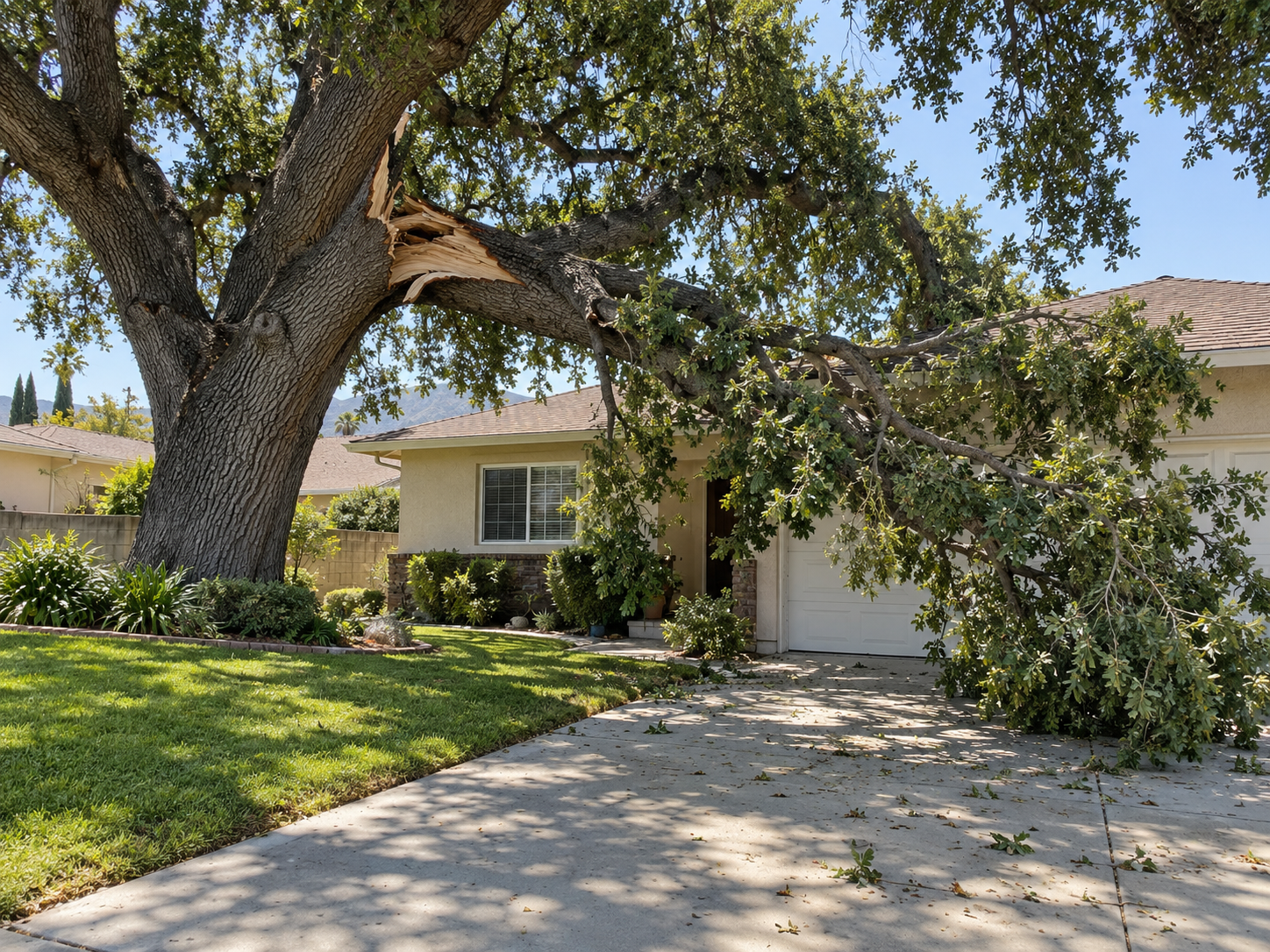
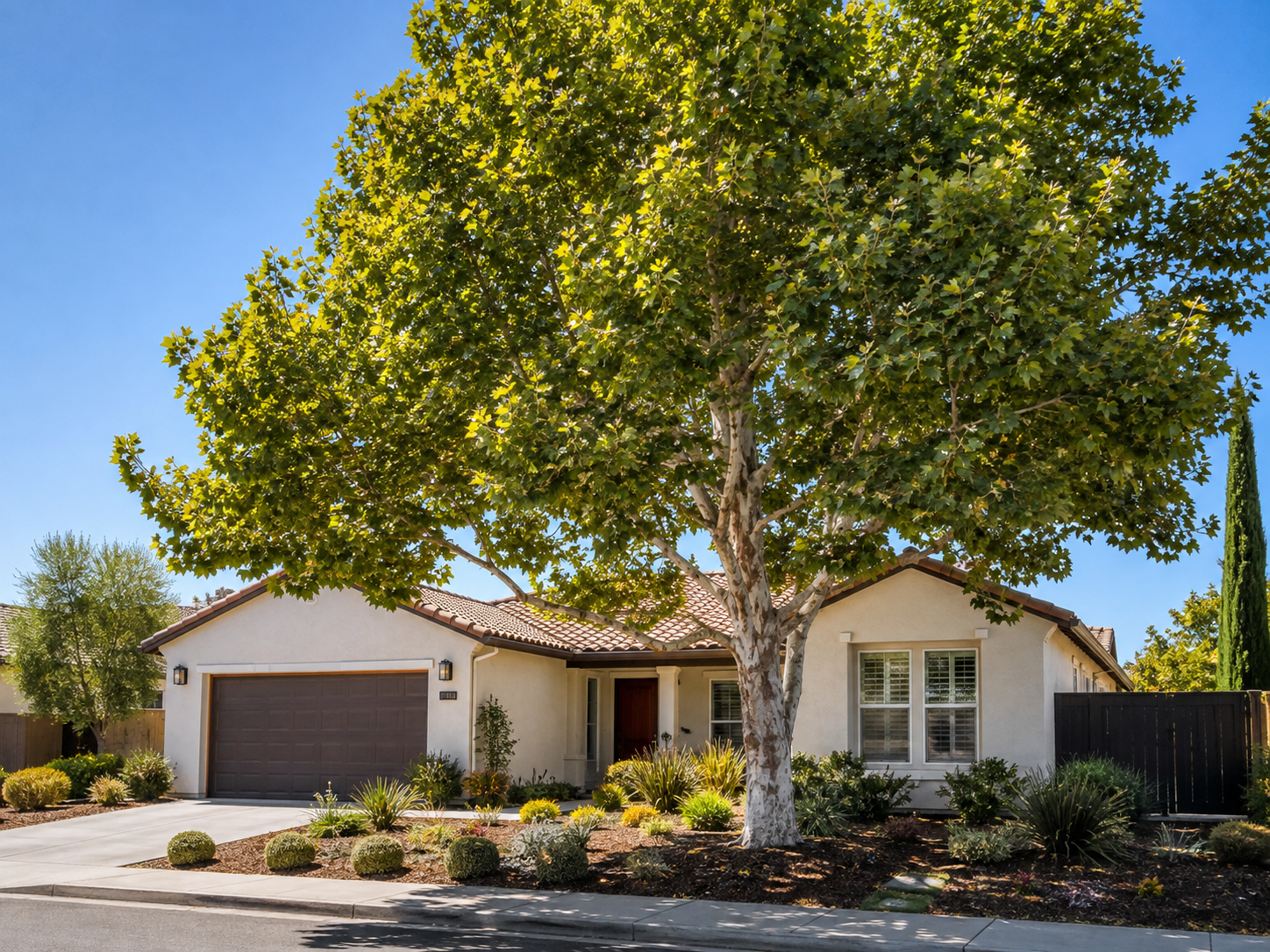
The appearance and safety of your landscaping directly influence the overall market value of your real estate. Overgrown, cluttered yards signal neglect to potential buyers and appraisers. Trees that are clearly dead, dying, or leaning heavily over a roof introduce significant liability concerns. Insurance providers closely monitor property hazards, and an unstable tree can sometimes complicate homeowner policies or lead to increased premiums.
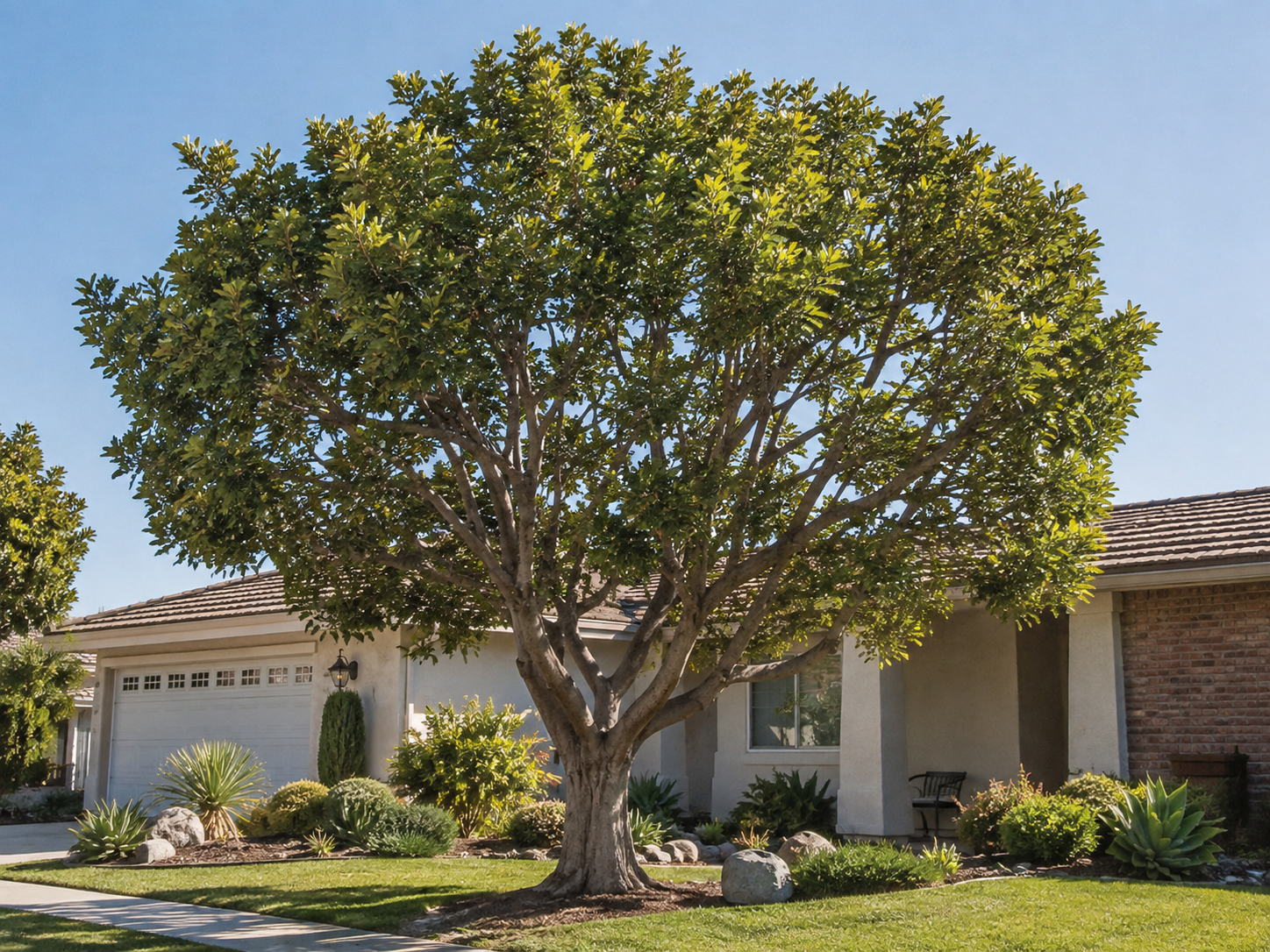
By removing weak or redundant trees, you highlight the strongest, most beautiful specimens on your property. This selective process, often referred to as "thinning the forest," creates a manicured, intentional look. It provides the remaining trees with the space they need to reach their full biological and aesthetic potential.
For property managers overseeing rental units or commercial spaces in West Covina, maintaining a clean, well-spaced landscape is essential for tenant satisfaction and public safety. A well-maintained exterior communicates professionalism and reduces the risk of property damage caused by falling debris during heavy storms. Taking decisive action to optimize your tree spacing is a proven strategy for securing your property value while cultivating a robust, vibrant natural environment.
Frequently Asked Questions
How do I know if a tree is negatively affecting the trees around it?
Signs of negative impact include stunted growth in surrounding plants, asymmetrical canopies leaning away from the dominant tree, and dead lower branches due to a lack of sunlight. If you notice neighboring trees struggling to produce foliage or exhibiting signs of drought stress despite adequate watering, root and canopy competition is likely the cause.
Will removing a large tree shock the remaining plants in my yard?
While suddenly exposing shade-adapted plants to intense sunlight can cause temporary stress, the long-term benefits far outweigh the initial adjustment period. A professional arborist can advise you on proper watering and mulching techniques to help the remaining plants smoothly transition and take advantage of the newly available resources.
Does my West Covina property require a permit for tree removal?
Permit requirements depend on the specific species, size, and location of the tree in question. Certain heritage trees or trees located in public right-of-ways are protected under local ordinances. Always consult with an experienced local tree care provider to ensure total compliance with West Covina municipal codes before beginning any removal project.