Dead Tree Removal in West Covina: Safety Signs You Should Never Ignore
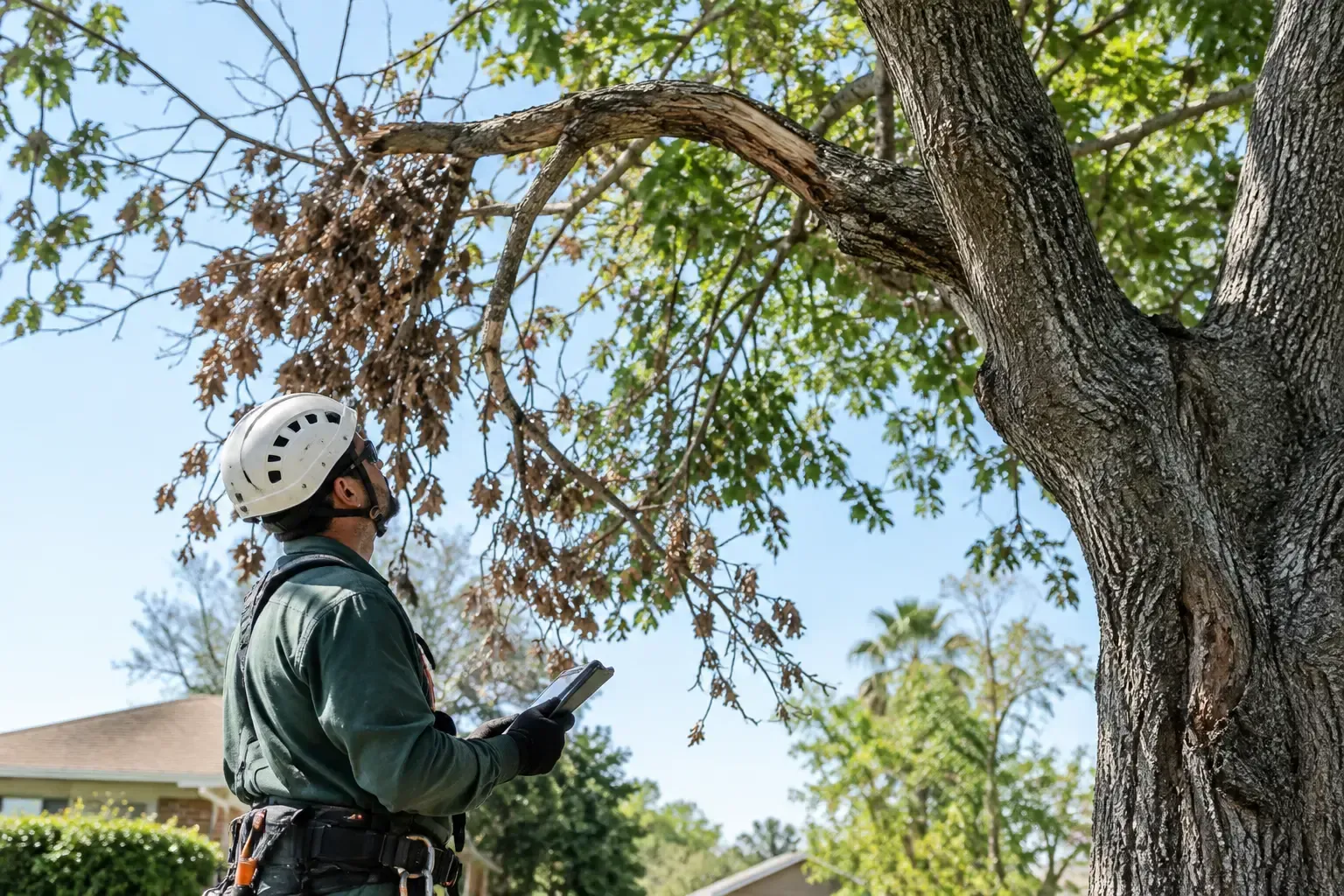
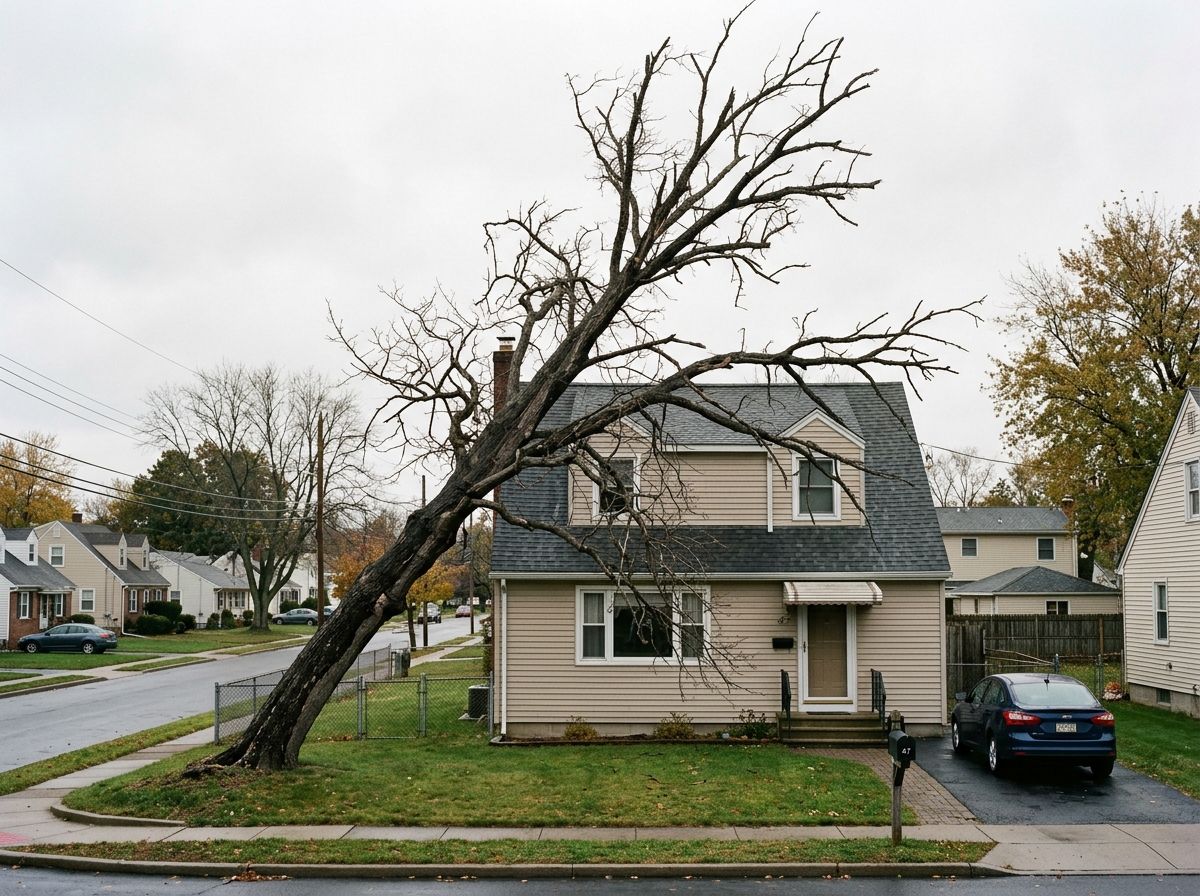
A decaying tree on your property represents a significant structural liability. Property owners frequently overlook the subtle biological indicators of arboreal decline until extreme weather exposes the compromised root system or brittle canopy. The high winds that occasionally sweep through Southern California test the physical limits of every standing structure. Healthy timber flexes and adapts to these environmental pressures. Dead timber simply snaps.
Addressing a failing landscape specimen promptly protects your family, safeguards your property value, and prevents catastrophic damage to roofs, vehicles, and underground utilities. Understanding the precise biological and physical indicators of a dying trunk allows you to take decisive action before a sudden failure occurs. Proactive landscape management requires vigilance, and learning to read the structural warning signs of a decaying canopy is an essential part of responsible property ownership.
The Hidden Biology of Arboreal Decline
Comprehensive tree care demands far more than seasonal watering and aesthetic shaping. It requires consistent observation of the organism's vascular health. Trees are highly resilient, but extended periods of drought, localized soil compaction, and aggressive pest infestations can rapidly destroy their internal structural integrity.
When a specimen stops transporting vital nutrients and water to its upper canopy, the wood undergoes a rapid dehydration process. The internal systems responsible for moving these resources are the xylem and the phloem. When these systems break down, the massive organism essentially starves. The resulting dehydrated wood becomes incredibly brittle and highly susceptible to snapping under its own weight.
Many property owners mistakenly assume a leafless canopy is simply experiencing seasonal dormancy. Distinct biological markers separate a temporarily dormant state from permanent death. Snapping a small terminal twig provides immediate feedback. If the twig bends easily and reveals a moist, green interior, the vascular system remains active. If the twig snaps sharply with a dry, brown interior, that section of the canopy has died. Relying on a professional evaluation from the team at Tree Service Perfection West Covina ensures an accurate, scientific diagnosis of your specific landscape challenges.
Bark Degradation and Deep Trunk Fissures
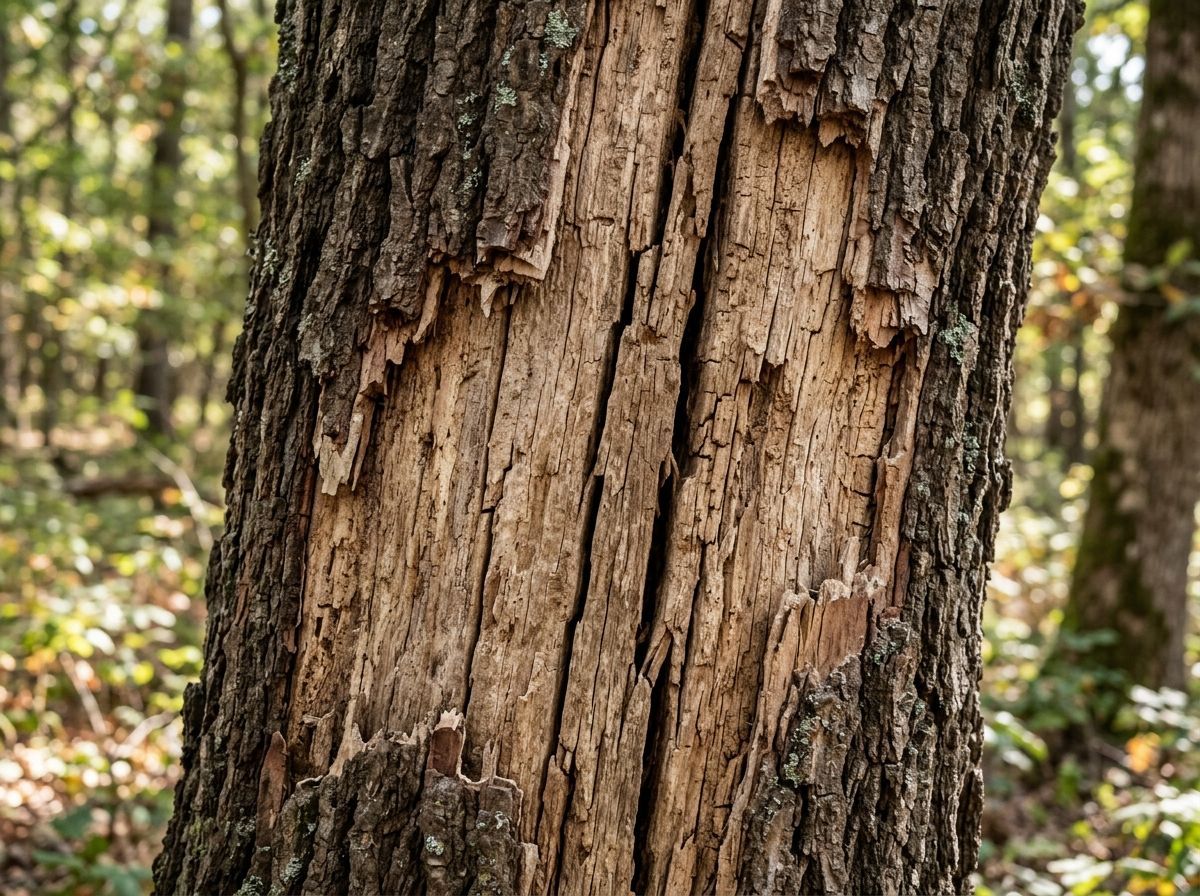
Bark serves as the primary protective armor against environmental stressors, invasive insects, and harsh temperature fluctuations. When the internal systems fail, this outer layer loses its moisture content and begins to detach from the main trunk. Peeling bark that flakes off in large sections to expose smooth, dry wood underneath is a definitive sign of total systemic failure.
Deep, vertical fissures running along the main trunk present an equally alarming warning sign. These extensive cracks indicate that the dense internal heartwood is drying out, shrinking, and losing its cohesive strength. Temperature variations cause the dead wood to expand and contract, which physically shatters the compromised fibers over time.
A localized issue can occasionally mimic a systemic failure. However, routine tree trimming is only effective for removing isolated deadwood from an otherwise healthy specimen. It cannot reverse the damage of core structural rot. Heavy woodpecker activity concentrated on a specific trunk section often points to severe insect infestations hidden within the decaying core. Termites, carpenter ants, and wood-boring beetles exploit this softened material to build colonies. These insects excavate massive hollow cavities that drastically reduce the overall weight-bearing capacity of the trunk.
This is paragraph text. Click it or hit the Manage Text button to change the font, color, size, format, and more. To set up site-wide paragraph and title styles, go to Site Theme.
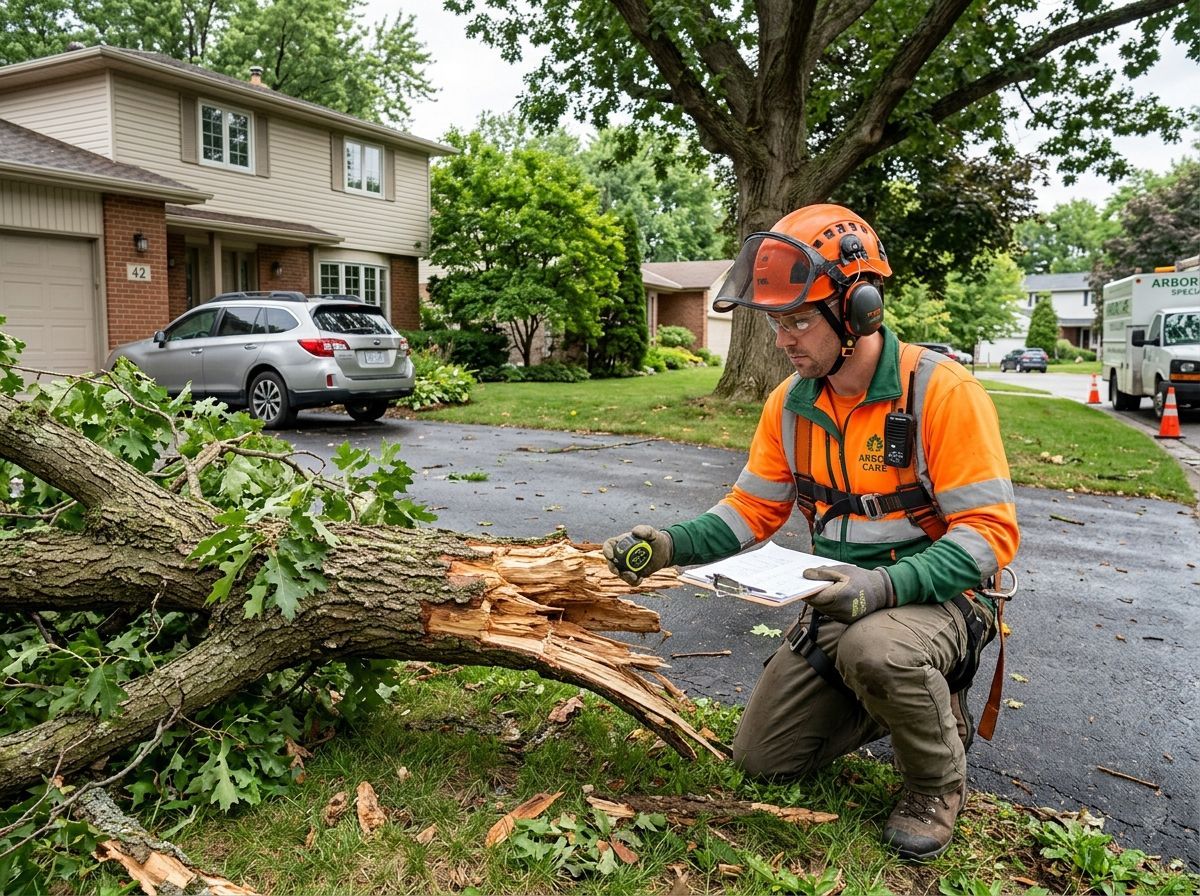
Structural Risk Assessment Matrix
Evaluating the precise danger level of a decaying specimen requires observing multiple biological and structural symptoms concurrently. The following diagnostic table outlines specific warning signs, the corresponding risk of mechanical failure, and the necessary response to protect your physical assets.
| Visual Symptom Observed | Structural Impact & Severity | Failure Risk Level | Required Landscape Action |
|---|---|---|---|
| Deep vertical trunk fissures | Loss of internal cohesive strength | High | Immediate structural assessment |
| Shelf mushrooms on trunk | Advanced internal heartwood rot | Critical | Schedule extraction immediately |
| Sudden directional leaning | Catastrophic root anchoring failure | Extreme | Evacuate target zone, call professionals |
| Large suspended deadwood | Localized branch snapping | High | Emergency canopy clearing |
| Peeling bark on main stem | Total cessation of vascular sap flow | Moderate to High | Monitor closely and plan for extraction |
The Complex Mechanics of Professional Extraction
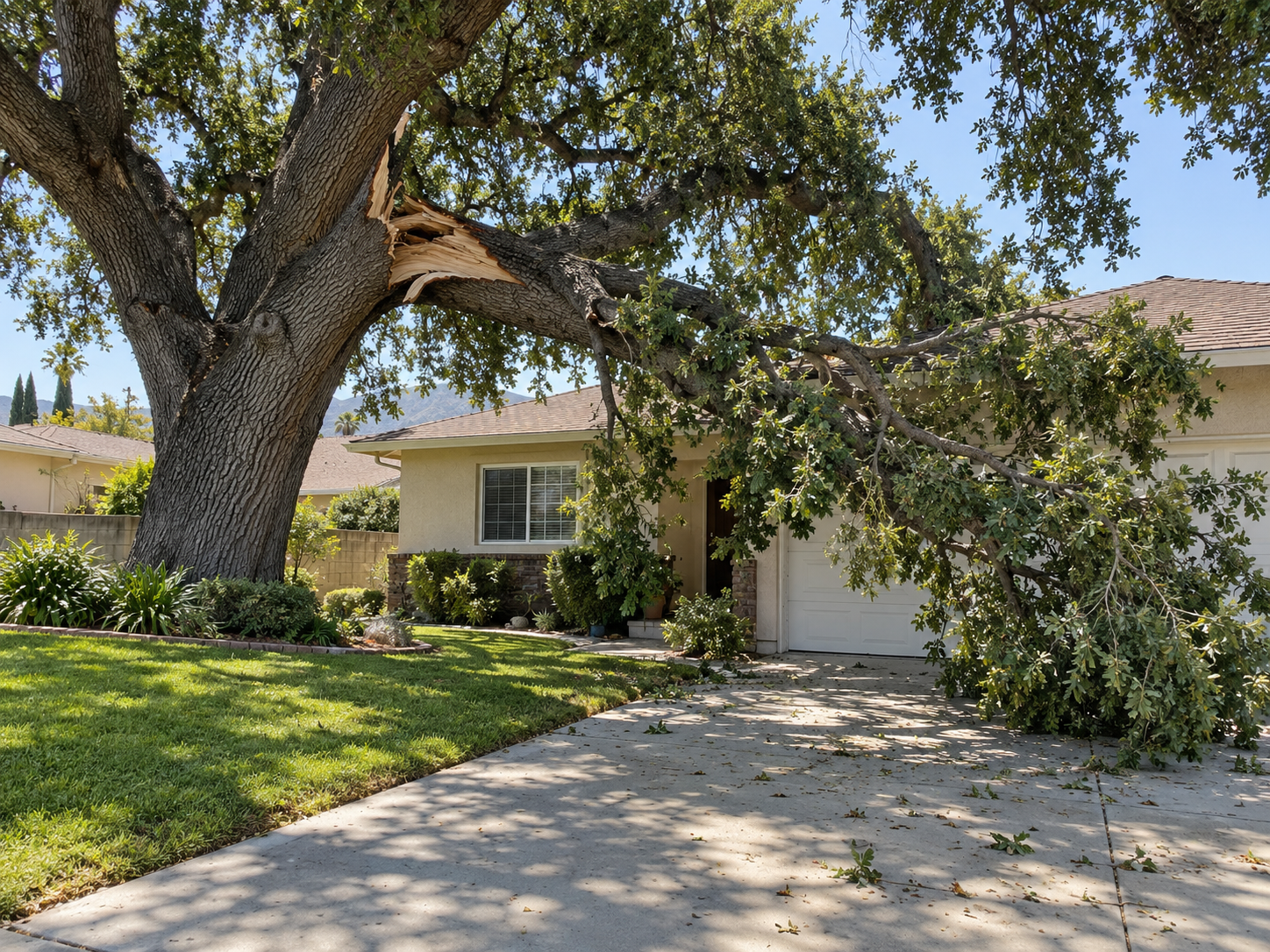
Allowing a massive dead trunk to remain standing is a dangerous gamble with severe financial and legal implications. Property owners bear the legal liability for physical damages caused by fallen timber originating from their parcel boundaries. If a decaying limb crashes through a neighbor's roof or crushes a passing vehicle, the financial liability falls directly on the property owner. Insurance investigators frequently analyze structural failure sites to determine if the poor health of the timber was visible and subsequently ignored by the homeowner.
Attempting to cut down a large, unstable trunk without professional training, proper safety gear, and specialized heavy equipment frequently results in severe property damage or critical physical injury. The internal center of gravity within a dead, hollow trunk is entirely unpredictable. Traditional felling techniques are useless when the wood fibers lack the strength to hold a reliable hinge cut.
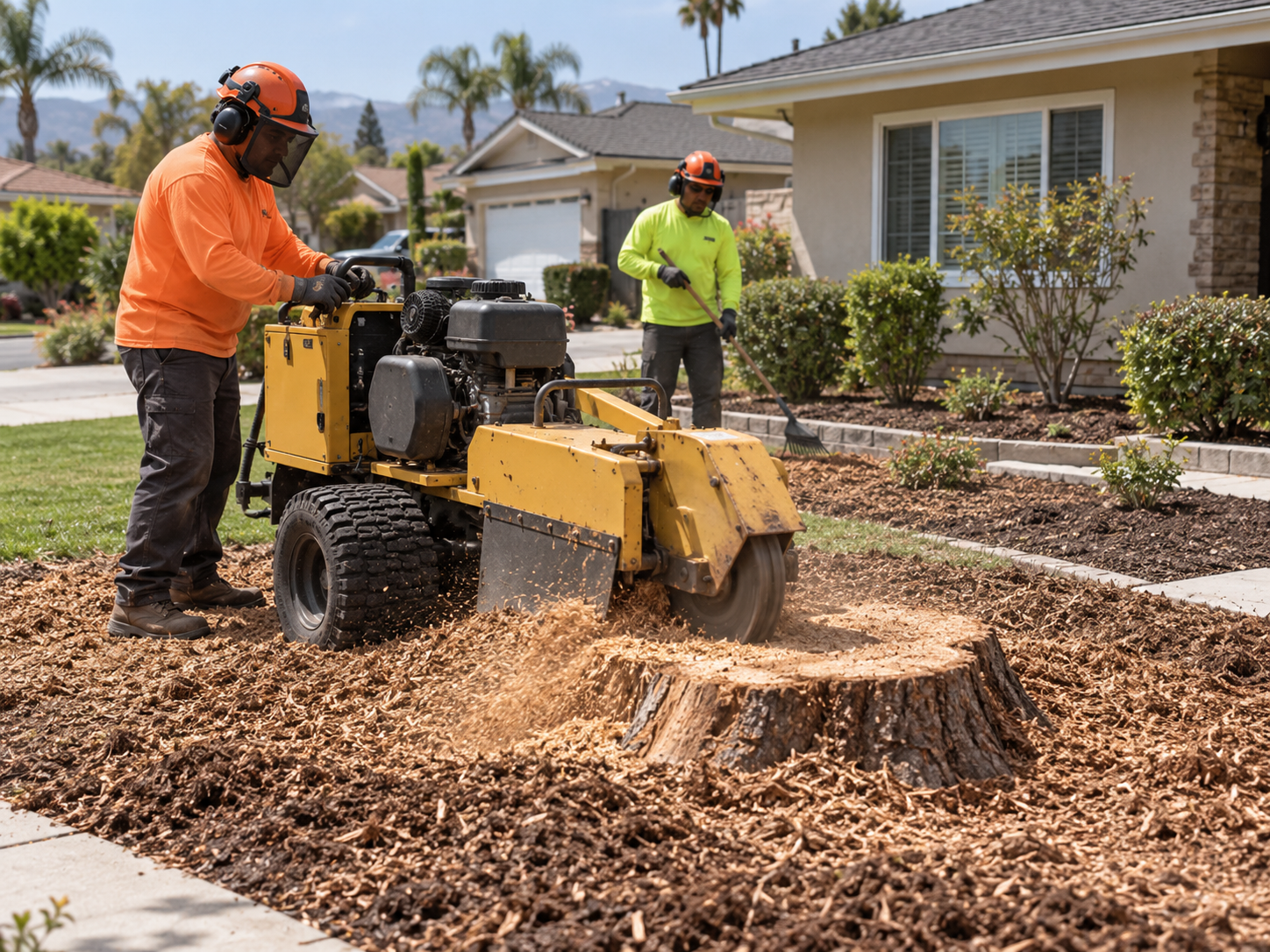
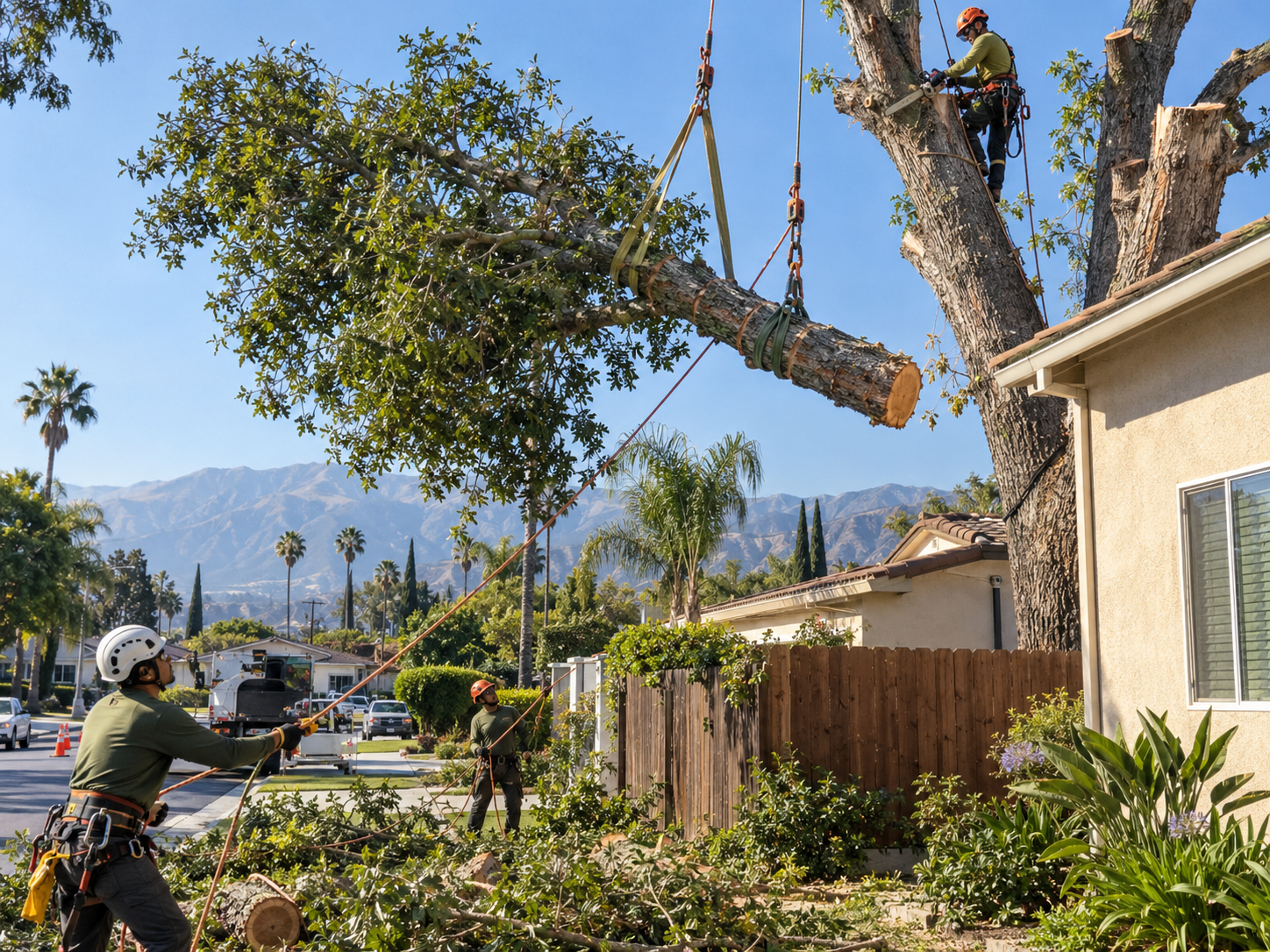
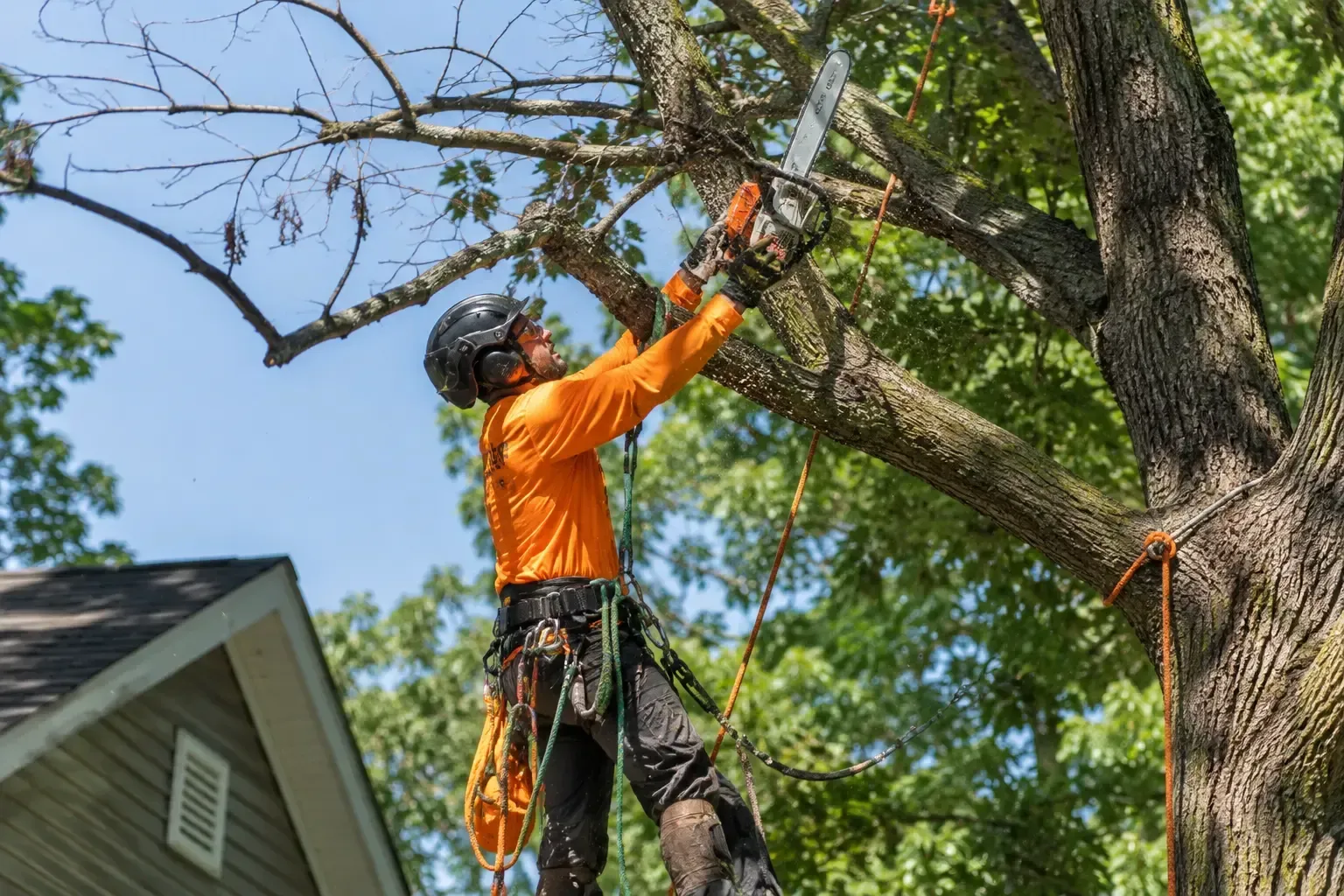
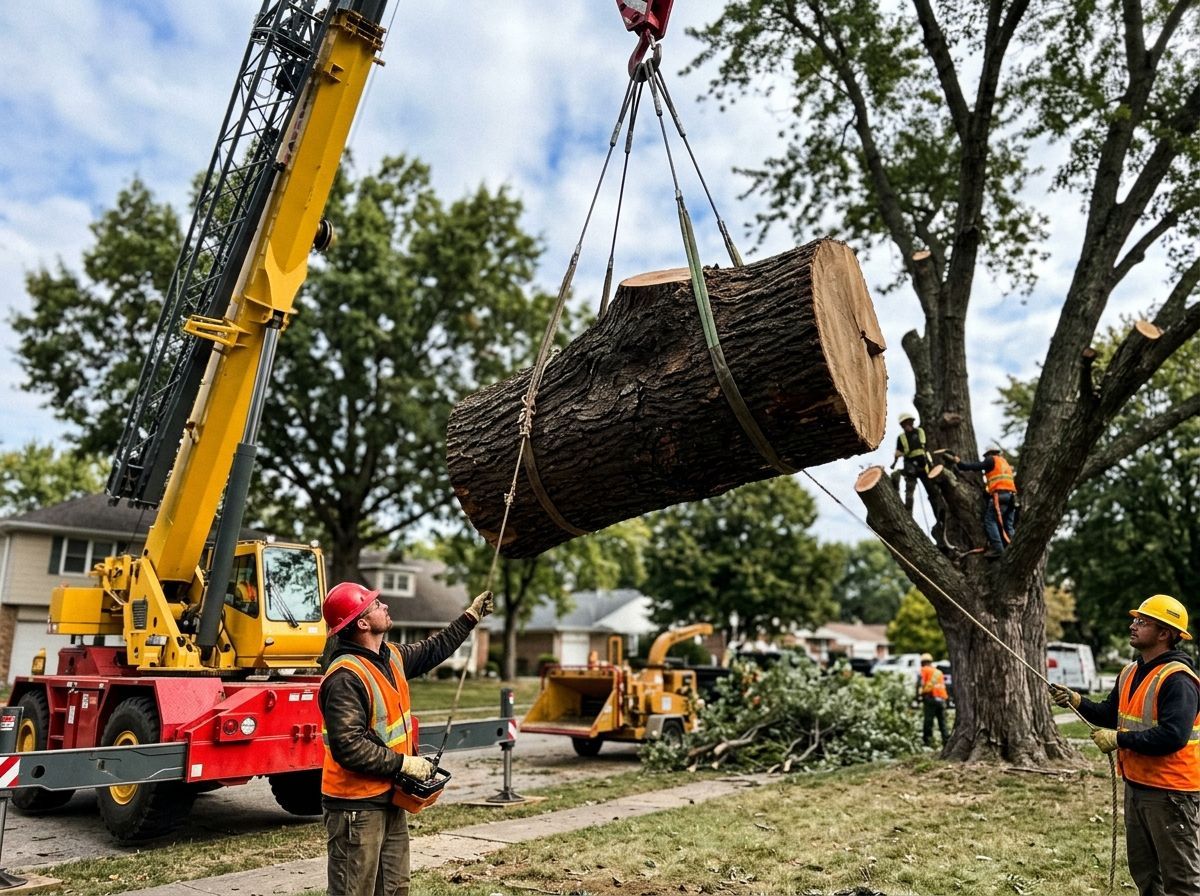
Professional tree removal is a highly technical operation. It requires strategic rope rigging, precise directional cutting techniques, and comprehensive safety protocols. Certified removal experts utilize cranes, bucket trucks, and specialized lowering devices to safely dismantle compromised timber piece by piece. This systematic approach allows crews to operate in exceptionally tight residential spaces without causing collateral damage to adjacent landscaping, power lines, or architectural structures.
Securing Your Landscape Safely
Protecting your real estate investments from the severe hazards of falling timber requires decisive, informed action. Conducting regular visual landscape inspections allows you to identify biological decay long before it escalates into a physical crisis. If you notice advanced peeling bark, concentrated fungal growth, or an unexplained sudden lean, do not wait for the next severe wind event to test the stability of the wood.
Reach out to the specialists at Tree Service Perfection West Covina to thoroughly evaluate your property boundaries. You can easily contact us directly at (909) 362-8885 to schedule a comprehensive structural assessment. Our highly trained and dedicated team is prepared to provide the safe, efficient, and professional removal solutions your landscape requires.
Frequently Asked Questions
How quickly does a dead tree need to be removed?
A dead trunk should be removed as soon as the biological death is confirmed. As the wood fibers dehydrate, the structural integrity decreases exponentially every month. Delaying the extraction significantly increases the risk of a sudden, unpredictable collapse, particularly during periods of high wind or heavy rainfall.
Does homeowners insurance cover the cost of removing a dead tree?
Standard homeowners insurance policies typically do not cover the preventative removal of a dead or diseased trunk if it has not yet fallen. Insurance is generally designed to cover the resulting damage if a healthy tree falls onto a covered structure due to a sudden storm event. Preventative maintenance and removal remain the financial responsibility of the property owner.
Will removing a large tree damage my lawn or driveway?
Professional removal crews utilize specialized ground protection mats, advanced rigging systems, and heavy cranes to minimize the physical impact on your property. By lowering heavy sections of timber to the ground using controlled ropes rather than letting them freefall, experts can successfully dismantle massive structures without cracking driveways or destroying the surrounding turf.