Tree Service in West Covina: The Complete Homeowner's Guide to Healthy and Safe Trees
Key Insights and Takeaways
Maintaining healthy and safe trees in West Covina requires proactive care tailored to Southern California's unique environmental challenges, including heavy winds and drought. By partnering with experienced professionals, homeowners can protect their property values, prevent structural damage, and ensure their landscapes remain vibrant year-round. Taking action before severe weather hits is the most effective strategy for long-term landscape success.
- Routine pruning improves canopy airflow and drastically reduces the risk of branch failure during local windstorms.
- Early identification of pests, diseases, and invasive ivy is critical to saving mature trees from irreversible structural decay.
- Professional tree care requires specialized local knowledge to ensure safety, proper equipment usage, and strict compliance with West Covina municipal codes.
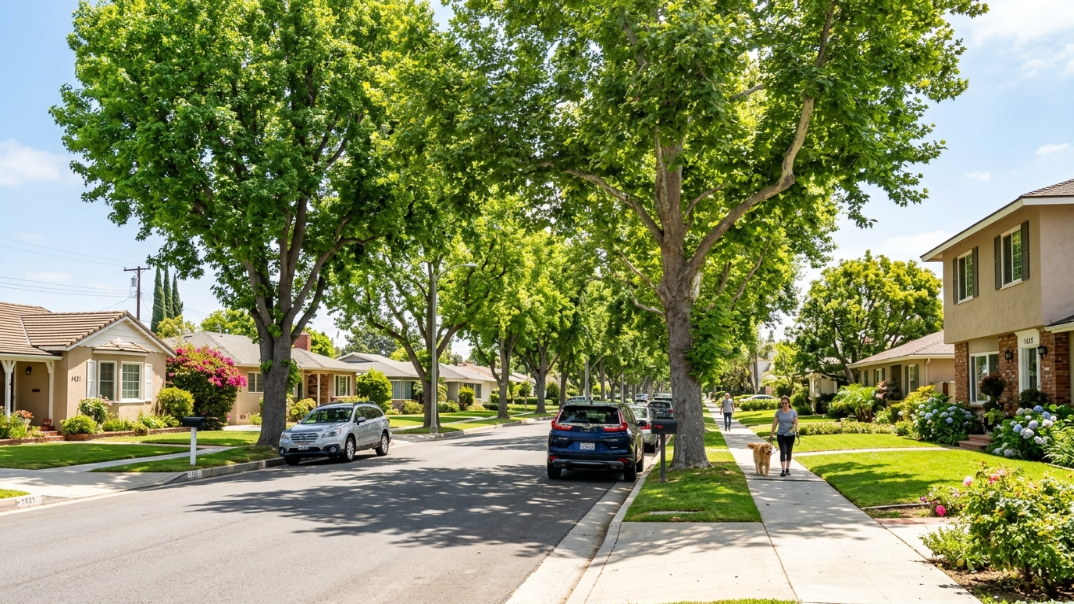
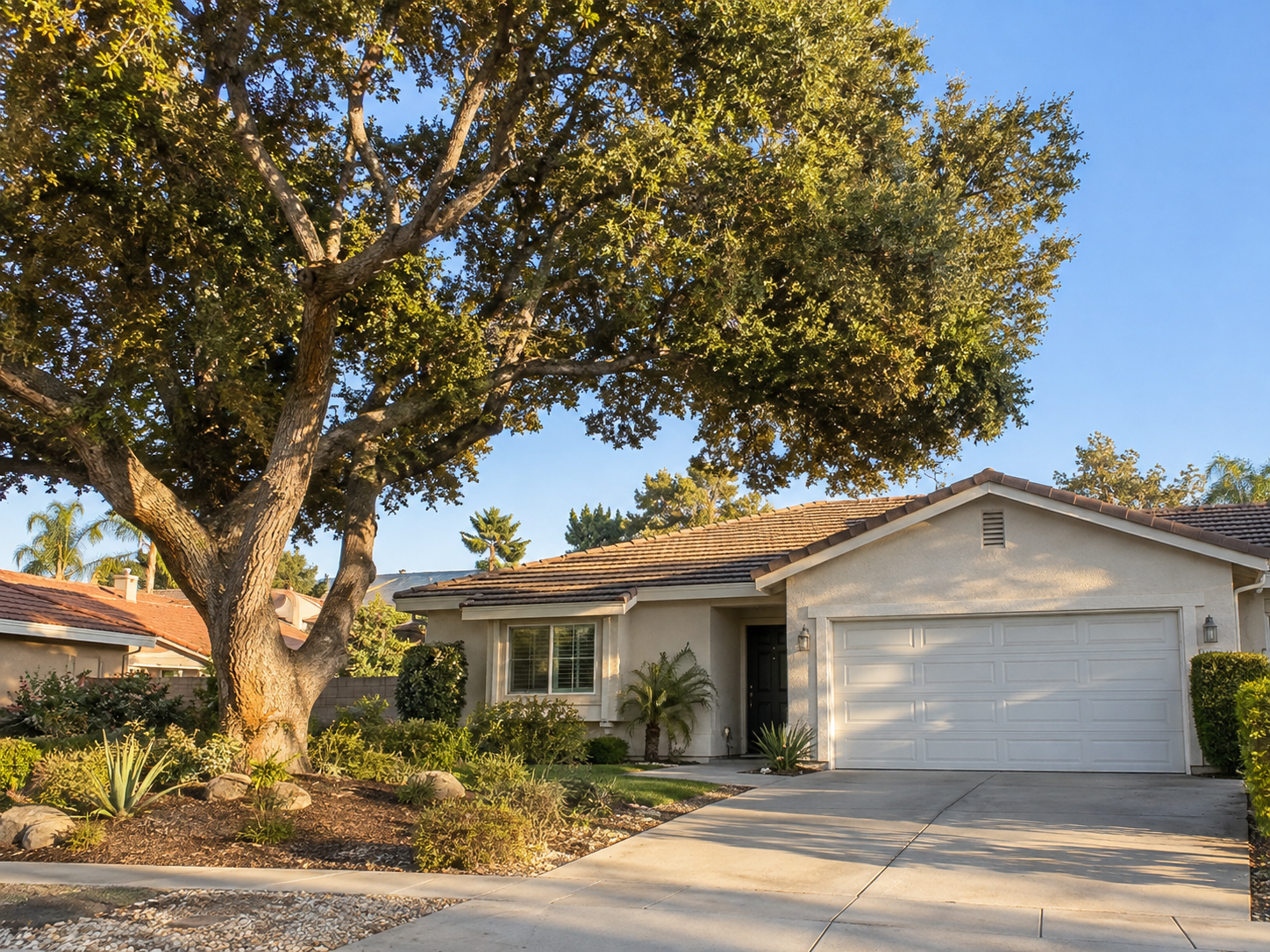
Maintaining a property in Southern California requires careful attention to the natural environment surrounding your home. For residents in the San Gabriel Valley, mature trees offer vital shade, increase property values, and improve neighborhood air quality. However, these benefits come with the responsibility of active maintenance. Neglected trees can quickly become safety hazards, especially during periods of high wind or extreme drought.
This guide provides property owners with essential knowledge to manage their landscape effectively. By partnering with the specialists at Tree Service Perfection West Covina, you can protect your investment and keep your outdoor spaces secure year-round.
The Essentials of Routine Tree Care in Southern California
Healthy trees do not happen by accident. They require deliberate management tailored to the specific soil and climate conditions of the region. West Covina experiences long, dry summers and periodic high-velocity Santa Ana winds. These environmental stressors put immense pressure on local root systems and canopy structures.
Proper hydration, mulching, and strategic pruning are the foundation of good arboriculture. Homeowners must monitor their soil moisture levels, ensuring deep watering during drought conditions rather than frequent, shallow sprinkling. This encourages roots to grow downward, creating a more stable base that is less likely to uproot during heavy storms.
Learning about the unique needs of your local flora is the first step toward long-term landscape success. You can read more about our background and dedication to local environmental standards on our about us page.
Identifying Common Threats to West Covina Urban Forests
Urban forests face a unique set of challenges that differ wildly from natural woodland areas. In residential zones, trees compete for limited root space and water resources. This competition often leads to stress, making them highly susceptible to local pests and pathogens.
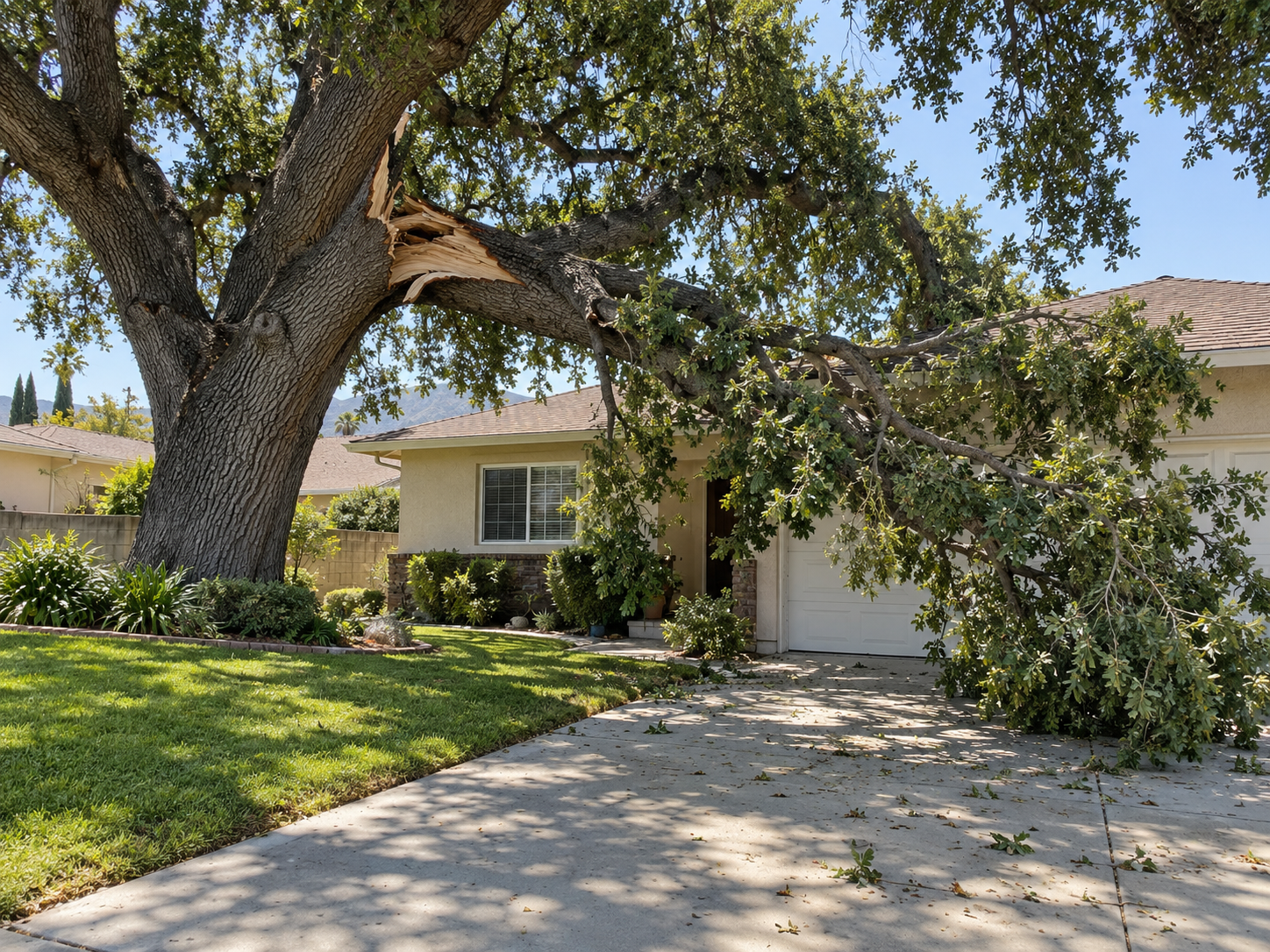
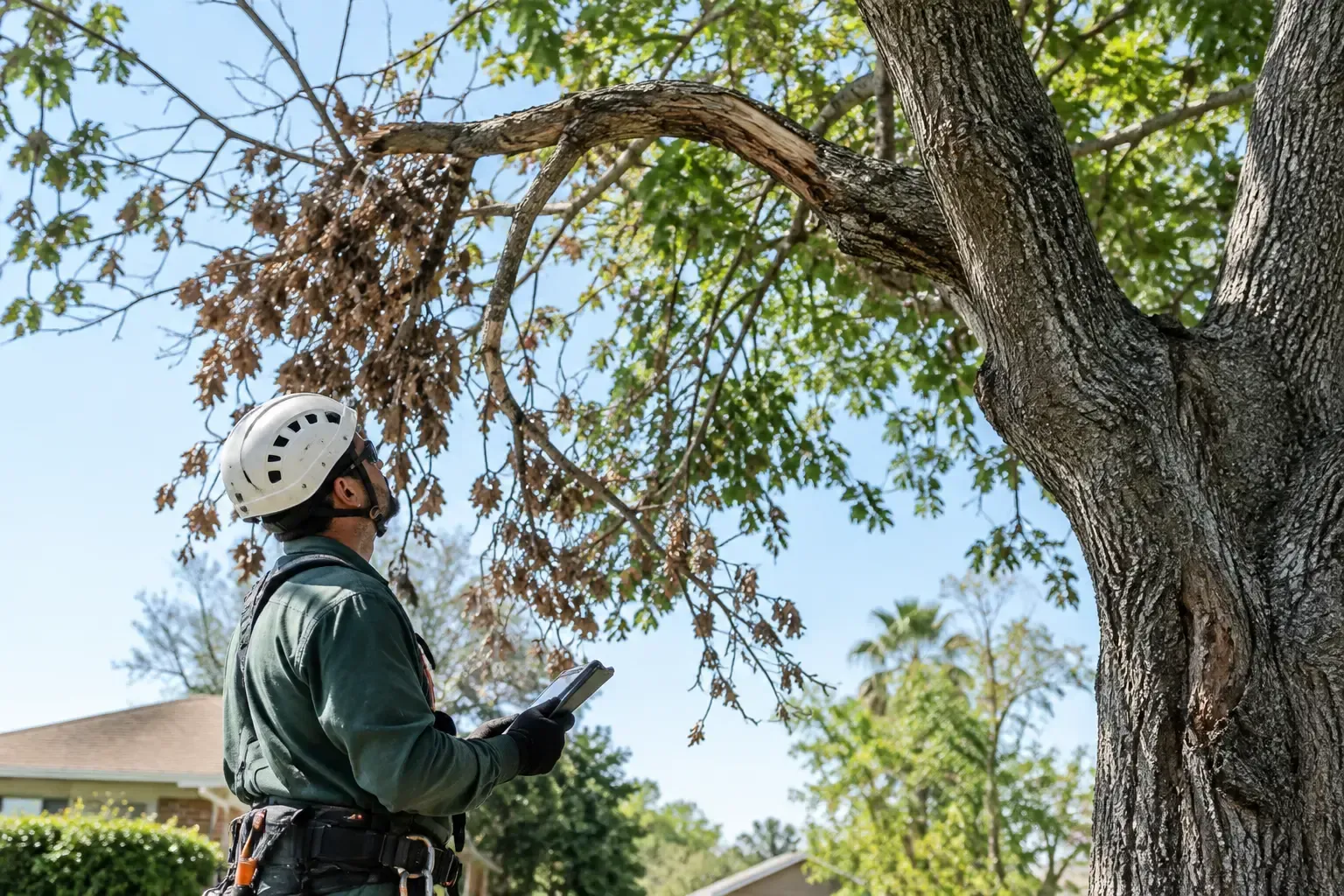
Bark beetles and fungal infections are prevalent issues in Los Angeles County. A stressed tree will exhibit clear warning signs, such as premature leaf drop, discolored foliage, or weeping sap along the trunk. Catching these symptoms early is critical. Ignoring them allows decay to spread, eventually compromising the structural integrity of the wood. When the internal structure weakens, heavy branches become immediate liabilities to nearby roofs, vehicles, and power lines.
Recognizing When You Need Expert Tree Service
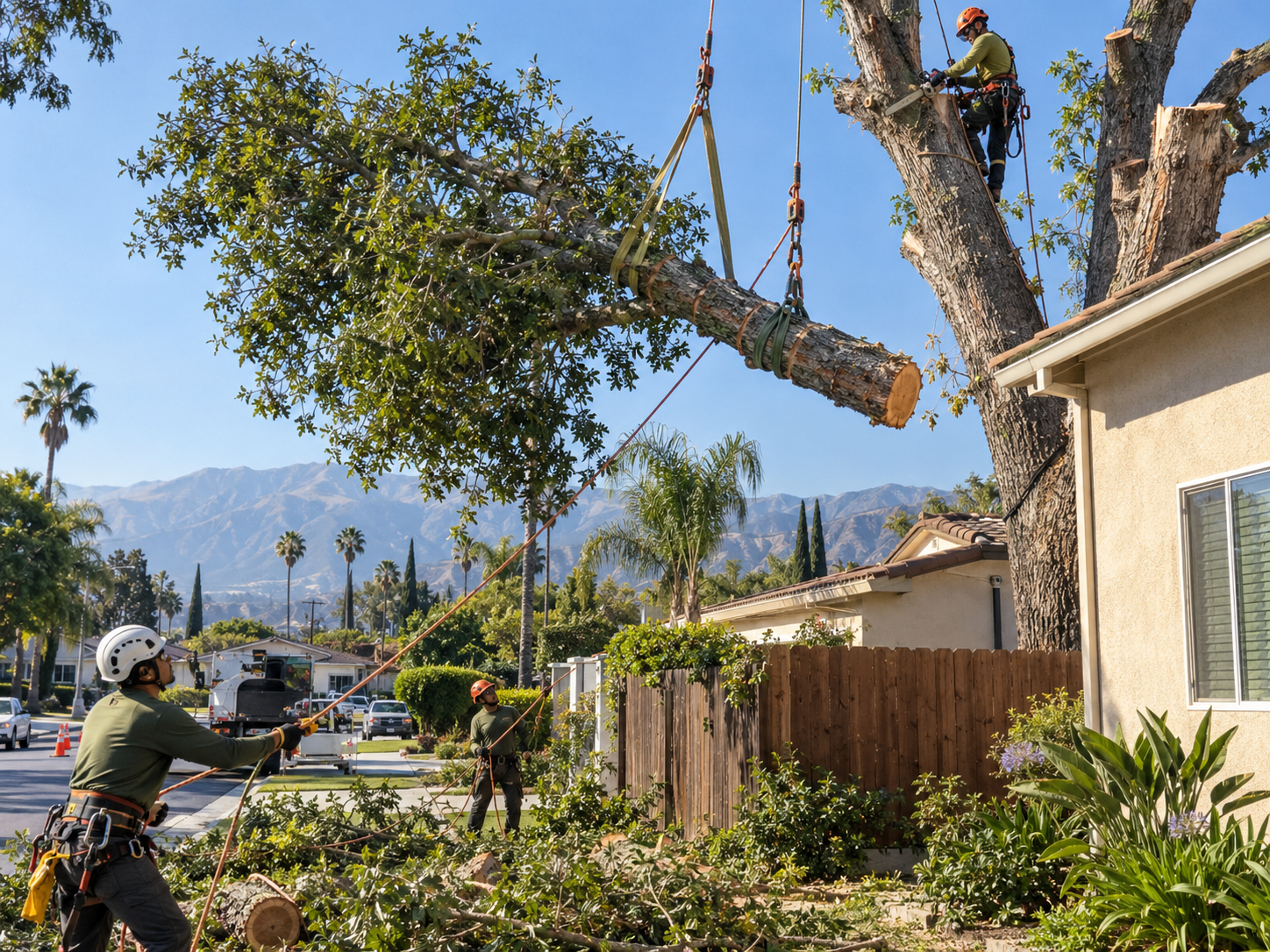
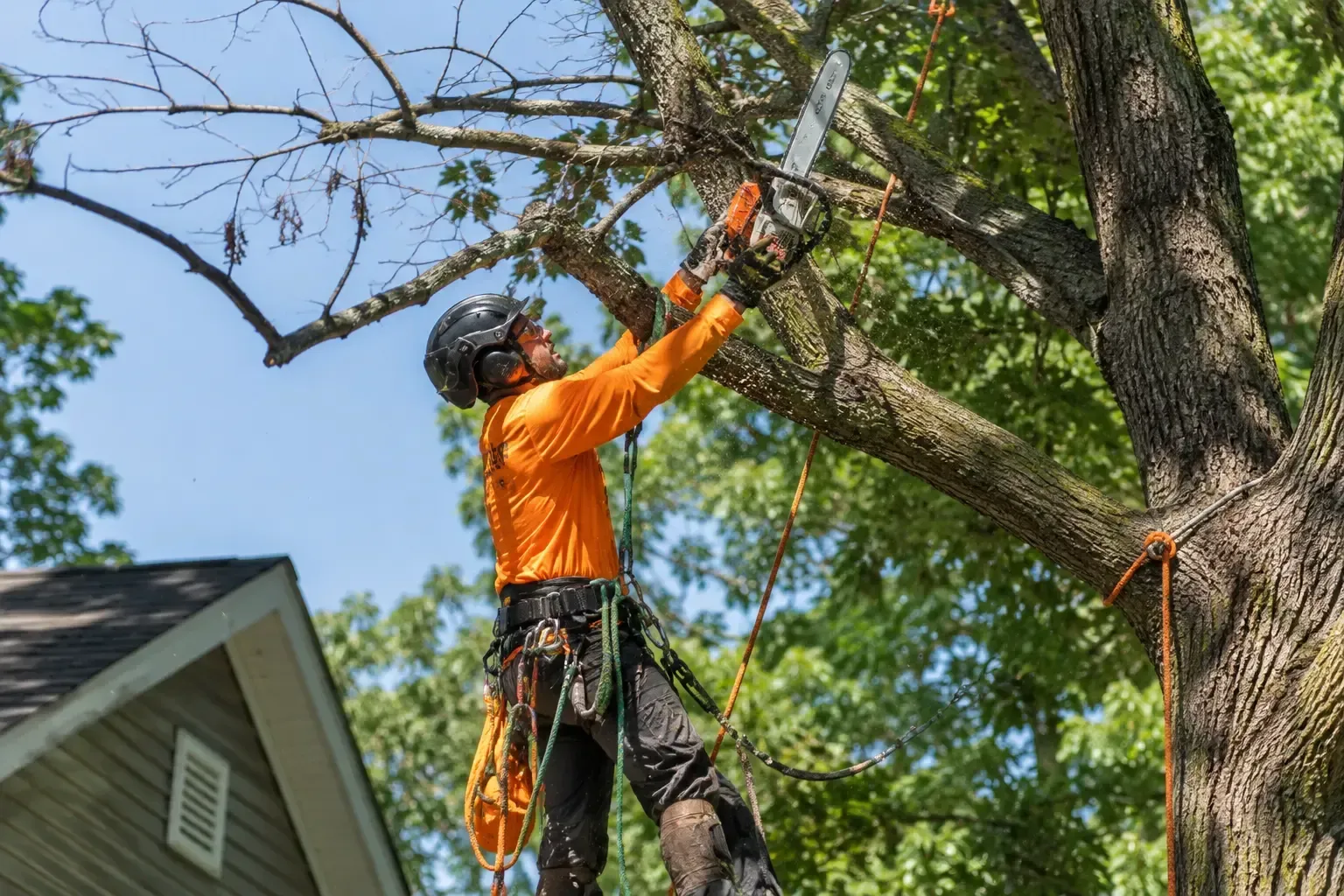
There is a distinct difference between light weekend gardening and the need for heavy-duty intervention. While homeowners can safely manage small shrubs and low-hanging twigs, working with large canopies or diseased wood requires specialized equipment and safety training.
If you notice large, dead branches hanging precariously in the upper canopy, you are looking at a serious hazard known as a widow-maker. Similarly, if a tree is leaning heavily toward a structure or showing deep cracks in its main trunk, immediate assessment is necessary. For deeper insights into recognizing critical hazards, we recommend reviewing our guide on understanding when property owners need expert tree removal in West Covina.
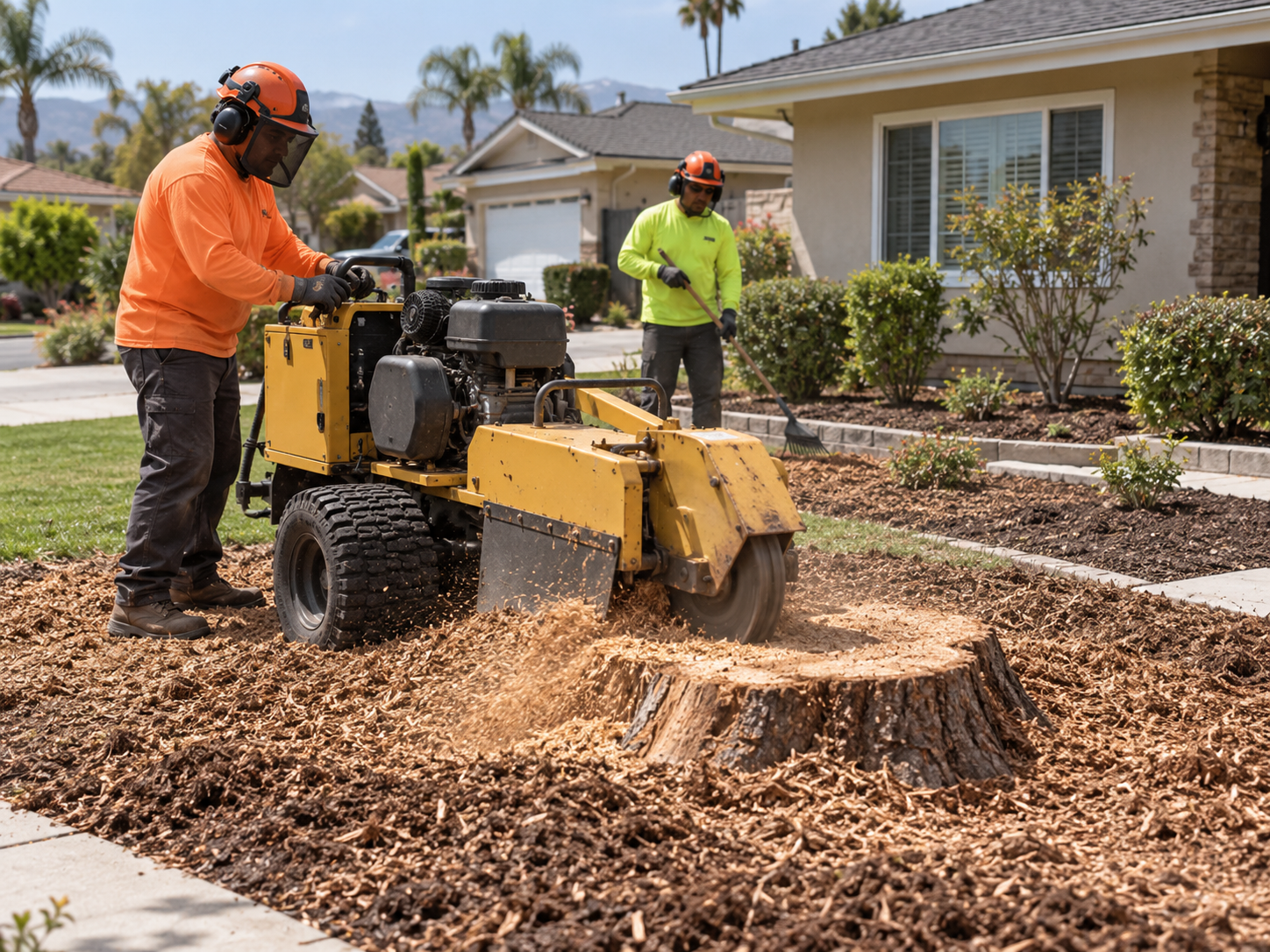
Sometimes a tree cannot be saved. Whether due to severe disease, catastrophic storm damage, or invasive root systems threatening a foundation, complete extraction becomes the only viable option. In these instances, utilizing professional tree removal ensures the job is done without causing secondary damage to your home or underground utilities.
Structural Pruning and Canopy Management
Routine pruning is about much more than visual appeal. It is a calculated process designed to improve air circulation and light penetration throughout the branches. When wind can pass smoothly through a canopy rather than pushing against a solid wall of leaves, the risk of a branch snapping is drastically reduced.
Strategic cutting also removes crossing branches that rub together. This friction creates open wounds in the bark where diseases can easily enter. Scheduling regular tree trimming maintains the ideal shape and structural balance of your landscape assets, promoting robust spring growth and long-term vitality.
Dealing with Invasive Vines
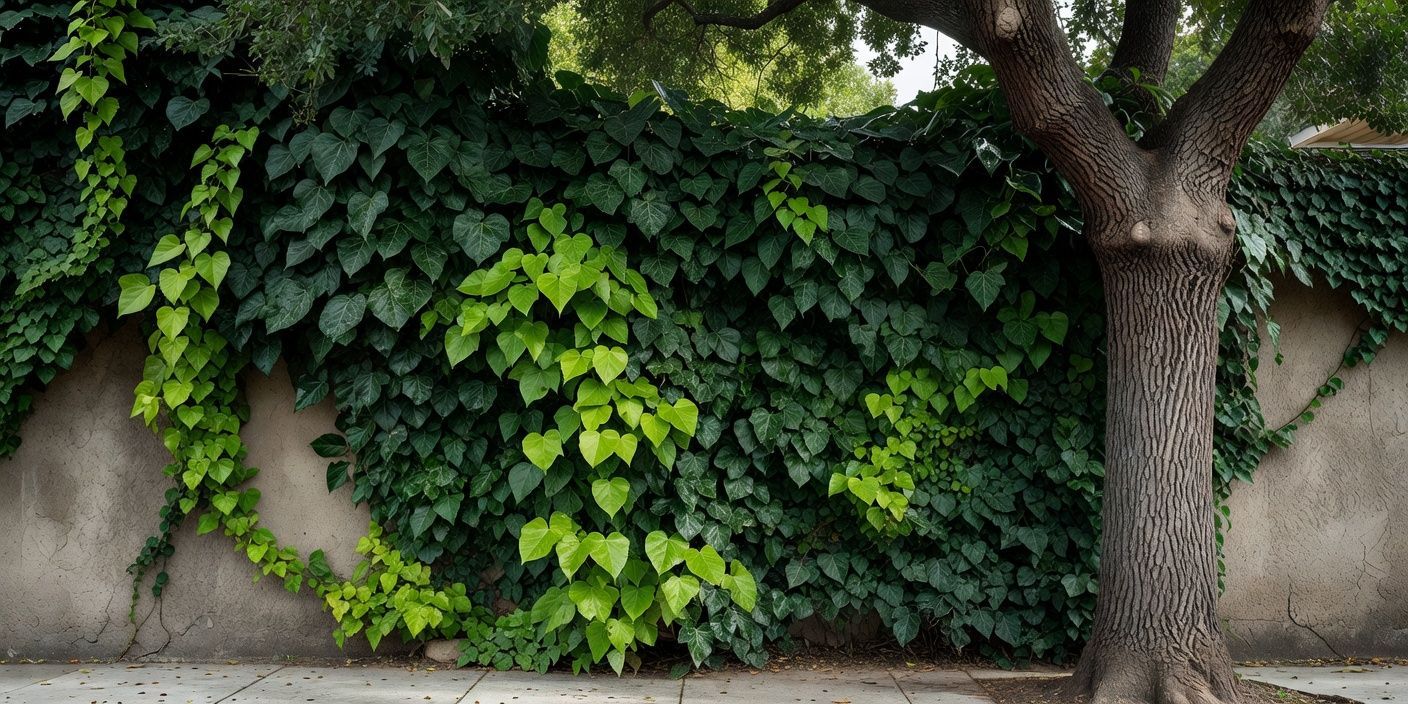
Many property owners underestimate the damage caused by climbing vines. While they might look picturesque creeping up a trunk, certain species are highly destructive. Invasive vines trap moisture against the bark, accelerating rot and creating a perfect breeding ground for destructive insects.
Furthermore, heavy vine growth competes directly with the host tree for sunlight and soil nutrients. Over time, the added weight of mature vines can pull branches down, causing fractures. Prompt
ivy removal is essential to preserve the bark and ensure the host plant receives the necessary resources to survive.
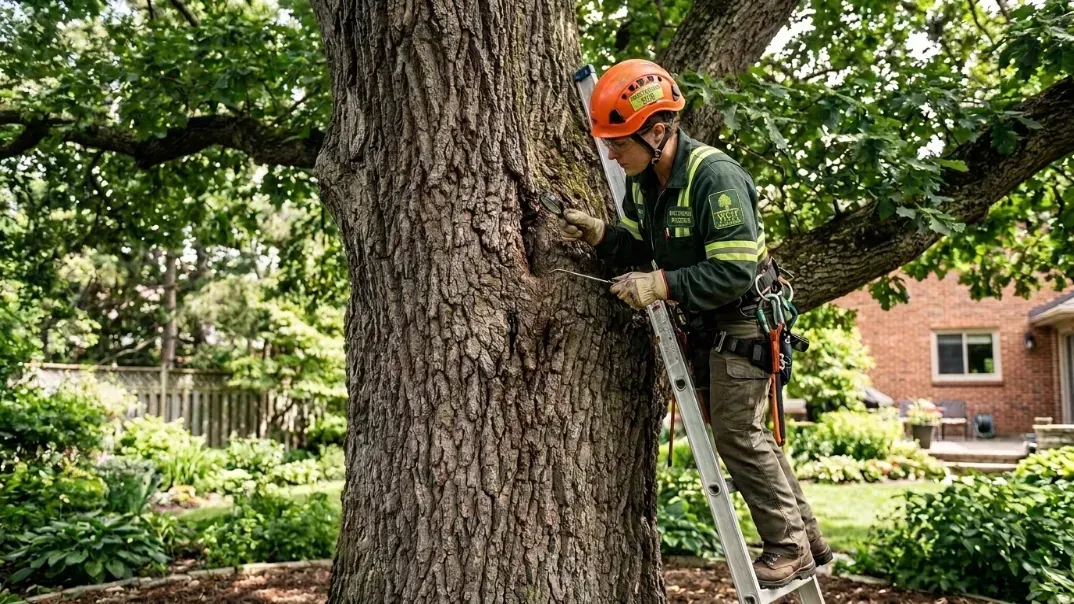
Selecting a Professional Arborist Team
Trusting someone with heavy machinery and chainsaws on your property requires confidence in their credentials. Not all landscaping companies are qualified to perform major arboricultural work. Homeowners should always verify that a company carries comprehensive liability insurance and workers' compensation. This protects you from financial liability in the rare event of an accident.
A reputable company will also possess a deep understanding of local municipal codes. West Covina, CA 91790, has specific regulations regarding the trimming and removal of certain protected species. Partnering with seasoned professionals ensures all work is fully compliant with local ordinances, preventing unexpected fines.
Securing Your Property for the Future
Proactive maintenance is the most effective way to protect your property and enhance your curb appeal. By addressing deadwood, managing invasive vines, and monitoring for pests, you create a safer environment for your family and neighbors.
Do not wait for a heavy storm to reveal the weak points in your landscape. If you have concerns about leaning trunks, heavy canopies, or suspected disease, the safest course of action is to schedule a professional evaluation. Reach out to our team via our contact us page or call us directly at (909) 362-8885 to discuss your specific property needs.
Frequently Asked Questions
How often should my trees be inspected?
Property owners should have mature trees evaluated by a professional at least once a year. Additionally, it is highly recommended to schedule an inspection immediately following any major storm or high-wind event to check for hidden structural damage.
Are permits required for tree work in West Covina?
Yes, certain types of work require municipal permits. The City of West Covina has specific ordinances protecting designated heritage trees and species planted in the public right-of-way. A qualified local company will help you navigate these regulations before beginning any major cutting or extraction.
What is the best time of year to prune trees?
For the majority of species in Southern California, late winter or early spring is the optimal time for pruning. The trees are typically dormant during this period, which minimizes stress and sap loss while allowing the wounds to heal rapidly as spring growth begins.