Tree Care Specialist Guide: 10 Signs Your Trees Need Professional Care Before It's Too Late
Key Insights and Takeaways
Protecting your West Covina property requires vigilance and a basic understanding of tree biology. By recognizing the early warning signs of canopy dieback, trunk decay, and root instability, homeowners can prevent catastrophic property damage before it happens. Timely professional intervention is the safest and most cost-effective way to manage failing trees.
- Sudden leaning or soil heaving at the base of a tree requires immediate emergency intervention to prevent an imminent collapse.
- Peeling bark, deep cavities, and fungal growth on the trunk are prime indicators of severe internal decay.
- Proactive, seasonal pruning removes dangerous deadwood and promotes better long-term health for your landscape.
Trees are towering assets that provide shade, aesthetic appeal, and elevated property values for homes across West Covina, CA 91790. They are also complex living organisms susceptible to disease, severe pest infestations, and structural failure. The Southern California climate regularly subjects local vegetation to periods of intense drought followed by heavy winter rains. These extremes stress root systems and expose hidden structural weaknesses in mature greenery.
Identifying early warning signs is the primary difference between saving a beloved oak and facing catastrophic property damage. Relying on a reputable tree specialist guarantees that your property remains safe and visually appealing year-round. If you want to understand exactly who is managing your landscape, take a moment to learn about our local expertise at Tree Service Perfection West Covina.
Knowing what to look for can save you thousands of dollars in emergency repairs. Here are ten critical signs that your trees are failing.
Visual Indicators in the Canopy
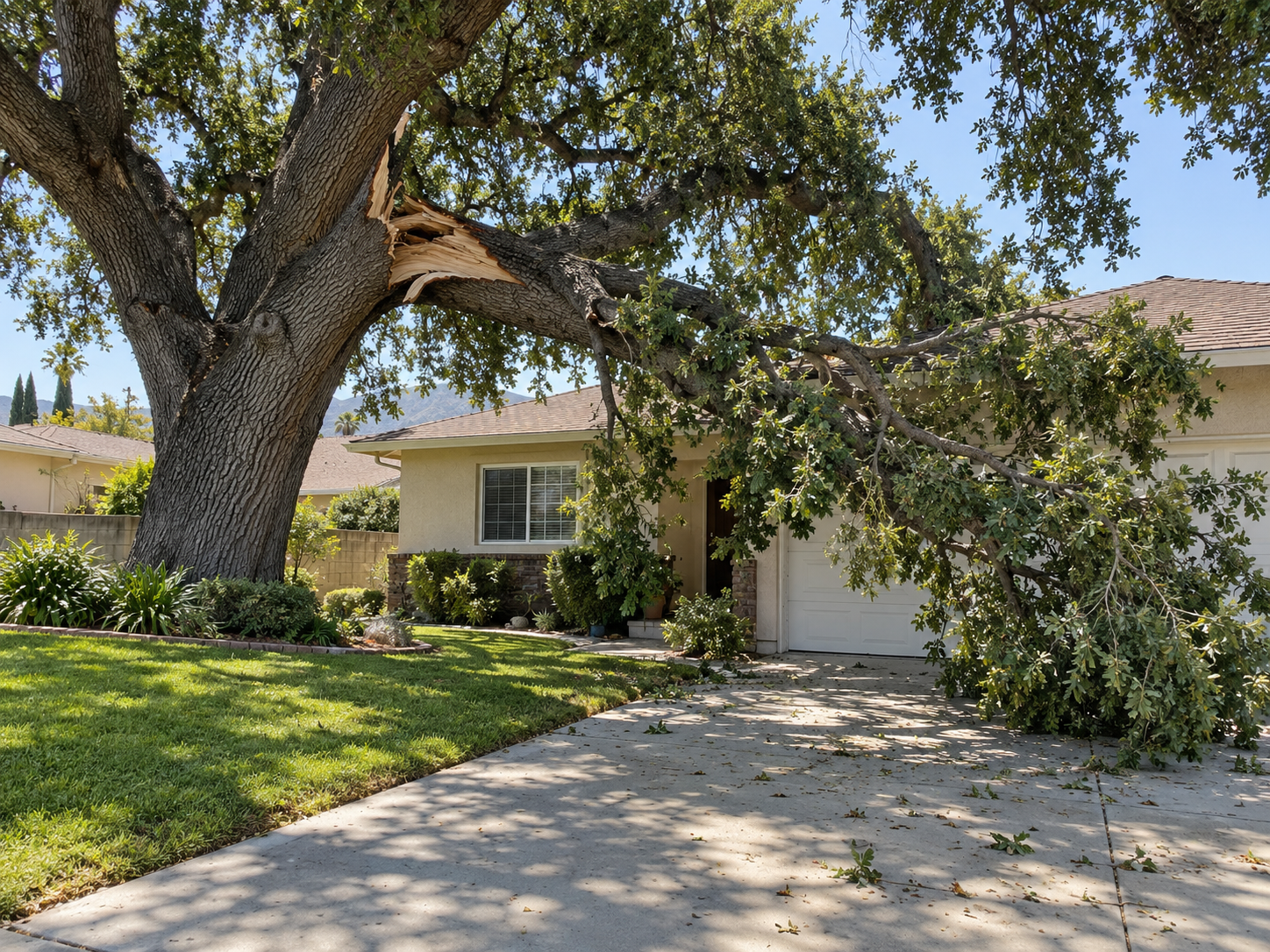
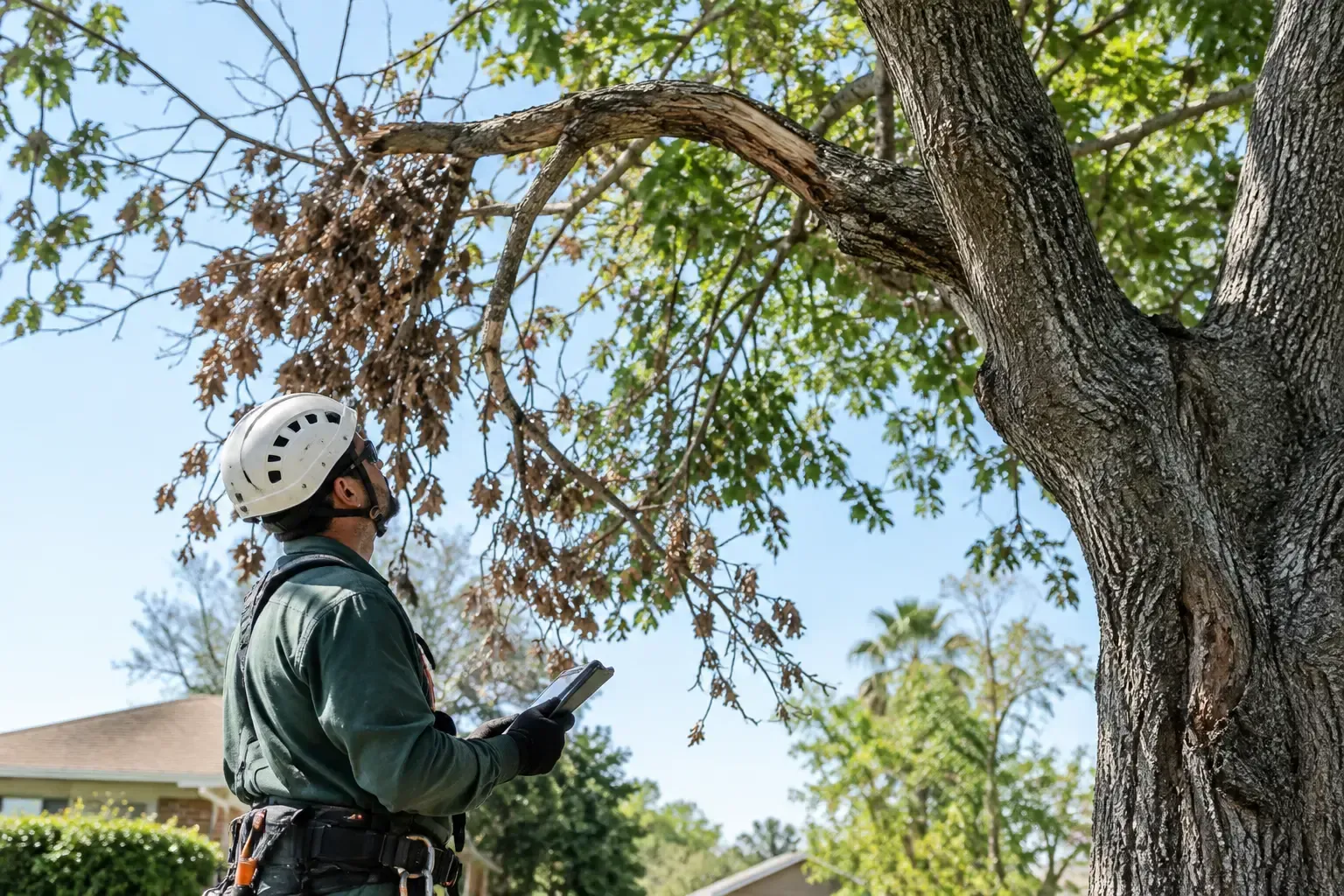
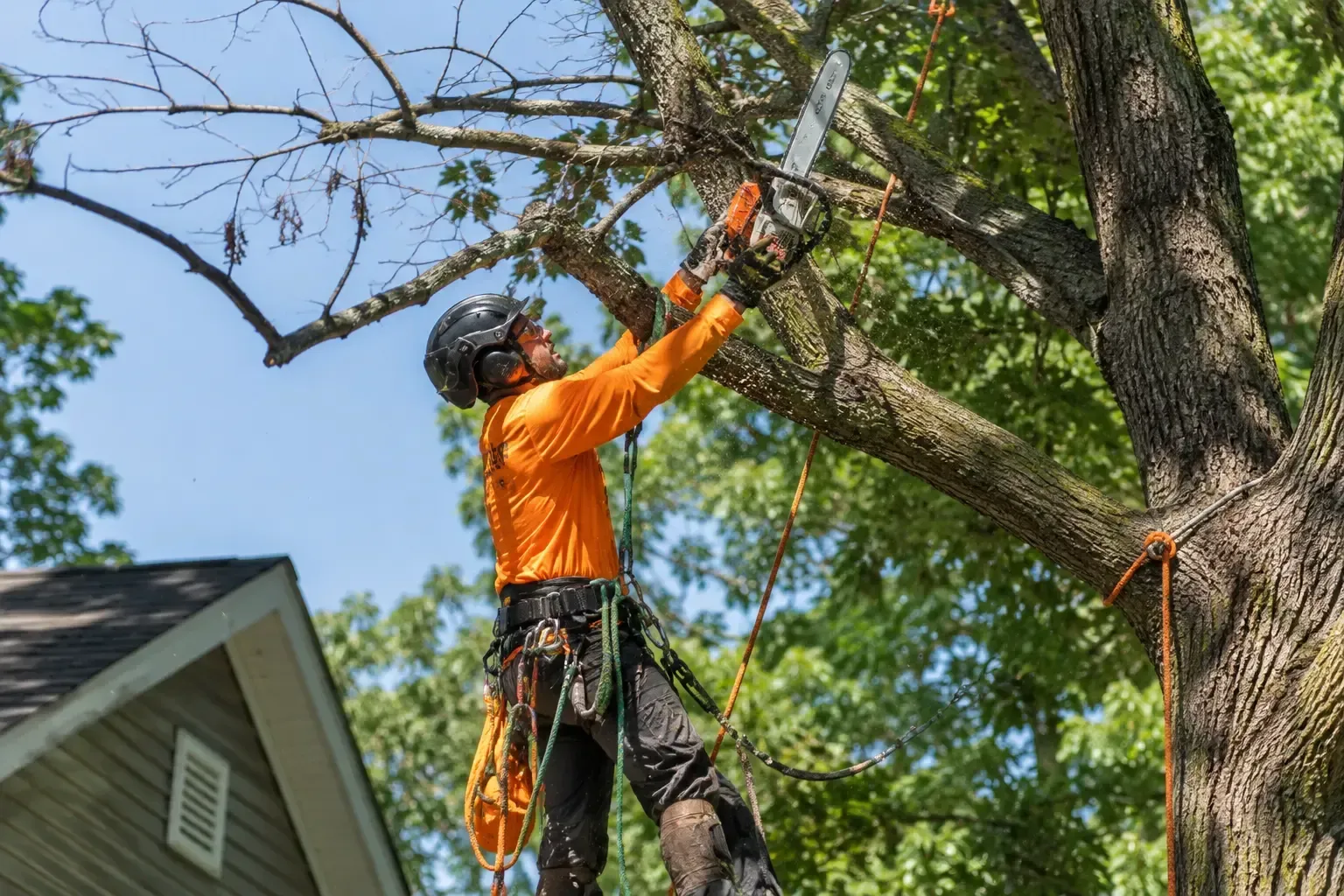
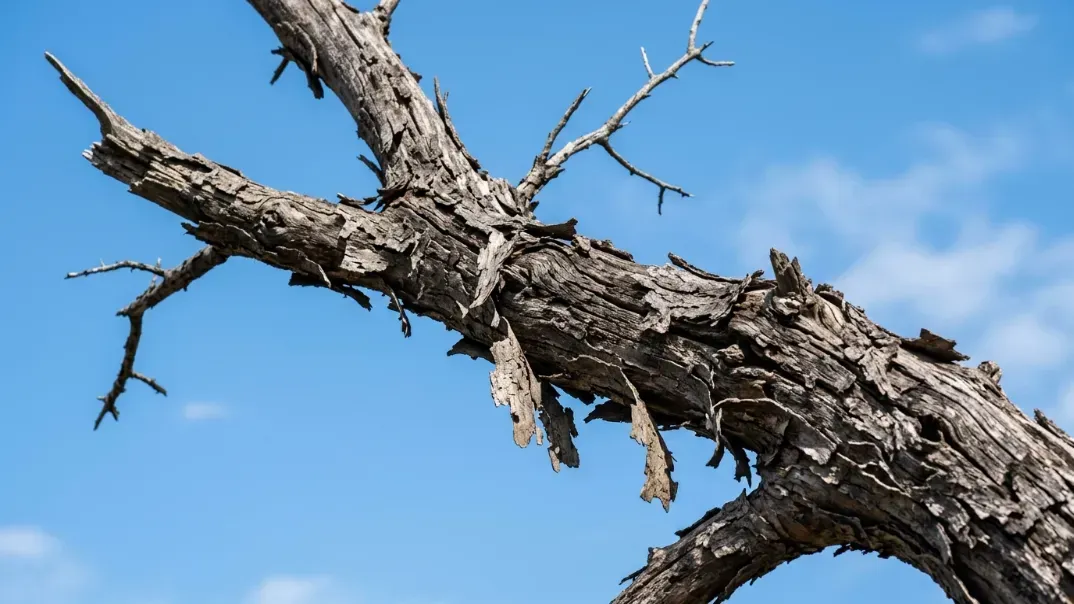
1. Dead or Hanging Branches Deadwood is a major liability for any homeowner. Branches that lack foliage, have brittle bark, or are actively hanging by a splintered connection pose an immediate threat to anyone walking below. These broken limbs, often referred to as widow-makers by professionals, can fall at any moment with the slightest gust of wind. Scheduling proactive routine tree trimming mitigates this risk by removing overhead hazards before a severe storm hits the region.
2. Sparse Foliage During Growing Seasons A healthy tree should boast a full, vibrant canopy during the spring and summer months. If you notice bare patches, unusually undersized leaves, or severe thinning at the crown, the tree is under immense stress. This lack of growth often stems from severe nutrient deficiencies, compacted soil, or advancing root rot.
3. Premature Leaf Drop Deciduous trees naturally shed their leaves in the autumn. If your trees are losing substantial amounts of leaves in July or August, they are likely attempting to conserve energy due to a severe underlying health problem. This defensive mechanism requires an immediate professional evaluation to diagnose the specific environmental stressor or disease.
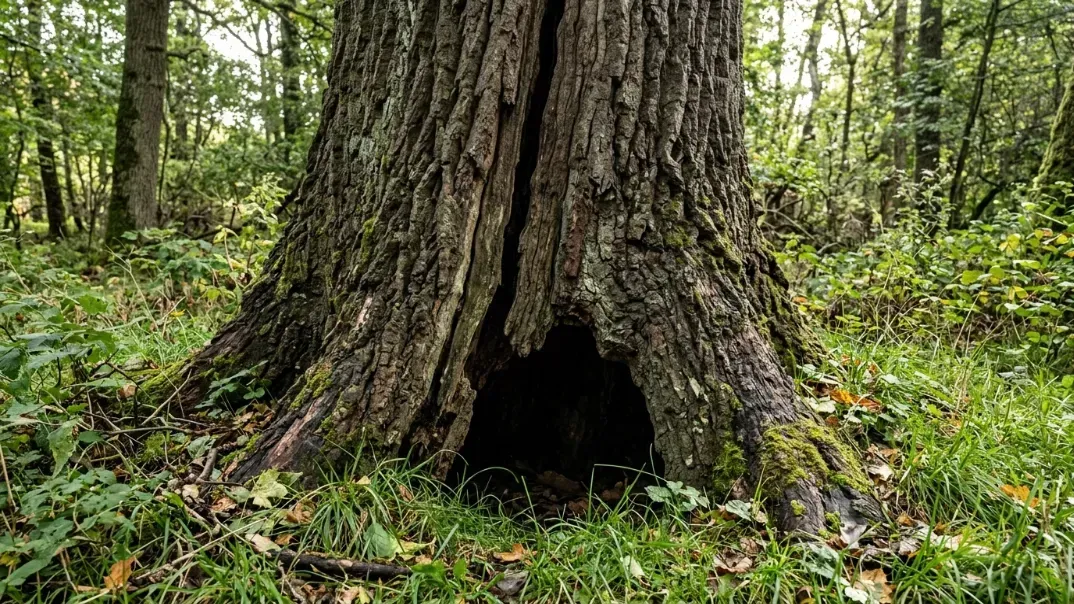
Identifying Trunk and Bark Abnormalities
4. Deep Cracks and Cavities Minor surface cracks on the outer bark are perfectly normal as a tree expands. However, deep vertical splits that penetrate the inner wood compromise the entire structural integrity of the organism. Large cavities hollow out the trunk over time, leaving the tree dangerously weak and highly prone to snapping in half during high-wind events.
5. Peeling or Sloughing Bark Bark serves as the protective outer skin of a tree. When a tree sheds large sections of bark without generating new layers underneath, the exposed inner wood becomes highly vulnerable to boring insects and harsh weather. This sloughing is a strong indicator that the internal nutrient transport system, known as the cambium layer, is rapidly failing.
6. Fungal Growth and Mushrooms The sudden appearance of mushrooms, conks, or shelf brackets around the base or directly on the trunk signals aggressive internal decay. Fungi feed on dead and rotting wood. By the time these mushrooms appear externally, a significant portion of the interior trunk structure may already be compromised by heart rot.
Root and Soil Warning Signs
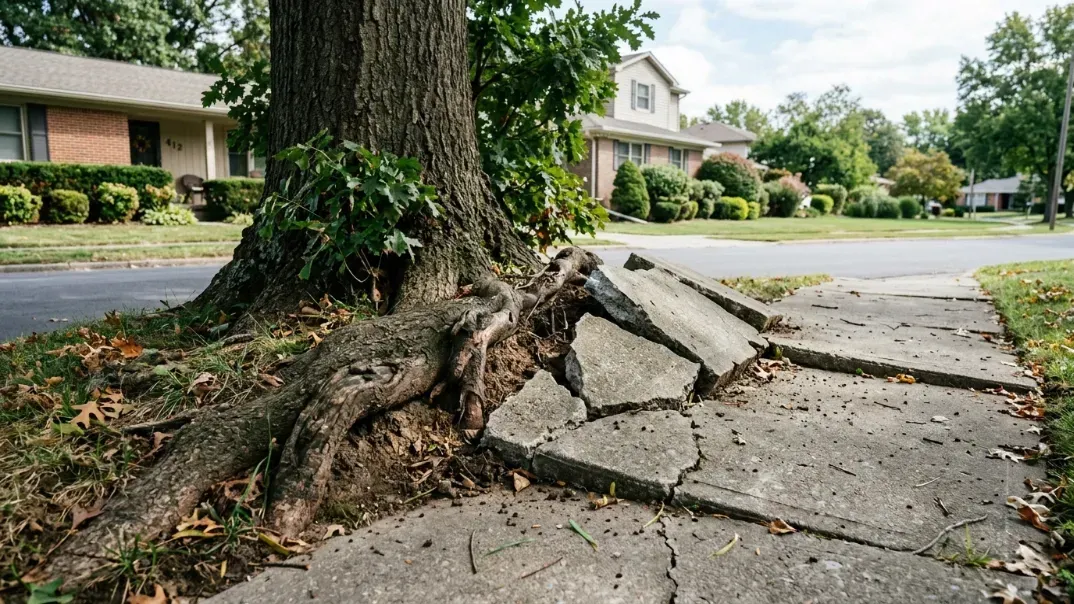
7. Soil Heaving Near the Base If the ground around the base of the tree is suddenly pushed up on one side, the root system is failing to anchor the massive structure above. Soil heaving happens when the tree begins to lean heavily, pulling the structural roots upward. This visual cue often precedes a complete uprooting event and requires immediate tree care intervention to prevent a collapse onto your home.
8. Visible Root Decay Roots severed by recent construction, damaged by landscaping equipment, or rotting from poor yard drainage destabilize the entire organism. Soft, mushy, or brittle roots visible at the surface indicate that the foundational support is deteriorating. Without a healthy root system, the tree cannot absorb necessary water or remain upright.
Structural Issues Requiring Professional Tree Services
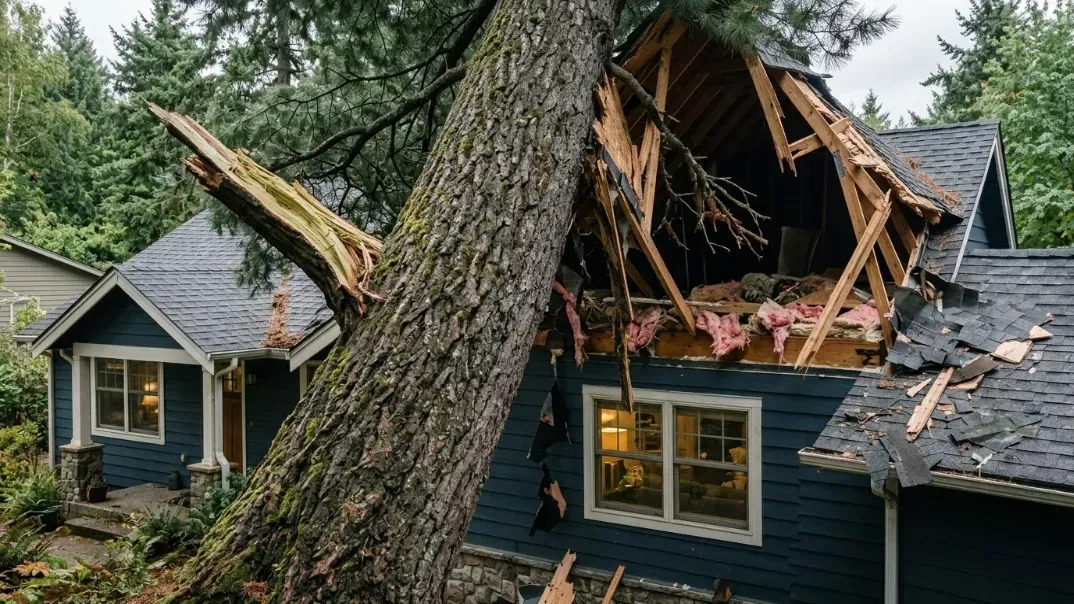
9. Sudden Leaning Trees that naturally grow at a slight angle adapt their weight distribution over time. Conversely, a tree that develops a sudden and severe lean after a heavy rainstorm or wind event is experiencing active root failure. The surrounding soil has lost its grip. This dangerous situation usually calls for urgent emergency tree removal to protect surrounding homes, fences, and parked vehicles.
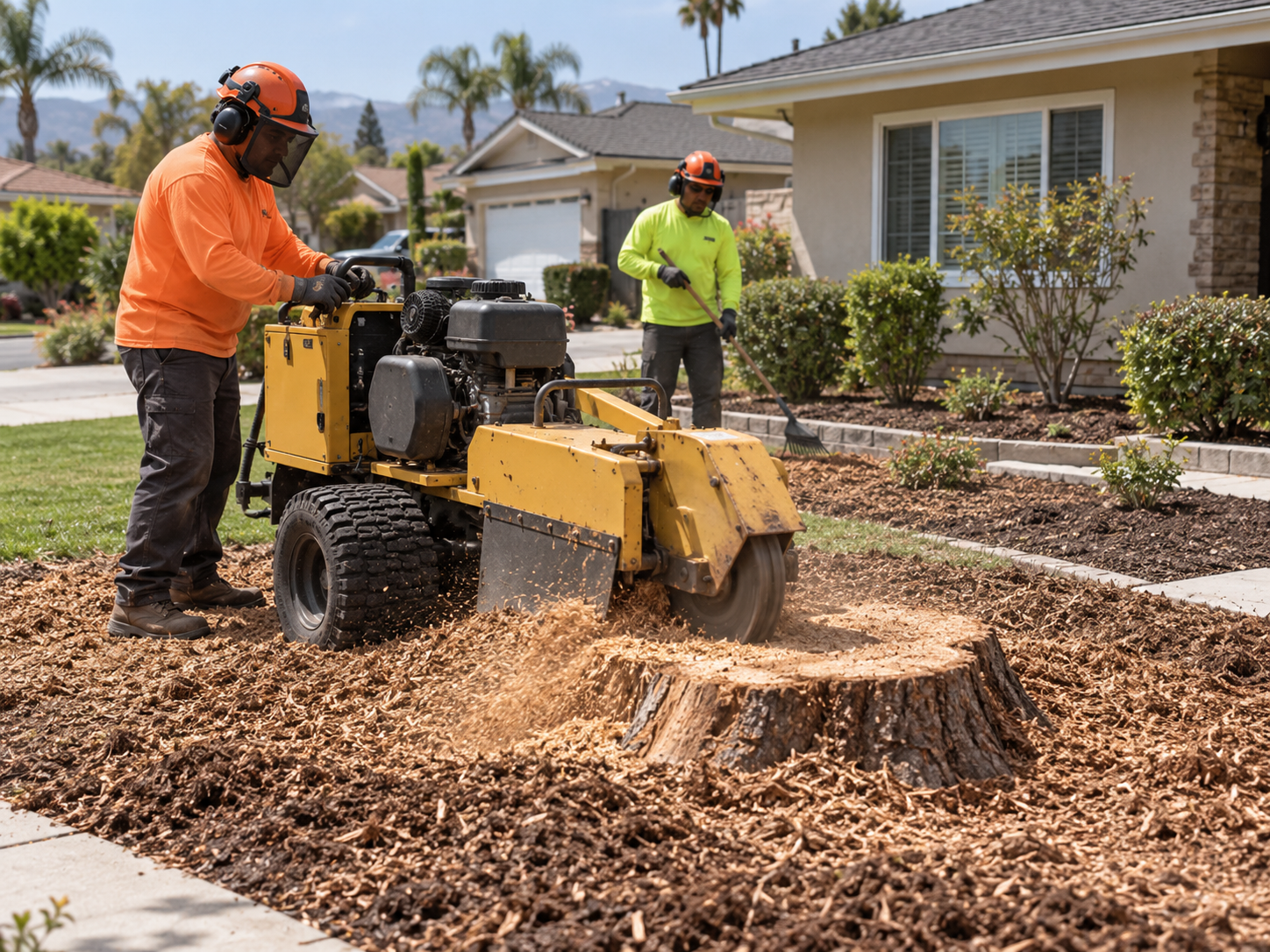
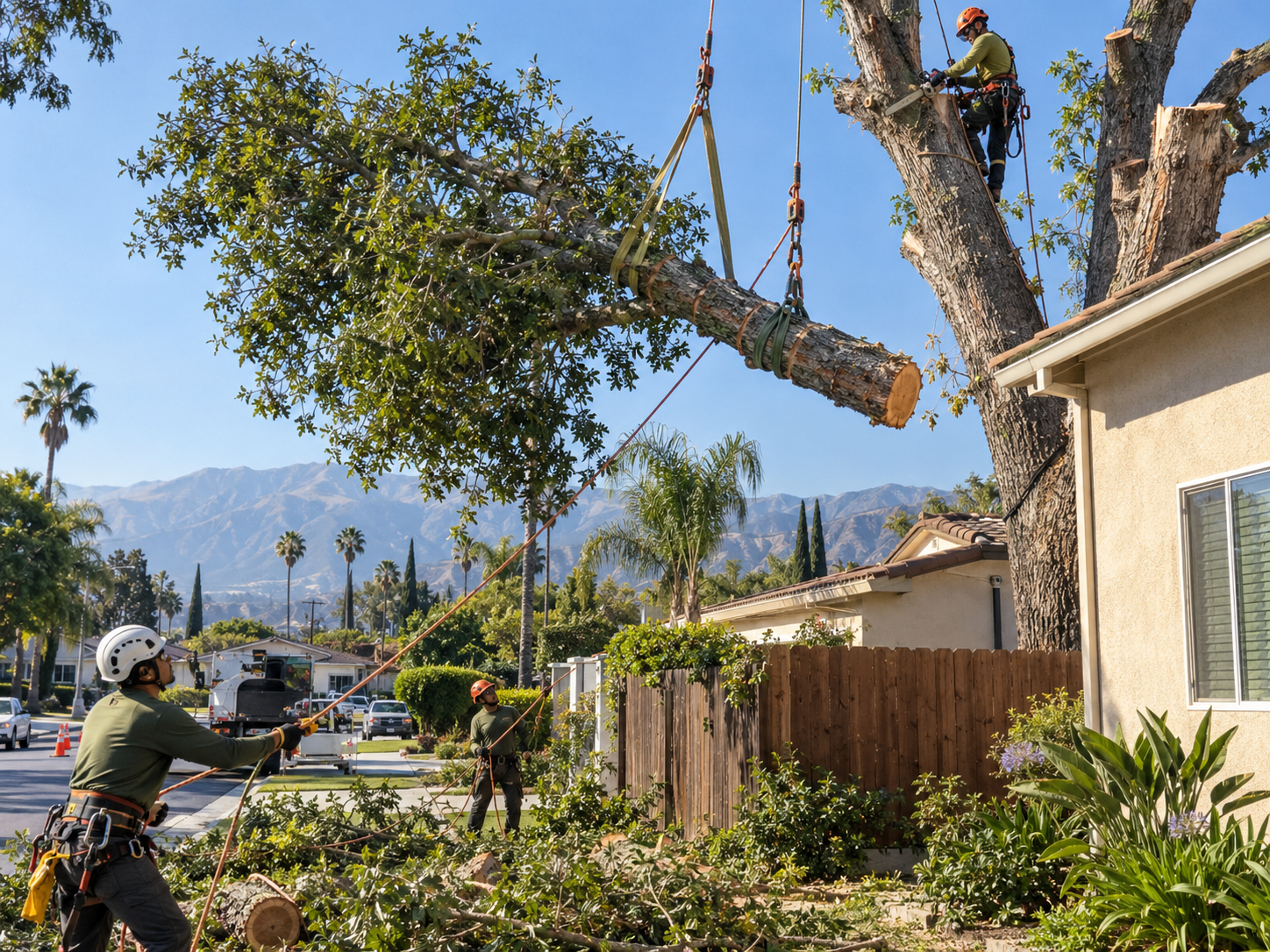
10. Proximity to Power Lines or Structures Branches encroaching on active power lines or physically resting on your roof pose a severe fire hazard and invite mechanical damage to your shingles. Dealing with heavy timber in incredibly tight spaces requires technical rigging, specialized equipment, and extensive safety training. Trusting certified professionals for safe tree removal ensures the overhead hazard is eliminated without harming your property.
Proper tree care is a year-round commitment that requires vigilance. To dive deeper into localized maintenance strategies for Southern California properties, we highly recommend reading our complete homeowner's guide to healthy and safe trees.
Do not wait until a heavy branch crashes through your living room window to take action. If you spot any of these ten warning signs on your property, you need a certified evaluation immediately. Contact Tree Service Perfection West Covina directly at (909) 362-8885 or contact us immediately to secure your property today.
Frequently Asked Questions
How often should I schedule a professional tree inspection?
We recommend having your mature trees inspected by a professional at least once a year. Trees showing early signs of stress or those located close to your home should also be evaluated immediately following any major storm event or high winds.
Can a tree with a hollow trunk be saved?
A hollow trunk does not automatically dictate that a tree must be removed. The remaining healthy outer wood can sometimes continue to support the structure for years. A detailed professional assessment is necessary to determine the exact risk level and structural viability.
What is the best time of year for major pruning?
Late winter or early spring is generally the optimal time for major pruning. The trees are fully dormant during this window. Pruning during dormancy minimizes sap loss, stimulates healthy spring growth, and significantly reduces the risk of insect infestations at the site of the pruning cuts.