Tree Service Near West Covina: Helping Local Trees Thrive in Southern California
Maintaining healthy, structurally sound trees is a vital component of protecting property value and ensuring safety in West Covina. Professional arboriculture goes far beyond simple aesthetics, providing critical interventions that mitigate storm damage, prevent pest infestations, and remove dangerous liability risks. By partnering with licensed and fully insured local experts, homeowners and property managers can preserve their landscape investments for decades to come.
* Regular pruning prevents costly roof damage and reduces the risk of branch failure during severe weather.
* Different tree species require specific maintenance schedules and watering habits to survive the local climate.
* Hiring licensed and insured professionals protects property owners from immense legal and financial liabilities.
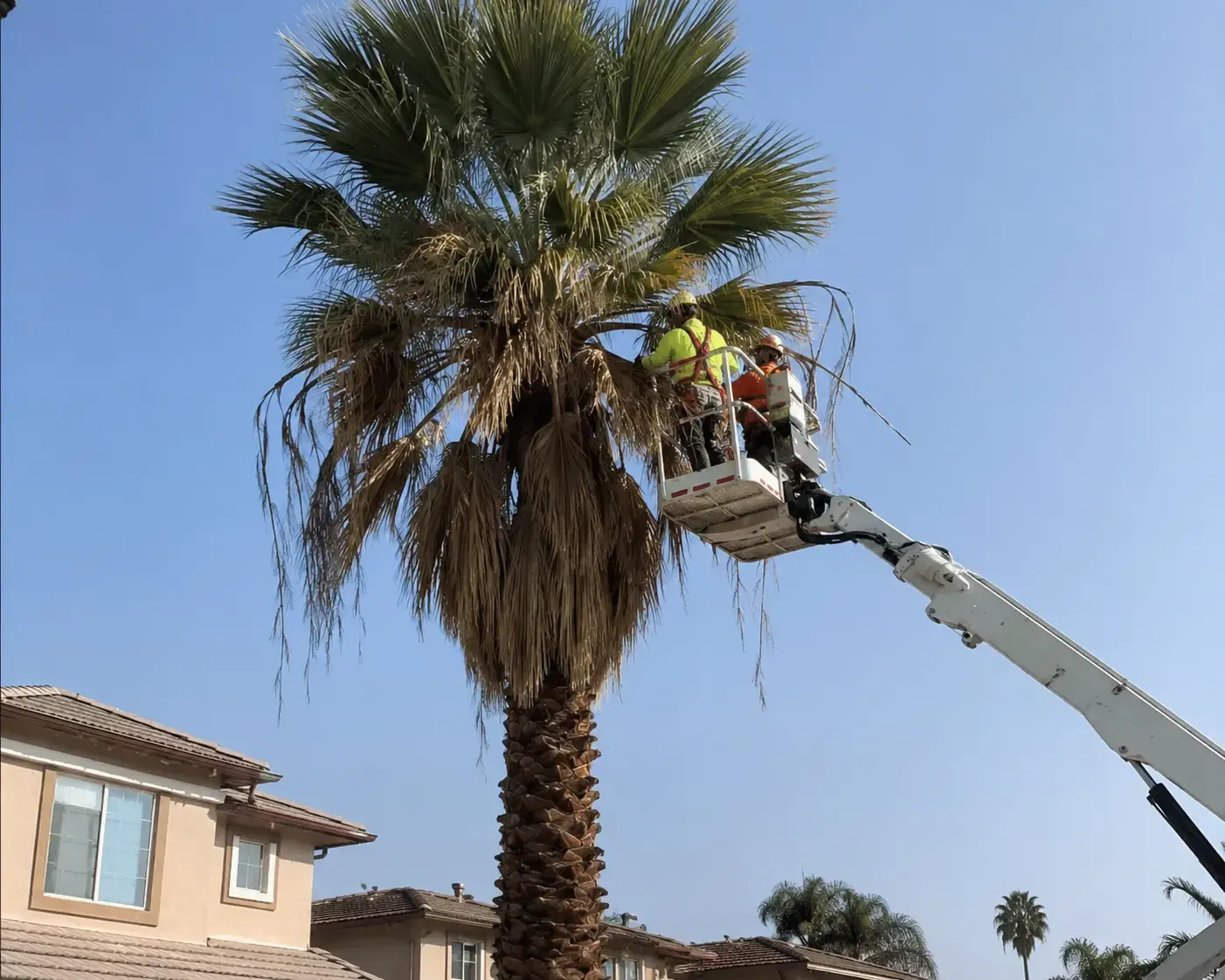
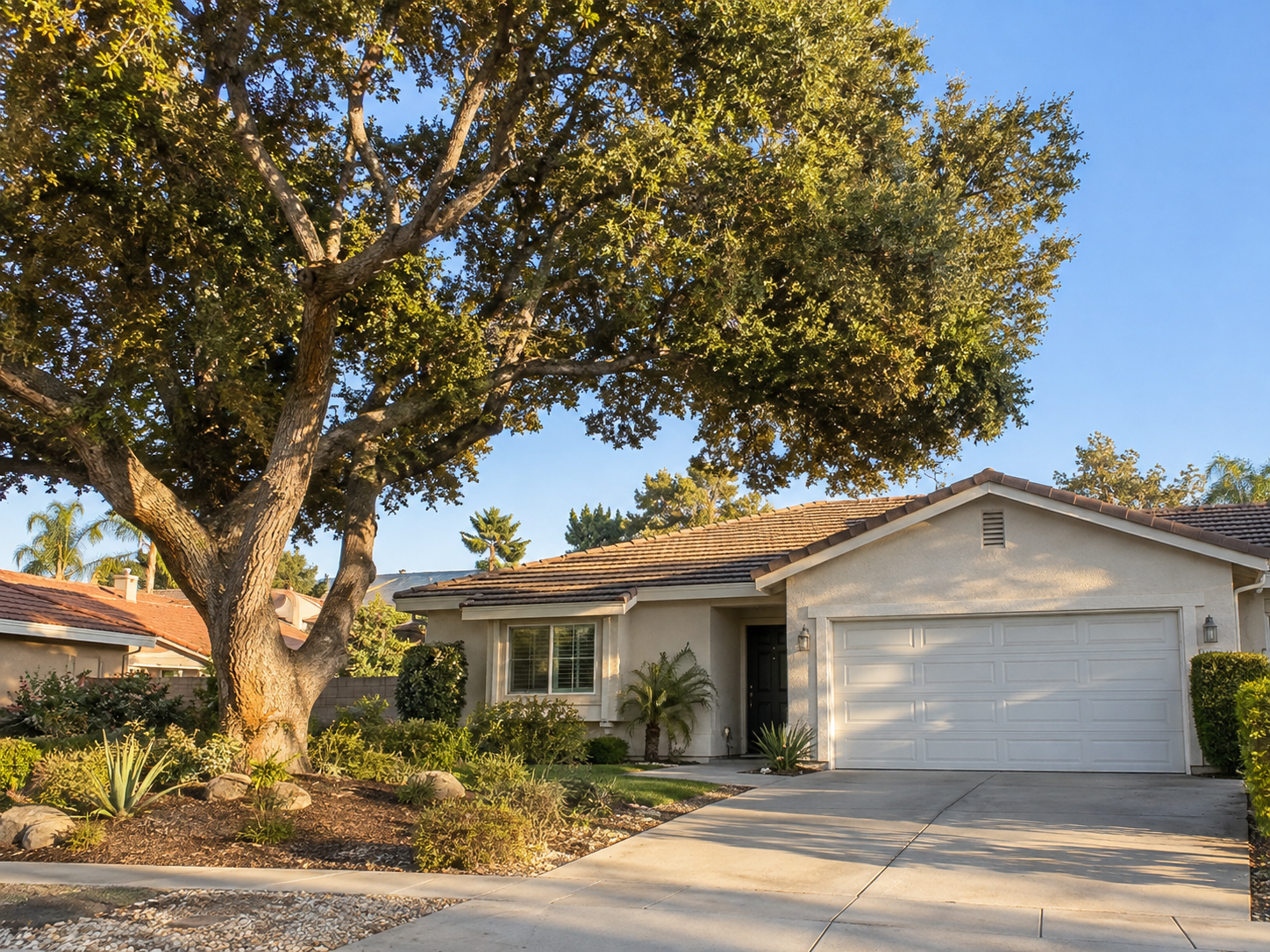
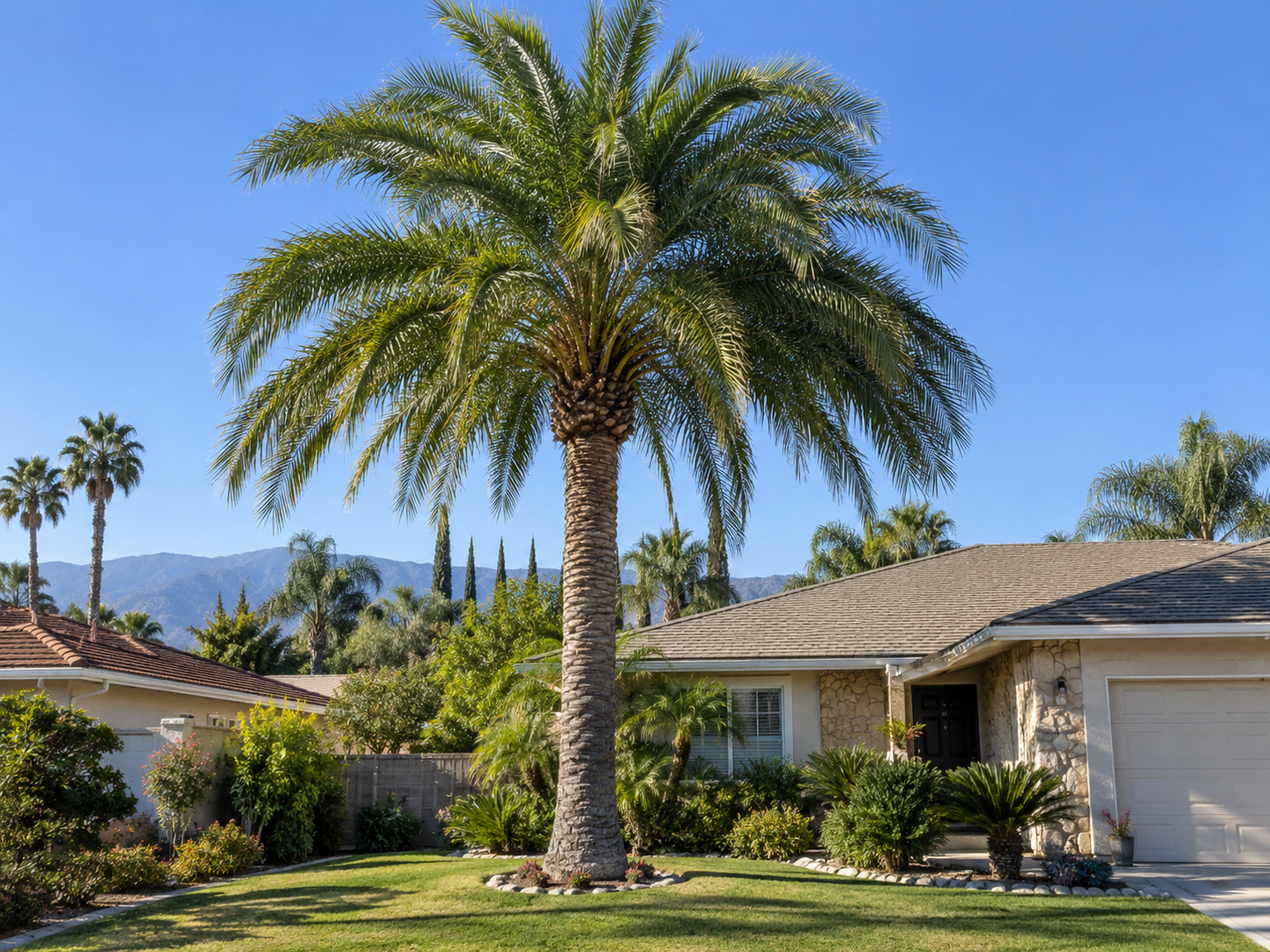
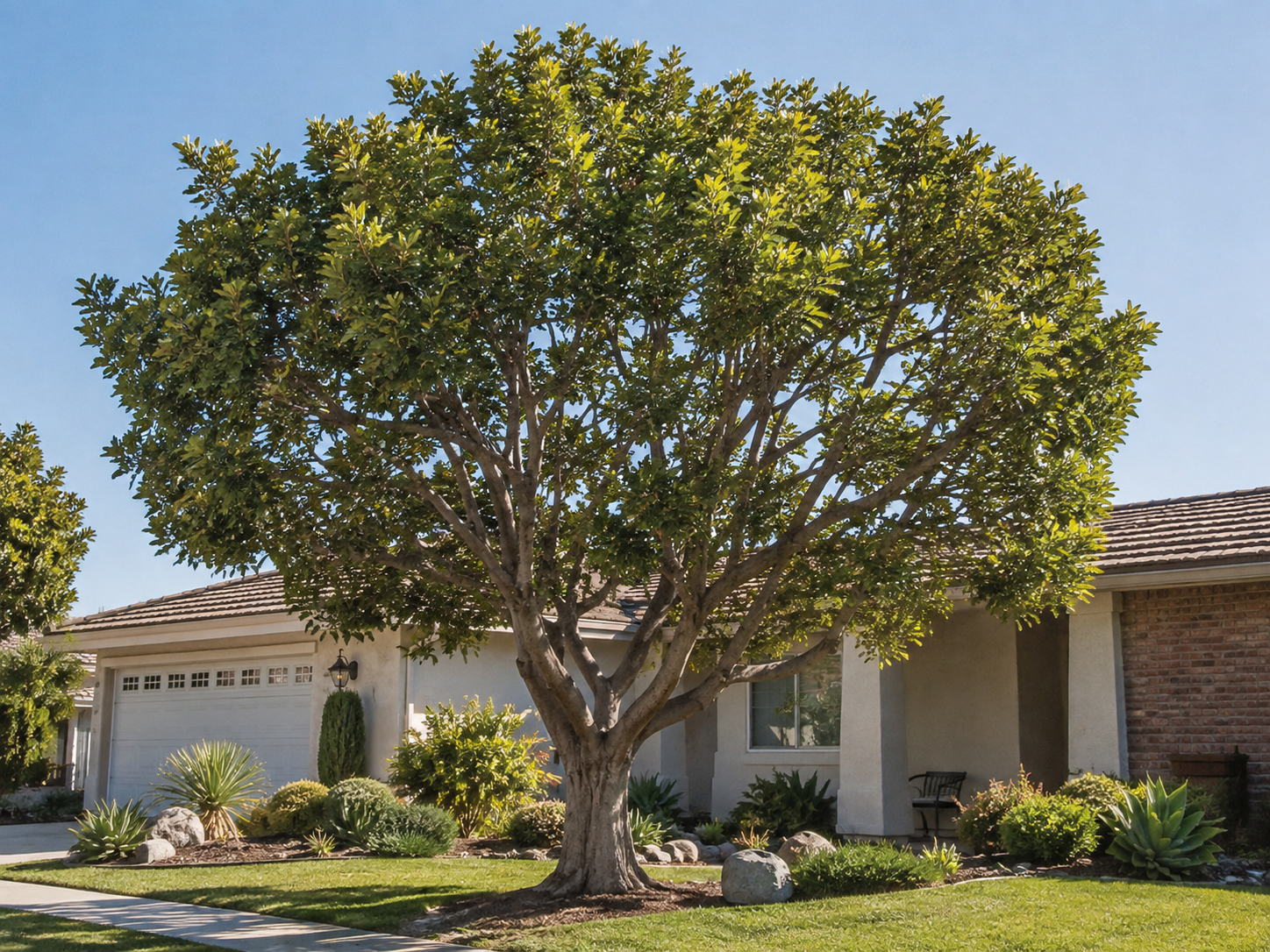
Southern California landscapes are defined by their towering palms, sprawling oaks, and vibrant eucalyptus trees. For residents in West Covina, maintaining these natural assets requires more than occasional watering. Trees are complex living organisms that demand strategic care to withstand local environmental stressors. Property owners investing in landscape maintenance understand that healthy trees provide shade, improve air quality, and significantly boost curb appeal. Neglected trees, conversely, pose severe risks to property structures and personal safety.
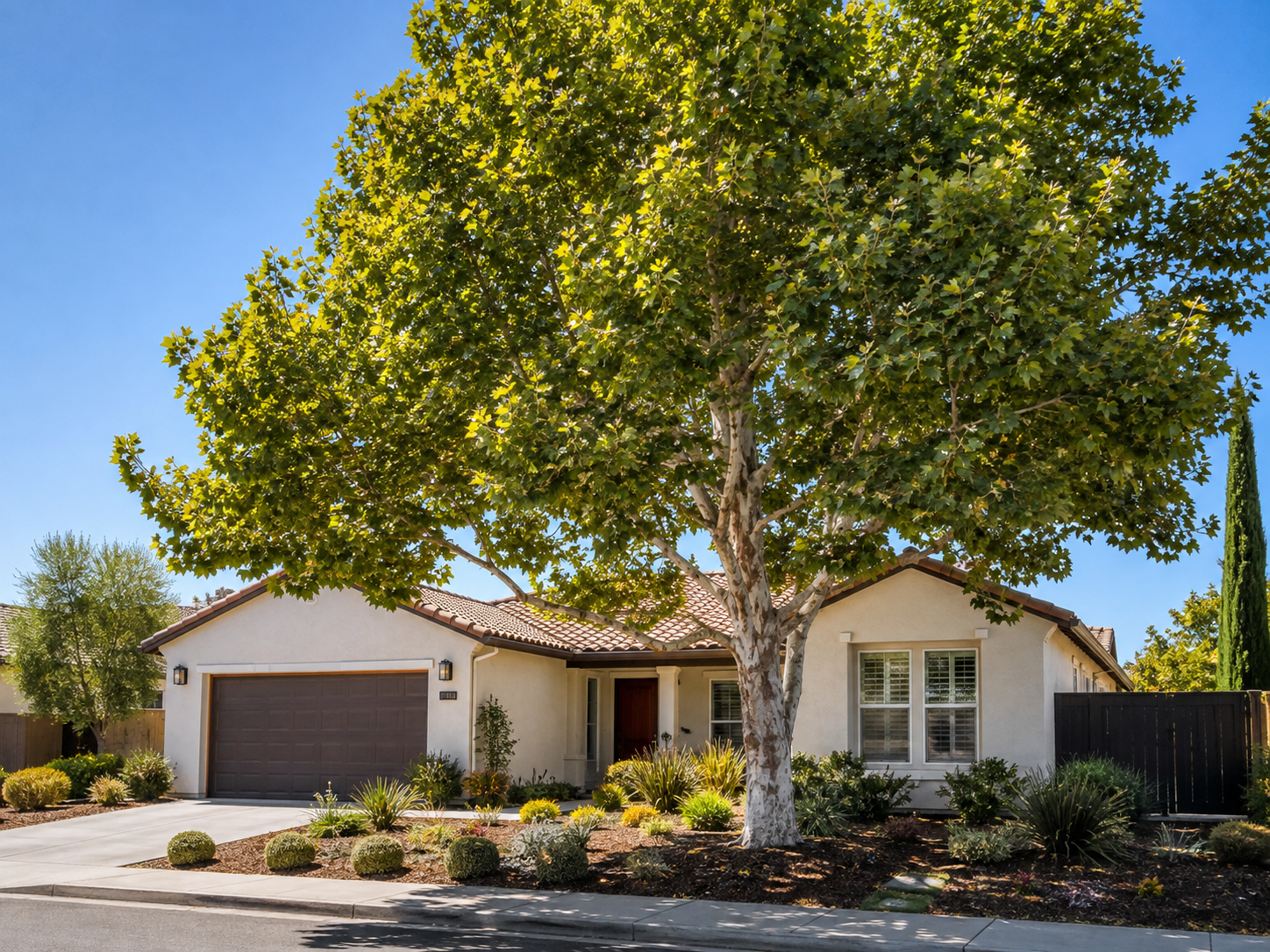
Homeowners in established suburban neighborhoods bear the responsibility of managing large, mature trees. Proper maintenance prevents costly property damage and preserves the aesthetic value of the community. Whether you are a first-time homebuyer looking to clean up an overgrown yard, a senior citizen needing reliable assistance with seasonal maintenance, or a commercial property manager upholding stringent safety standards, partnering with certified professionals is a necessity.
The Critical Need for Professional Tree Services in West Covina
The decision to invest in professional tree services goes far beyond basic aesthetics. Mature trees represent a significant portion of a property's overall equity. A well-maintained landscape can add thousands of dollars to a home's valuation. However, trees that are left to grow wild or are improperly pruned can quickly become a massive financial liability.
Homeowners between the ages of 35 and 65 are typically the primary decision-makers regarding property investments. This demographic understands that preserving the structural integrity of a home means paying close attention to the surrounding environment. Overhanging branches can scrape roof shingles, tear down gutters, and create easy access paths for rodents. Furthermore, aggressive root systems can infiltrate plumbing lines, crack foundational concrete, and heave driveways.
Protecting Structural Integrity
Roots naturally seek out moisture. In the dry climate of the San Gabriel Valley, roots will gravitate toward irrigation lines and sewer pipes. Routine inspections by knowledgeable arborists can identify root encroachment before it causes catastrophic plumbing failures. Canopy management is equally vital. Strategic pruning keeps heavy branches safely away from power lines, chimneys, and second-story windows.
Mitigating Safety Hazards
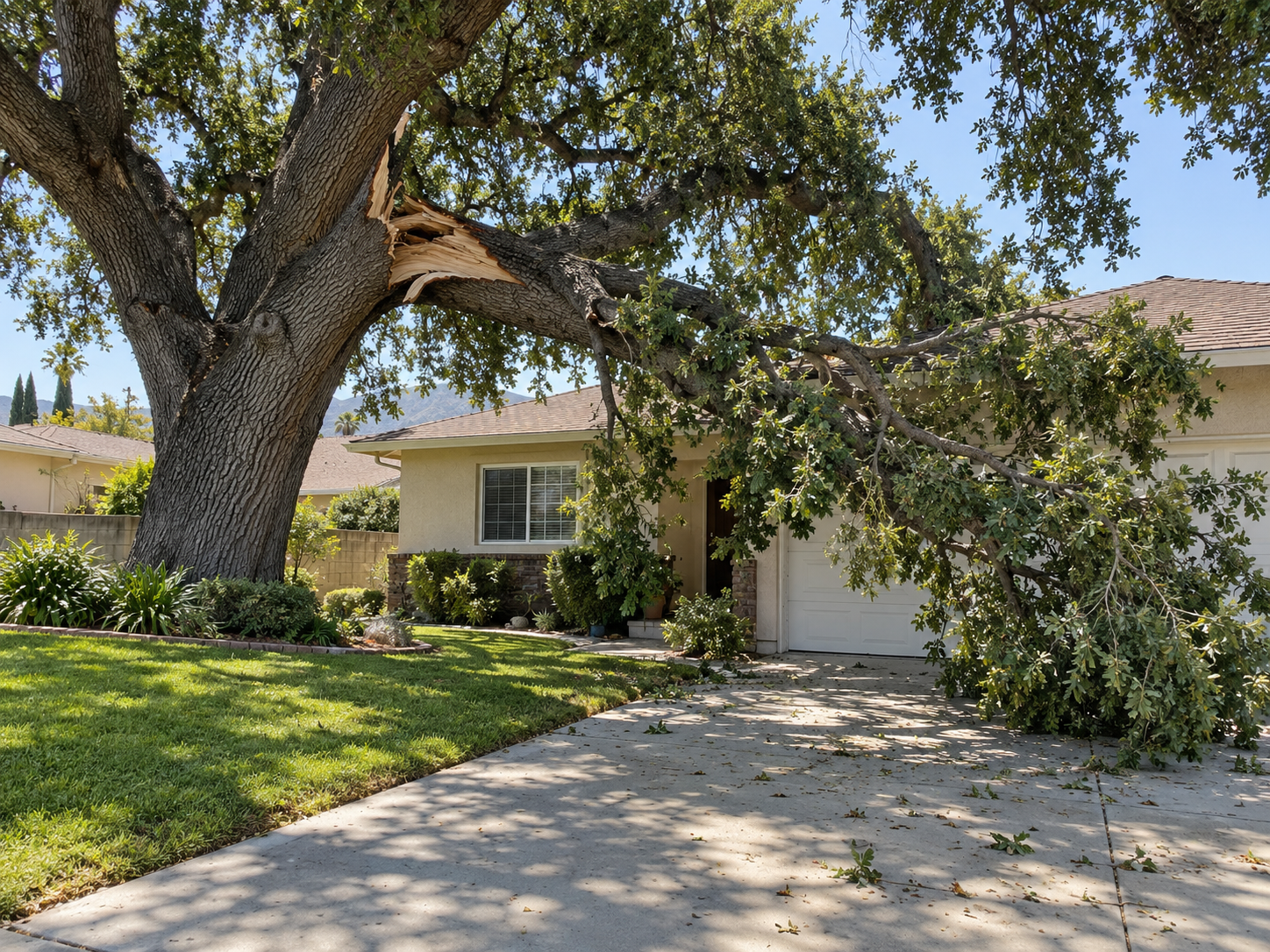
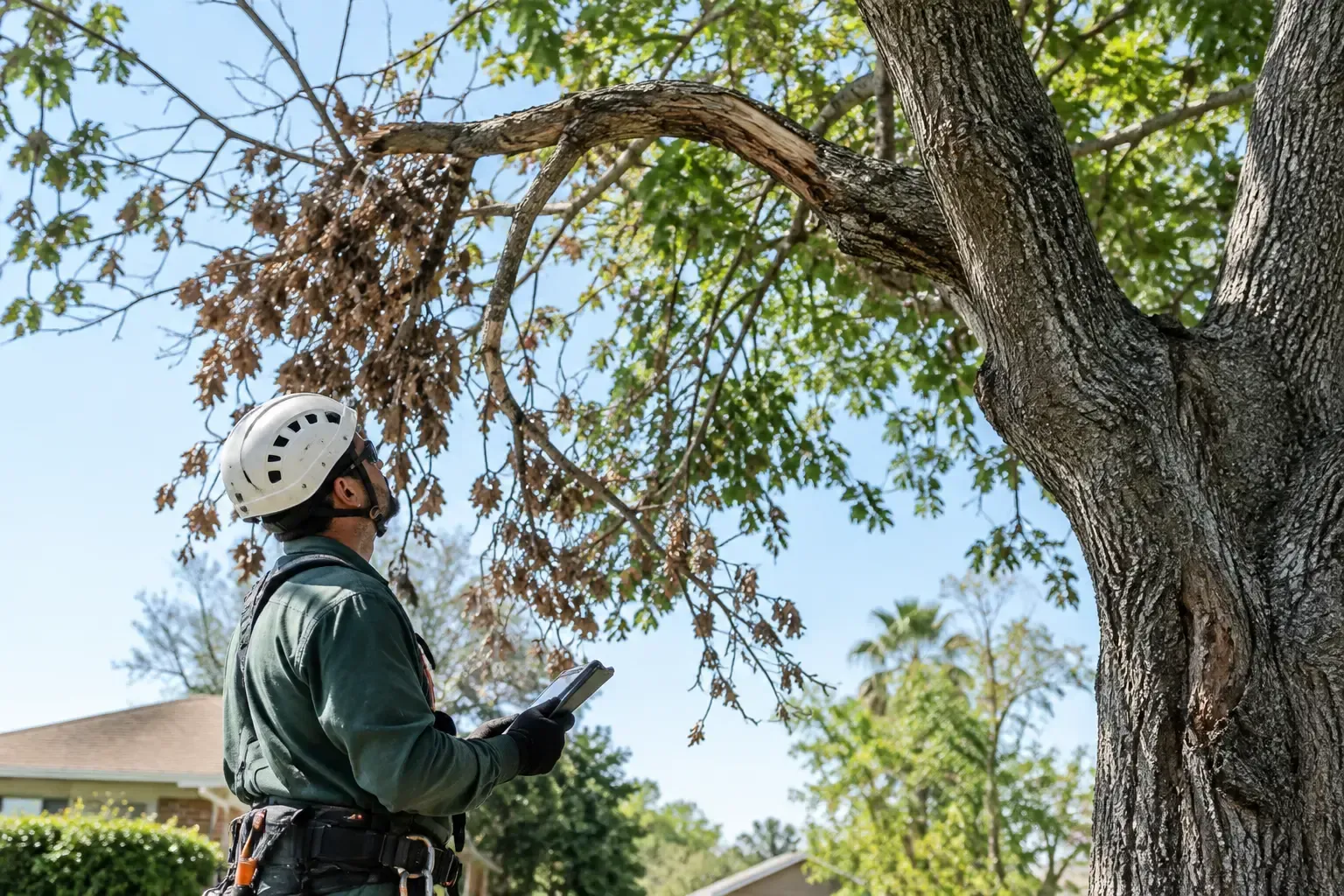
Dead branches are hidden dangers that can fall without warning. This phenomenon, often referred to as sudden limb drop, is a serious concern during periods of extreme heat or sudden wind. Engaging professionals for routine hazard assessments ensures that deadwood is safely removed before it strikes a vehicle, a structure, or a pedestrian. This level of risk management is essential for families, neighborhood associations, and business owners alike.
Navigating Southern California Climate Challenges
West Covina experiences intense summer heat, extended drought periods, and the notorious Santa Ana winds. Each of these environmental factors places immense stress on local vegetation. Drought conditions force trees into a state of preservation where they shed leaves and become brittle. This weakened state makes them highly susceptible to secondary threats like bark beetles, aphids, and aggressive fungal infections.
The Santa Ana winds test the structural integrity of every branch and root system in the region. Trees with dense, un-thinned canopies act like sails, catching the high-speed gusts. This wind resistance increases the likelihood of catastrophic trunk failure or uprooting. Proper crown thinning allows wind to pass through the branches seamlessly, drastically reducing the risk of storm damage.
Below is a detailed breakdown of common trees found in the area and their specific maintenance requirements.
| Tree Species | Common West Covina Variety | Drought Tolerance | Recommended Pruning Frequency |
|---|---|---|---|
| Oak | Coast Live Oak | High | Every 3 to 5 years |
| Palm | Mexican Fan Palm | Moderate | Annually |
| Pine | Canary Island Pine | Moderate | Every 3 to 5 years |
| Eucalyptus | Red Gum | Low to Moderate | Every 2 to 4 years |
| Citrus | Lemon / Orange | Low | Annually |
Core Maintenance Strategies for Long-Term Landscape Health
Proper tree care is a science. Attempting do-it-yourself trimming with rented equipment is highly dangerous and often leads to irreversible tree damage. Practices like "topping", where the entire top of a tree is indiscriminately sawed off, destroy the tree's natural structure and trigger rapid, unstable regrowth. Professional arborists employ precise techniques tailored to the biology of each species.
Precision Trimming and Pruning
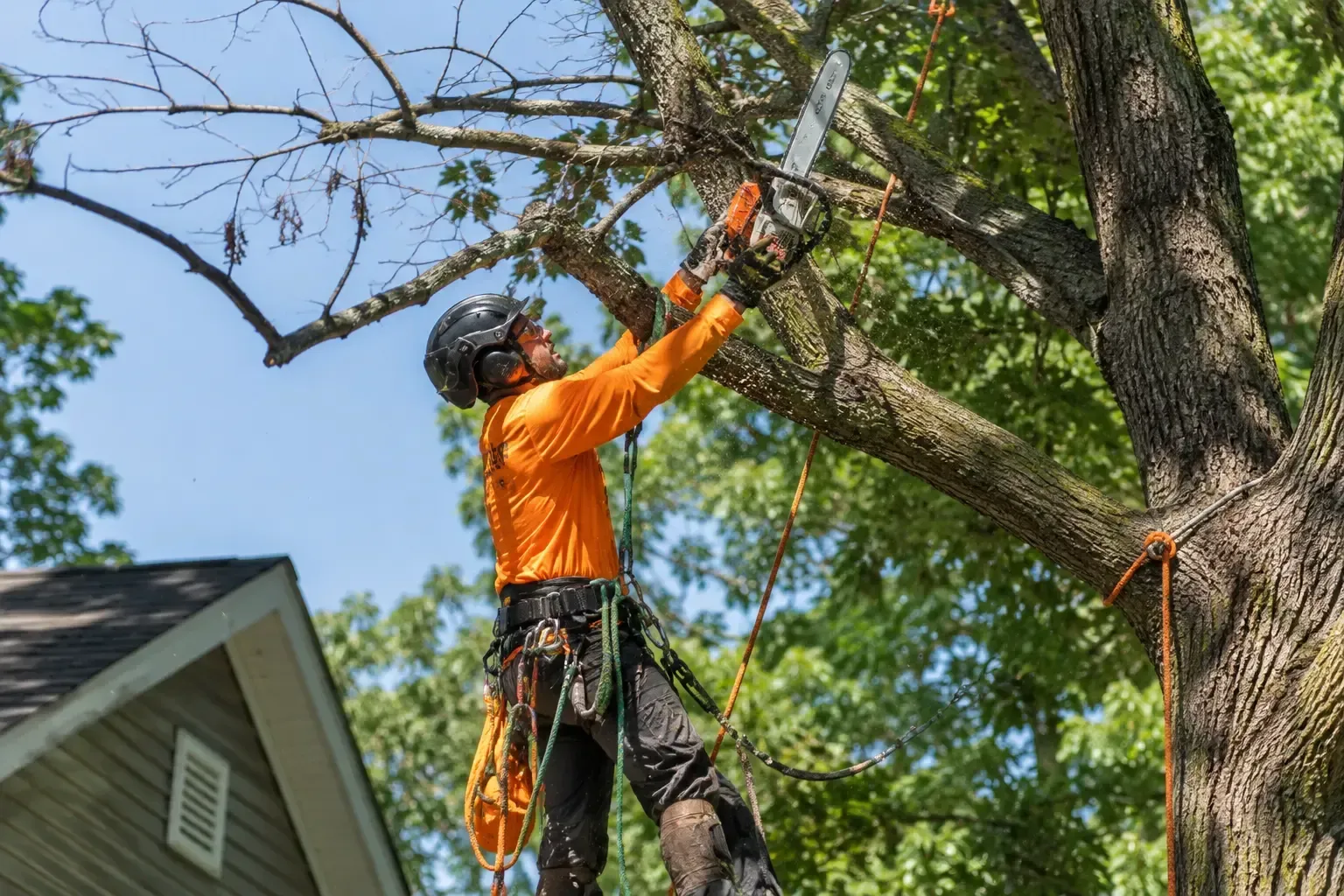
Trimming and pruning are frequently used interchangeably, but they serve distinct purposes. Trimming generally focuses on aesthetics and clearance, ensuring hedges and lower branches look neat and do not obstruct walkways. Pruning is a targeted health intervention. Professionals perform crown reduction, deadwooding, and thinning to improve light penetration and air circulation throughout the canopy. This careful removal of specific branches stimulates healthy growth and reinforces the tree's natural shape.
Safe Tree Removal
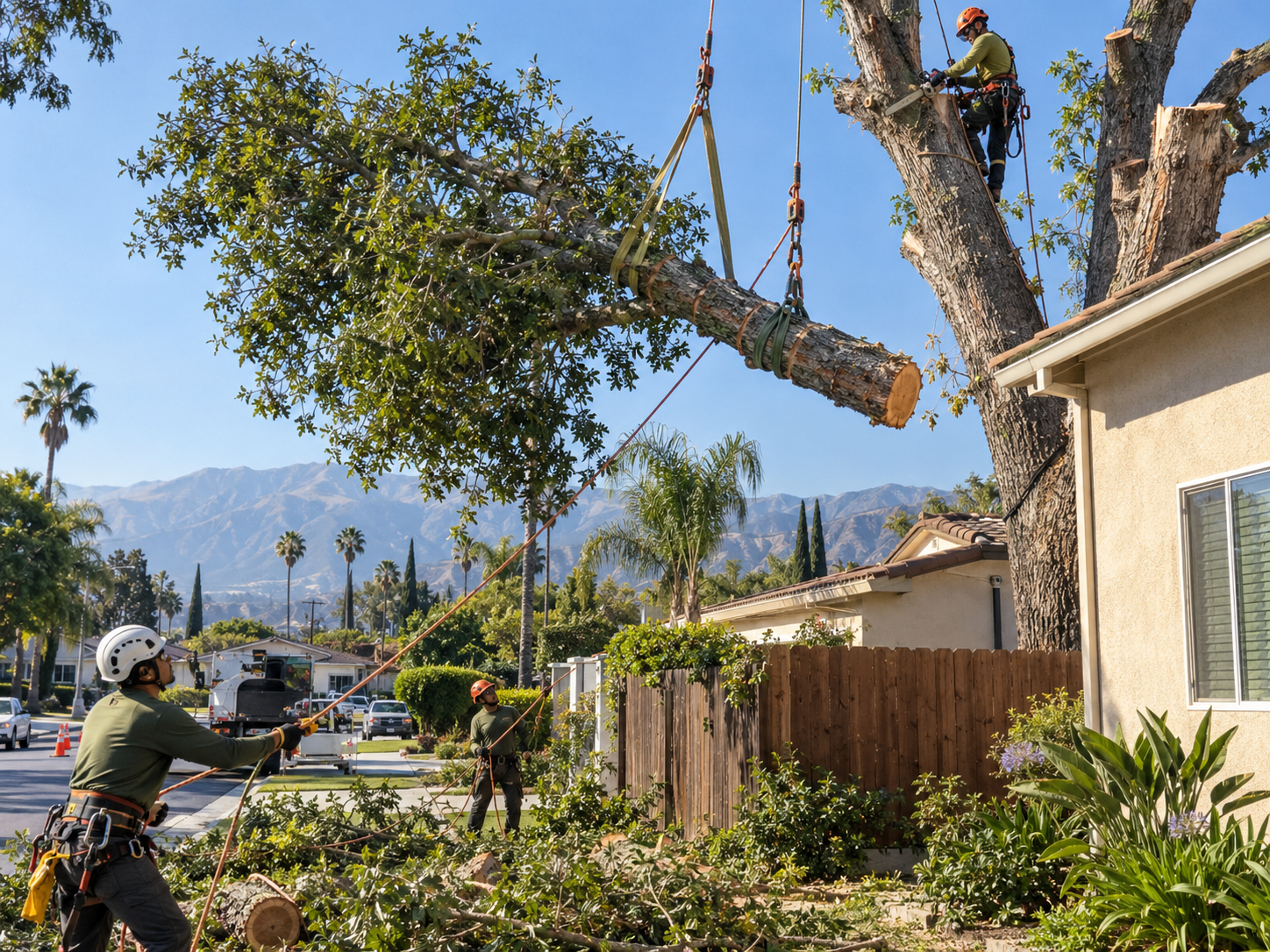
There are instances where a tree simply cannot be saved. Disease, severe storm damage, or dangerous proximity to a new construction site may necessitate complete removal. Removing a massive, multi-ton organism from a confined residential space requires careful planning, specialized rigging equipment, and deep operational expertise. Professionals dismantle the tree in controlled sections to ensure the surrounding property remains completely untouched.
Complete Stump Grinding
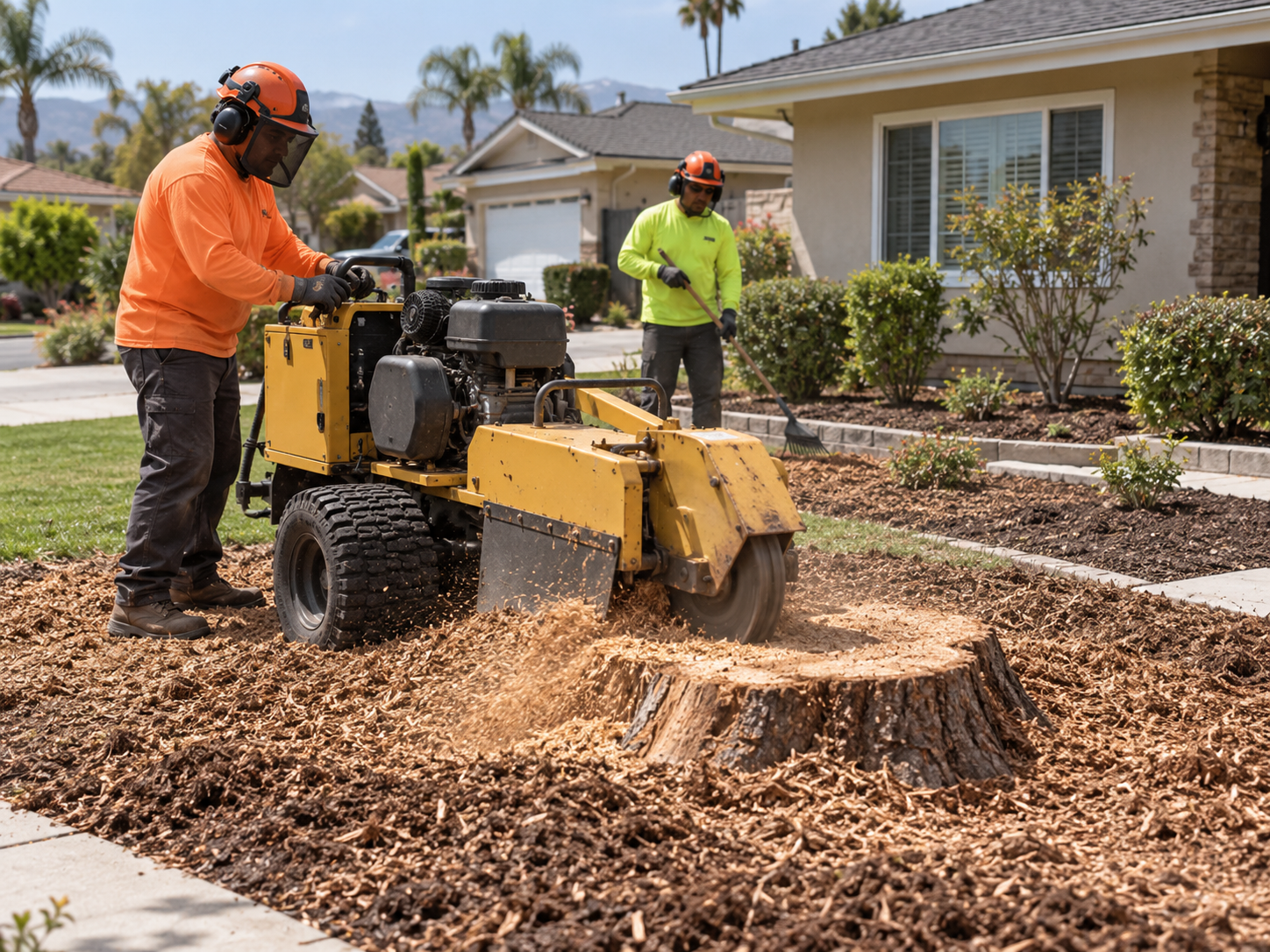
A tree removal project is incomplete if the stump is left behind. Leftover stumps are significant tripping hazards and create a massive obstacle for future landscaping or hardscaping projects. More importantly, decaying wood is a powerful attractant for subterranean termites, carpenter ants, and wood-boring beetles. Professional stump grinding machines obliterate the remaining wood well below the soil line, allowing homeowners to reclaim their yard space and plant new vegetation safely.
Supporting Commercial and HOA Properties
While individual homeowners make up a large portion of the community, commercial property owners, real estate investors, and Homeowner Associations (HOAs) also require dedicated landscape management. Property managers are responsible for maintaining safe environments for retail customers, office workers, and residential tenants. A uniform, well-maintained exterior attracts premium tenants and deters premise liability lawsuits.
For commercial properties in West Covina, routine landscape audits are essential. Arborists can establish multi-year maintenance schedules that stagger pruning cycles, keeping large properties within budget while ensuring strict compliance with local safety codes and insurance requirements.
Choosing the Right Arborist in West Covina
Tree work is inherently hazardous. Engaging unlicensed or uninsured workers puts your property and personal financial security at massive risk. If an uninsured worker sustains an injury on your property, you could be held liable for their medical expenses and lost wages. Standard homeowner insurance policies frequently exclude coverage for unpermitted, high-risk contractor work.
Selecting a reputable service provider means verifying their credentials, understanding their safety protocols, and ensuring they possess a deep understanding of regional horticulture. Tree Service West Covina stands out as a dedicated local partner. Operating out of West Covina, CA 91790, our team is equipped with state-of-the-art machinery and rigorous safety training. We prioritize the preservation of your landscape while decisively managing any hazardous growth. Property owners seeking reliable, fully insured, and highly skilled care can reach our team directly at +1 909 362-8885 to schedule a comprehensive property assessment.
Frequently Asked Questions
How often should mature trees be pruned in West Covina?
The pruning frequency depends entirely on the species and its location on your property. Fast-growing trees like palms and fruit-bearing citrus trees generally require annual maintenance to remove dead fronds and encourage fruit production. Slower-growing native species, such as oak and pine trees, typically need professional pruning every three to five years to maintain structural integrity and remove deadwood.
What are the warning signs that a tree poses a falling hazard?
Several visual indicators suggest a tree is structurally compromised. Look for deep vertical cracks in the main trunk, sections of peeling bark, or sudden, significant leaf loss out of season. Fungal growth, such as mushrooms at the base of the trunk, often indicates severe internal root rot. If a tree suddenly leans to one side or the soil around its base begins to heave upwards, immediate professional evaluation is required.
Does homeowners insurance cover emergency tree removal?
Insurance coverage for tree removal is highly specific to the circumstances. If a healthy tree falls onto a covered structure, such as your house or garage, due to a severe storm, the removal and repair costs are typically covered after your deductible. However, insurance companies rarely cover the cost of preventative removal or the removal of a tree that fell due to long-term neglect, disease, or lack of maintenance.