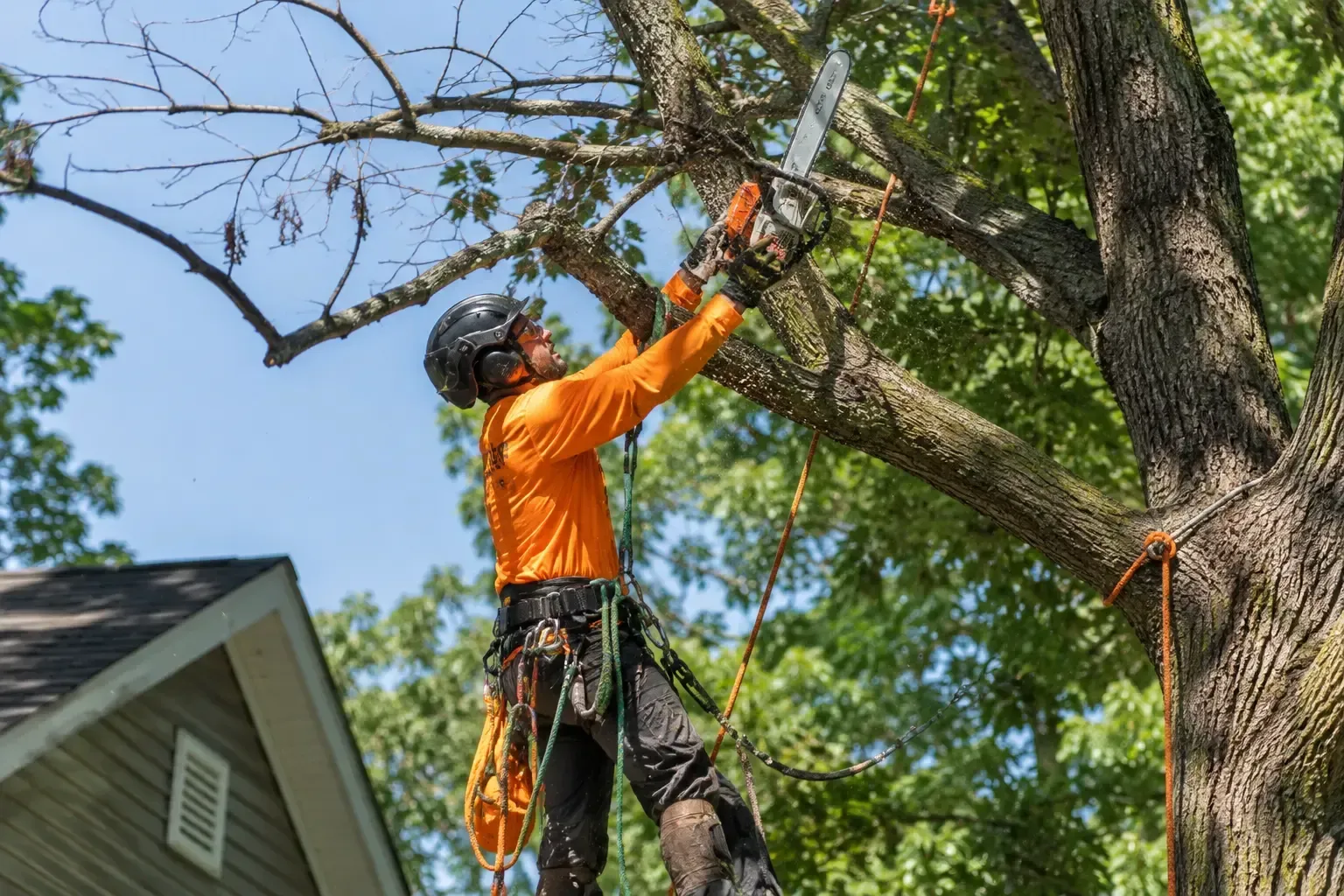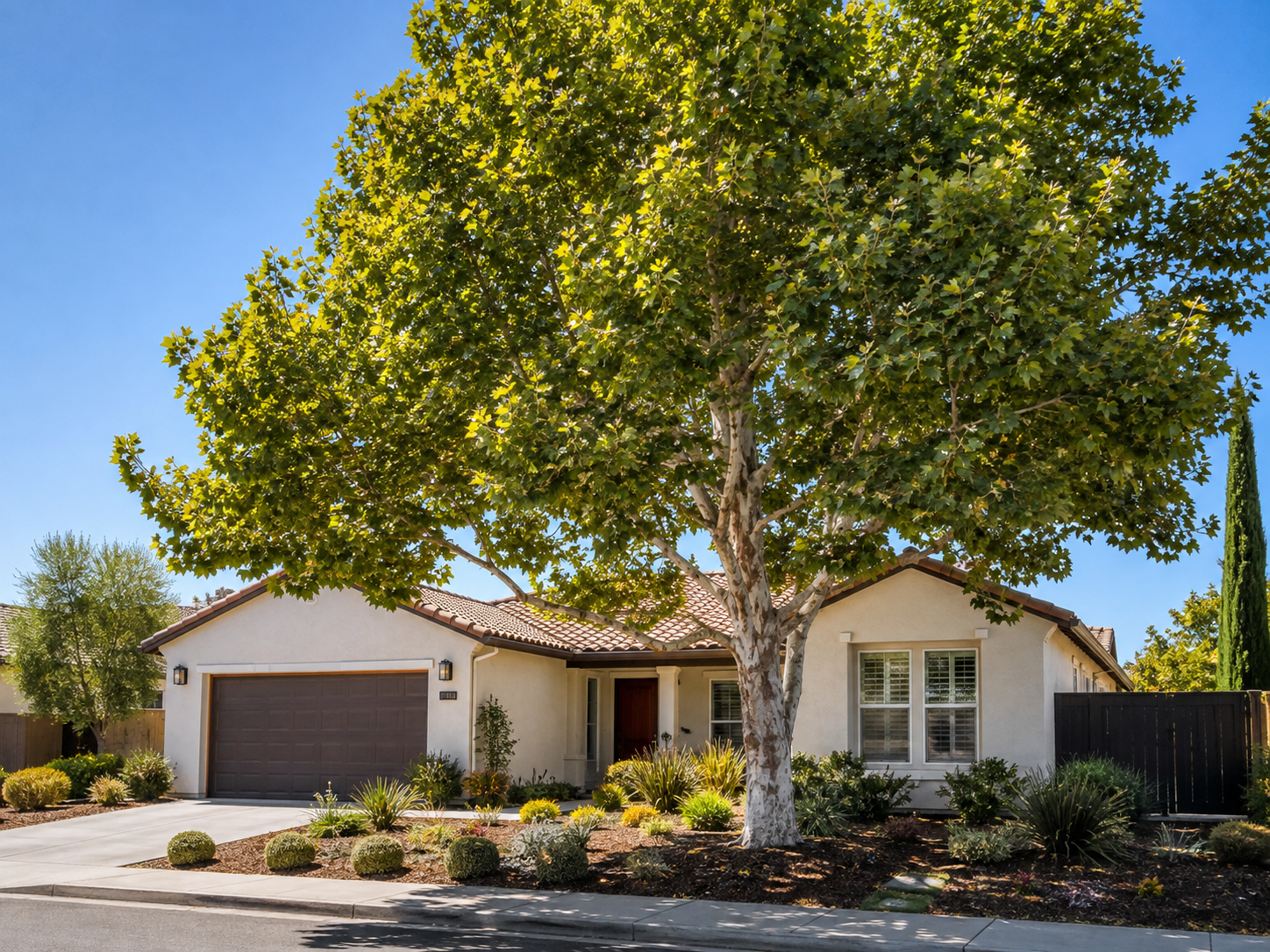
Precision Canopy Care: The Strategy of Tree Trimming in West Covina
Proper tree trimming in West Covina, CA demands an expert understanding of regional climates, species specific biology, and precise pruning techniques to maintain healthy urban canopies. Engaging professional arborists ensures that routine maintenance enhances structural integrity and protects properties from hazardous branch failures.
Key Takeaways:
* Professional tree services utilize precise techniques like crown thinning to improve airflow and resist high winds.
* Cuts must be made precisely at the branch collar to allow the tree to compartmentalize and heal properly.
* Timing is critical, with dormant seasons often providing the safest window for extensive canopy maintenance.
Southern California landscapes require deliberate attention to maintain their aesthetic and structural integrity. Residents of West Covina face unique environmental conditions that dictate how flora should be managed. High winds, extended dry periods, and specific soil compositions demand a calculated approach to property maintenance. Engaging with experts like those at West Covina Tree ensures that your green assets remain healthy and resilient throughout every season. Proper canopy maintenance goes beyond simple aesthetics to involve a fundamental understanding of plant biology and structural engineering.
Comprehensive Tree Services for Optimal Growth
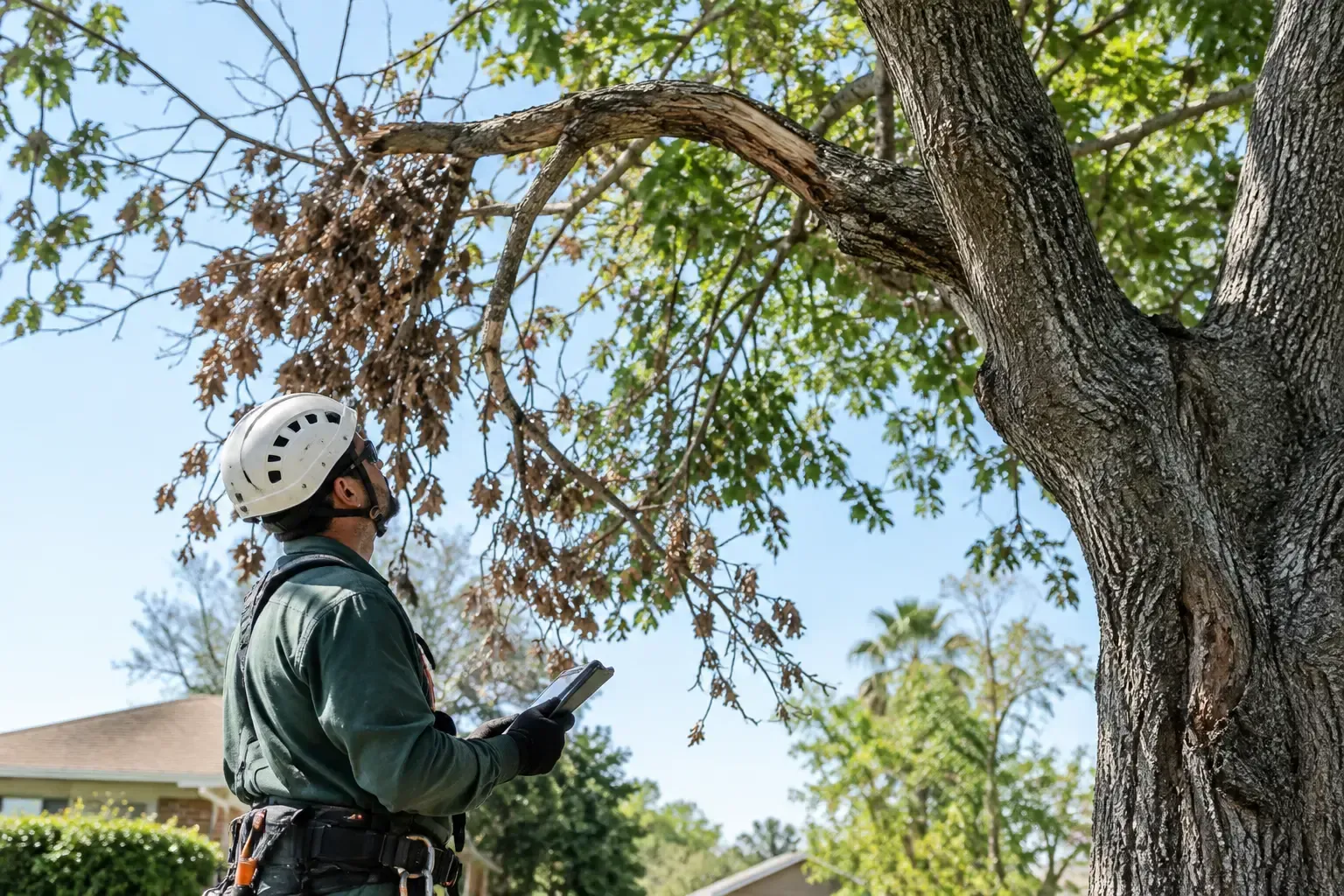
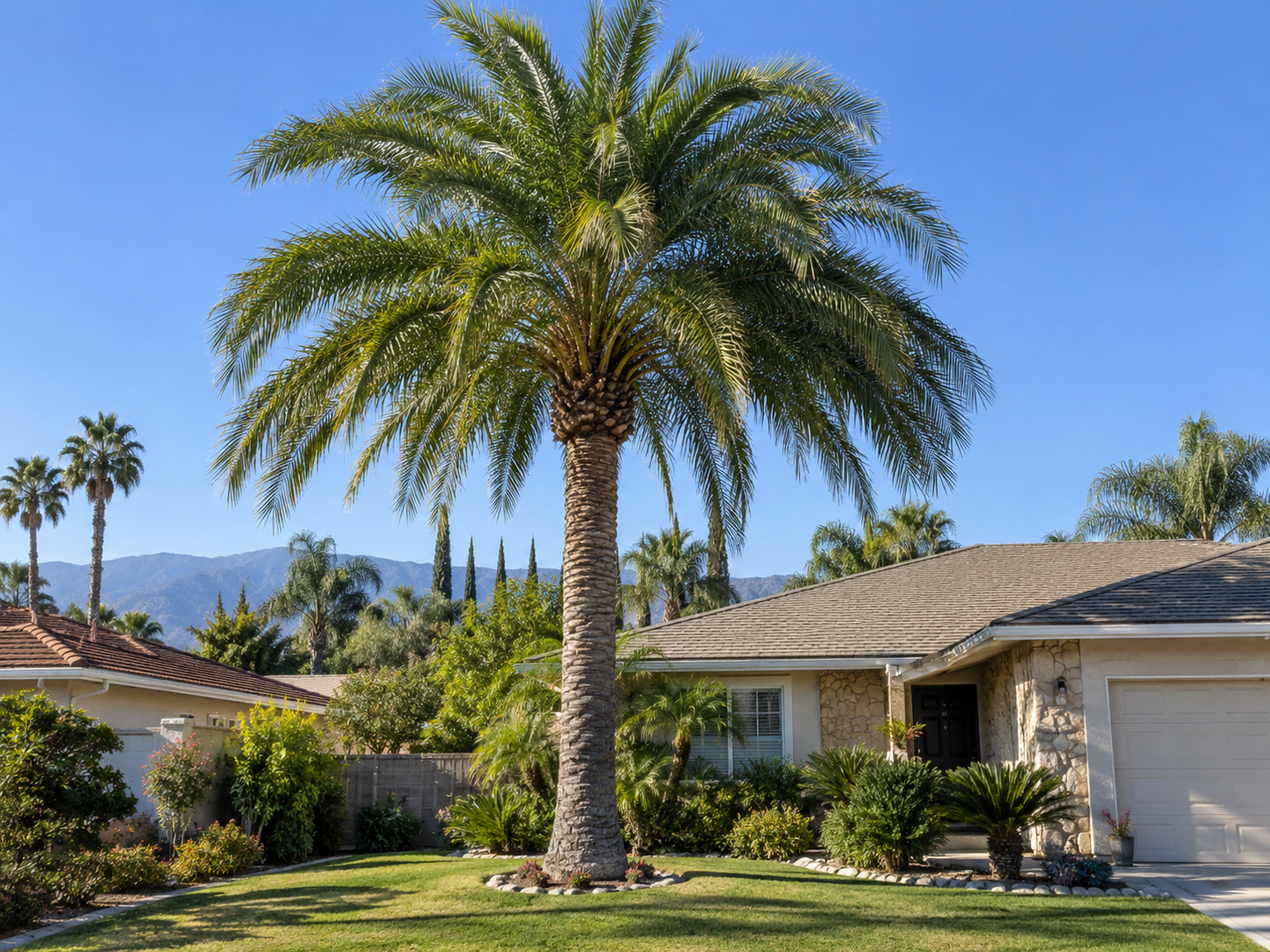
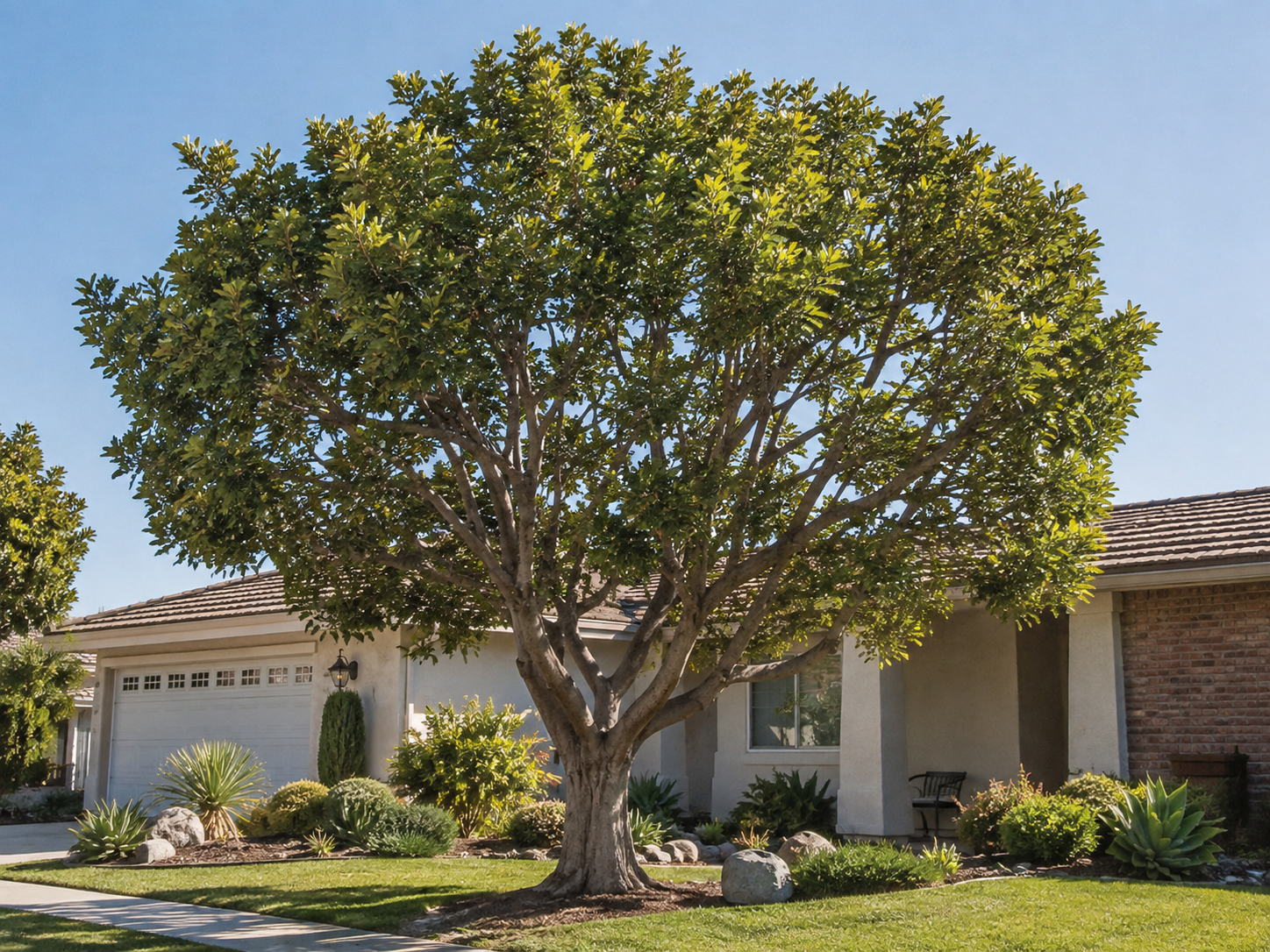
Professional tree services go far beyond simply removing overgrown branches. They involve a systematic evaluation of each specimen to determine its specific needs. A mature oak requires a vastly different approach than a young citrus tree, a towering fan palm, or a sprawling ficus. By assessing the weight distribution, identifying diseased wood, and calculating wind resistance, arborists apply specialized tree trimming methods that promote long term vitality.
Urban environments present complex challenges. Trees must coexist with utility lines, sidewalks, driveways, and residential foundations. Strategic pruning redirects growth away from these vital structures, preventing costly conflicts between nature and infrastructure.
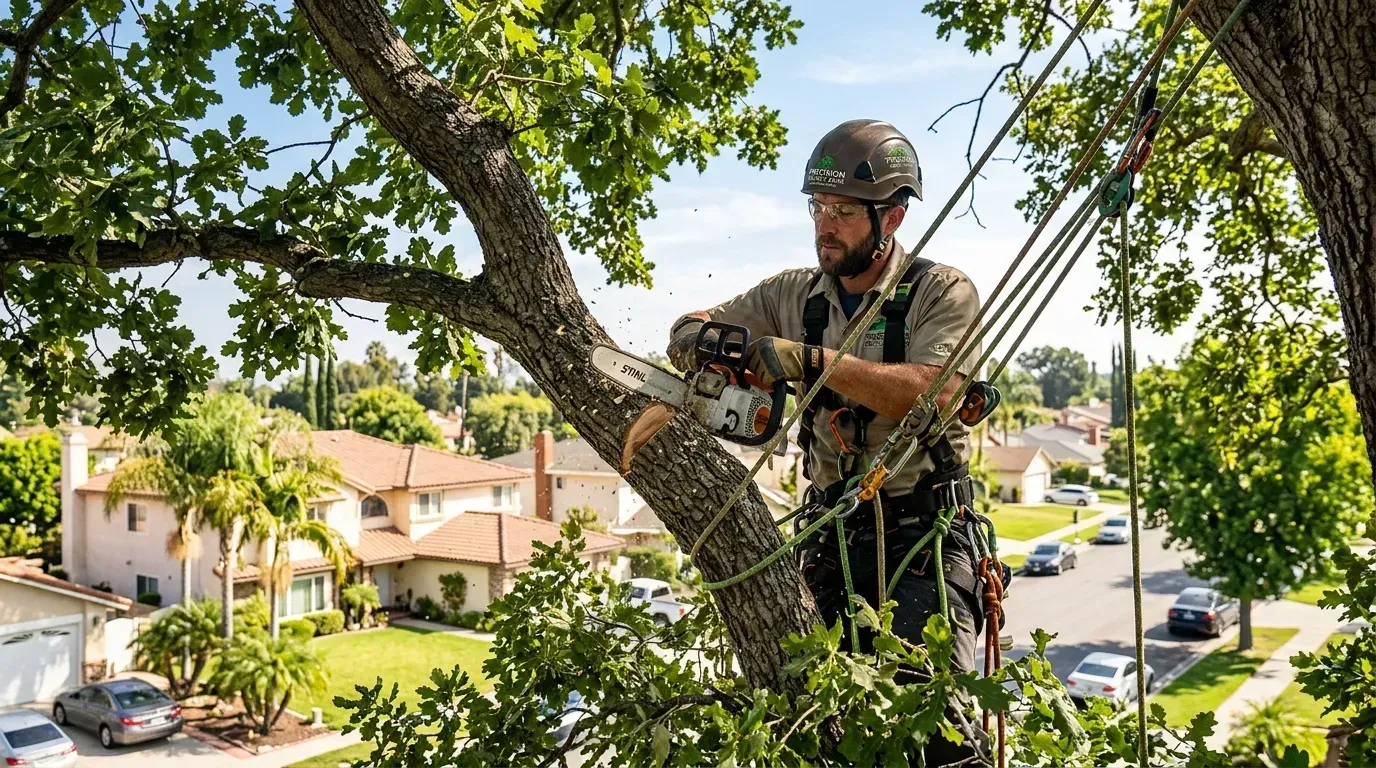
Canopy reduction and crown thinning are precise techniques utilized within professional tree services to manage dense foliage. Overcrowded branches restrict sunlight penetration and reduce air circulation. This creates an ideal environment for fungal infections and pest infestations. Carefully removing selected limbs improves the interior airflow. This proactive measure strengthens the core structure of the plant and reduces the likelihood of branch failure during sudden Southern California windstorms.
The Anatomy of a Precise Cut
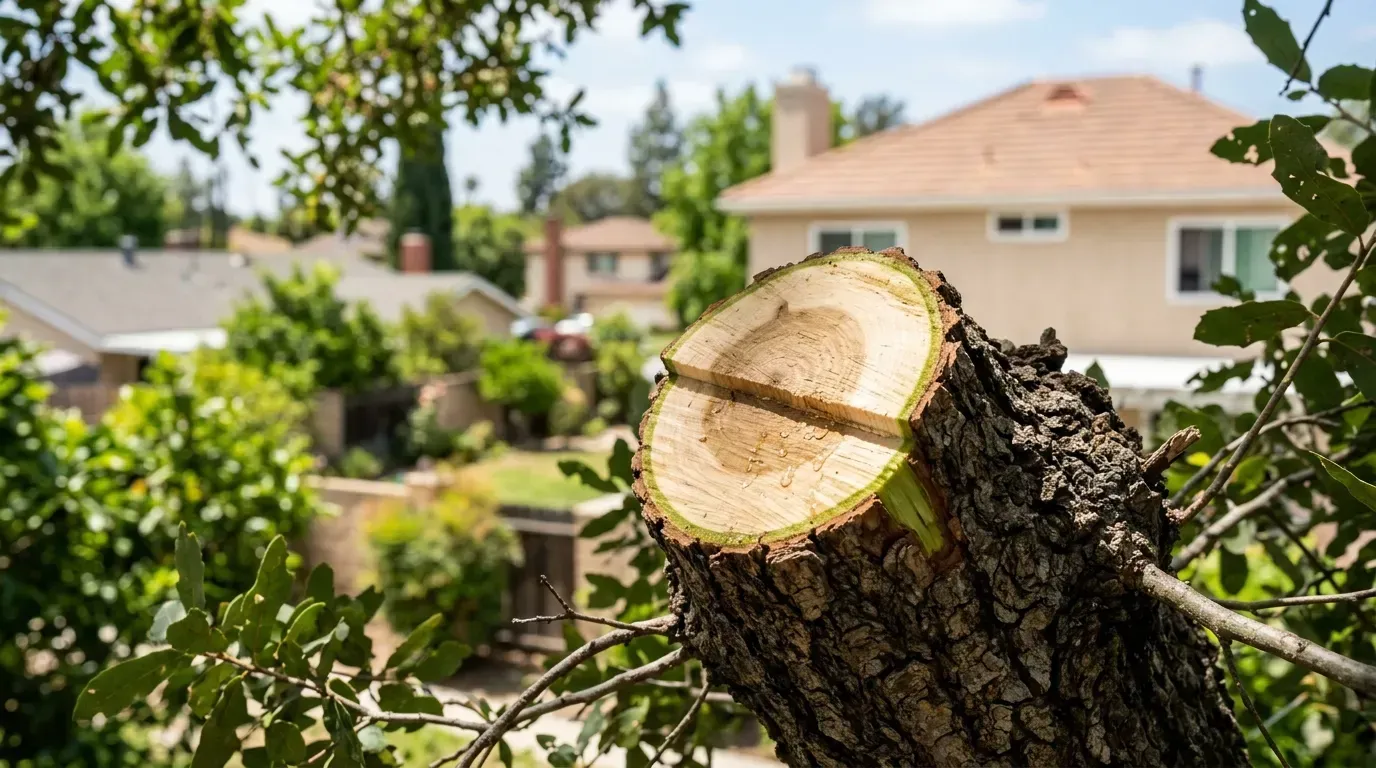
The location and angle of every cut dictate how effectively the plant will heal. Trees do not regenerate tissue like mammals do. They compartmentalize damage to prevent decay from spreading into the main trunk. A correct cut occurs just outside the branch collar, which is the swollen area of tissue at the base of the limb. Leaving a stub invites rot and disease. Cutting flush against the trunk removes the protective collar and causes extensive damage to the parent stem.
Understanding this biological process is critical for any arborist working in West Covina. The dry climate can slow down the sealing process, making specimens more vulnerable to opportunistic pathogens. Expert handling ensures the smallest possible wound is created, allowing the natural defense mechanisms to operate efficiently.
Equipment and Safety Standards in Arboriculture
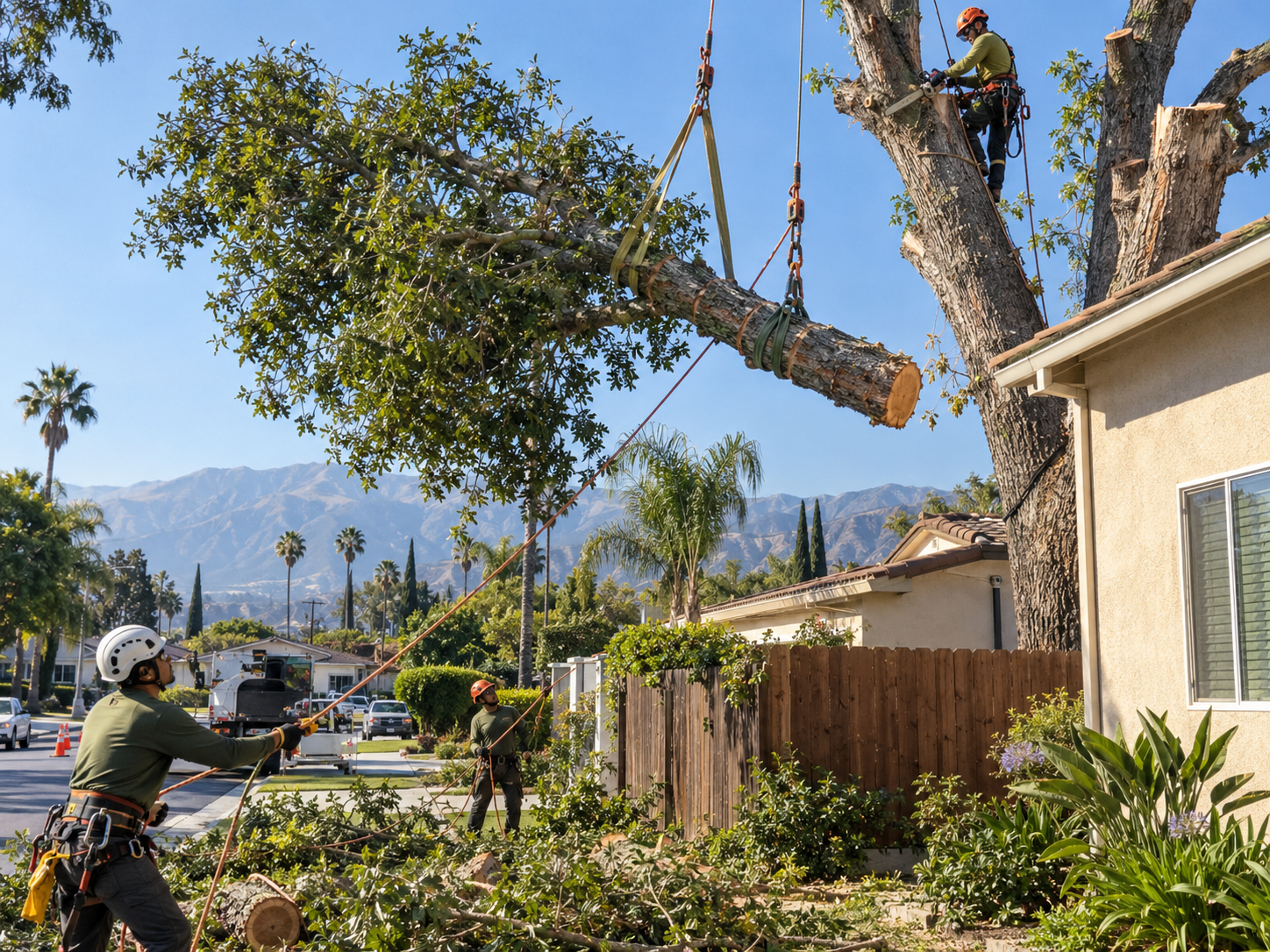
Executing precise cuts high above the ground demands specialized equipment and rigorous safety protocols. Arborists rely on secure rigging systems, harnesses, and aerial lifts to access difficult locations without damaging the surrounding property. Heavy branches must be lowered systematically to protect the lawn, hardscaping, and understory plants below.
Using sharp, sterilized tools is equally important. Dull blades tear the bark, creating jagged wounds that are susceptible to disease. Sanitizing saws and pruners between jobs prevents the transmission of harmful bacteria and fungi from one residential block to another across West Covina.
Timing Canopy Maintenance in West Covina, CA
Timing plays a critical role in arboricultural success. The mild winters and intense summers of West Covina, CA dictate specific windows for optimal pruning. Deciduous species generally benefit most from dormant season pruning. Without leaves obstructing the view, structural defects are clearly visible. The lack of active growth also means the plant experiences less stress and minimal sap loss.
Evergreen species and palms have entirely different requirements. Many native and drought tolerant varieties prefer late winter or early spring attention. Maintaining these cycles is essential for helping local trees thrive in Southern California. Avoiding heavy pruning during the peak heat of late summer prevents sunscald on newly exposed bark. Managing canopy density prior to the rainy season is equally important to mitigate the risk of uprooting from waterlogged soils.
Recognizing When Maintenance Escalates
Routine trimming often reveals hidden issues within the wood. Arborists frequently discover extensive internal decay, significant termite damage, or foundational root instability while working in the canopy. When a specimen becomes a severe liability to nearby structures or power lines, simple pruning is no longer a viable option.
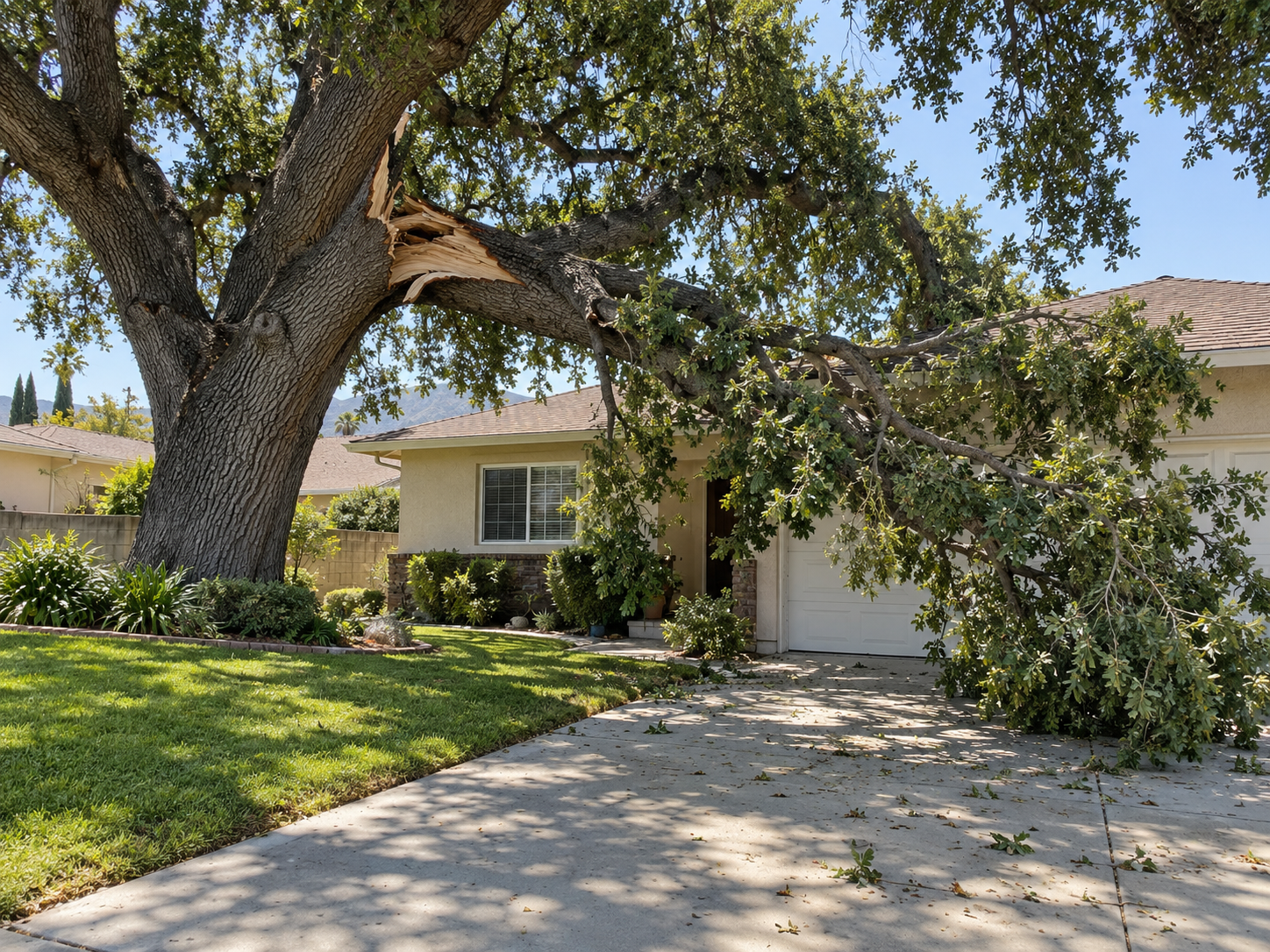
In these critical scenarios, property owners must transition from maintenance to mitigation. This may require comprehensive tree removal to ensure the safety of the property. If a heavy storm snaps a massive limb that is left dangling precariously over a roof, immediate action is required. Accessing emergency tree removal guarantees that these urgent hazards are dismantled safely before catastrophic property damage or personal injury occurs.
Protecting Your Landscape Investment
Your property landscape represents a significant financial and emotional investment. Mature specimens increase property values, reduce cooling costs by providing natural shade, and improve local air quality. Entrusting their care to unqualified individuals frequently results in irreversible damage. "Topping" a tree, an outdated and harmful practice where the main vertical stems are indiscriminately sheared off, destroys the natural shape and forces rapid, weak regrowth.
Proper management relies on education and experience. You can learn more about our background as local arborists to understand the level of expertise required to maintain the urban forest of West Covina. We apply rigorous safety standards and strict adherence to industry best practices on every project.
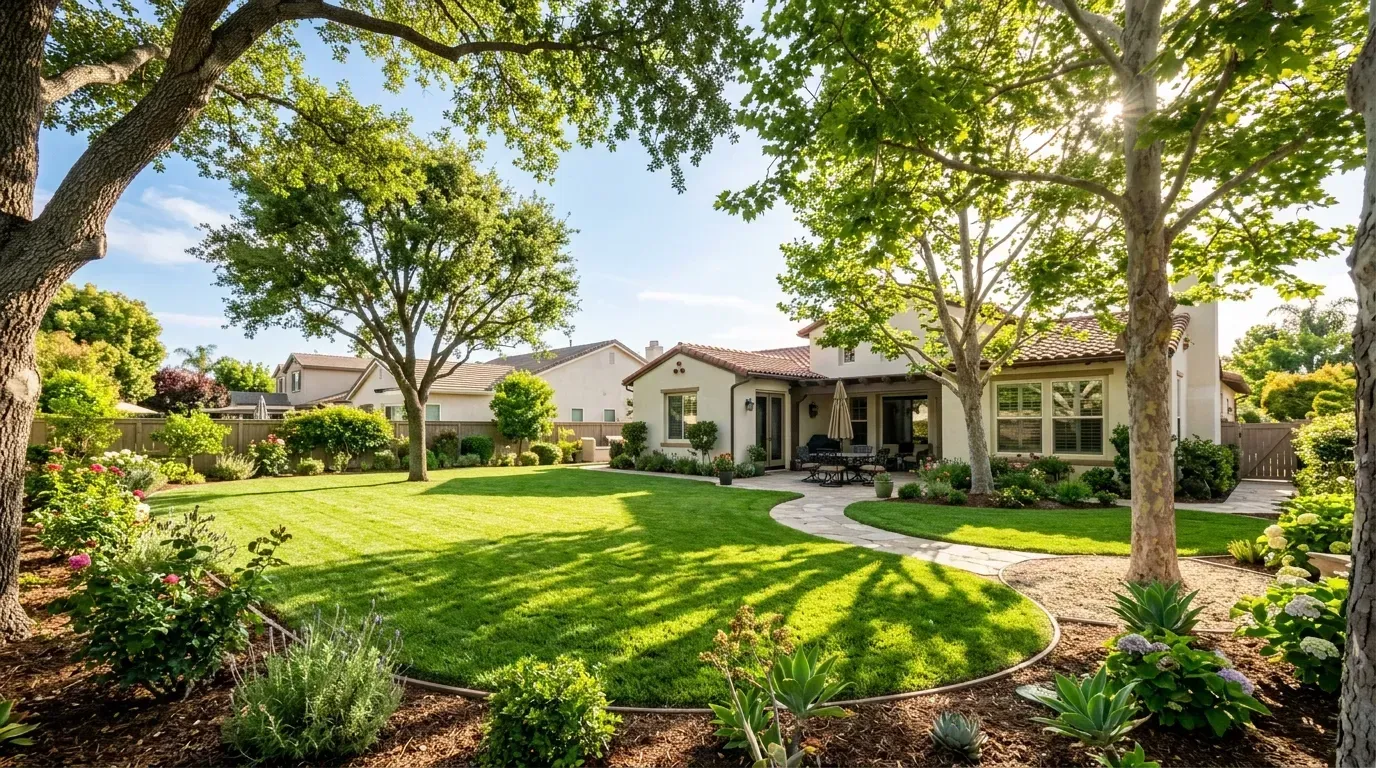
Consistent, high quality care yields tangible results. Property owners notice vigorous spring growth, vibrant foliage, and robust branch structures capable of withstanding local weather extremes. If you are unsure about the current condition of your landscape, it is always best to schedule an evaluation with a qualified professional to establish a customized management plan.
Frequently Asked Questions
How often should mature trees be trimmed in West Covina?
Most mature shade trees in West Covina require professional evaluation every three to five years. Fast growing species or fruit trees may need annual pruning to maintain shape and maximize yield. Dead or damaged branches should be removed immediately upon discovery.
Can improper trimming kill a tree?
Yes. Removing too much of the foliage at once starves the plant of its ability to photosynthesize. Improper cuts, such as topping or flush cuts, cause severe structural weaknesses and open the plant to fatal diseases and pest infestations.
Do I need a permit to prune trees on my property in West Covina, CA?
Routine pruning of standard private property trees typically does not require a permit. However, specific heritage species, parkway trees, or specimens located in the public right of way are subject to local municipal codes. It is highly recommended to consult with local authorities or a professional arborist before starting significant work.