When Dead or Diseased Trees Require Immediate Tree Removal Service
Dead and diseased trees pose significant structural and liability risks to property owners in West Covina, especially during severe weather events and windstorms. Identifying warning signs early, such as root rot, fungal growth, and structural cracking, allows for prompt professional intervention before property damage occurs. Utilizing a licensed local expert ensures safe, code compliant removal and protects the surrounding healthy landscape from contagious arboreal diseases
* Recognize visible decay indicators early, including trunk fractures, peeling bark, and canopy dieback.
* Address diseased trees immediately to stop aggressive pests like bark beetles from migrating to healthy vegetation.
* Hire licensed professionals to manage complex removals, ensuring total safety and protection from property liability.
Managing property in Southern California requires constant attention to landscape health. Mature trees add significant aesthetic value, regulate yard temperatures, and provide much-needed shade during hot summers. However, these natural assets can rapidly become severe liabilities. Dead or diseased trees pose an undeniable risk to residential homes, commercial buildings, and pedestrian walkways.
Recognizing the warning signs early allows property owners to mitigate hazards before catastrophic failure occurs. A decaying trunk or compromised root system is not just an aesthetic issue. It is a structural threat waiting to be triggered by seasonal weather shifts. For those managing real estate in the San Gabriel Valley, understanding exactly when to schedule professional intervention is critical for maintaining property safety and protecting your financial investment.
Visible Signs Your Tree Needs Immediate Attention
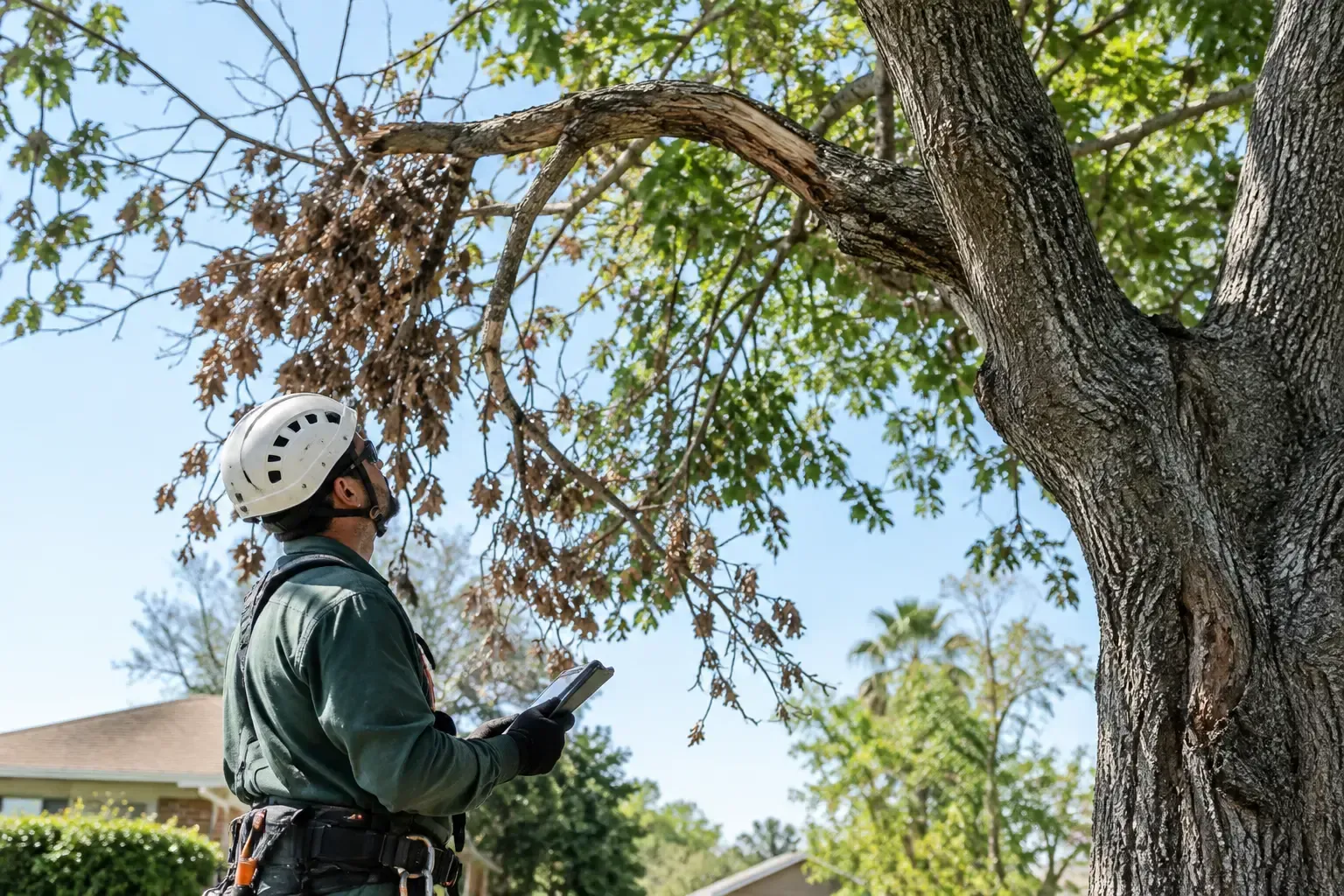
Trees communicate their declining health through several distinct physical indicators. By the time many homeowners notice these signs, the internal structure of the wood has often been failing for months or even years. Property managers must inspect their foliage regularly to catch these symptoms early.
Fungal Growth and Root Rot
Fungal growth at the base of the trunk represents a major red flag. Mushrooms, conks, or large shelf-like brackets growing directly out of the wood indicate advanced internal decay. Fungi feed exclusively on dead and rotting organic material. Their presence on a trunk means the structural integrity of the base is already heavily compromised.
Soil heaving around the base of the tree is a localized warning sign of root failure. If the ground appears lifted or cracked on one side of the trunk, the root system has likely snapped or uprooted beneath the surface. This creates an immediate, unpredictable tipping hazard.
Unexplained Branch Dieback and Leaf Loss
One of the most obvious warning signs of severe disease is widespread canopy dieback. If an established tree fails to produce leaves during the spring or begins shedding foliage aggressively outside of the normal autumn cycle, the vascular system is failing.
When assessing your property, look for these critical structural warnings:
- Deep, vertical fractures along the main central trunk.
- Large sections of peeling bark exposing smooth, dead wood underneath.
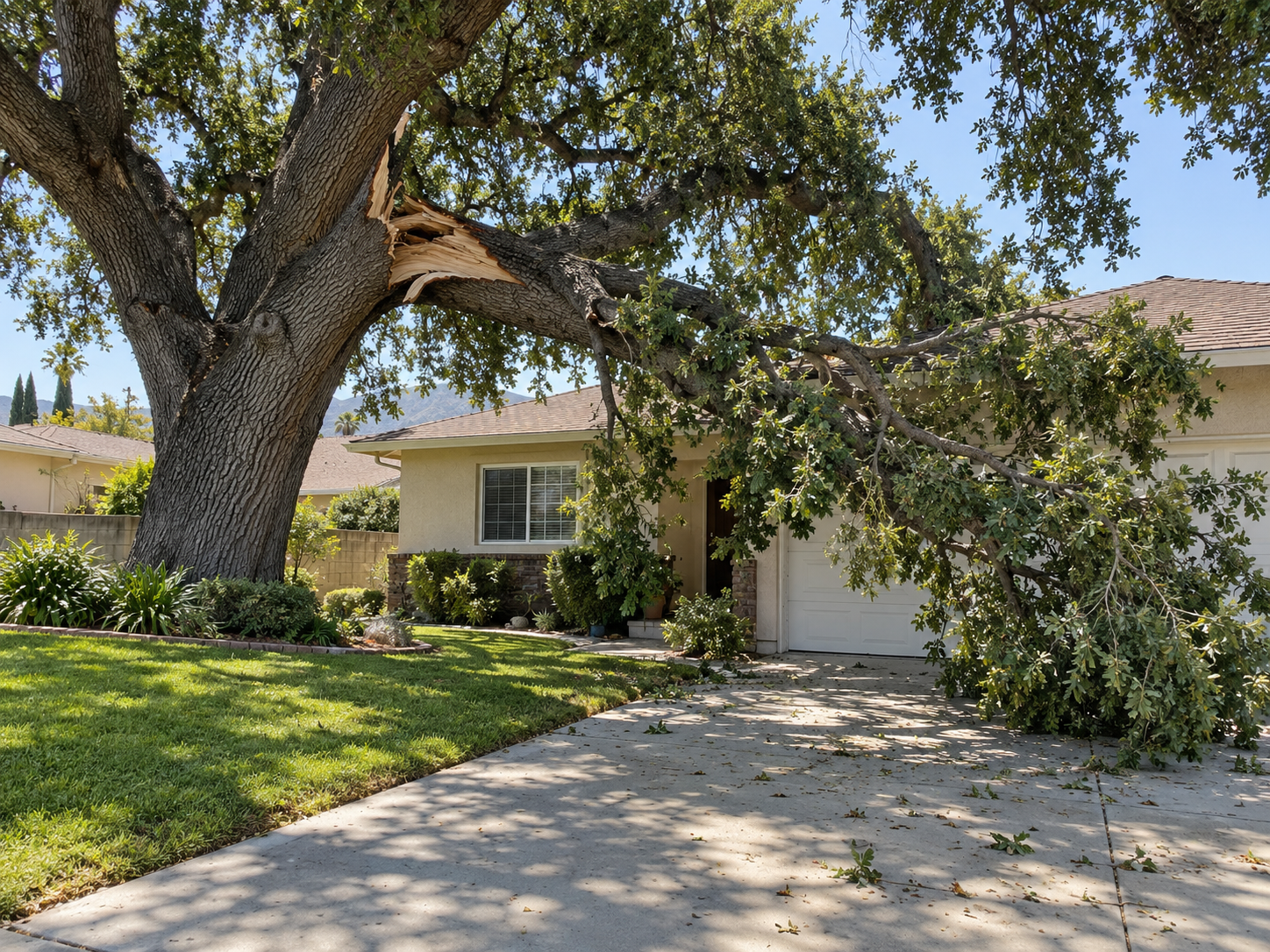
- An abrupt, unexplained lean that has developed after a recent storm.
- Spongy or decaying wood at the base near the soil line.
Why Prompt Tree Service Matters for Disease Control
Leaving a diseased plant on your property endangers every healthy organism in the vicinity. Many arboreal pathogens and pests are highly contagious and require a fast response. Bark beetles frequently target weakened vegetation. Once they colonize a dying specimen, they multiply rapidly and migrate to nearby healthy flora.
A professional tree service can accurately diagnose the specific pathogen afflicting your landscape. In some cases, localized fungal infections can be managed. In others, complete extraction is the only viable method to prevent an outbreak across the entire neighborhood. Root rot diseases, such as Phytophthora or Armillaria, spread aggressively through the soil. These microscopic pathogens travel via underground moisture and root-to-root contact. Removing the infected source is crucial for breaking the transmission cycle and protecting your remaining landscape.
| Tree Disease or Issue | Primary Symptoms | Risk to Surrounding Flora | Removal Urgency |
|---|---|---|---|
| Advanced Root Rot | Soil heaving, fungal conks at base, severe canopy thinning | High (Spreads rapidly through soil moisture) | Immediate |
| Bark Beetle Infestation | Small pitch tubes on trunk, reddish dust, rapid leaf death | Critical (Pests migrate to healthy trees quickly) | Immediate |
| Sudden Oak Death | Bleeding cankers on trunk, leaf spots, sudden browning | High (Airborne and waterborne pathogen spores) | High |
| Localized Branch Decay | Dead limbs, isolated peeling bark, small trunk cavities | Low (Unless structural balance is compromised) | Moderate (Requires pruning) |
The Impact of Local Climate on Compromised Trees in West Covina
West Covina, California, experiences a unique microclimate that places distinct stresses on residential landscaping. Prolonged periods of drought weaken the natural defenses of local species. Without adequate moisture, sap production drops significantly. Sap acts as a primary biological defense mechanism against boring insects and fungal spores. When a tree enters a state of deep drought stress, it becomes highly susceptible to rapid, irreversible decline.
Furthermore, the region is notorious for intense seasonal winds. The Santa Ana winds can generate powerful gusts capable of snapping heavy limbs or toppling entire trunks. A tree with internal decay or a compromised root system stands little chance against these sudden atmospheric shifts. Dead branches act as giant sails catching the wind. Without the natural flexibility of living wood, they snap and become dangerous projectiles.
For property owners in the 91790 area, maintaining a safe perimeter is a legal and financial necessity. If a dead tree from your yard falls onto a neighbor's roof, a parked vehicle, or a public sidewalk, the liability rests entirely on your shoulders. Insurance companies frequently investigate whether property damage resulted from an unpredictable weather event or from owner negligence. Ignoring a visibly diseased tree firmly falls under negligence. Addressing these hazards before wind season arrives is the most effective way to protect your financial assets and limit liability.
Differentiating Between Pruning and Complete Extraction
Not every sick tree requires a chainsaw. Accurate diagnosis is the cornerstone of responsible landscape management. Many homeowners mistakenly assume that a tree with a few dead branches is entirely dead. Often, strategic structural pruning can eliminate the hazard, redirect healthy growth, and save the specimen.
For targeted intervention, utilizing a professional tree trimming service removes localized rot or storm-damaged limbs. This careful process reduces the canopy weight, improves wind circulation, and allows the root system to redirect vital nutrients to the healthy portions of the plant.
However, when decay penetrates the main trunk or affects more than thirty percent of the overall canopy, pruning is no longer effective. At this stage, the structural integrity is compromised beyond repair. Trying to save a tree in the final stages of irreversible decline only prolongs the inevitable and increases the risk of property damage. Property owners must pivot from preservation to safe, systematic extraction.
Navigating High-Risk Situations and Emergency Clearances
Certain scenarios demand immediate, same-day intervention. If a heavy storm recently passed through West Covina and you notice a tree leaning at a new, precarious angle, the situation is classified as an active hazard. Splitting trunks, hanging limbs suspended above walkways, or trees actively interfering with power lines require specialized handling.
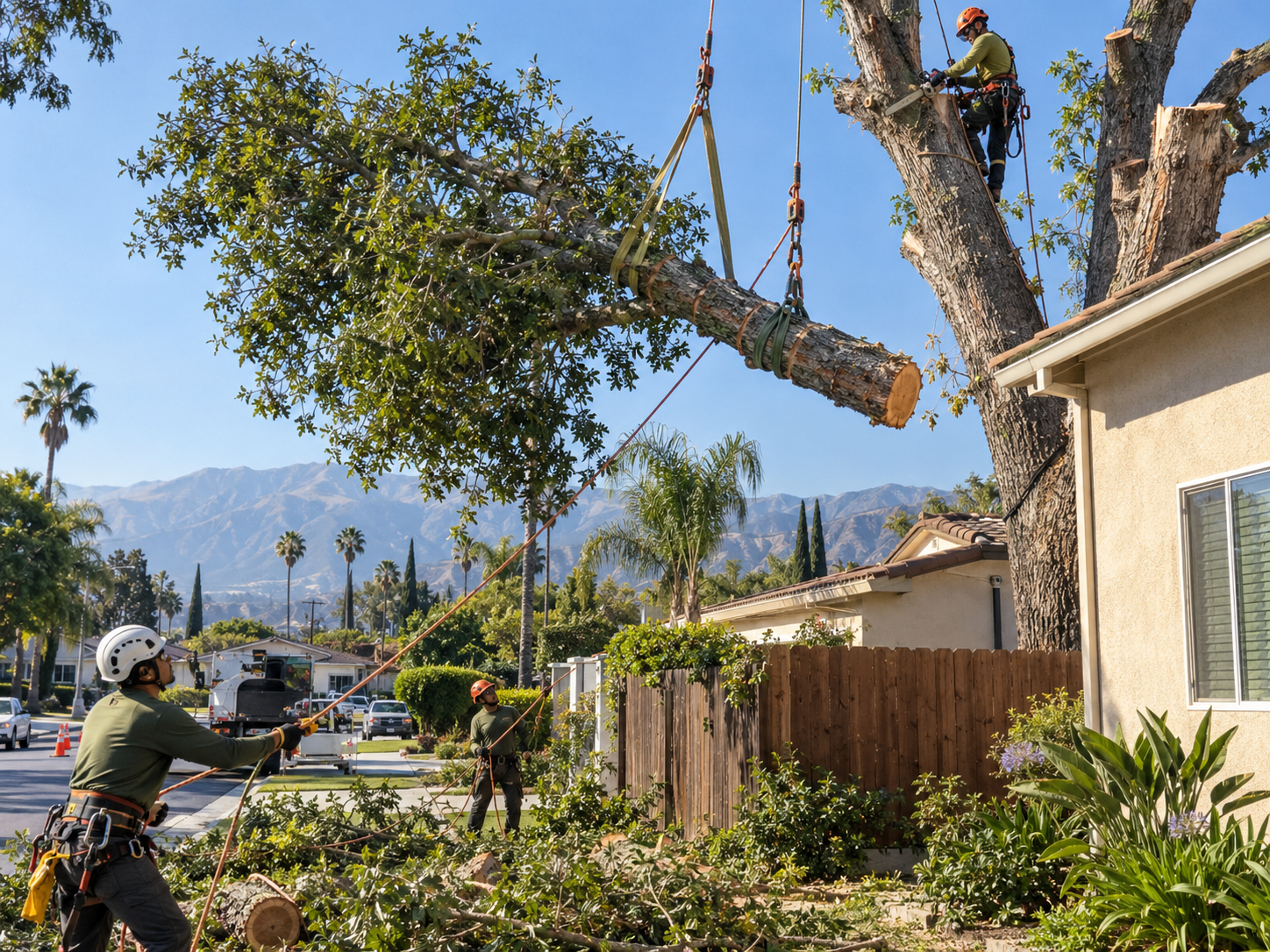
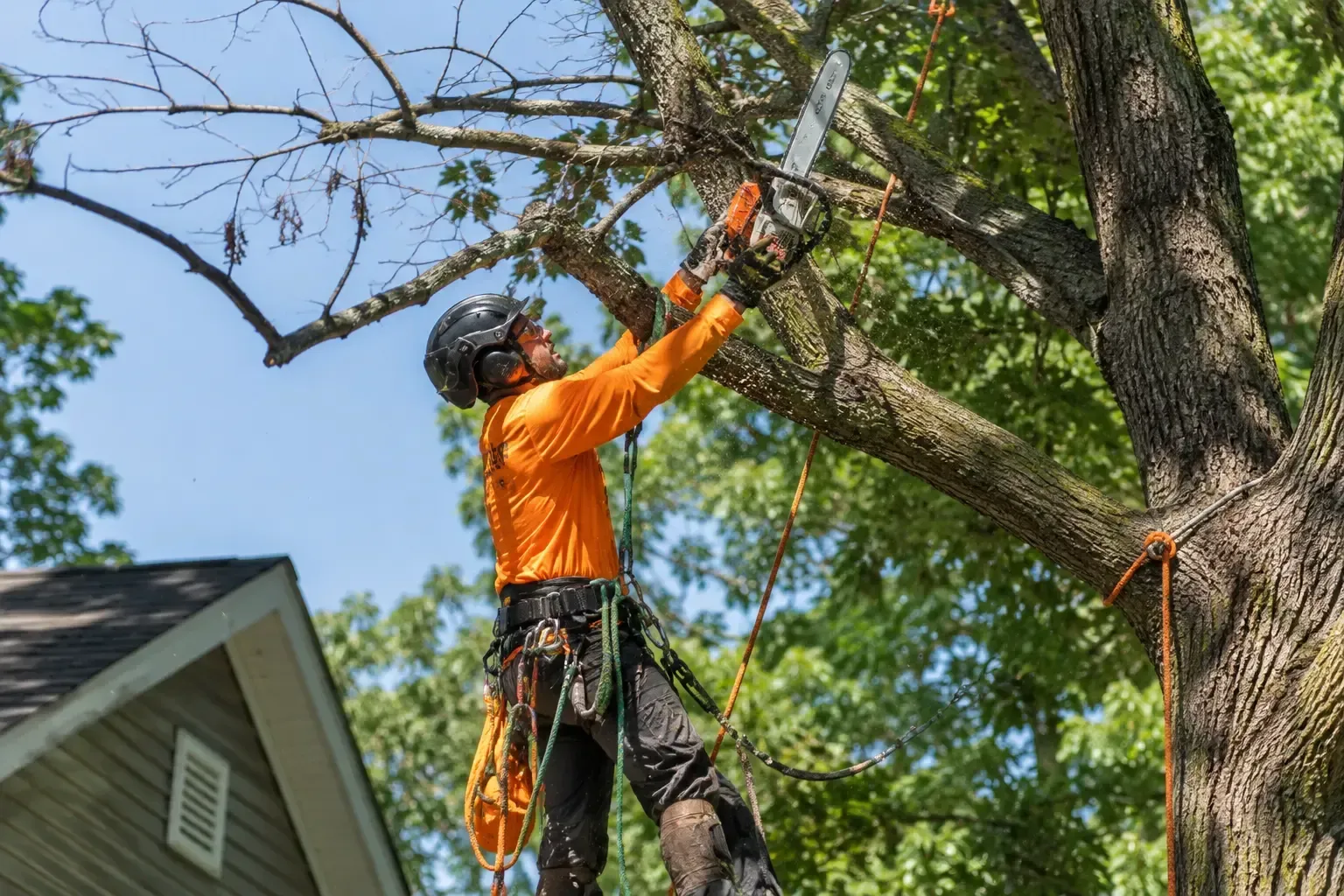
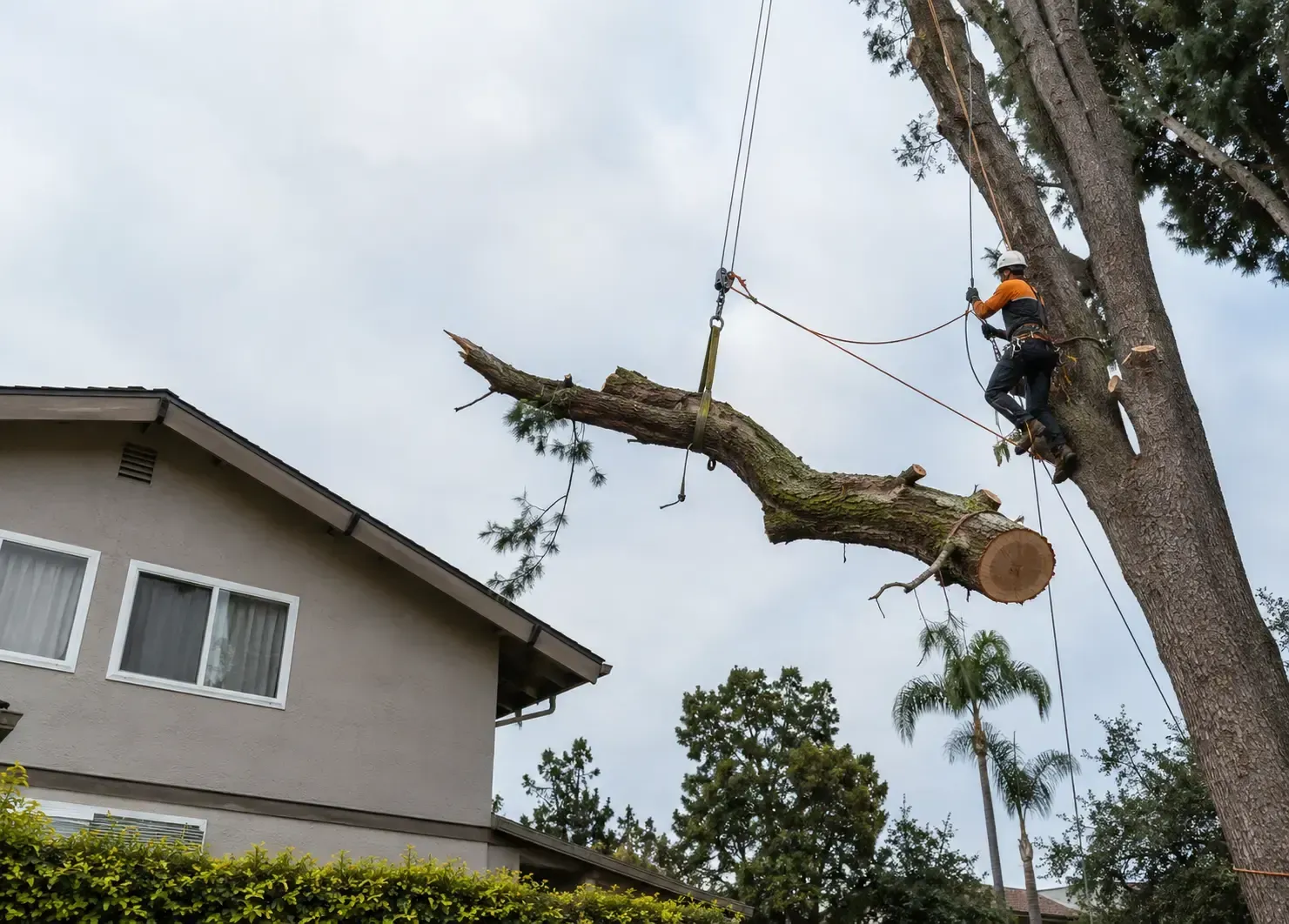
In these volatile situations, standard landscaping procedures do not apply. Securing an emergency tree removal crew ensures that heavy-duty rigging equipment, cranes, and specialized safety protocols are utilized. Attempting to cut or move a structurally unstable tree without proper engineering knowledge frequently results in severe injury or worse. Professional crews assess the tension and compression forces within the wood to dismantle the hazard piece by piece. This allows them to safely lower massive sections of timber without damaging the structures below.
Partnering With a Reputable West Covina Provider
Managing hazardous vegetation requires technical expertise, specialized equipment, and comprehensive liability insurance. When a massive tree needs to be safely dismantled, relying on a licensed and insured professional is absolutely non-negotiable. Tree Service West Covina provides precise, safe, and efficient solutions tailored to the specific needs of local homeowners and commercial property managers.
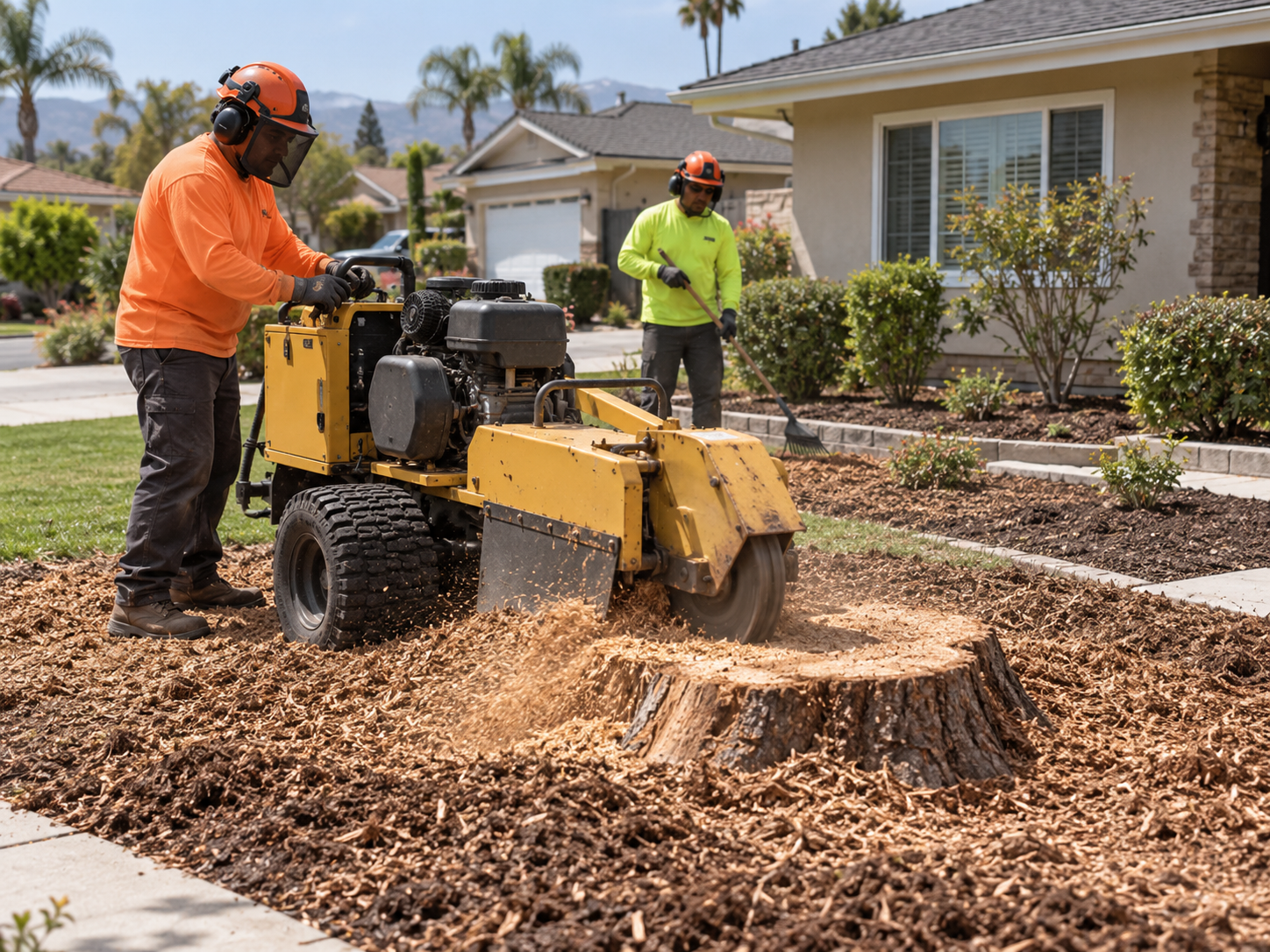
Operating locally out of West Covina, CA, our team understands the local soil conditions, native species, and municipal regulations governing vegetation management. We manage every aspect of the process. From the initial hazard assessment to the final cleanup and stump grinding, we ensure your property remains pristine and secure.
If you suspect a tree on your property is dead, diseased, or posing a structural threat, taking proactive steps is your best defense. Securing an expert tree removal service eliminates the guesswork and restores total safety to your landscape. Do not wait for the next severe storm to expose the vulnerabilities in your yard. Call us at +1 909 362-8885 to schedule a comprehensive property evaluation today.
Frequently Asked Questions
How can I tell if a tree is completely dead or just dormant?
Dormant trees will still have living, green tissue beneath their outer bark. You can perform a simple scratch test on a small twig using a pocket knife. If the layer underneath is brown, brittle, and dry, that specific branch is dead. If the entire tree exhibits dry branches, severe bark loss, and absolutely no bud development during the active growing season, it is likely dead and requires a professional assessment.
Does my homeowner's insurance cover the cost of removing a diseased tree?
Standard homeowner's insurance policies typically do not cover routine or preventative maintenance, which includes removing a diseased or dead tree before it actually falls. However, if a tree falls and damages a covered structure due to a covered peril like a severe windstorm, the policy may help pay for the structural repairs and the subsequent debris removal. It is always best to check directly with your specific insurance provider.
Do I need a permit to take down a tree on my private property in West Covina?
The City of West Covina has specific municipal codes protecting certain heritage trees, parkway trees, and specific native California species. Even on private residential property, removing a protected species or a tree of a certain diameter may require an official permit from the city. Working with a local, licensed professional ensures full compliance with all municipal regulations before any cutting begins.