Ivy Removal in West Covina: How to Protect Your Home, Walls, and Trees
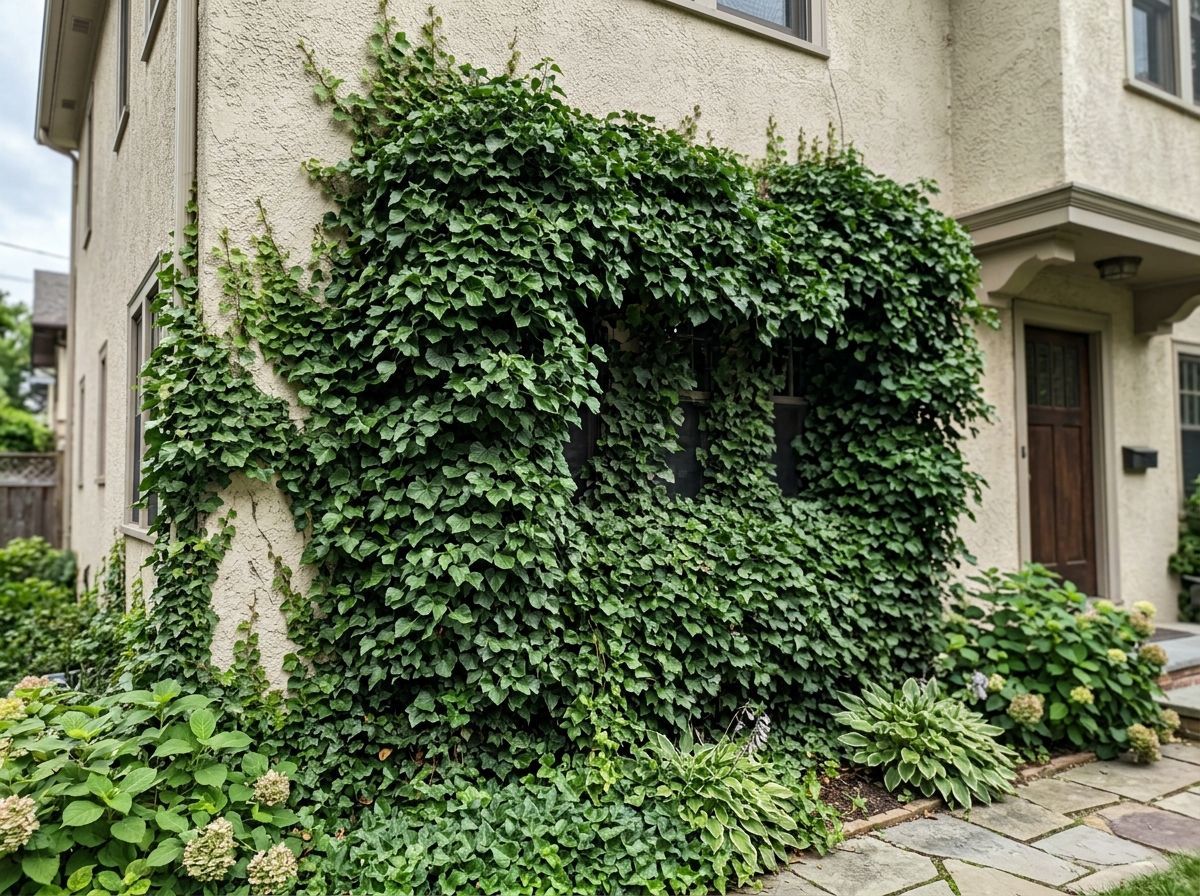
Lush green vines scaling the side of a house or wrapping around a mature oak can look picturesque. Many homeowners in Southern California intentionally plant clinging vines to achieve a classic, established aesthetic for their properties. However, beneath that vibrant foliage lies a relentless and potentially destructive force. Left unmanaged, invasive creeping plants will aggressively compromise the structural integrity of your home, deteriorate your fences, and suffocate your landscaping.
For residents dealing with this aggressive vegetation, understanding the mechanics of how these plants grow is the first step toward protecting your property. The climate in West Covina provides the ideal conditions for invasive species to thrive year-round. Without seasonal hard freezes to naturally curb their expansion, these vines grow continuously. Managing them requires a strategic approach to ensure your walls remain intact and your landscape stays healthy.
The Hidden Structural Threats to Your Home
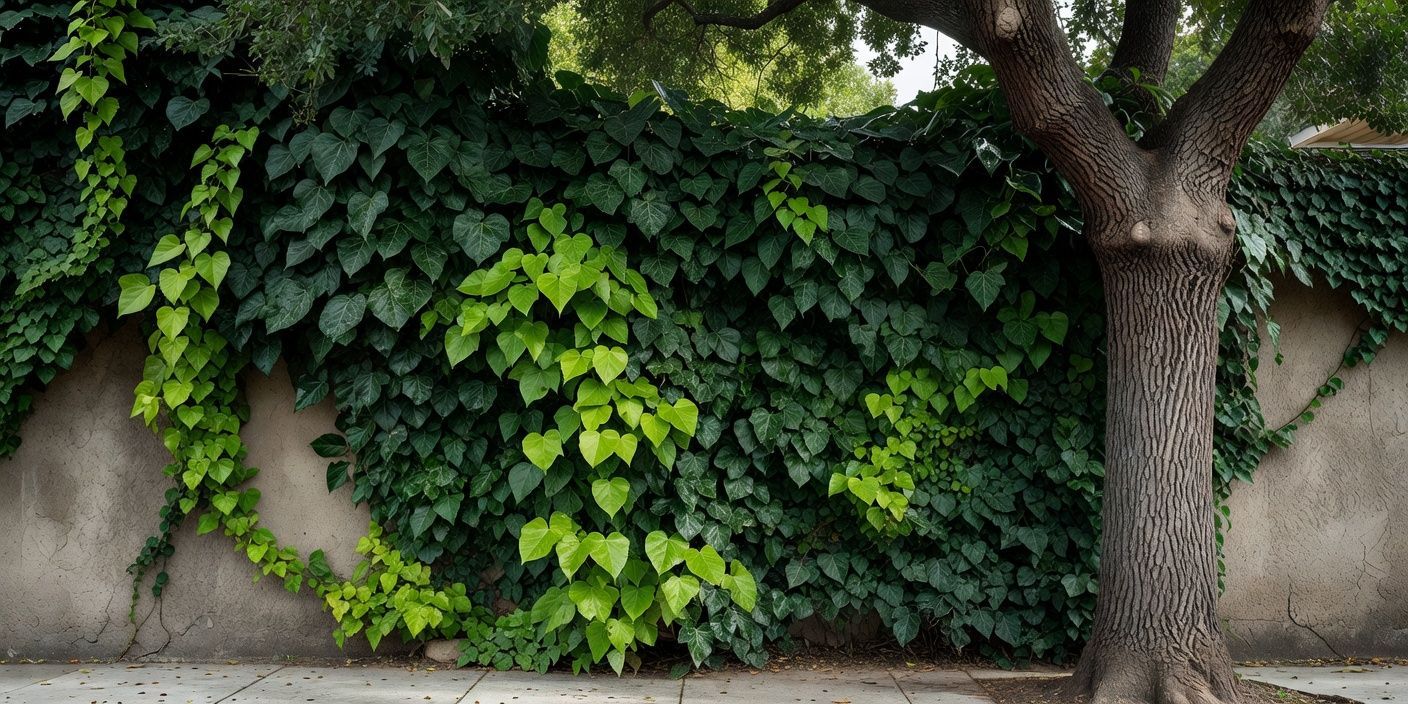
Vines do not simply lean against a structure. They actively anchor themselves into the surface using thousands of microscopic aerial rootlets. These rootlets secrete a specialized biological adhesive that binds tightly to almost any material. Once attached, the roots begin seeking moisture and tiny crevices to exploit.
When climbing plants attach to wood siding, they hold moisture directly against the timber. This constant dampness accelerates wood rot and creates an ideal environment for termites, carpenter ants, and other wood-destroying pests. Over time, the structural boards weaken, requiring expensive replacements and extensive carpentry repairs.
Stucco and brick homes face an entirely different set of vulnerabilities. The microscopic roots find their way into the smallest hairline fractures in mortar or stucco. As the plant grows, these roots expand, slowly widening the cracks and causing the exterior finish to crumble. Pulling a mature vine directly off a painted or stucco surface will often tear away the top layer of the building materials.
Beyond the siding, creeping vegetation frequently invades gutters, soffits, and roofing tiles. Once a vine reaches the roofline, it can easily pry shingles apart. This exposes the underlying roof deck to rainwater and leads to interior leaks that may go unnoticed until severe damage has occurred.
Why Ivy is a Major Threat to Proper Tree Care
While buildings suffer physical deterioration from climbing plants, living landscapes face a biological battle for survival. Many property owners assume that mature trees are strong enough to withstand climbing vegetation. The reality is quite the opposite. Proper tree care requires keeping trunks and canopies completely clear of parasitic and competing growth.
When a vine anchors itself to a tree trunk, it immediately begins competing for the exact same resources the tree needs. The dense root systems of invasive vines form a thick mat across the soil surface. This mat intercepts rainwater and absorbs essential soil nutrients before they can reach the deeper root system of the host tree.
As the vine climbs higher, the threat becomes more severe. The dense foliage of the climbing plant wraps around the trunk, trapping moisture against the bark. This prevents the bark from breathing and encourages fungal diseases, bacterial infections, and rot. Furthermore, this hidden environment provides a safe harbor for boring insects to attack the host without being noticed by the property owner.
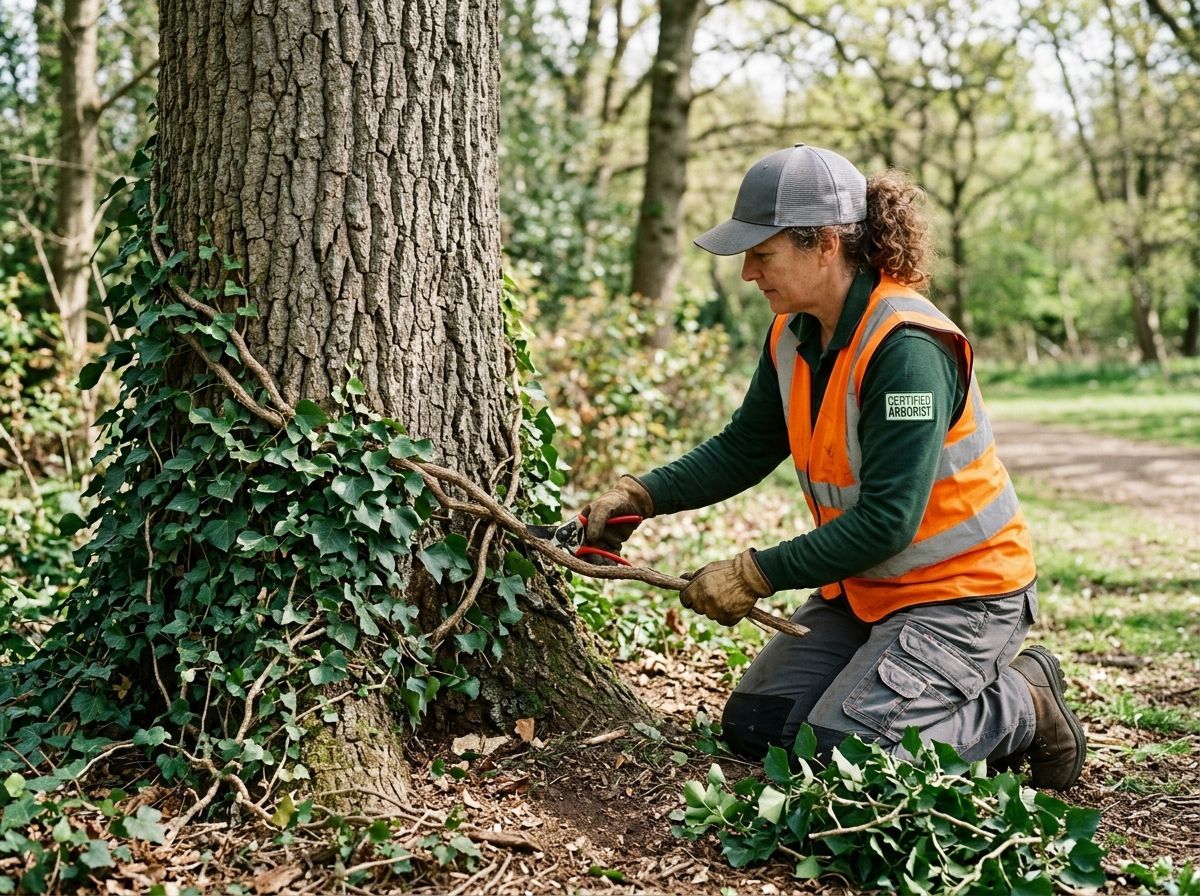
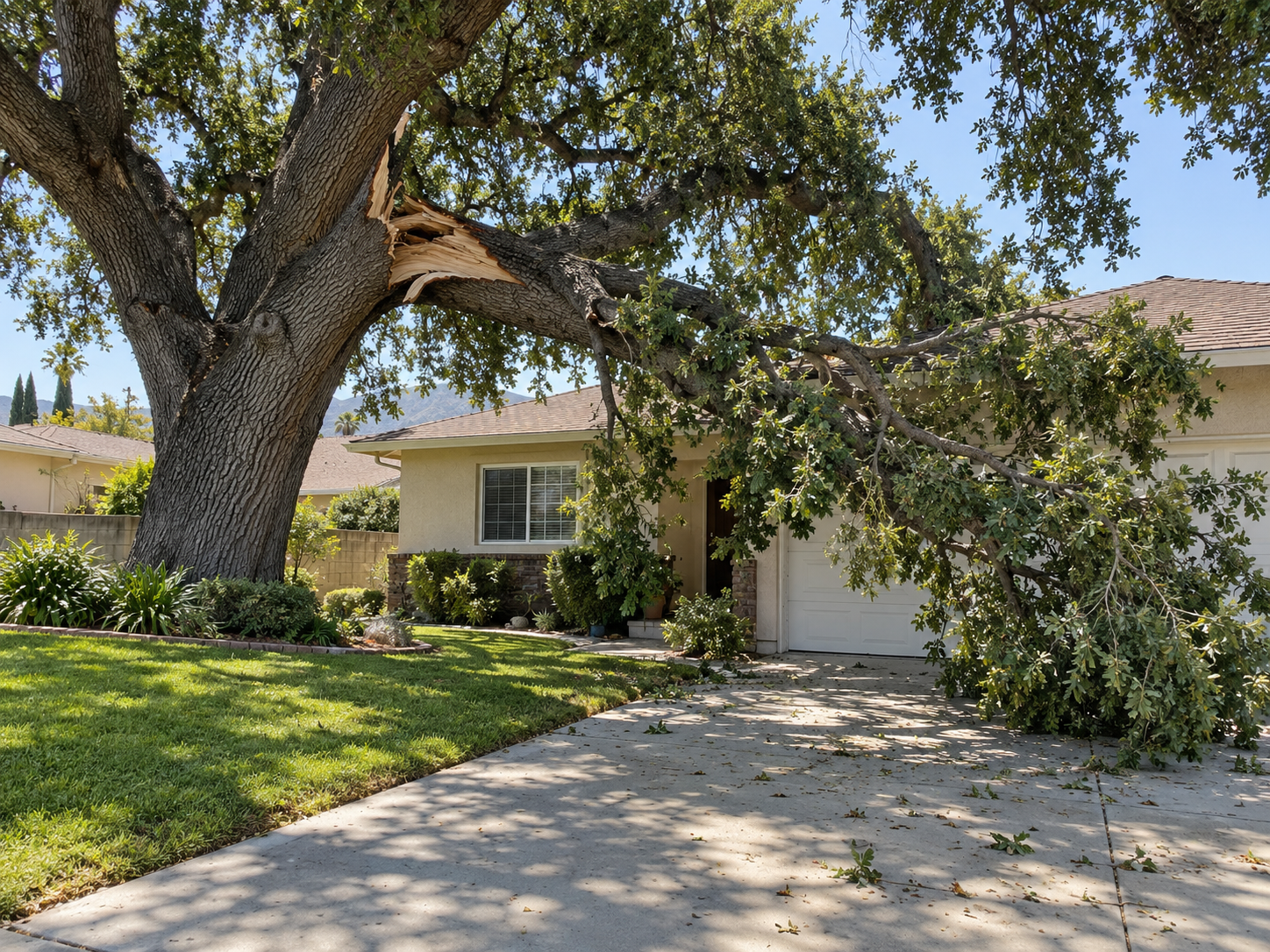
The most critical danger occurs when the vines reach the upper canopy. The climbing foliage spreads out over the tree branches, effectively blocking sunlight from reaching the host tree's leaves. Without adequate sunlight, the tree cannot photosynthesize effectively, leading to a slow decline in health. Additionally, mature vines add immense weight to the branches. During the heavy windstorms that occasionally hit West Covina, this added mass significantly increases the likelihood of catastrophic limb failure.
Analyzing the Impact of Common Climbing Vines
Different species of climbing plants present varying levels of risk to your property. Understanding what type of vegetation you are dealing with helps dictate the urgency and method of removal.
| Vine Species | Growth Rate | Threat to Structures | Threat to Trees | Recommended Action |
|---|---|---|---|---|
| English Ivy | Very Fast | High (damages mortar, stucco, wood) | Severe (strangles trunks, blocks light) | Immediate professional removal |
| Algerian Ivy | Fast | High (heavy foliage traps moisture) | High (competes for soil nutrients) | Controlled eradication |
| Creeping Fig | Fast | Severe (adhesive destroys paint/stucco) | Low to Moderate | Strict pruning or complete removal |
| Boston Ivy | Moderate | Low (attaches with gentle suction cups) | Low | Regular monitoring and trimming |
Professional Ivy Removal Versus Risky DIY Approaches
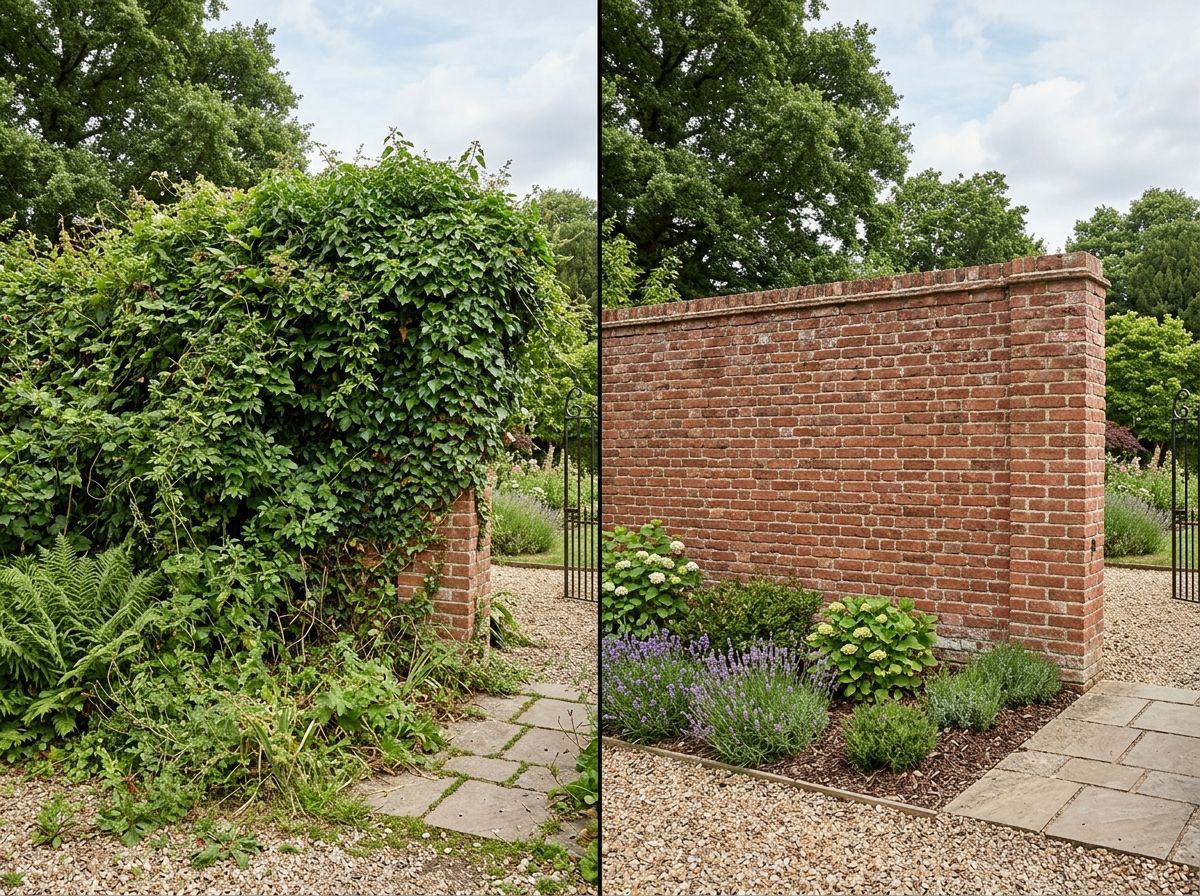
Attempting to clear mature vines without professional experience often leads to property damage and personal injury. Homeowners frequently make the mistake of aggressively pulling live vines off their walls or fences. Because the biological adhesive is incredibly strong, ripping the plant away will pull off paint, rip out mortar, and destroy stucco finishes.
A professional ivy removal strategy prioritizes the safety of the underlying structure. The standard method for clearing trees, known as creating a "life ring" or "window," involves carefully severing the vines at the base of the trunk. The root system in the ground is completely dug out and eradicated. The vines currently attached to the upper tree or structure are then left alone for several weeks to die.
As the severed vines dry out, their rootlets shrink and lose their adhesive grip. Only after the plant material is completely dead and brittle do professionals begin the gentle process of brushing and removing the debris from the bark or siding. This patient, methodical approach guarantees that the host tree or building exterior sustains zero collateral damage during the clean-up process.
Additionally, trained technicians know how to safely navigate the thick brush that often hides hazards like wasp nests, concealed structural damage, or hidden electrical wiring. Handling chemical treatments to prevent regrowth also requires precise application to ensure surrounding ornamental plants are not inadvertently harmed.
Identifying Signs You Need Expert Tree Service
Sometimes the damage inflicted by invasive vines has already progressed too far by the time the homeowner decides to take action. It is vital to assess the health of your landscape immediately after clearing away heavy vegetation.
If a tree has been suffocated by vines for several years, you may notice large sections of the canopy that fail to produce leaves in the spring. You might also spot deep rot pockets in the trunk where moisture was trapped against the bark. These are clear indicators that the structural integrity of the wood has been compromised.
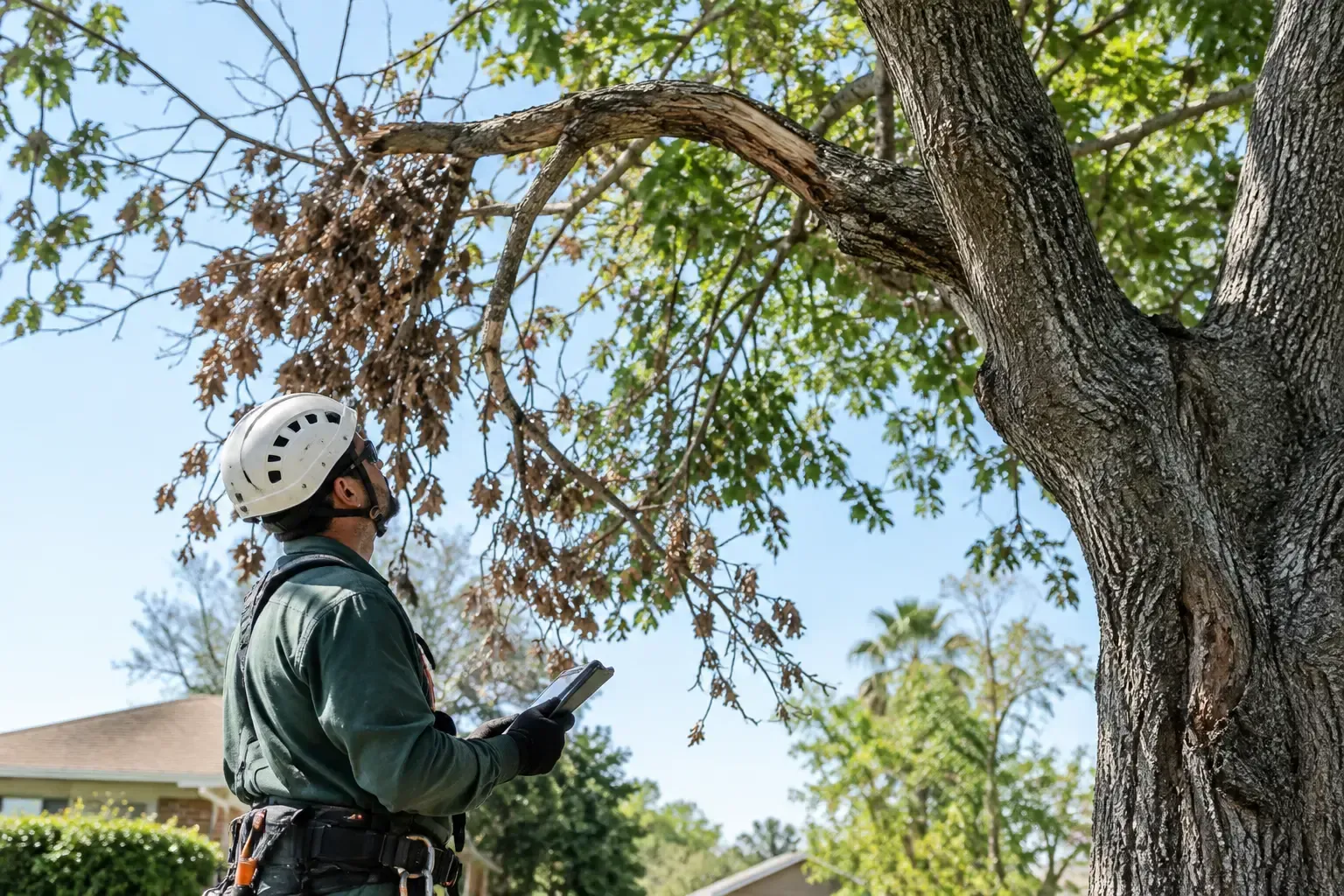
In these situations, standard pruning is no longer sufficient. You will need a comprehensive tree service evaluation to determine if the specimen can be saved. Sometimes, strategic restorative pruning can remove the deadwood and allow the tree to recover. This is where professional tree trimming techniques are applied to stimulate new, healthy growth while safely eliminating the dangerous, weakened branches.
However, if the rot is extensive or the root system has failed due to nutrient starvation, the tree may pose a severe fall hazard. In such cases, safe and controlled removal is the only option to protect your home and your family. Relying on an experienced local company ensures that these high-risk removals are handled safely and legally.
Comprehensive Solutions for West Covina Homeowners
Maintaining a safe and beautiful property requires continuous vigilance against invasive plant species. Property owners in West Covina benefit greatly from partnering with local experts who understand the regional soil types, native tree species, and local climate patterns.
Our team at Tree Service Perfection West Covina is deeply familiar with the challenges homeowners face when dealing with aggressive vegetation. We provide tailored solutions that prioritize the long-term health of your landscape and the preservation of your property value. You can learn more about our commitment to industry-leading techniques and customer satisfaction by reviewing our operational standards.
Protecting your exterior walls, roofline, and mature landscape requires a proactive stance. Do not wait for the vegetation to reach your gutters or engulf your oak trees before taking action. Early intervention is always less expensive and less disruptive than repairing structural rot or removing a dead tree.
If you are currently battling aggressive vines, overgrown canopies, or questionable property hazards, we are ready to assist. Reach out and contact our local team today to schedule a thorough property assessment. We will walk the grounds with you, evaluate the health of your trees, inspect your exterior walls, and develop a precise plan to restore the safety and beauty of your property.
Frequently Asked Questions
How long does it take for climbing vines to damage exterior walls?
Damage can begin occurring within a single growing season. As soon as the rootlets attach to the microscopic cracks in stucco or wood, they begin holding moisture against the surface. Within a year, you may notice paint peeling, and within a few years, significant wood rot or mortar deterioration will occur.
Can I just cut the vines at the bottom and leave the rest on the wall?
While cutting the base will kill the upper plant, leaving dead vines on your wall is not recommended long-term. Dead vines dry out and become a significant fire hazard, particularly during dry Southern California summers. They also continue to trap debris and moisture against your siding.
Will professional removal kill the underlying plant or tree?
No, professional methods are specifically designed to save the host tree. By severing the vines at the base and allowing them to naturally die and release their grip, experts ensure the tree's bark is not damaged during the removal process. Careful extraction methods protect the vascular system of your trees.