Can Overgrown Tree Branches Become a Liability on Your Property?
Key Takeaways and Insights
Overgrown tree branches are more than just an eyesore; they represent a significant financial and legal liability for homeowners. By ignoring proper canopy maintenance, you risk devastating roof damage, power line hazards, and costly neighbor disputes. Proactive tree care protects your property value and ensures the safety of everyone around your home.
* Overhanging branches can severely damage your roof and create extreme hazards near power lines.
* Property owners are legally responsible for damages or injuries caused by dead or neglected trees on their land.
* Routine professional pruning is significantly cheaper and safer than paying for reactive storm damage repairs.
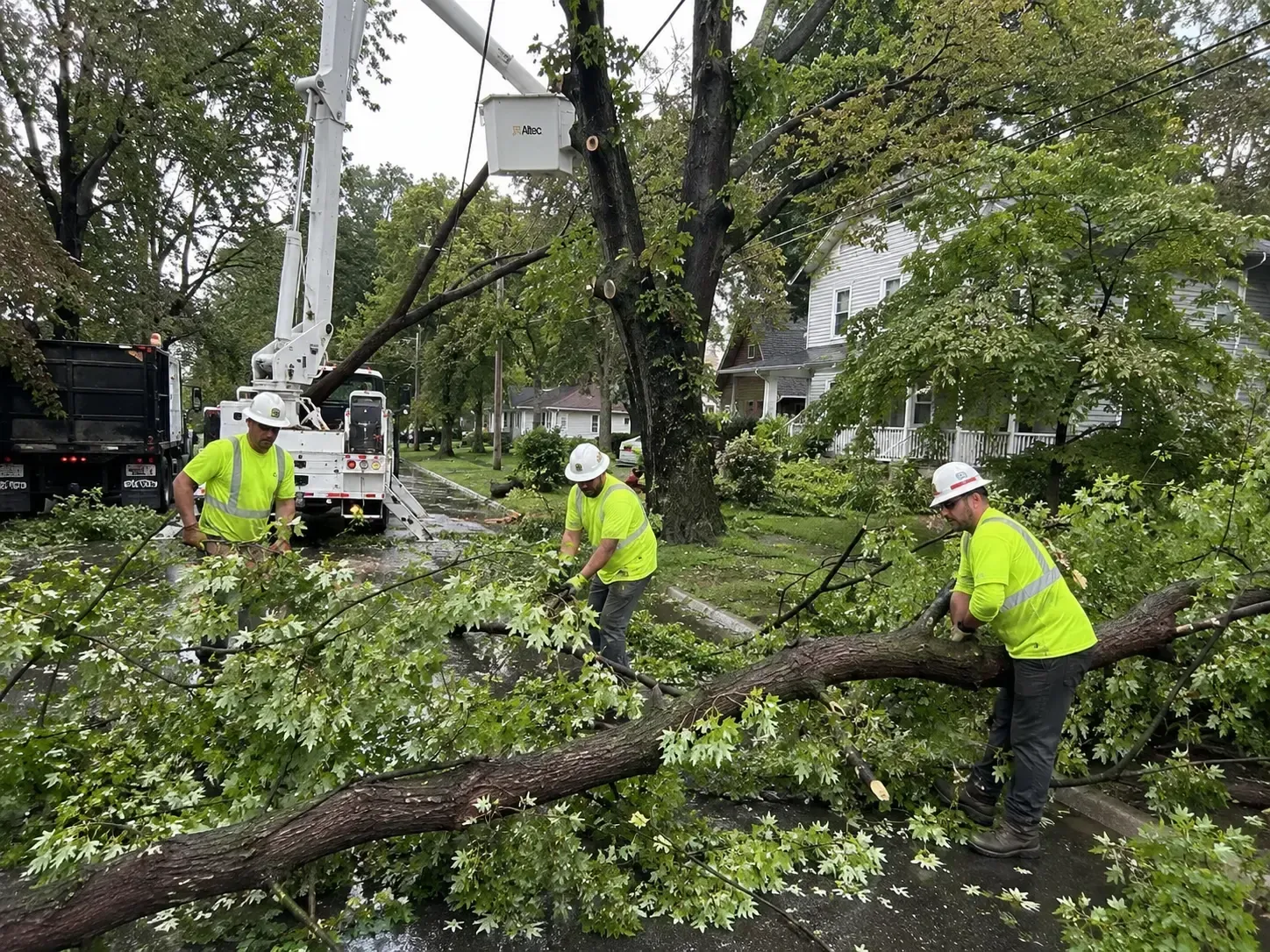
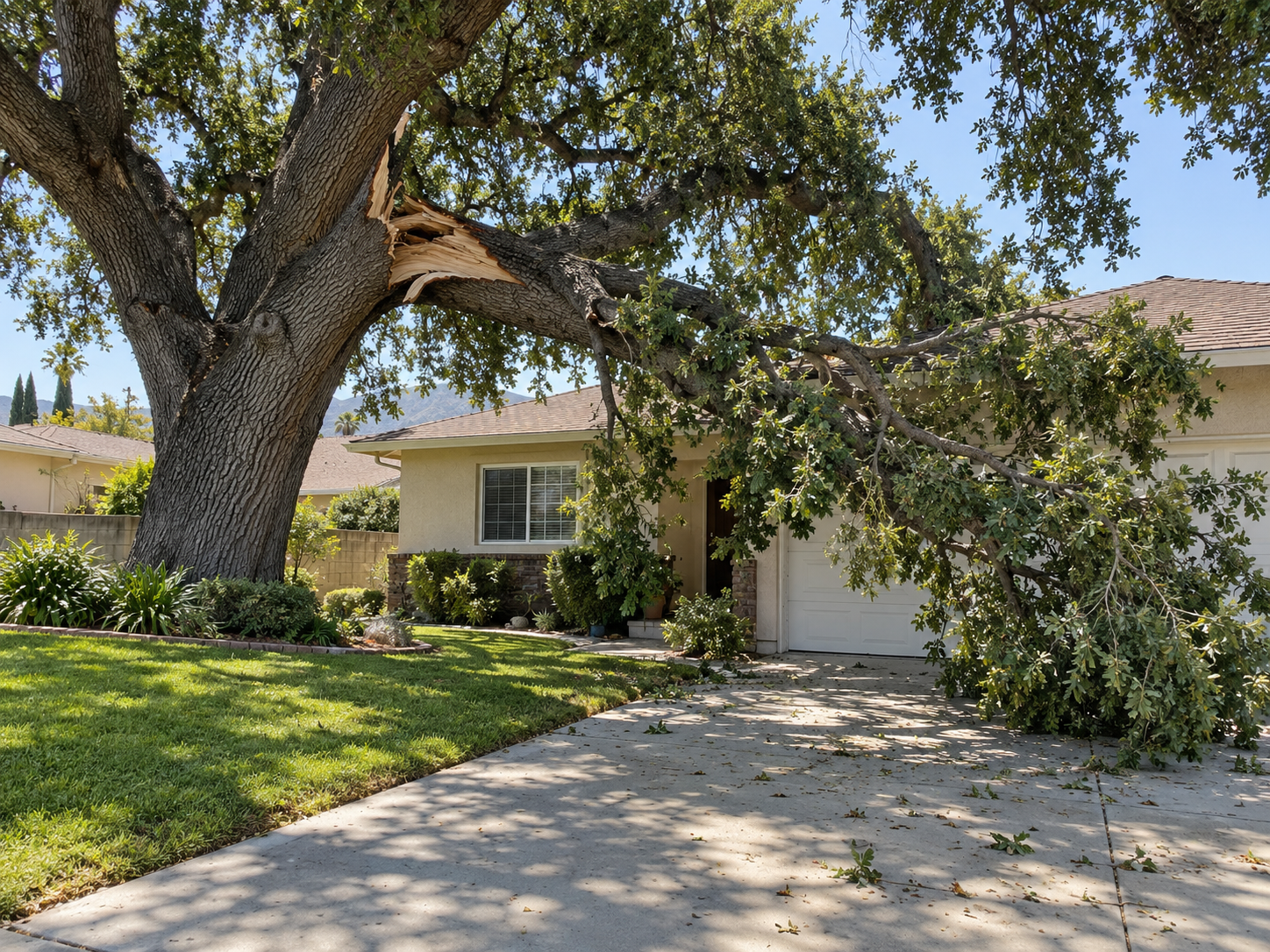
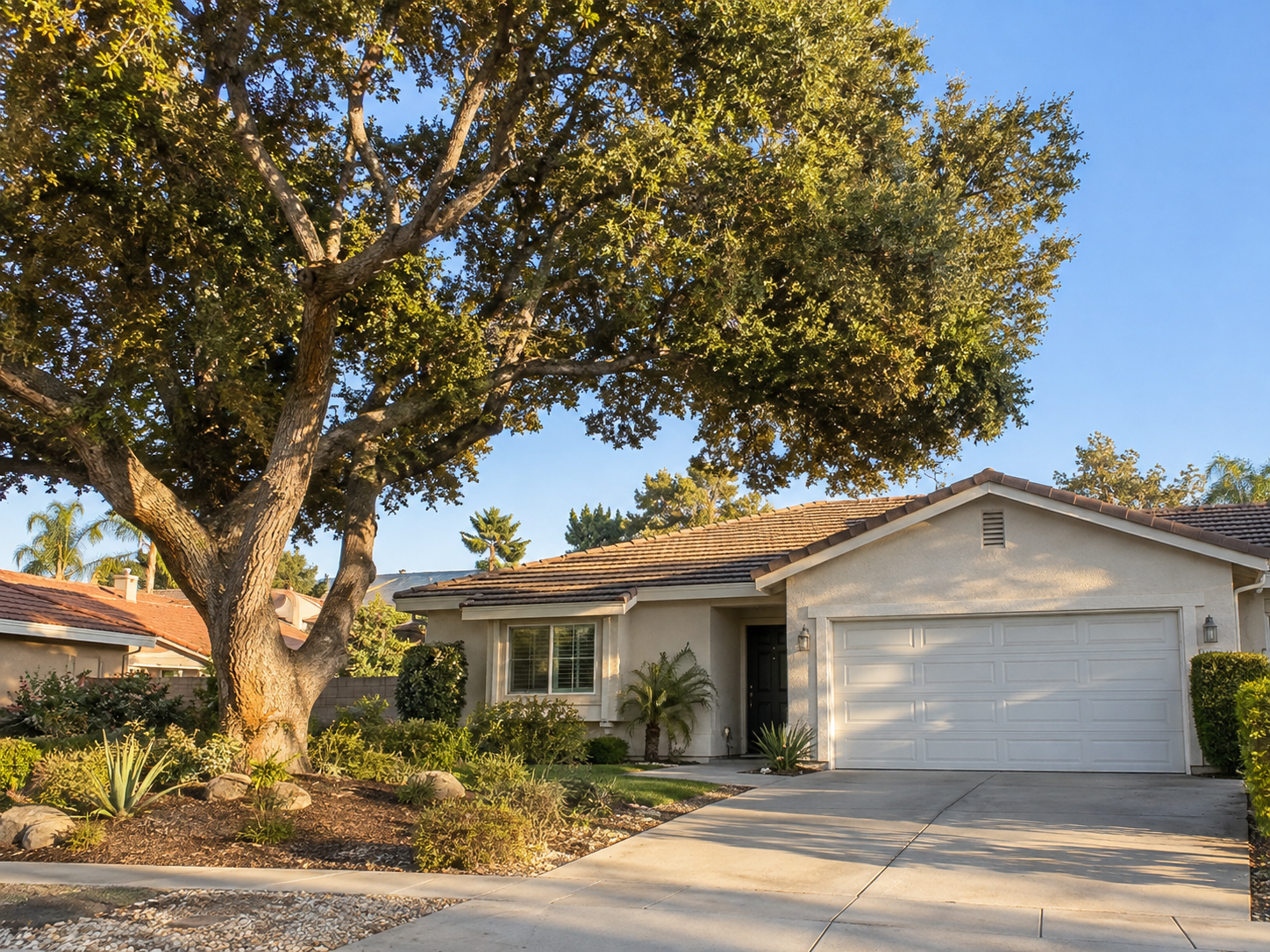
Trees bring shade and beauty to your yard, making your home look welcoming and established. But those same trees require regular attention, or they can turn into dangerous hazards. Heavy branches hanging over your roof pose a hidden threat to your home. A strong gust of wind can snap them off, and the resulting damage is often severe. You might face incredibly high repair costs, or even legal trouble if someone gets hurt.
Property owners are responsible for keeping their land safe, and managing your trees is vital. Ignoring an overgrown canopy is a gamble that risks damaging your own home. You also risk harming your neighbors or visitors if a heavy branch falls unexpectedly. If you need a reliable partner to handle this work, the experts at Tree Service West Covina are ready. You can explore our comprehensive tree care options to see how we maintain safe landscapes.
The Physical Risks of Unmanaged Canopies
Trees grow continuously, and their branches stretch out as they search for sunlight. Over time, these branches become heavy, which puts extra stress on the trunk. It also puts stress on the main limbs, making the tree unbalanced and unstable.
Roof and Structural Damage
Overgrown branches often reach out over houses, causing a very common problem in residential neighborhoods. The wind blows, and the branches scrape heavily against your roof shingles. This constant friction wears away the protective surface, allowing water to seep into your attic. This trapped moisture eventually leads to dangerous mold growth and extensive wood rot.
Sometimes the danger is much more immediate, especially if a large branch breaks off entirely. If a heavy branch crashes through your roof, the structural damage will be massive. You will have to replace broken rafters, damaged decking, and missing shingles. Rainwater will pour into your living space, and repairing this damage costs thousands of dollars.
Hazards to Power Lines
Trees and electricity are a dangerous combination, making branches near power lines a major hazard. High winds can push limbs into the wires, causing power outages for your entire street. This unwanted contact can also spark dangerous electrical fires in your neighborhood.
Never try to trim branches near power lines yourself, because it is strictly for professionals. Touching a live wire will cause severe injury, so property owners must hire qualified experts. These trained professionals will clear these specific electrical hazards safely and properly.
Understanding California Property Laws
The law expects property owners to maintain safe premises at all times. This legal concept is called premise liability, meaning you are responsible for injuries on your land. An overgrown, dead, or rotting tree is considered a recognized hazard by the courts.
If you know a tree is dangerous, you must take action to fix the problem. If you ignore a rotting branch and it hits a delivery driver, you can be sued. The injured person can claim compensation for medical bills, lost wages, and physical pain. Your homeowner insurance might cover some costs, but your premium rates will likely increase dramatically.
Neighbor Disputes Over Branches
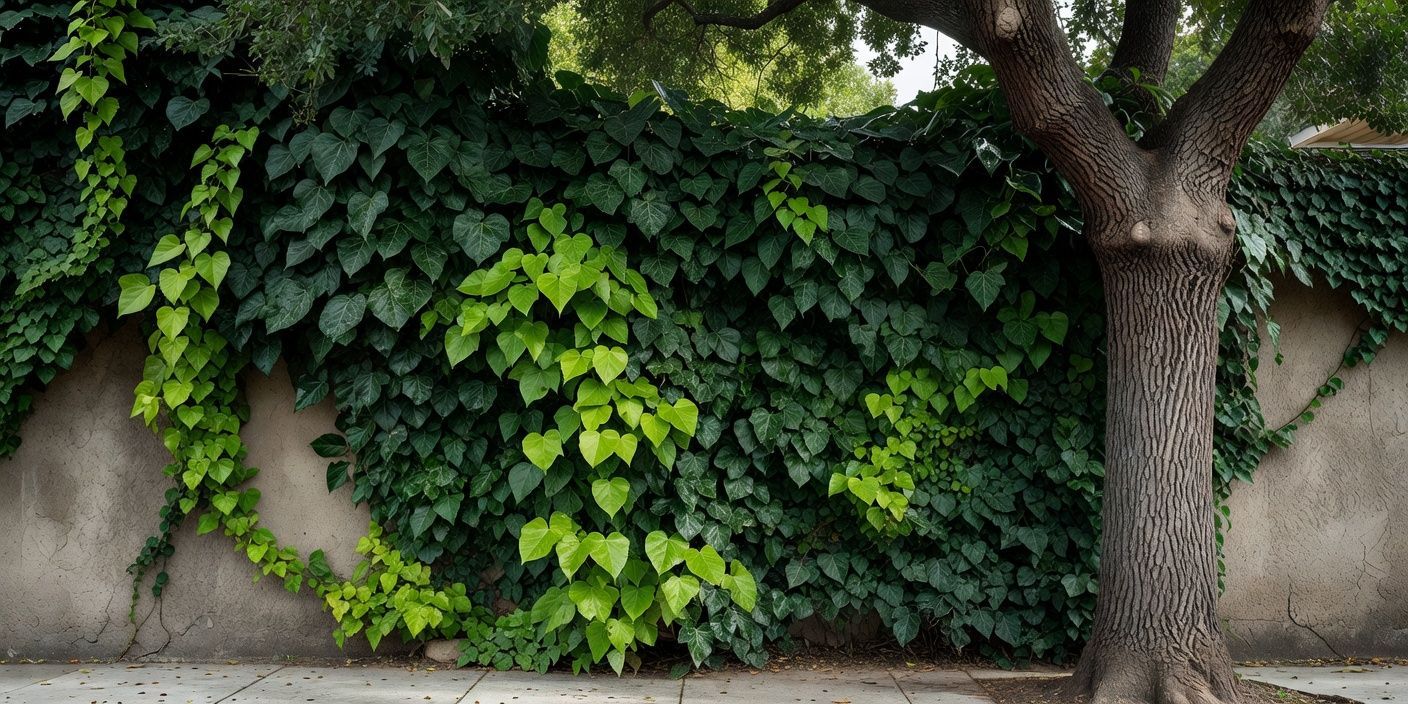
Property lines often cause severe disputes when heavy tree limbs cross the boundary lines. Your tree might drop heavy branches onto the driveway of your next door neighbor. Falling debris might severely damage their wooden fence or smash their parked car.
In California, you are generally responsible for maintaining the health of your trees. If your unmanaged tree damages a neighboring property, you might have to pay the bill. Neighbors do have the right to trim branches back to the exact property line. However, they cannot make cuts that harm the overall health of the tree. Disagreements over tree trimming often ruin good relationships, so proper maintenance prevents these stressful arguments.
How Professional Tree Services Protect Your Property
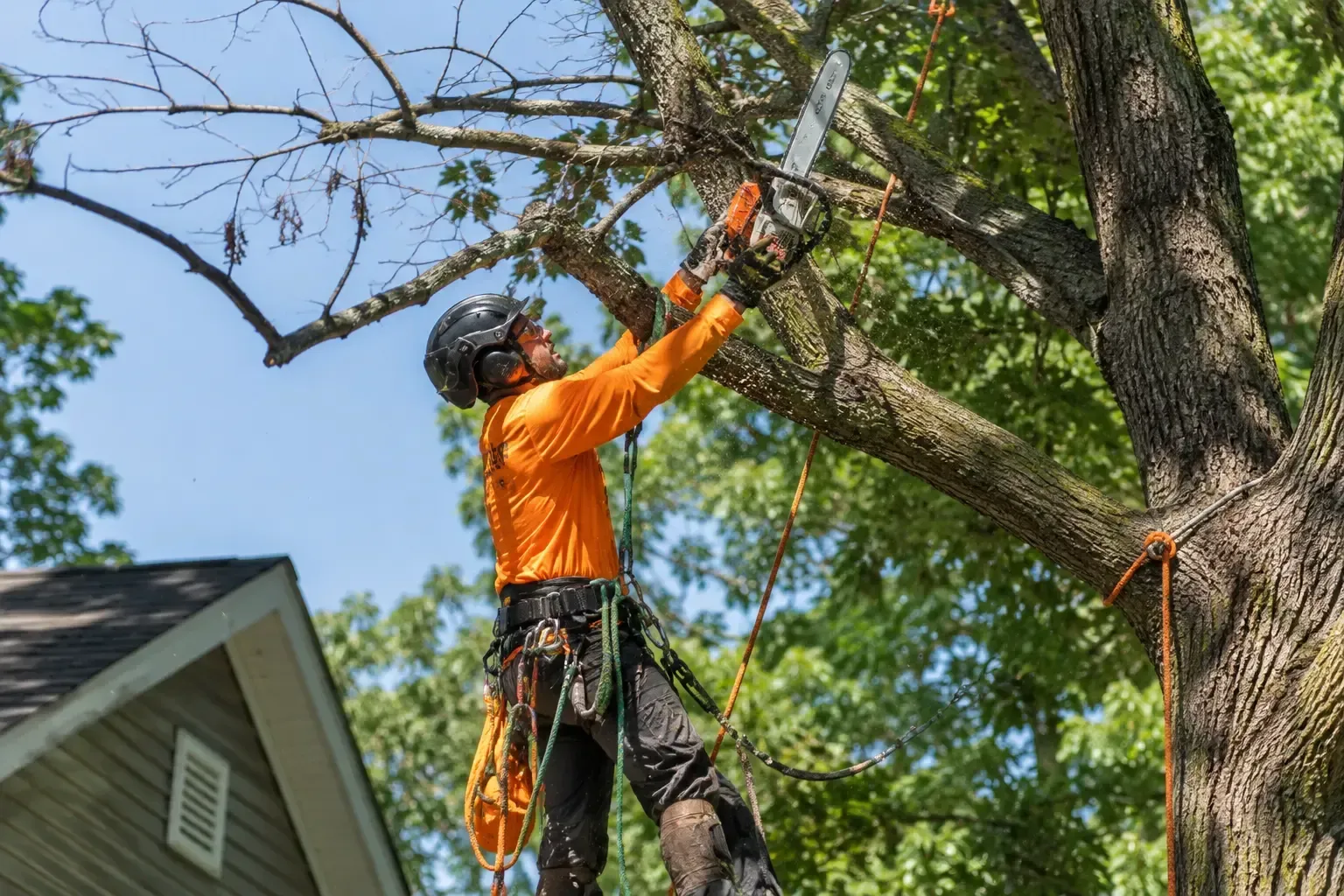
Handling large trees is dangerous work that requires specialized equipment and deep knowledge. Climbing a tall tree with a heavy chainsaw is an incredibly risky task. Homeowners should never attempt major tree work alone under any circumstances. Hiring professional Tree Services is simply the best way to protect your home.
Regular Maintenance and Pruning
Experts know exactly how a tree should be pruned for the best results. They do not just hack away at branches, but use precise cuts for healthy growth. Proper pruning removes dead wood and weak joints while reducing the overall canopy weight.
This careful process allows strong winds to pass cleanly through the open branches. The tree is much less likely to snap during a severe rain storm. Routine trimming keeps the tree perfectly balanced and structurally sound for years to come.
Identifying Hidden Diseases
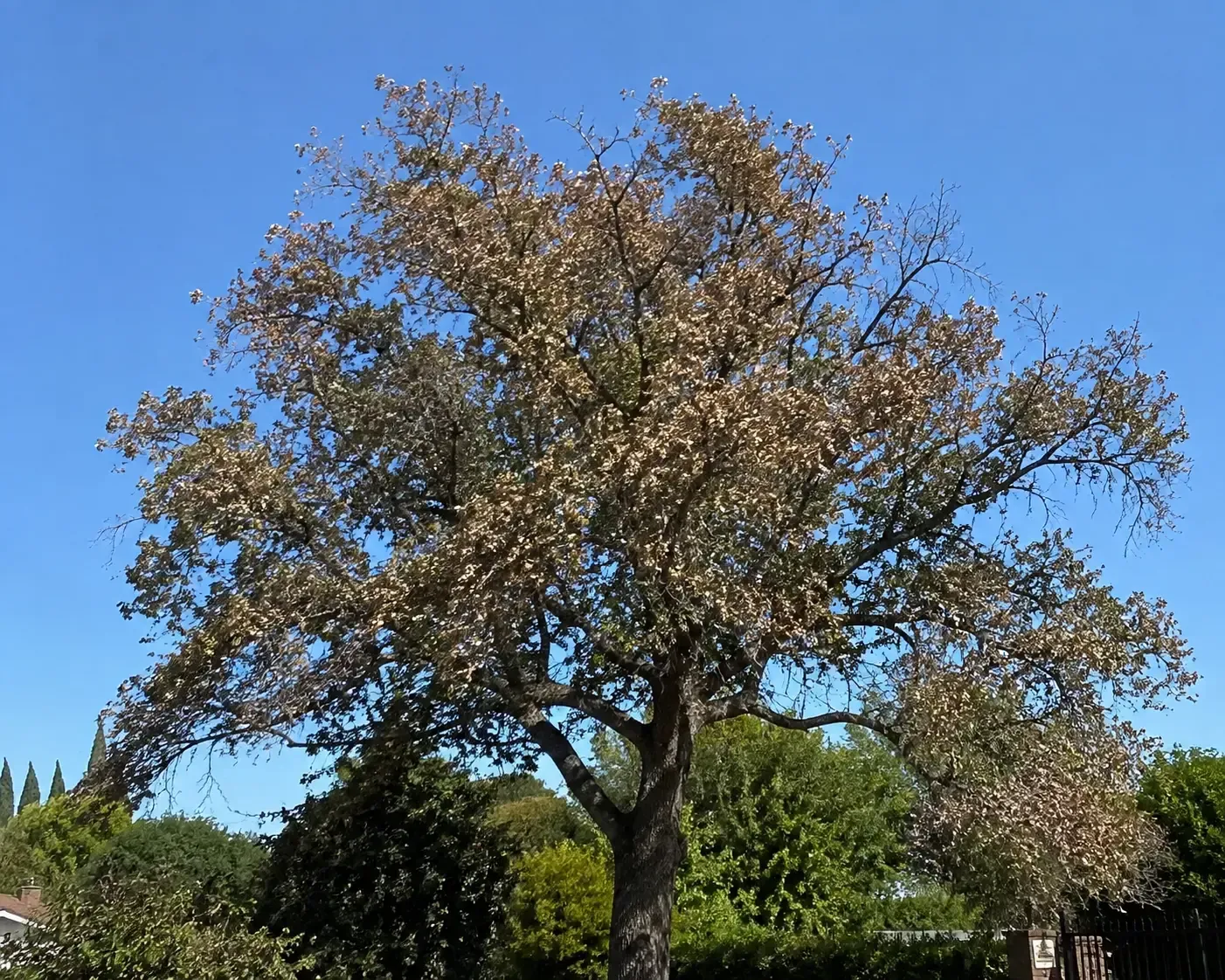
Trees get sick just like people do, and fungal infections can rot them inside out. Harmful pests can destroy the root system completely unseen beneath the soil. An untrained eye will not notice these subtle warning signs until it is too late. By the time the green leaves turn brown, the sick tree might already be dead.
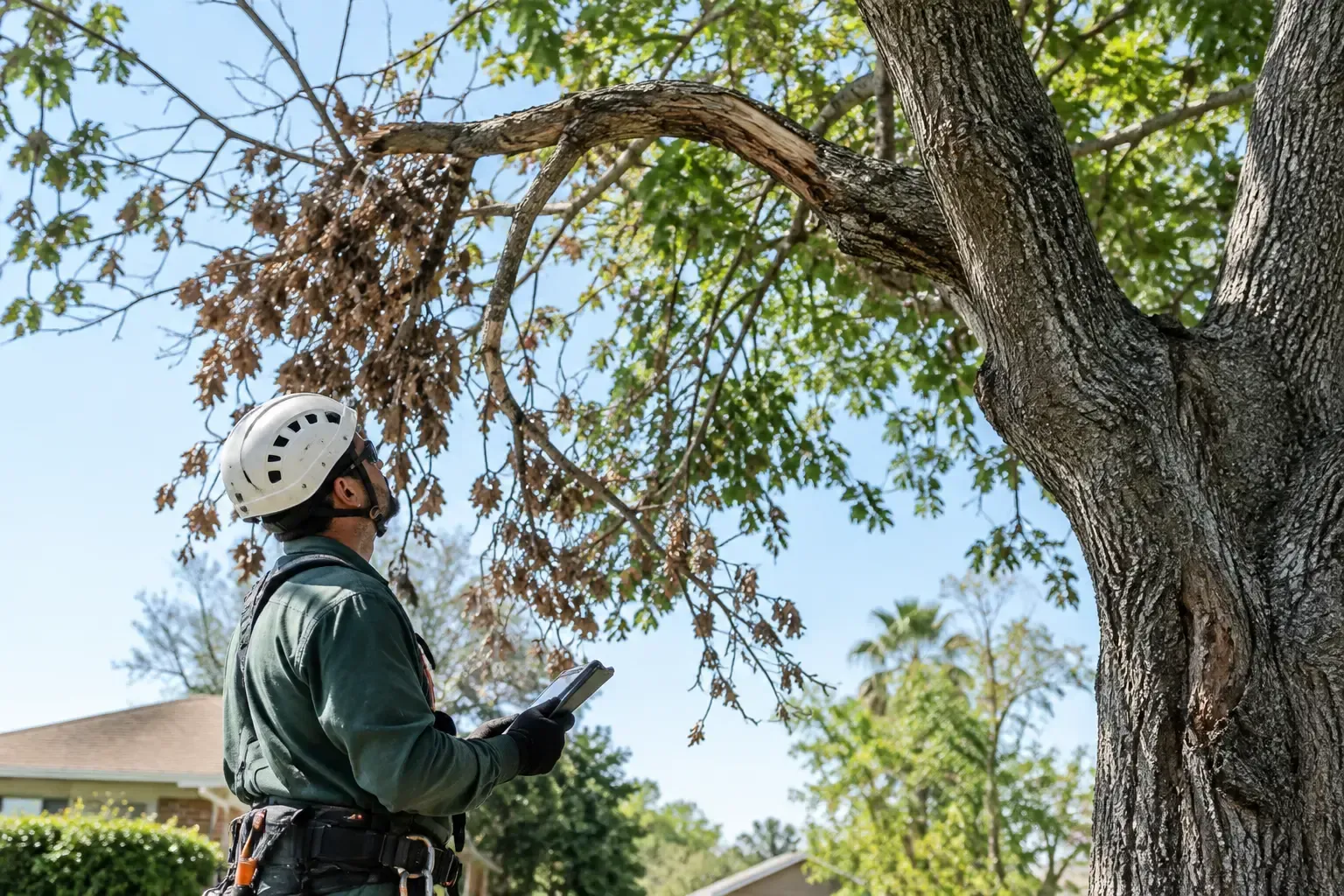
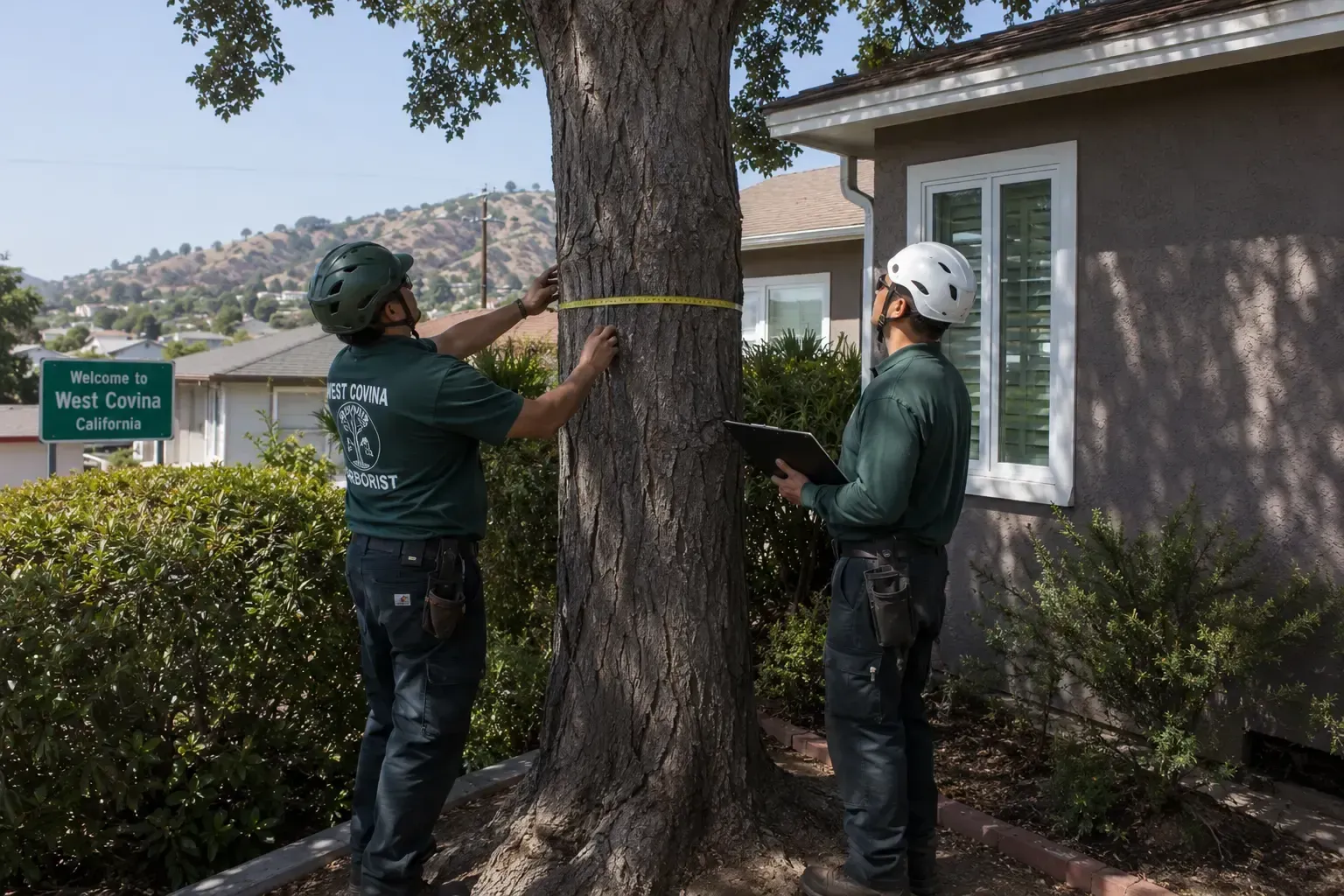
Trained arborists spot these dangerous diseases early by looking for specific fungi on the bark. They also check the trunk for small insect holes and unusual sap leaks. Catching a disease early can save the tree, but professionals will safely remove unsalvageable trees.
Comparing Proactive vs. Reactive Tree Care
Many homeowners wait for a serious problem to happen before they take action. They only call for professional help after a large branch falls on their roof. This reactive approach is always more expensive than planning ahead for tree care. Taking a proactive approach saves money and prevents unnecessary stress for your family. The table below outlines the major differences between these two common care strategies.
| Care Strategy | Action Taken | Upfront Cost | Property Risk Level | Long Term Impact |
|---|---|---|---|---|
| Proactive Routine Trimming | Scheduled annual branch pruning | Low to Moderate | Very Low | Healthy growth and safe yard |
| Proactive Health Inspection | Regular checks by arborists | Low | Very Low | Early disease detection |
| Reactive Storm Cleanup | Clearing fallen limbs after a storm | High | High | Potential structural damage |
| Reactive Liability Claim | Paying for neighbor damages | Very High | Severe | Legal fees and insurance hikes |
| Total Neglect | Ignoring overgrown canopies entirely | None initially | Extreme | Catastrophic property failure |
Recognizing When a Tree Becomes Dangerous
You need to know exactly when your tree poses an immediate and serious threat. Certain warning signs indicate a high risk of failure, so pay attention to changes.
Warning Signs You Should Not Ignore
Look closely at the main trunk of your tree for deep vertical cracks. These cracks show that the wood is splitting under extreme pressure and weight. You should also check the base of the trunk for mushrooms growing near the roots. Fungus indicates decay, meaning the vital root system might be rotting away underground.
Another serious warning sign is a sudden lean that happens after a bad storm. Trees naturally lean toward the sun, but a sudden tilt means the roots have failed. The tree is very unstable and could fall onto your house at any moment. Dead branches in the upper canopy lack moisture and become very brittle over time. These branches are incredibly dangerous because they can drop without any warning.
Acting Quickly During Storms
Severe weather puts massive strain on trees and softens the soil around the roots. Strong winds push against the heavy canopy, which easily uproots large or unhealthy trees.
Sometimes a branch snaps during a sudden storm and gets stuck in the tree. You cannot wait for normal business hours to fix a suspended branch over your driveway. This is a critical hazard, and you need immediate professional help to remove it. You can learn about our rapid response options for emergency tree removal to handle these urgent situations.
The Cost of Ignoring Tree Health
Skipping regular tree maintenance often seems like a very easy way to save money. In reality, ignoring your trees is a very costly and dangerous mistake. A healthy tree adds significant value and visual appeal to your property. However, a dying tree is an expensive liability that is just waiting to happen.
Financial and Legal Consequences
Consider the massive cost of installing a brand new roof on your home. It can easily cost tens of thousands of dollars to fix major structural damage. Even if your insurance covers the damage, you still pay a high deductible out of pocket.
If your tree falls into a public roadway, the city will hold you fully accountable. You will have to pay for the cleanup crews to clear the blocked street. If a dead tree simply cannot be saved, it must come down immediately. A dead tree is a disaster waiting to happen, so remove it before gravity does. Read more about our safe methods for complete tree removal before the situation becomes desperate.
Taking Control of Your Landscape
Your property is a major investment, and the trees play a vital role in its value. Do not let overgrown branches become a constant source of anxiety for your family. You have the power to eliminate these risks entirely with proper professional care.
Walk around your yard this weekend and look up at the canopy above your house. Check the branches near your power lines and inspect the trunks for deep cracks. If anything looks concerning, do not wait, because early action is always the safest choice.
It is time to secure your property and protect your family from falling branches. Get in touch with us through our contact page to schedule an inspection. Our skilled team will evaluate your trees and provide clear and honest advice.
Frequently Asked Questions
Can I cut branches hanging over my property from a neighbor's tree?
Yes, you generally have the right to trim branches up to the property line. However, you cannot trespass onto their land or cut so much that you kill the tree. It is always best to discuss the trimming plan with your neighbor first.
Does homeowners insurance cover damage from falling branches?
Most policies cover damage to your home caused by a heavy falling branch. If the tree was healthy and fell due to a storm, you are usually covered. However, if the tree was dead and you ignored it, the company might deny your claim. Insurance companies expect you to perform basic maintenance on your property.
How often should large trees be professionally trimmed?
Most large mature trees should be carefully trimmed every three to five years. Fast growing tree species might need professional trimming much more often than that. Fruit trees usually require annual pruning to maintain their health and produce a good crop. A professional inspection will help determine the exact schedule for your specific yard.