How Does California's Dry Climate Affect Mature Trees?
Key Takeaways and Insights
California's harsh, dry climate places severe stress on mature residential trees, compromising their root systems and inviting aggressive pest infestations. Homeowners must monitor their landscapes for early signs of dehydration and implement deep, slow watering techniques to protect their property values. Working with professional arborists ensures that large trees remain structural sound and aesthetically pleasing despite prolonged arid conditions.
- Most structural tree roots live near the soil surface and dehydrate rapidly during dry spells.
- Thirsty trees stop producing defensive sap, making them highly vulnerable to fatal bark beetle attacks.
- Proper mulching and deep drip-line watering are the most effective ways to preserve soil moisture for large trees.
Understanding How California Dry Climates Affect Mature Trees
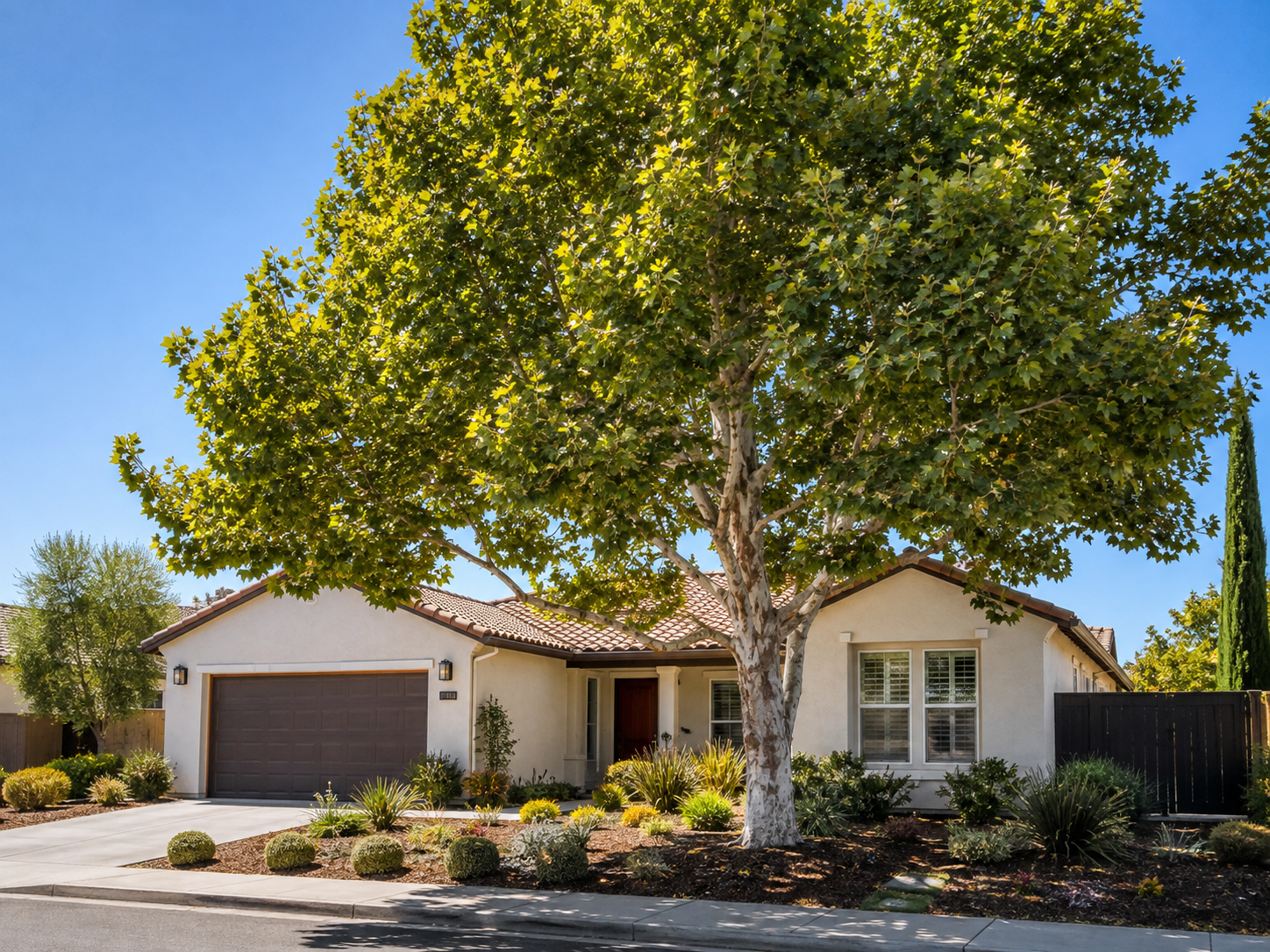
California weather presents distinct challenges for residential landscapes. Prolonged dry spells take a heavy toll on local vegetation. Mature trees often face the most severe risks during these arid periods. Homeowners in West Covina must understand how limited rainfall impacts their oldest and most valuable plants.
Older trees are a massive investment. They provide essential shade, improve air quality, and increase property values. However, they also require steady, consistent soil moisture to thrive. Without adequate water, large trees become structural hazards. Understanding the science behind drought stress helps you protect your property.
The Hidden Impact of Drought on Deep Root Systems
People often assume large trees have incredibly deep roots that can always find water. This is a common misconception. Most structural tree roots stay within the top two feet of the soil. They spread outward horizontally rather than growing straight down. This shallow placement makes them highly vulnerable to surface drought.
When the California sun bakes the ground, soil moisture evaporates rapidly. The soil then becomes hard and compacted. Compacted dirt repels water. Even when rain finally falls, the water simply runs off the surface instead of soaking in. The tree roots slowly dehydrate and lose their ability to absorb necessary nutrients.
Dehydrated roots shrink back. They detach from essential soil fungi that normally help them gather water. Over time, the root system loses its structural integrity. A compromised root system cannot anchor a massive tree safely. High winds can easily uproot a large tree that has suffered from long-term drought damage.
Recognizing Signs of Moisture Stress in Older Trees
Catching the early warning signs of dehydration is crucial. Trees cannot communicate their pain verbally. They show stress through subtle physical changes in their foliage and bark. Property owners should monitor their landscape closely during the hottest months of the year.
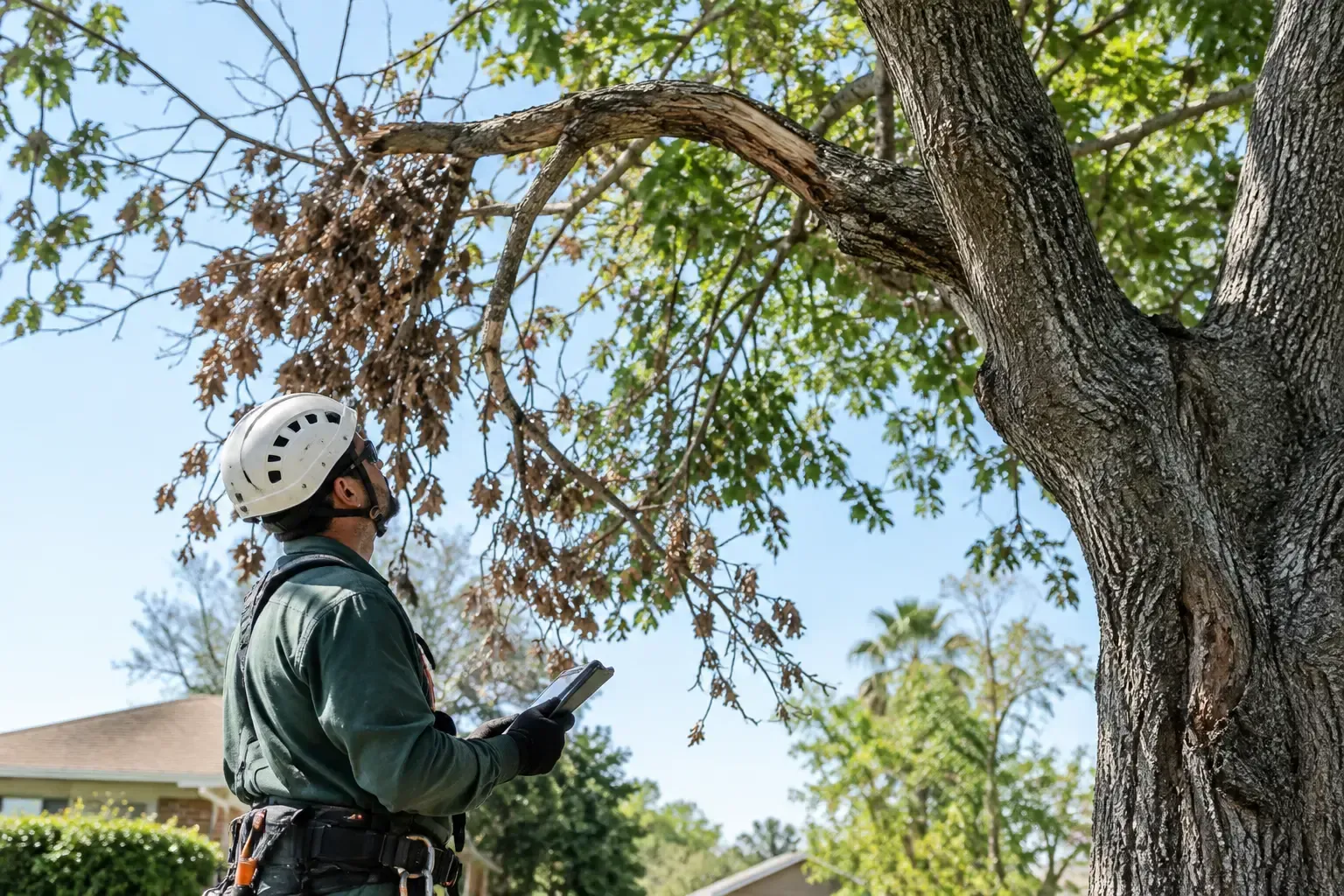
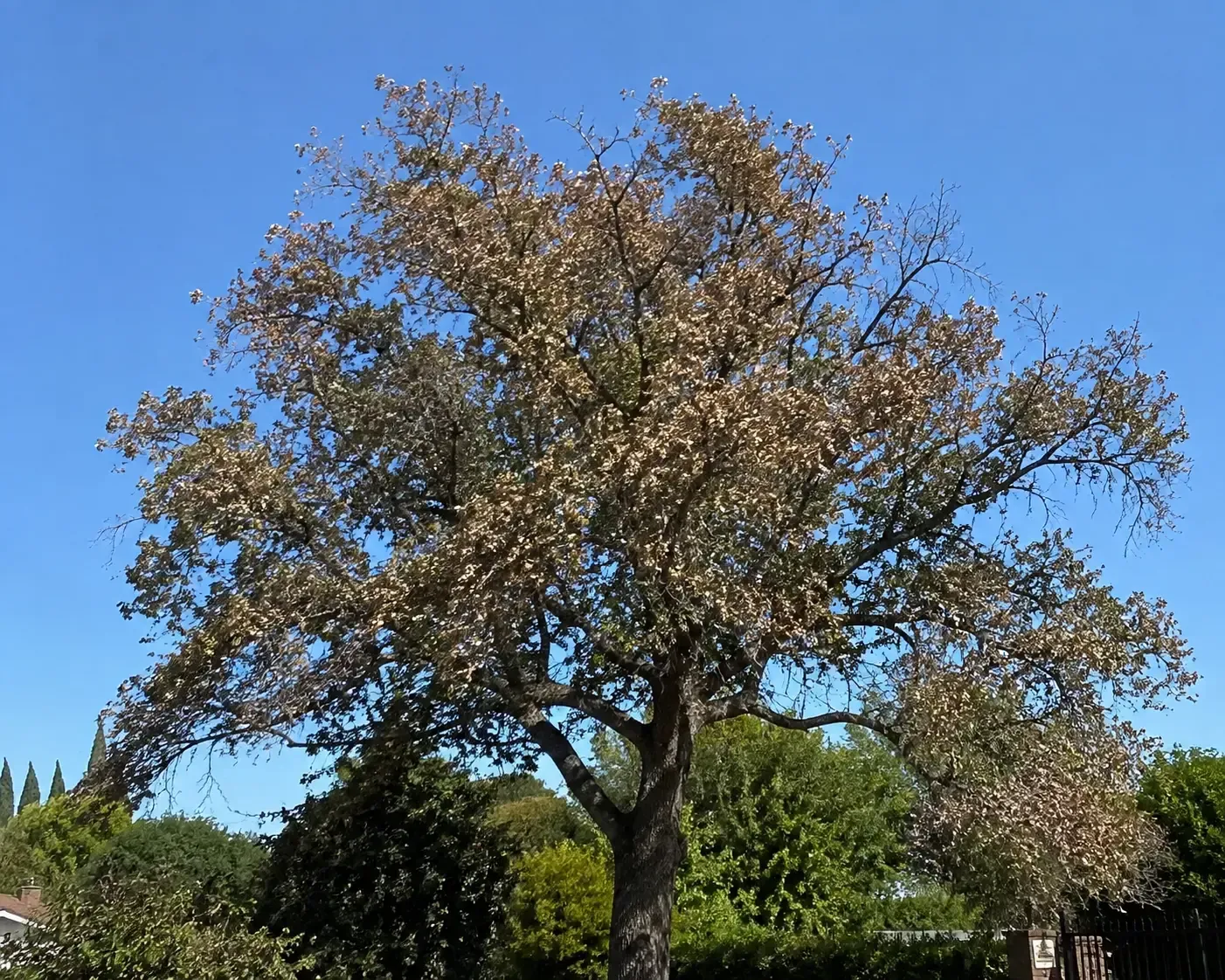
The first sign of moisture stress usually appears in the canopy. Leaves may look slightly wilted or drooping during the afternoon heat. If they do not recover overnight, the tree is struggling. You might also notice leaves turning yellow or brown around the edges. This condition is called leaf scorch.
Premature leaf drop is another major red flag. Trees will intentionally shed leaves to conserve water. If your tree loses its leaves in mid-summer, it is trying to survive a severe drought. You might also see dead twigs or small branches breaking off easily. These symptoms require immediate attention from knowledgeable professionals.
Expert Tree Service Strategies for West Covina Properties
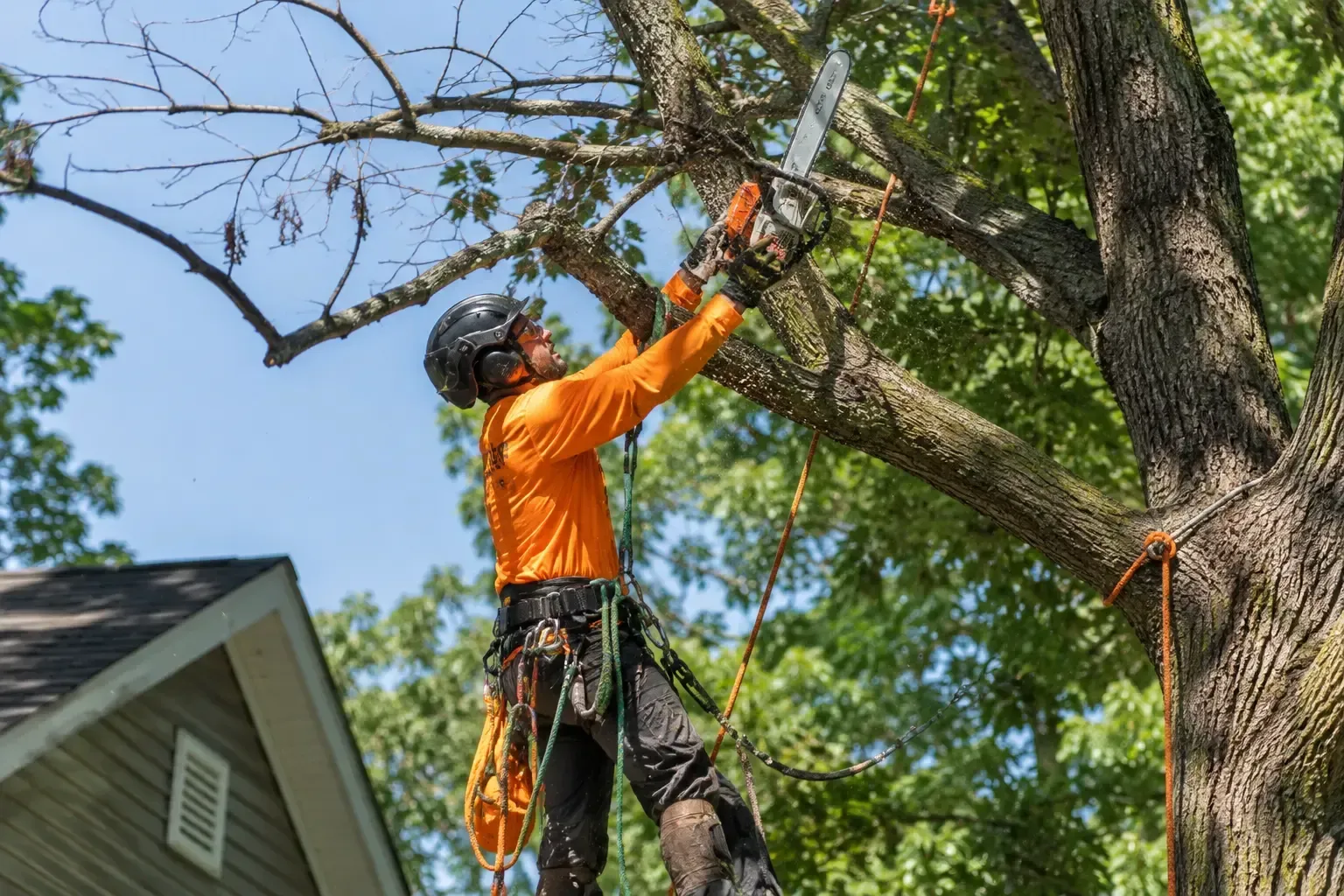
Managing a mature landscape during a drought requires specific knowledge. Watering routines must change. Maintenance practices must adapt to the weather. Working with a professional Tree Service West Covina ensures your landscape receives the precise care it needs to survive dry conditions.
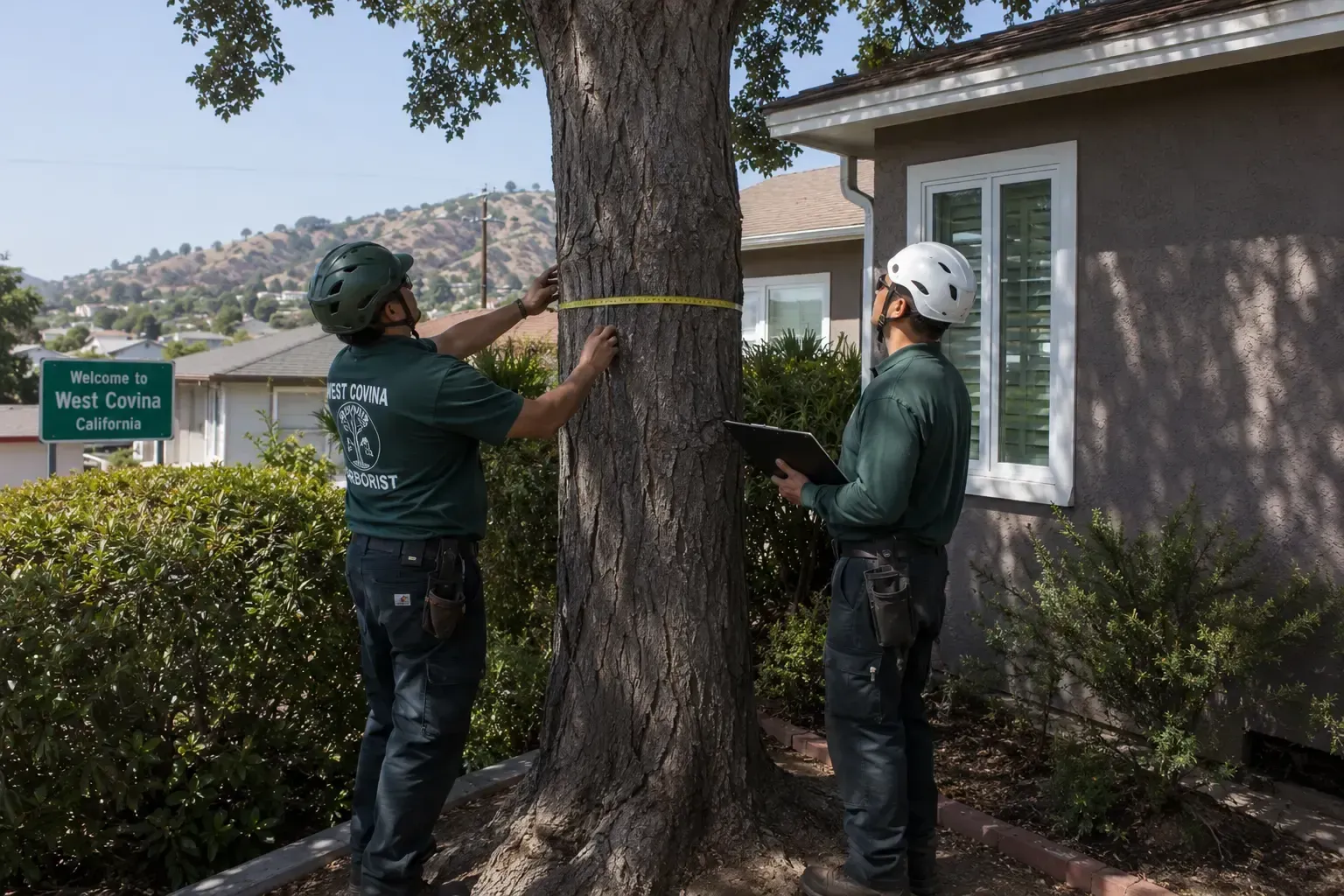
Local arborists understand the unique soil compositions found in our region. They know which native and non-native trees struggle the most. Professionals can assess root health safely without causing further damage. They provide targeted solutions that keep your property beautiful and secure.
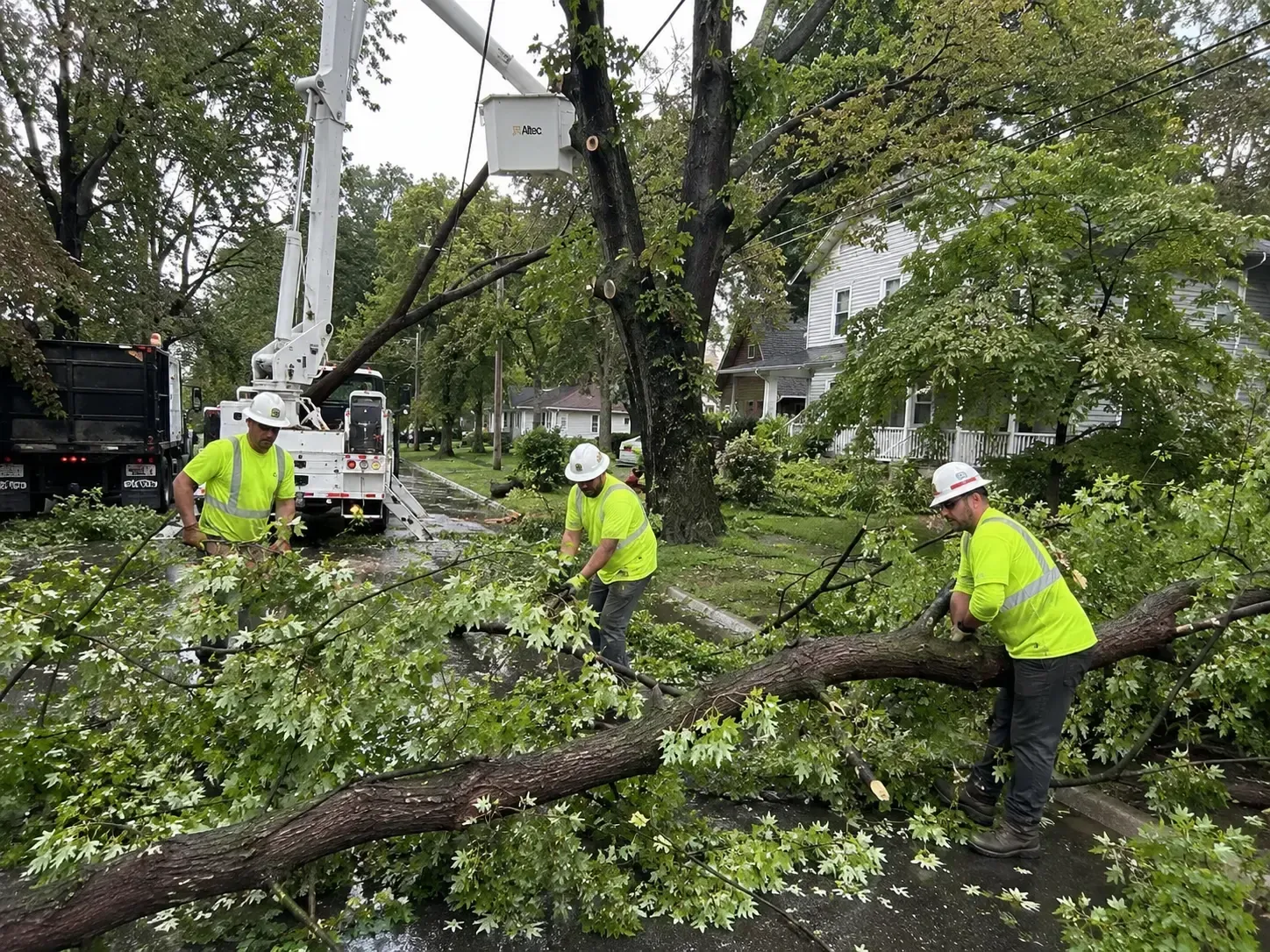
Regular assessments prevent minor stress from turning into total tree failure. Tree care experts can apply specialized treatments to improve soil water retention. They can also identify weak branches that pose immediate falling risks. Proactive management saves you money and prevents catastrophic property damage.
Proper Pruning Techniques for Dry Weather
Trimming trees during a drought requires extreme caution. Pruning always creates open wounds on the wood. The tree must expend energy to heal these cuts. During a drought, a tree already lacks the energy and moisture needed for rapid healing. Improper cuts can severely stunt its growth.
You should only remove completely dead or dying branches during dry periods. Never thin out the healthy canopy excessively. The leafy canopy actually provides crucial shade for the roots below. Removing too many leaves exposes the bark and the soil to direct, blistering sunlight.
Strategic Watering Practices
Surface sprinkling does nothing for mature trees. Sprinklers only wet the top few inches of dirt. This encourages roots to grow upward toward the surface. Shallow roots dry out even faster when the heat rises. Large trees need deep, slow watering to survive California summers.
Use a soaker hose around the drip line of the tree. The drip line is the area directly below the outer edge of the branches. Let the hose run on a slow trickle for several hours. This allows water to penetrate deep into the ground. Repeat this process every few weeks during peak dry seasons.
How Pests Exploit Thirsty Trees
Drought does more than just dehydrate wood. It actually invites aggressive insect infestations. Healthy trees defend themselves naturally. When a boring insect tries to chew into the bark, a healthy tree produces thick sap. This sticky sap traps the insect and pushes it out of the trunk.
Thirsty trees cannot produce enough sap to defend themselves. Their natural defense systems shut down completely. This makes them prime targets for bark beetles and other destructive pests. These insects can smell a stressed tree from a considerable distance. They swarm the trunk and lay eggs beneath the bark.
Once pests breach the bark, they consume the vital tissues that transport food and water. The tree declines rapidly. You might notice small holes in the trunk or sawdust collecting at the base. Pests can kill a massive tree in just one season if left unchecked.
Common Tree Species in Southern California and Their Needs
Different trees react to dry climates in unique ways. Native California species usually handle dry conditions better than imported ornamental varieties. Knowing what type of trees you have dictates how you should care for them.
Below is a detailed comparison of common trees found in local residential landscapes. This data helps you understand specific risks associated with each species during dry spells.
| Tree Species | Drought Tolerance | Water Requirement | Common Risk Factor |
|---|---|---|---|
| Coast Live Oak | Very High | Low (Summer dry) | Root rot from overwatering |
| California Sycamore | Moderate | Medium to High | Sunscald on exposed bark |
| Jacaranda | Moderate | Medium | Branch dieback in severe heat |
| Eucalyptus | High | Low to Medium | Brittle branches dropping |
| Weeping Willow | Very Low | Very High | Rapid dehydration and death |
Understanding these specific needs prevents well-meaning mistakes. For example, watering a Coast Live Oak excessively during the summer can actually kill it. However, a Sycamore might desperately need that extra moisture.
Soil Management and Mulching Benefits
Soil quality directly influences how well a tree survives dry weather. Poor soil drains too quickly or compacts into a solid block. You can improve your soil health significantly by adding an organic mulch layer.
Mulch acts as a protective blanket for the root system. It shields the dirt from direct sunlight. This drastically reduces the rate of water evaporation. Mulch also keeps the ground temperature cooler, which reduces stress on the roots. As the organic material breaks down, it slowly feeds nutrients back into the dirt.
Apply a three-inch layer of wood chips around the base of the tree. Keep the mulch pulled back at least six inches away from the actual trunk. Piling mulch directly against the bark traps moisture against the wood. This practice causes fungal rot and invites insect damage.
Protecting Your Landscape Investment Year-Round
Property owners must view tree care as a year-round responsibility. The actions you take in the winter directly impact how your trees handle the summer heat. Proper hydration during the cooler months prepares the root systems for the tough season ahead.
Inspect your property after every major wind event or heat wave. Look for shifting soil at the base of your large trees. Check for new cracks in major branches. Early detection gives you a chance to save the tree before a crisis occurs. Maintaining mature greenery requires vigilance and consistent effort.
If you suspect your trees are suffering from the California climate, do not wait for the situation to worsen. Dead trees create immense liabilities for homeowners. You can always schedule an evaluation to determine the structural safety and health of your landscape. Professional guidance ensures your property remains safe, valuable, and beautiful for decades.
Frequently Asked Questions
Can a mature tree recover from severe drought stress?
Yes, mature trees can recover if you catch the symptoms early. They require a slow, deep watering routine and careful soil management. Recovery takes time, often spanning several growing seasons. Professional health assessments are recommended to track their progress.
Should I fertilize my trees during a dry spell?
No, you should never apply nitrogen fertilizers during a severe dry spell. Fertilizers force the tree to push out new leaf growth. The tree does not have the water resources to support new leaves. This process will dehydrate the plant even faster.
How do I know if a dry branch is completely dead?
You can perform a simple scratch test on small branches. Lightly scratch the outer bark with a fingernail or pocket knife. If the tissue underneath is green and slightly damp, the branch is alive. If it is brown and snaps easily, the branch is dead.