How Often Should You Schedule Tree Trimming Services? Expert Tips for Every Tree Type
Key Insights and Takeaways
Maintaining a safe and beautiful landscape requires a species-specific approach to tree trimming, balancing local climate challenges with precise arboricultural practices. Homeowners in West Covina must account for drought stress and Santa Ana winds by ensuring their trees receive professional structural evaluation regularly. A proactive maintenance schedule protects property values, enhances tree vitality, and mitigates the risk of catastrophic branch failure.
- Fruit trees demand annual dormant pruning to maximize yield and health.
- Deciduous shade trees require structural thinning every three to five years to reduce wind resistance.
- Hazardous conditions like severe leaning, deep trunk cracks, or massive deadwood require immediate emergency intervention.
Maintaining the structural integrity and aesthetic appeal of your landscape requires a deliberate approach to property management. Trees are dynamic, living organisms that respond directly to environmental stressors and human intervention. Understanding the specific maintenance timeline for the different species on your property is essential for promoting rigorous growth and mitigating potential hazards. The specialists at Tree Service Perfection West Covina have developed this comprehensive overview to help local property owners make informed decisions regarding their arboricultural assets.
The Fundamental Role of Consistent Tree Care
Haphazard pruning can cause severe biological damage to a mature tree. Routine maintenance goes far beyond mere aesthetics. Consistent pruning removes dead or diseased branches, improves air circulation through the canopy, and allows adequate sunlight to reach the underlying landscape. Furthermore, eliminating weak or crossing branches prevents future structural failure during severe weather events.
When property owners neglect these responsibilities, trees become highly susceptible to fungal infections and pest infestations. Proper intervention requires a nuanced understanding of plant biology. You can learn more about our extensive arboricultural background by visiting our extensive arboricultural background page, where we detail our commitment to proper species management.
Determining the Right Frequency for Professional Tree Trimming
Different species require vastly different maintenance schedules. Applying a universal timeline to a diverse landscape often results in poor foliar health and diminished structural stability. Below is a detailed breakdown of optimal pruning frequencies based on common tree categories.
Fruit Trees
Fruit-bearing trees demand rigorous, annual attention to maximize yields and support the weight of the harvest. You should schedule maintenance for fruit trees once a year, preferably during late winter before new buds break. Dormant pruning encourages vigorous spring growth and opens the center of the tree to vital sunlight. Neglecting this annual schedule often results in overcrowded branches, reduced fruit size, and increased vulnerability to rot.
Deciduous Shade Trees
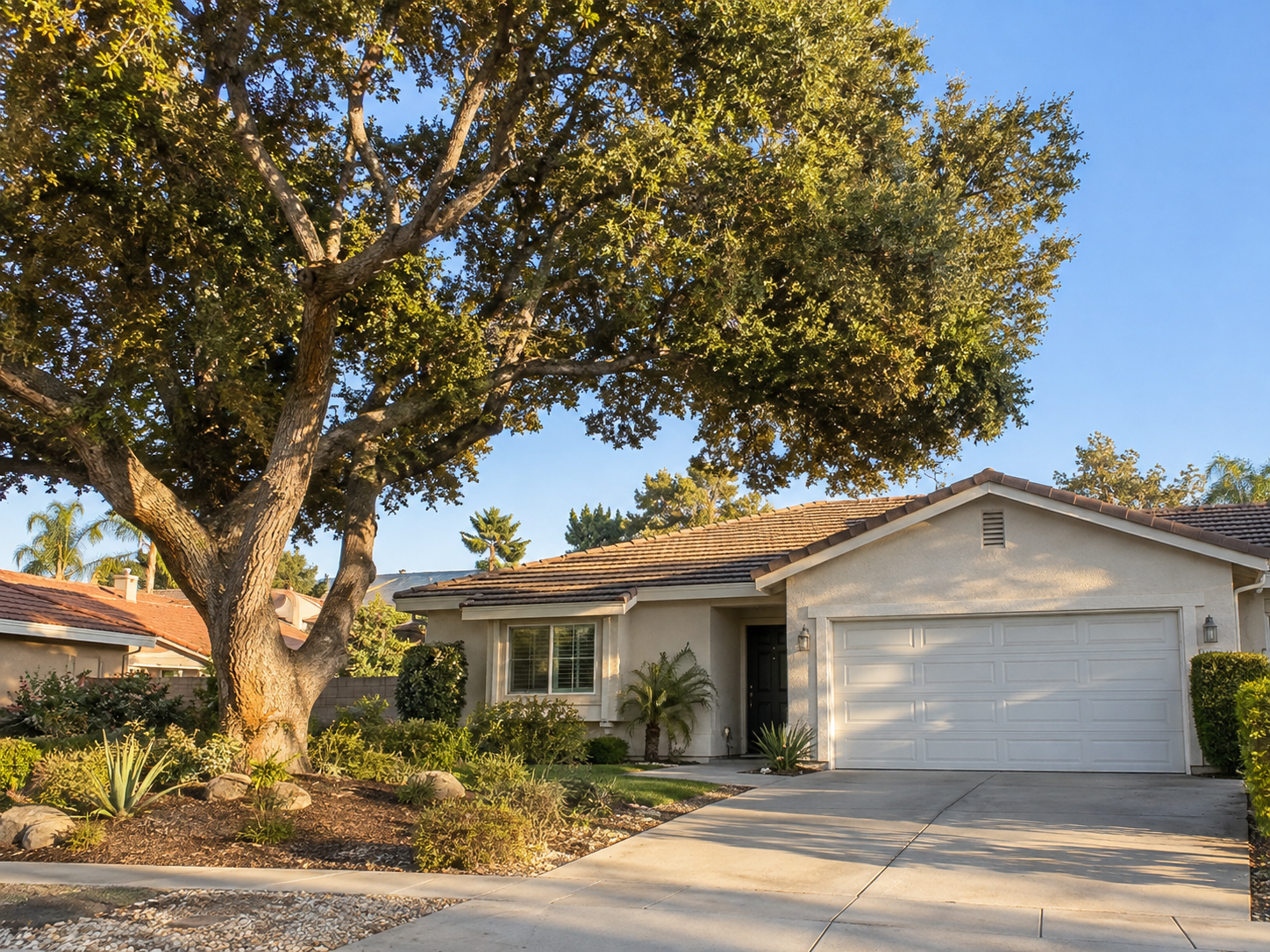
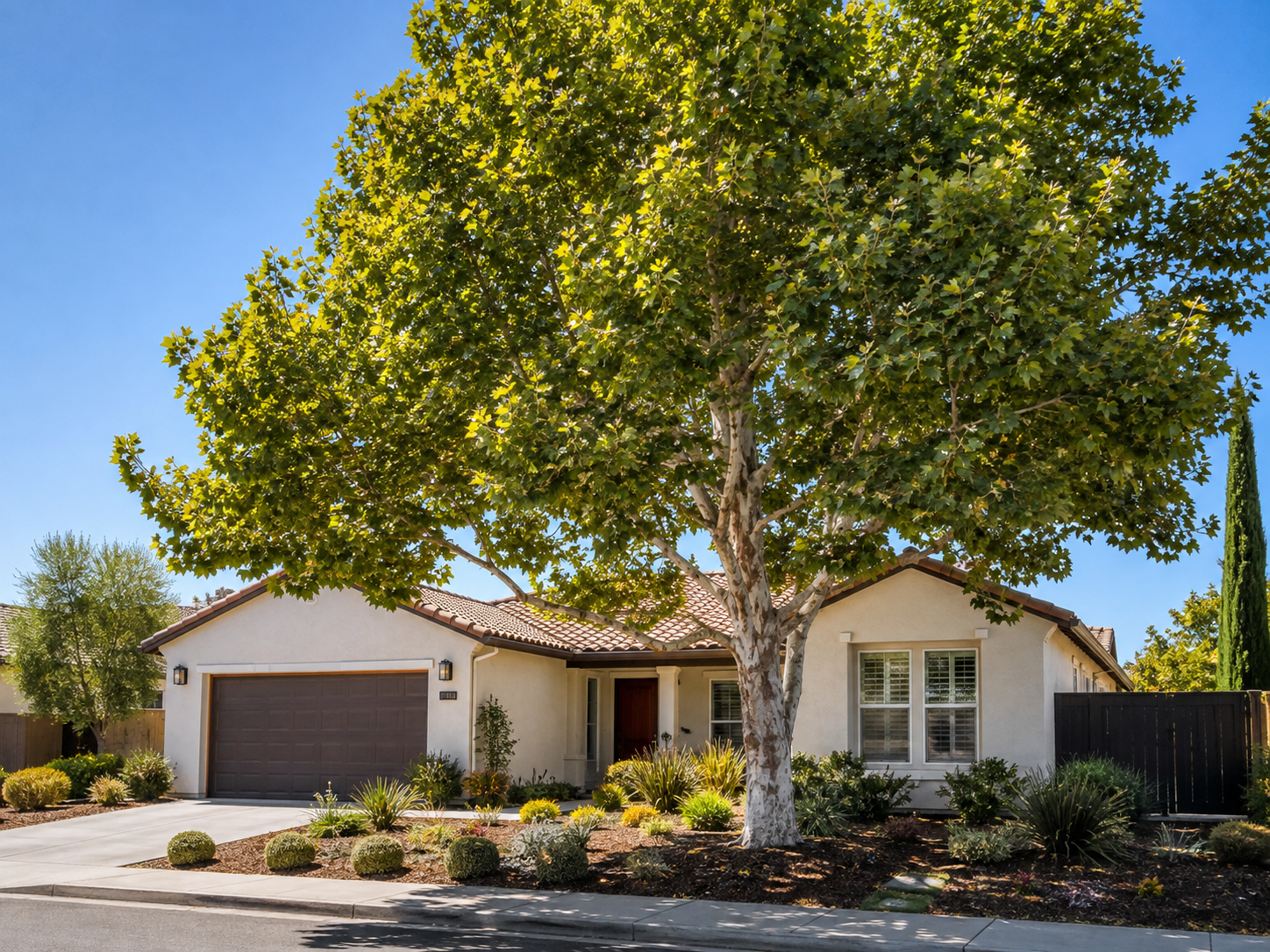
Species that shed their leaves in autumn, such as oaks, maples, and sycamores, typically require attention every three to five years. The best time to evaluate the structure of a deciduous tree is during the winter months when the branch architecture is fully visible. Routine thinning of the canopy reduces wind resistance and prevents heavy limbs from failing under their own weight.
Evergreen and Citrus Varieties
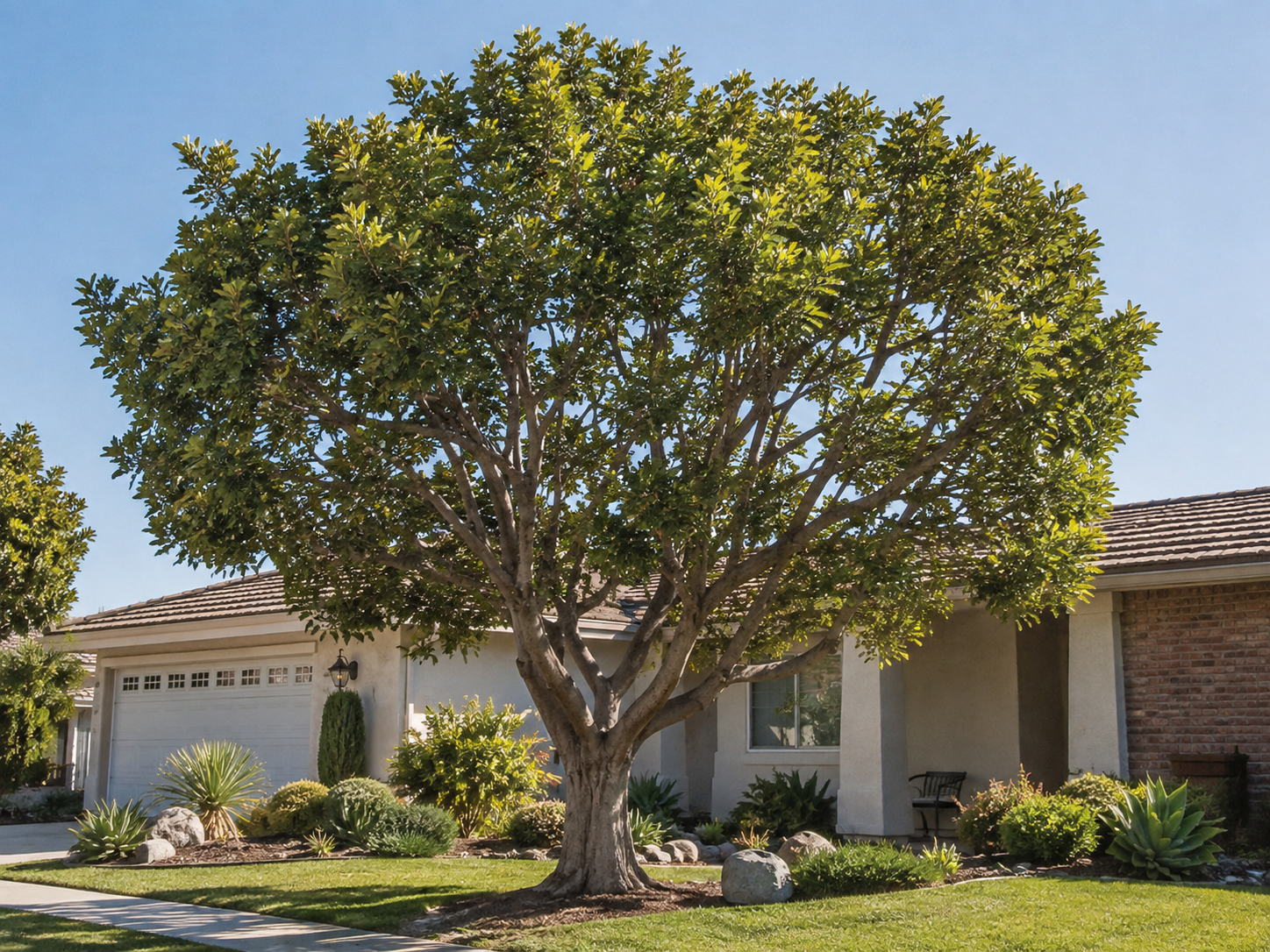
Evergreens and citrus trees retain their foliage year-round and generally grow at a slower, more deliberate pace. These varieties only require light shaping and deadwood removal every two to three years. However, dense evergreen canopies can trap moisture. Periodic thinning is highly recommended to improve airflow and prevent the proliferation of harmful interior fungi.
Palm Trees
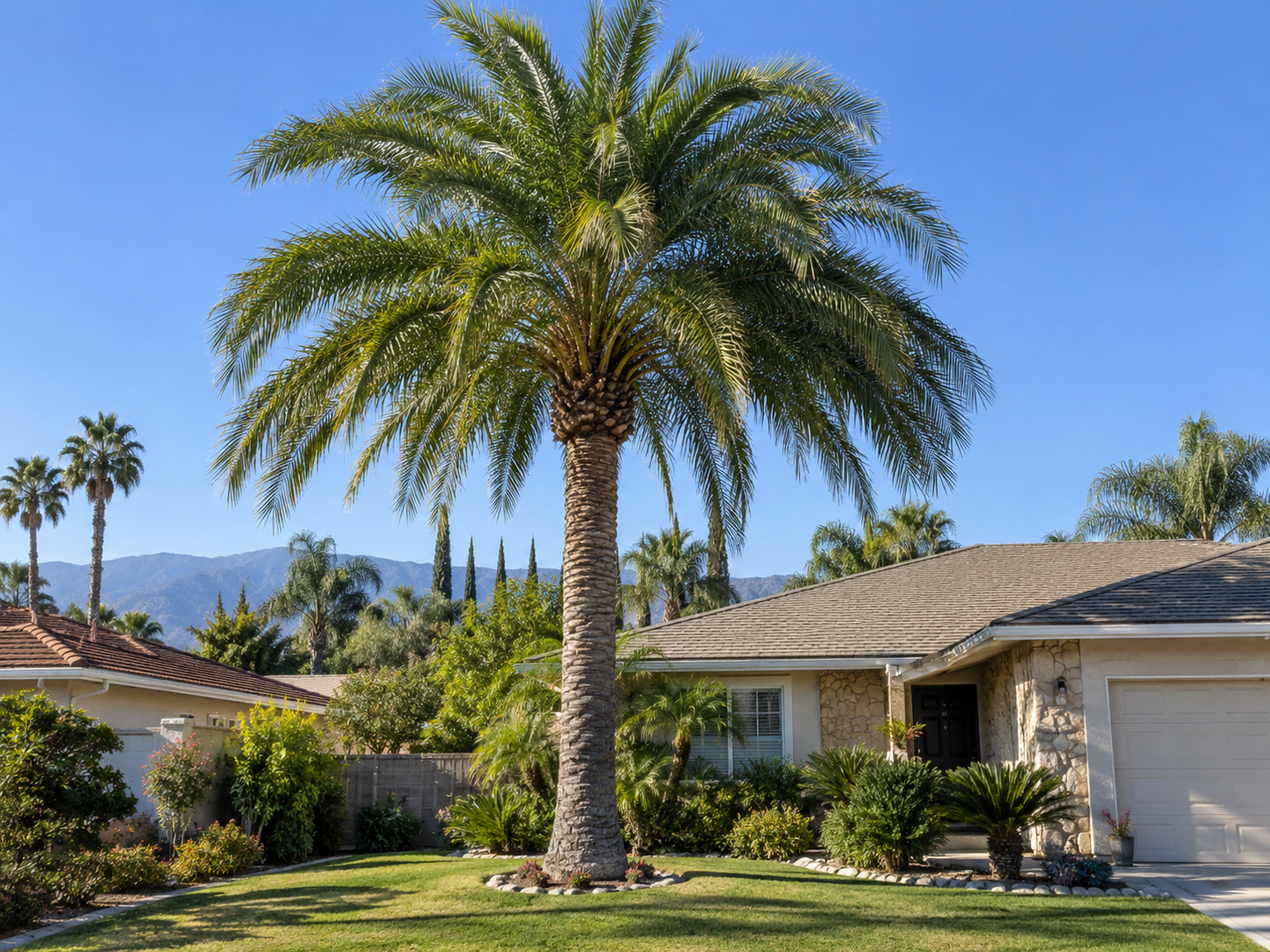
Palms require a very specific maintenance regimen. Depending on the exact species, palms usually need service once or twice a year to remove dead fronds and seed pods. Allowing dead fronds to accumulate not only creates a severe fire hazard but also provides an ideal nesting environment for rodents and pests. Professional intervention is critical, as improper climbing techniques can permanently scar the trunk and introduce lethal pathogens.
How the West Covina Climate Impacts Your Schedule
Property owners in West Covina, CA 91790 face distinct environmental conditions that directly influence plant health. Our region experiences long, dry summers followed by brief periods of intense winter precipitation. Additionally, the localized threat of high-velocity Santa Ana winds makes proactive canopy management absolutely critical.

Drought stress forces trees to conserve resources, often leading to sudden branch dieback. When combined with severe wind events, these dead branches transform into dangerous projectiles. Scheduling regular professional tree trimming ensures your landscape remains resilient against these specific Southern California weather patterns. Trees that are structurally balanced are far less likely to fail when high winds strike the San Gabriel Valley.
Recognizing When Immediate Tree Service is Required
While adhering to a predictable schedule is the foundation of good property management, certain indicators require immediate professional intervention regardless of the season. Homeowners must remain vigilant and inspect their properties regularly for signs of structural instability.
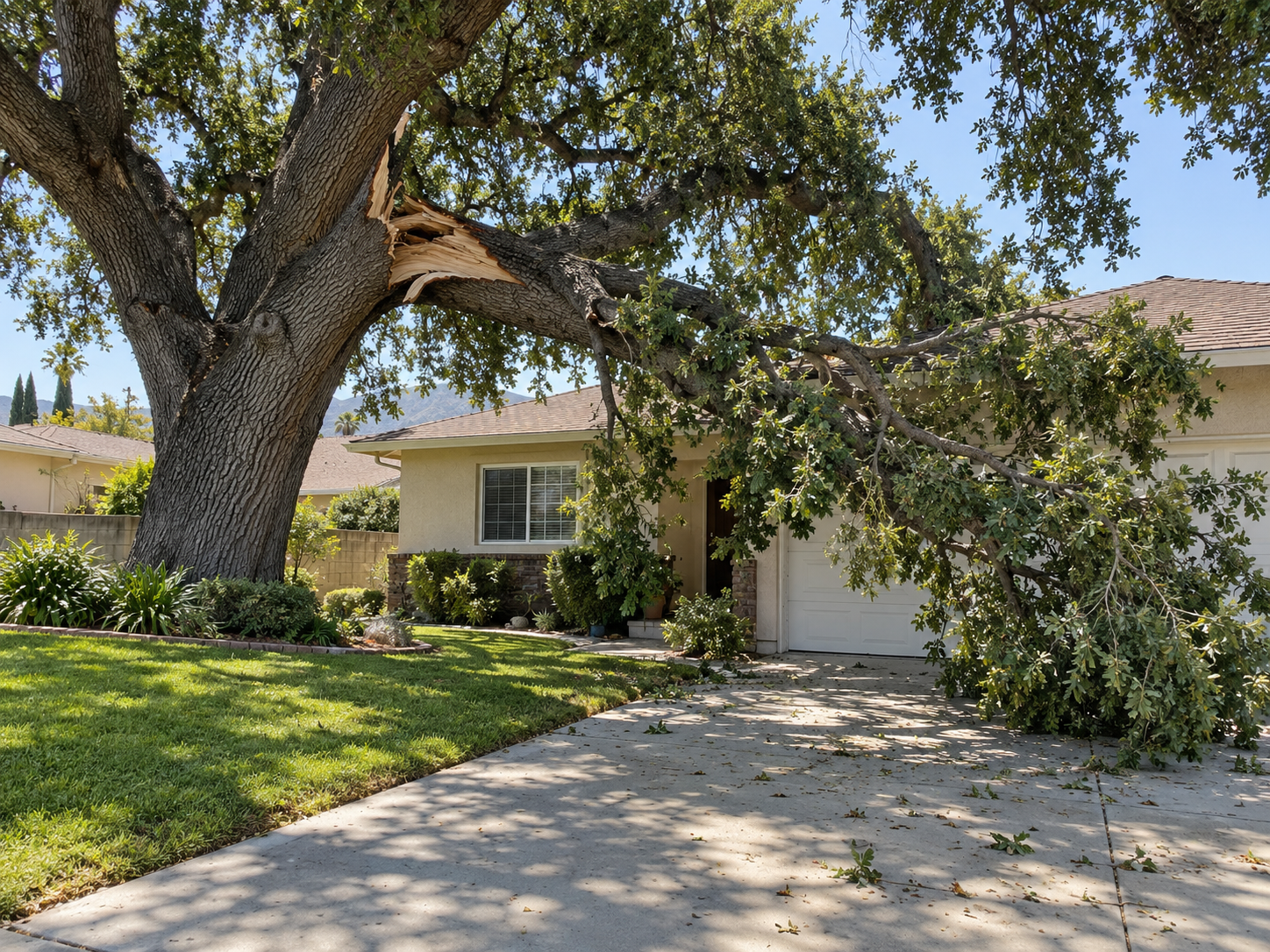
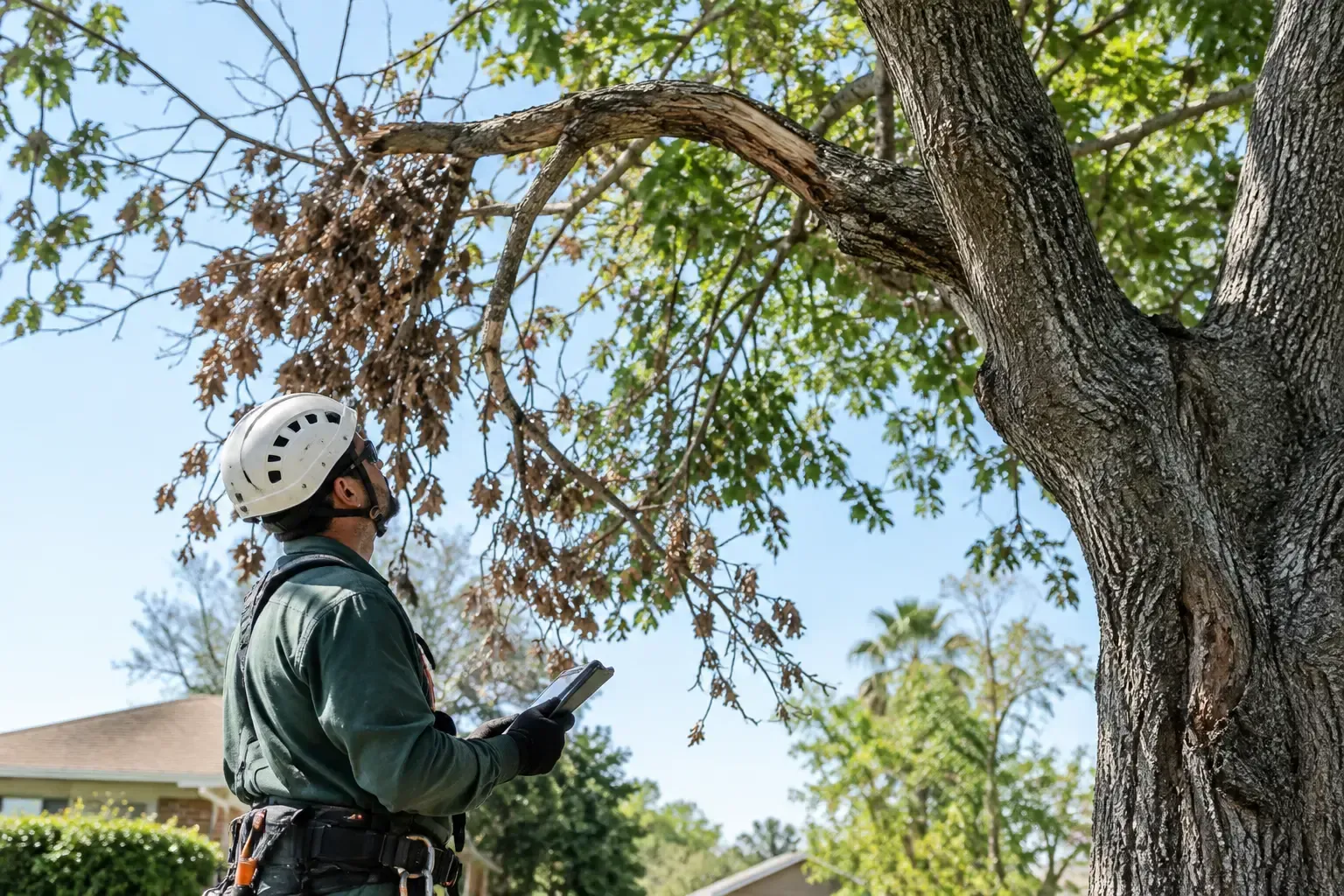
Key indicators that demand urgent attention include sudden leaning, the appearance of deep vertical cracks in the main trunk, or massive fungal brackets growing near the root flare. If you notice large, heavy branches hanging precariously over your roof, driveway, or power lines, you must not wait for your scheduled maintenance window. Such hazards require emergency tree removal protocols to protect human life and property.
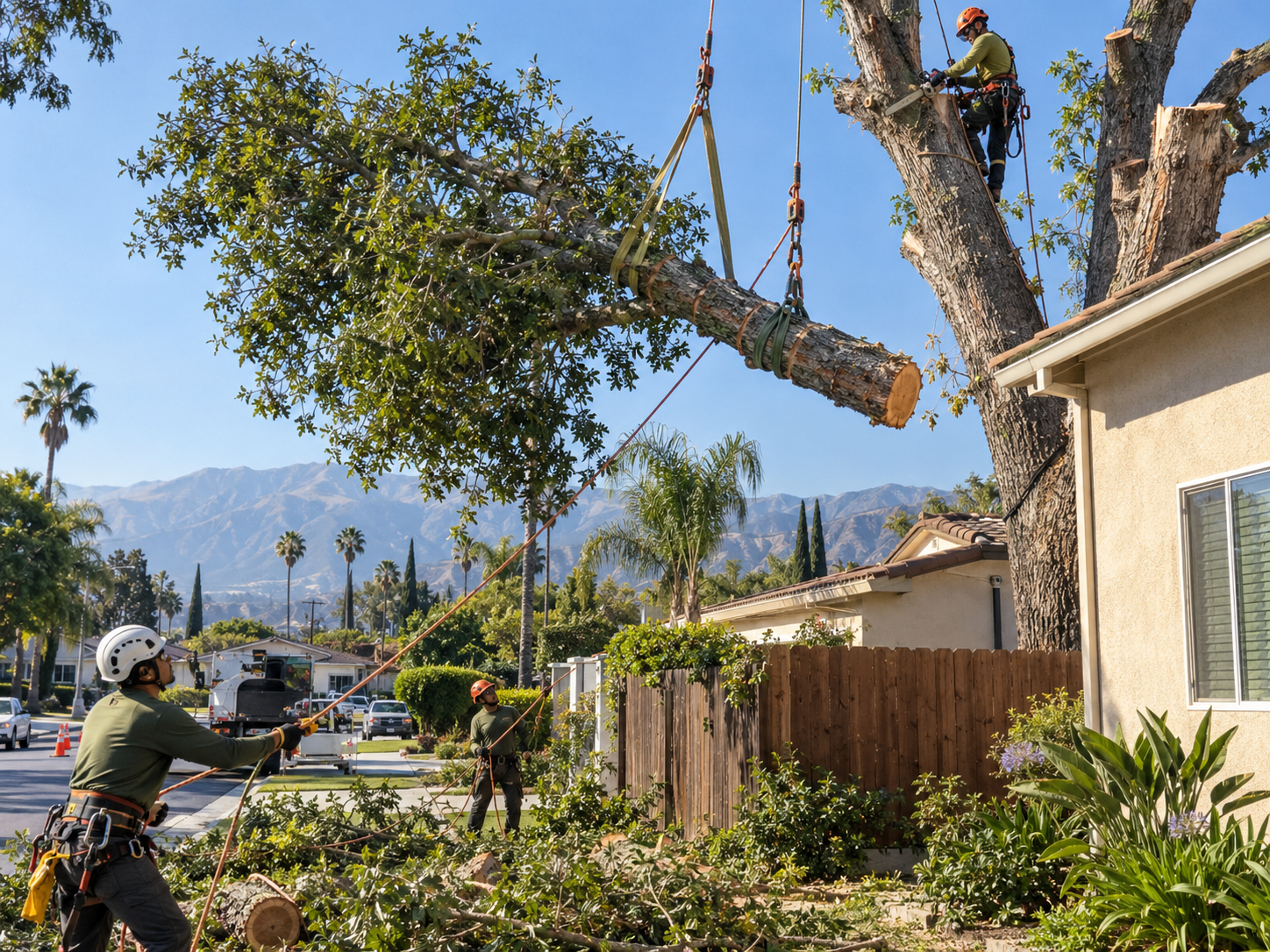
In some cases, a tree may be damaged beyond recovery. If you suspect a tree is entirely dead or structurally compromised, a complete tree removal is the safest option. Understanding the optimal timeline for cutting down a damaged specimen can save you from catastrophic property damage during the next major storm.
Partnering with Professionals for Optimal Arboricultural Health
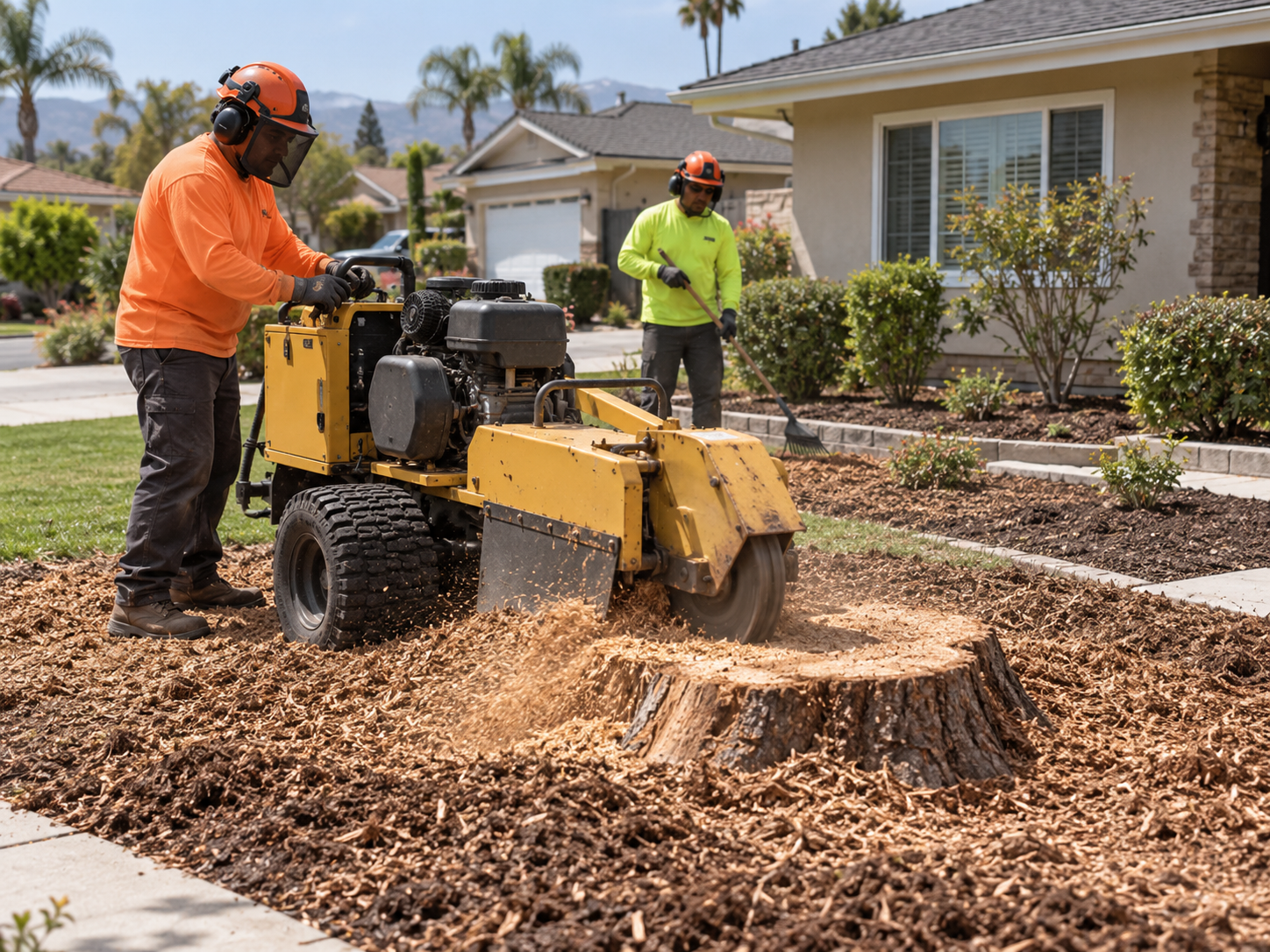
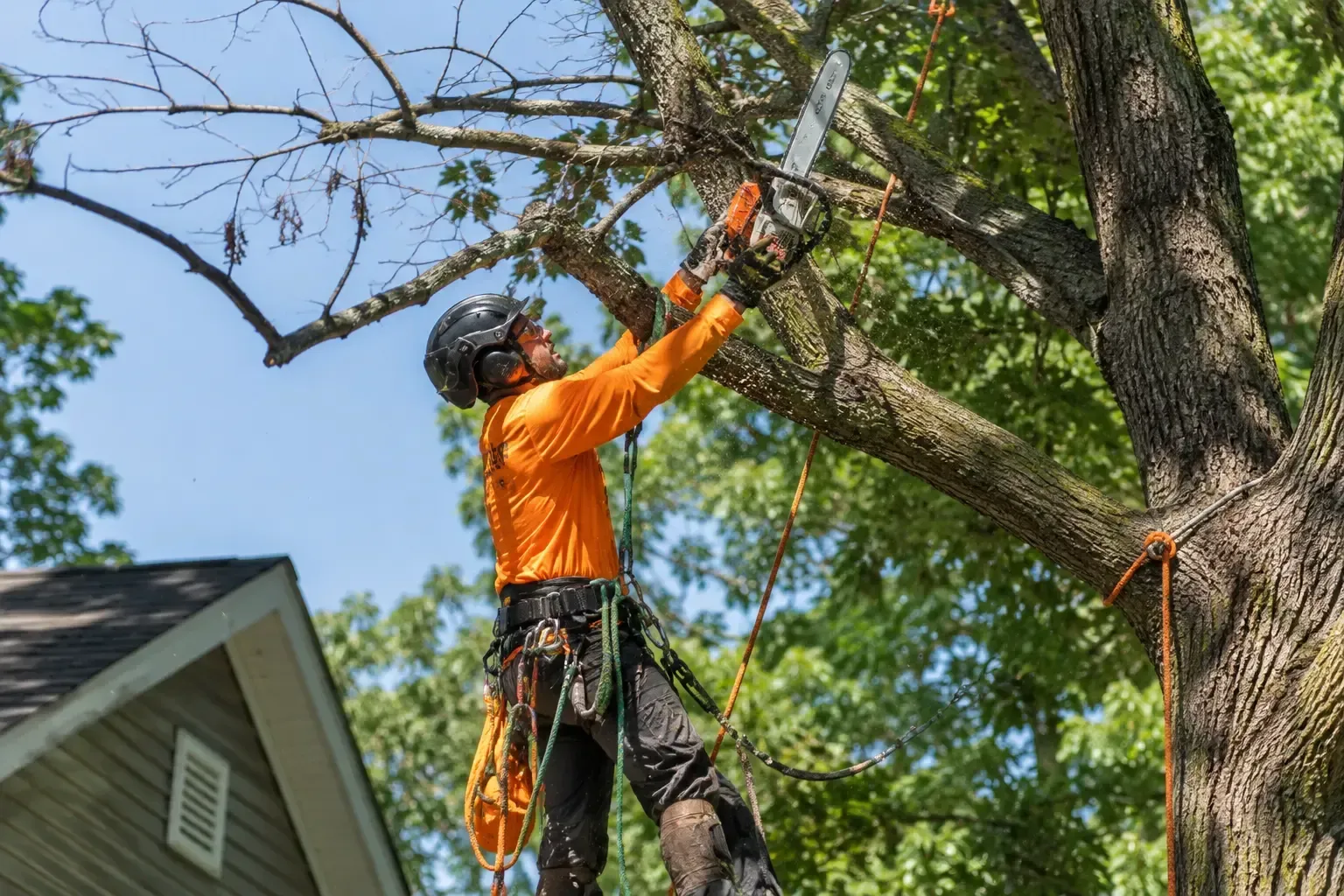
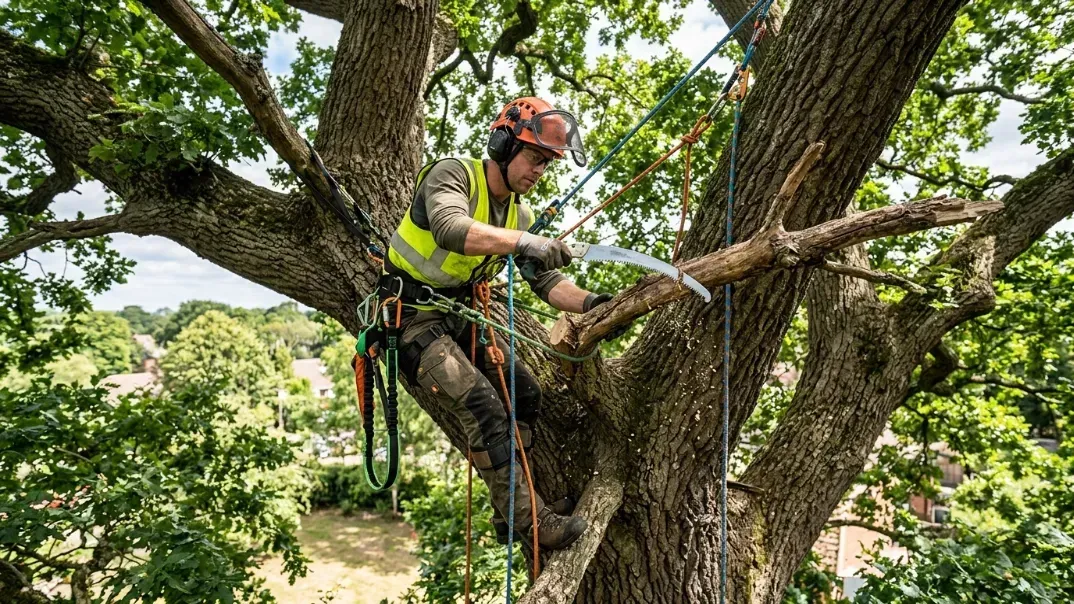
Properly maintaining a large urban forest requires specialized equipment, deep knowledge of plant biology, and strict adherence to safety protocols. Attempting to manage mature trees without professional training often results in irreversible damage to the tree and severe personal injury. Engaging a licensed and insured service provider ensures your property receives exact, scientifically backed care tailored to the local environment.
If you are uncertain about the current health or structural integrity of the trees on your property, a formal assessment is the most prudent next step. You can reach out directly to our specialists by calling (909) 362-8885 to schedule a thorough site evaluation and develop a customized maintenance strategy.
Frequently Asked Questions
Can I prune my trees during the summer months?
Yes, minor shaping and the removal of dead or broken branches can safely occur during the summer. However, heavy structural pruning is best reserved for the dormant winter months to minimize stress and prevent sap loss, which can attract harmful pests.
Does topping a tree make it safer from high winds?
No. Topping is an outdated and highly destructive practice that ruins the structural integrity of the tree. It forces the rapid growth of weak, poorly attached shoots that are actually more susceptible to snapping during high winds.
How do I know if a branch is dead and needs to be removed?
Dead branches typically lack foliage during the growing season, possess dry and brittle bark that peels away easily, and fail to show green tissue when gently scratched. Professional assessment is recommended for large branches located high in the canopy