Ivy Removal vs. Ivy Trimming: Which Solution Is Best for Long-Term Control?
Key Insights and Takeaways
Choosing between trimming and completely removing ivy is a critical decision for property managers. While trimming offers a quick aesthetic fix, total eradication provides a permanent solution that protects tree health and structural integrity. Addressing invasive vines early prevents severe bark rot and eliminates the need for dangerous emergency tree extractions.
- Trimming is Temporary: Cutting back vines requires constant, recurring maintenance because the root systems remain active in the soil.
- Removal Saves Trees: Completely severing the ivy roots protects the tree bark from moisture rot and prevents sunlight starvation.
- Local Climate Matters: The warm climate in West Covina accelerates vine growth, requiring proactive property management to prevent costly storm hazards.
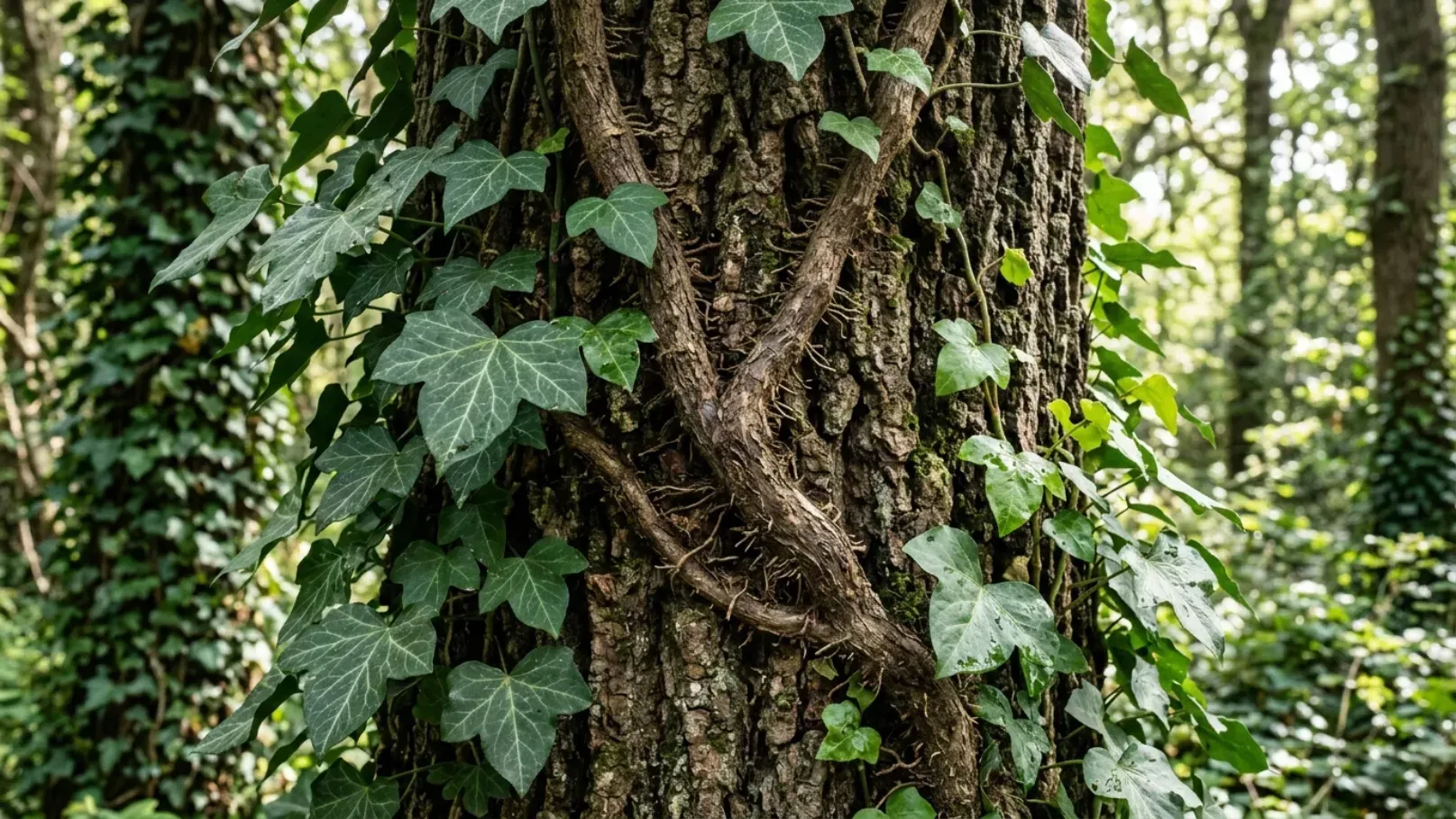
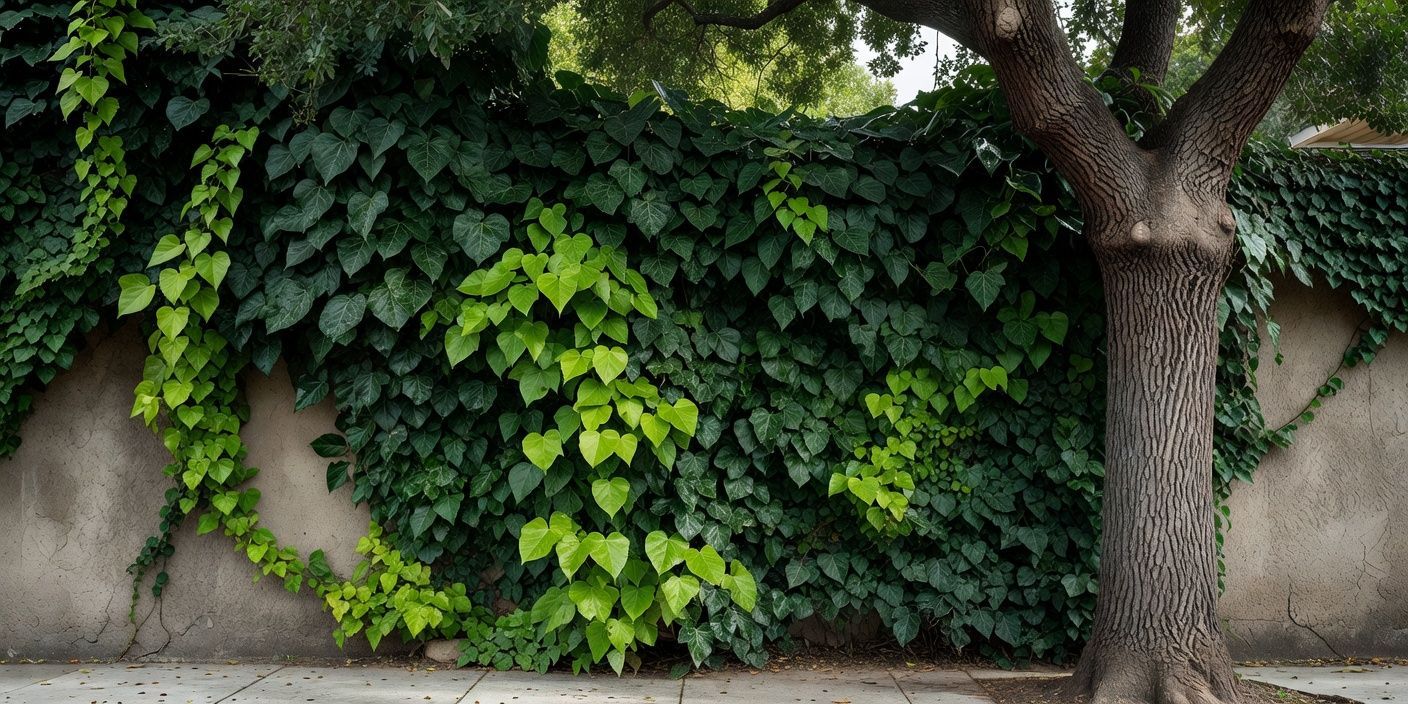
Ivy can quickly transform from an attractive ground cover into an invasive nightmare. Many property owners face this exact dilemma every single year. The vines climb up healthy trunks. They attach themselves firmly to the tree bark. This creates a thick canopy that ultimately blocks vital sunlight.
Property managers must decide how to handle this aggressive growth. You generally have two choices. You can trim the ivy back, or you can remove it completely. Both methods serve different purposes. Understanding these differences will save you time and money. It will also protect the health of your landscape.
The Hidden Dangers of Overgrown Vines
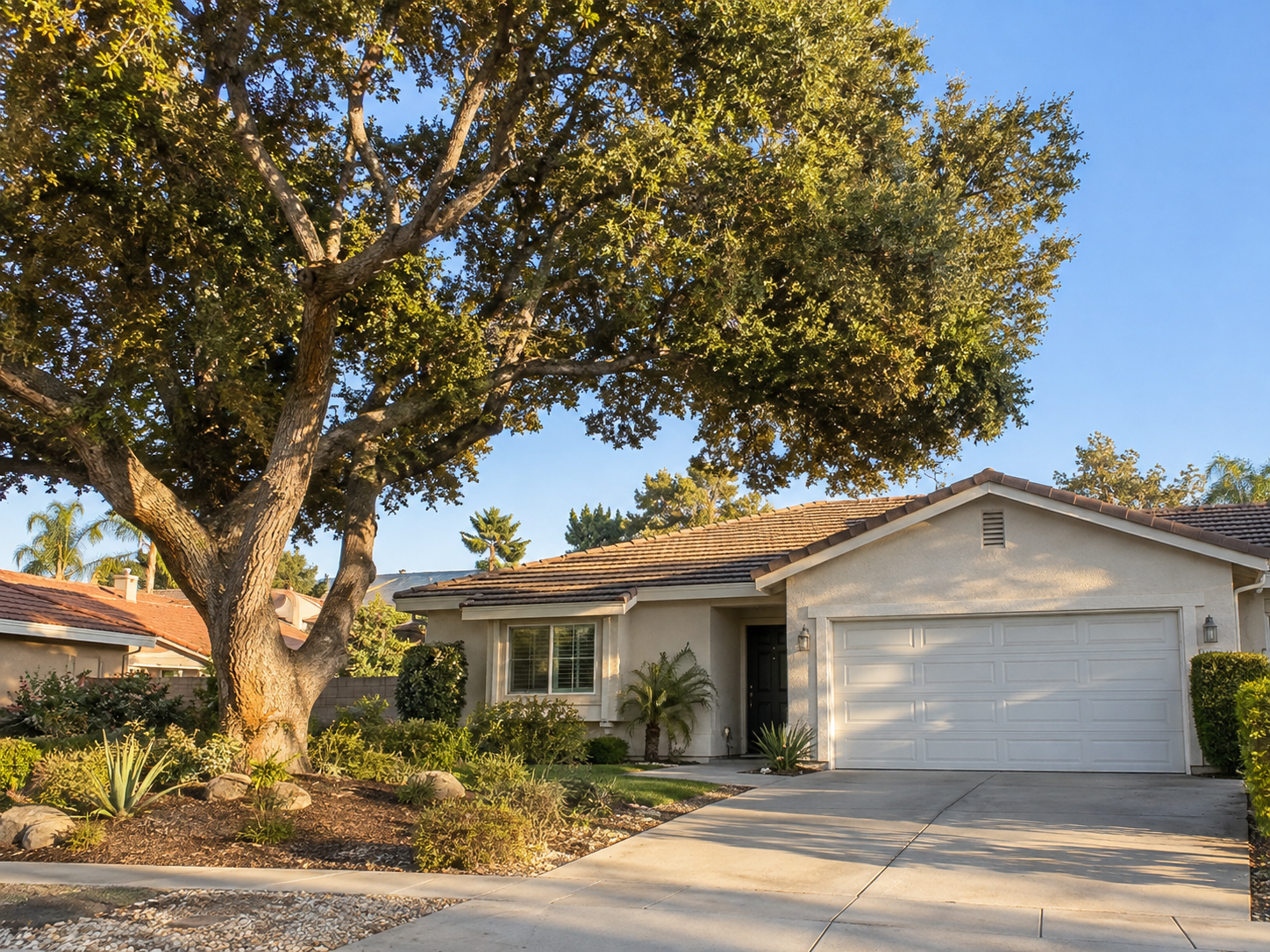
Climbing vines might look beautiful on a large oak or elm. They give properties a classic and established appearance. However, that green facade hides a very serious threat. Left unchecked, climbing vines literally strangle healthy trees. They compete aggressively for water and soil nutrients.
The roots of the ivy dig into the bark. This process introduces excess moisture to the trunk of the tree. That moisture invites rot, dangerous pests, and fungal diseases. A tree weakened by ivy becomes a massive liability. Maintaining the structural integrity of your landscape requires proactive care. Sticking to regular maintenance schedules helps catch these vine infestations early before they cause permanent harm.
Understanding Ivy Trimming as a Short-Term Fix
Sometimes you only need a temporary aesthetic fix. This is where trimming comes into play. Trimming involves cutting back the overgrown vines from the base of the trunk. It also involves clearing the lower branches of the tree.
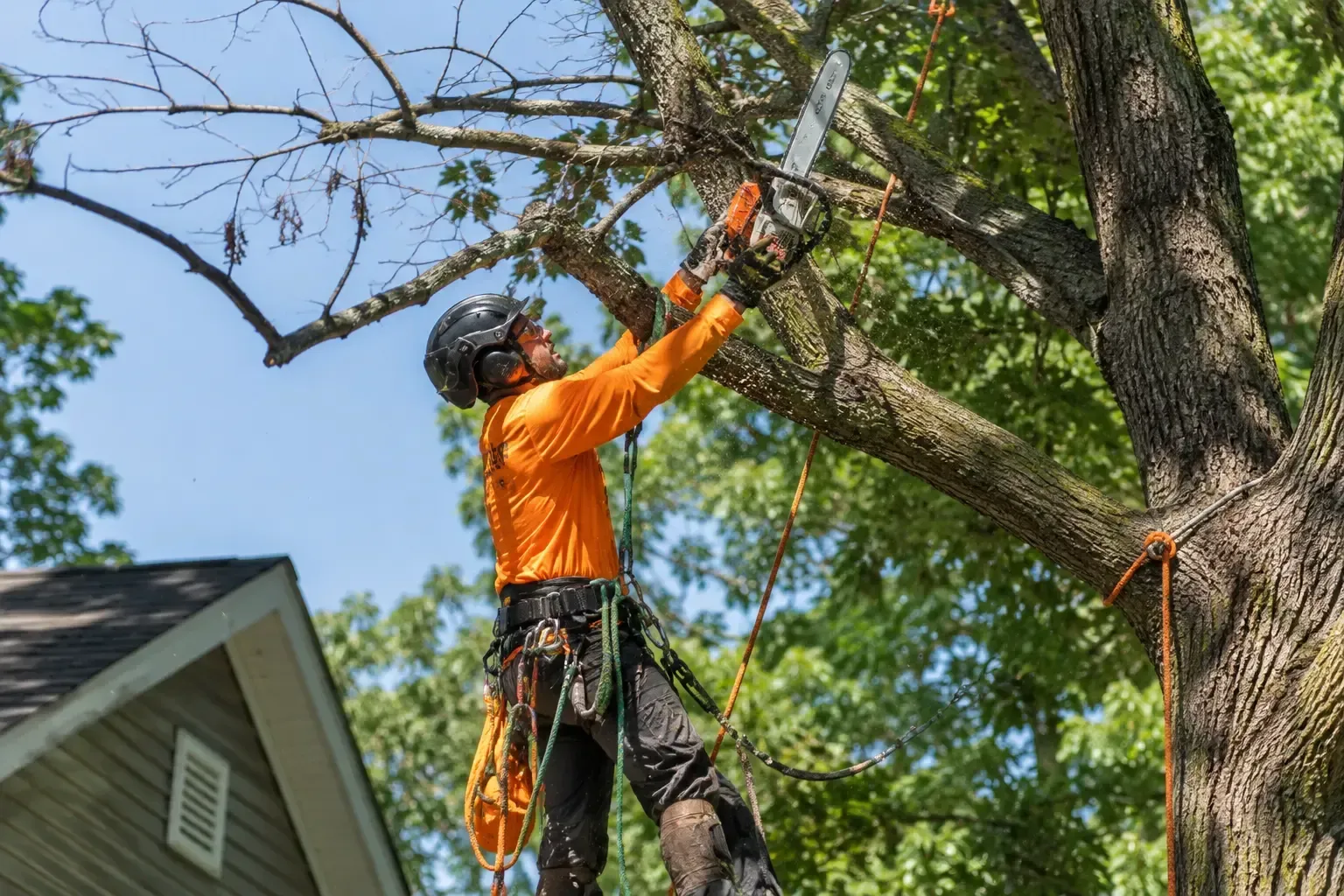
Trimming prevents the ivy from reaching the upper canopy. It stops the vines from adding excessive weight to fragile branches. This method is highly effective for visual upkeep. Property owners often schedule this alongside routine professional tree trimming to keep their landscape looking pristine.
However, trimming is merely a control measure. The root system of the ivy remains completely intact in the soil. The vines will inevitably grow back. You will have to repeat this maintenance process several times a year. Trimming manages the symptom but ignores the root cause of the infestation.
Why Complete Ivy Removal Provides Superior Long-Term Control
If you want a permanent solution, you must eliminate the source. Professional ivy removal goes far beyond surface-level cutting. It requires a systematic approach to sever the vines and eradicate the root system entirely.
Experts start by creating a gap around the base of the tree. They sever the vines near the soil line. This cuts off the nutrient supply to the upper vines. The ivy clinging to the trunk will slowly die and wither away. Pulling live ivy directly off the bark can cause severe damage. Allowing the vines to die first makes safe removal possible later.
Total removal protects the structural integrity of your trees. It ensures the roots of your trees no longer compete for essential nutrients. While this process requires more initial labor, it offers lasting peace of mind. You eliminate the recurring costs of endless trimming appointments.
Knowing When Vine Damage Requires Tree Removal
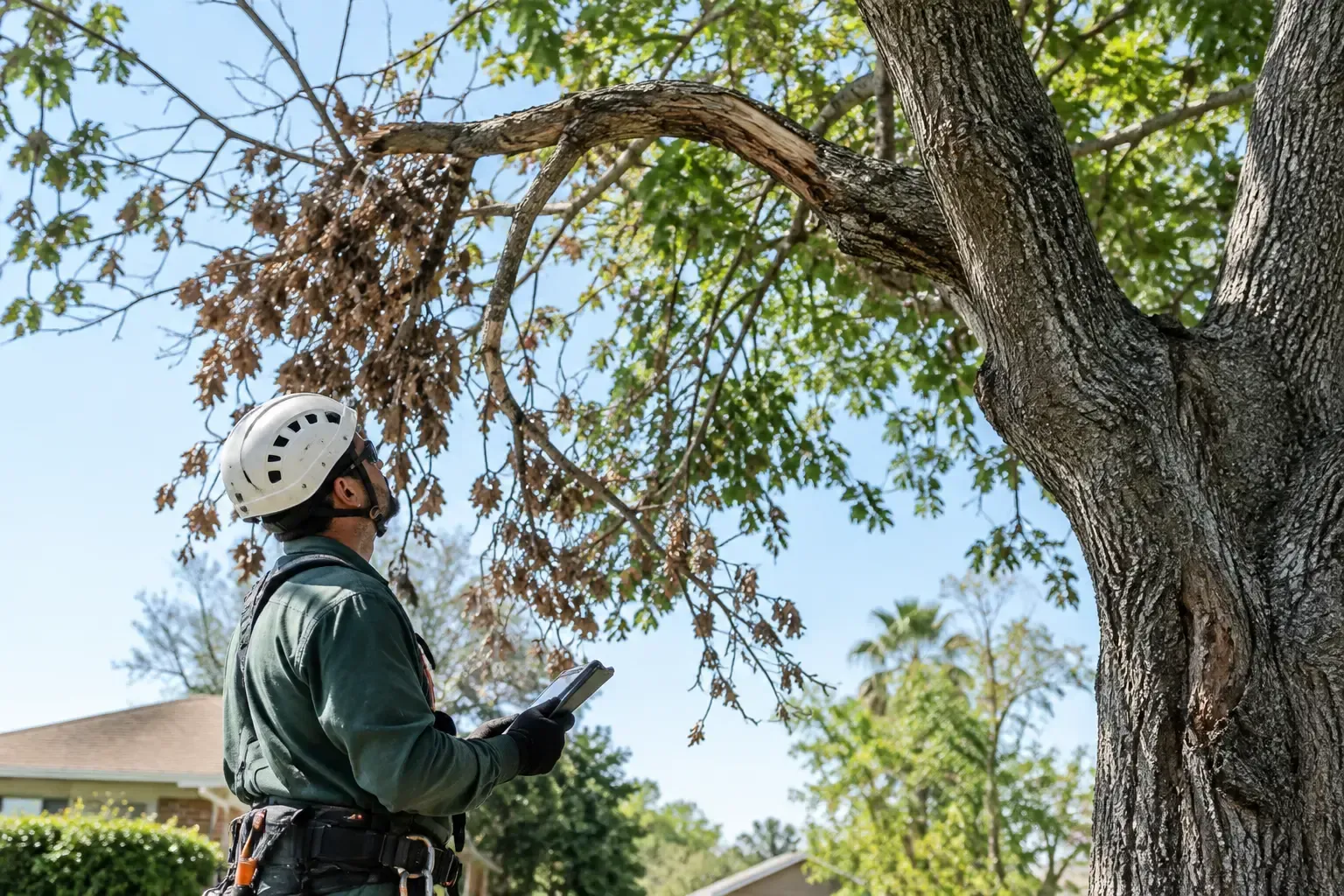
Sometimes property owners wait too long to address an ivy infestation. The vines completely envelop the canopy. The tree slowly starves from a lack of sunlight. The trapped moisture rots the trunk from the inside out.
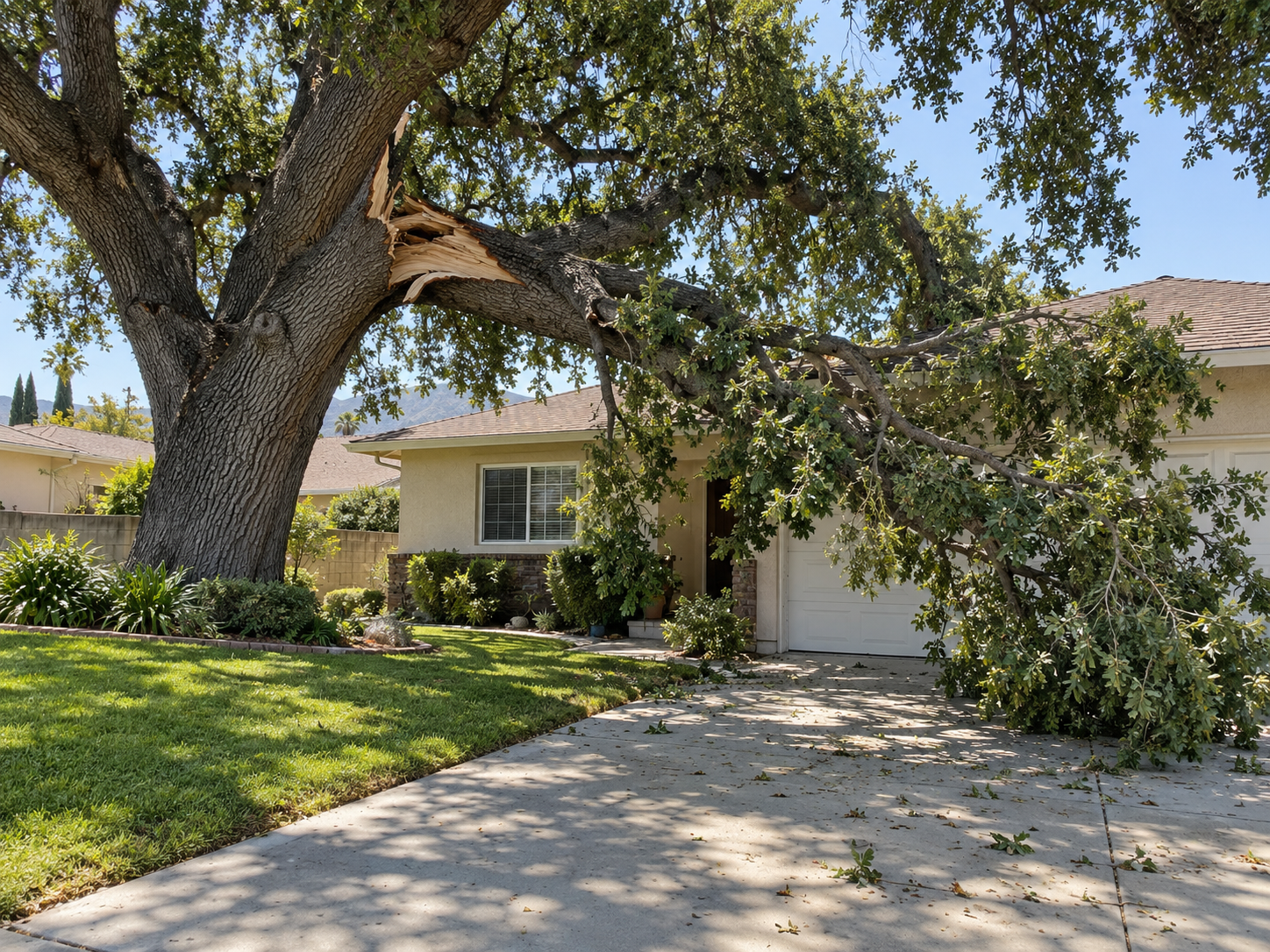
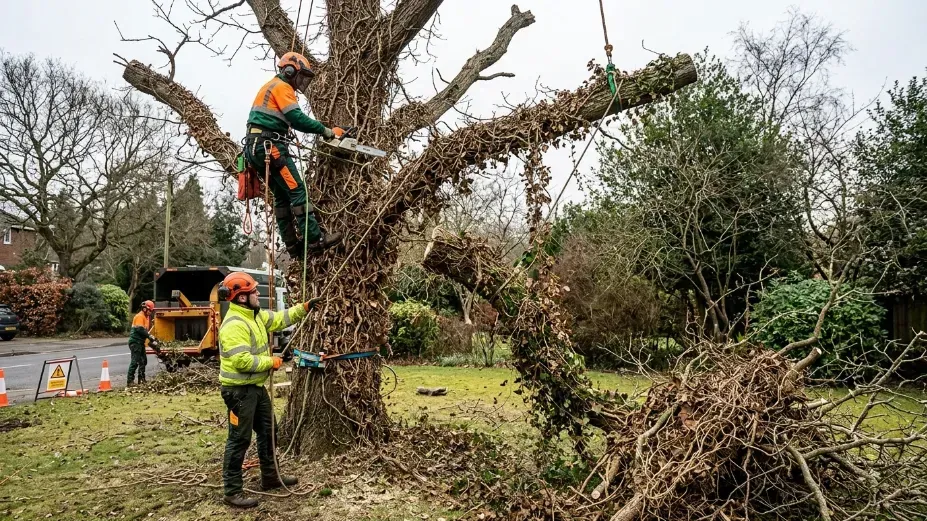
By the time the ivy is cleared, the tree might be dead. Dead or rotting trees pose a massive safety hazard. They can fall on buildings, vehicles, or power lines during heavy winds. When a tree is beyond saving, total tree removal becomes the only viable option.
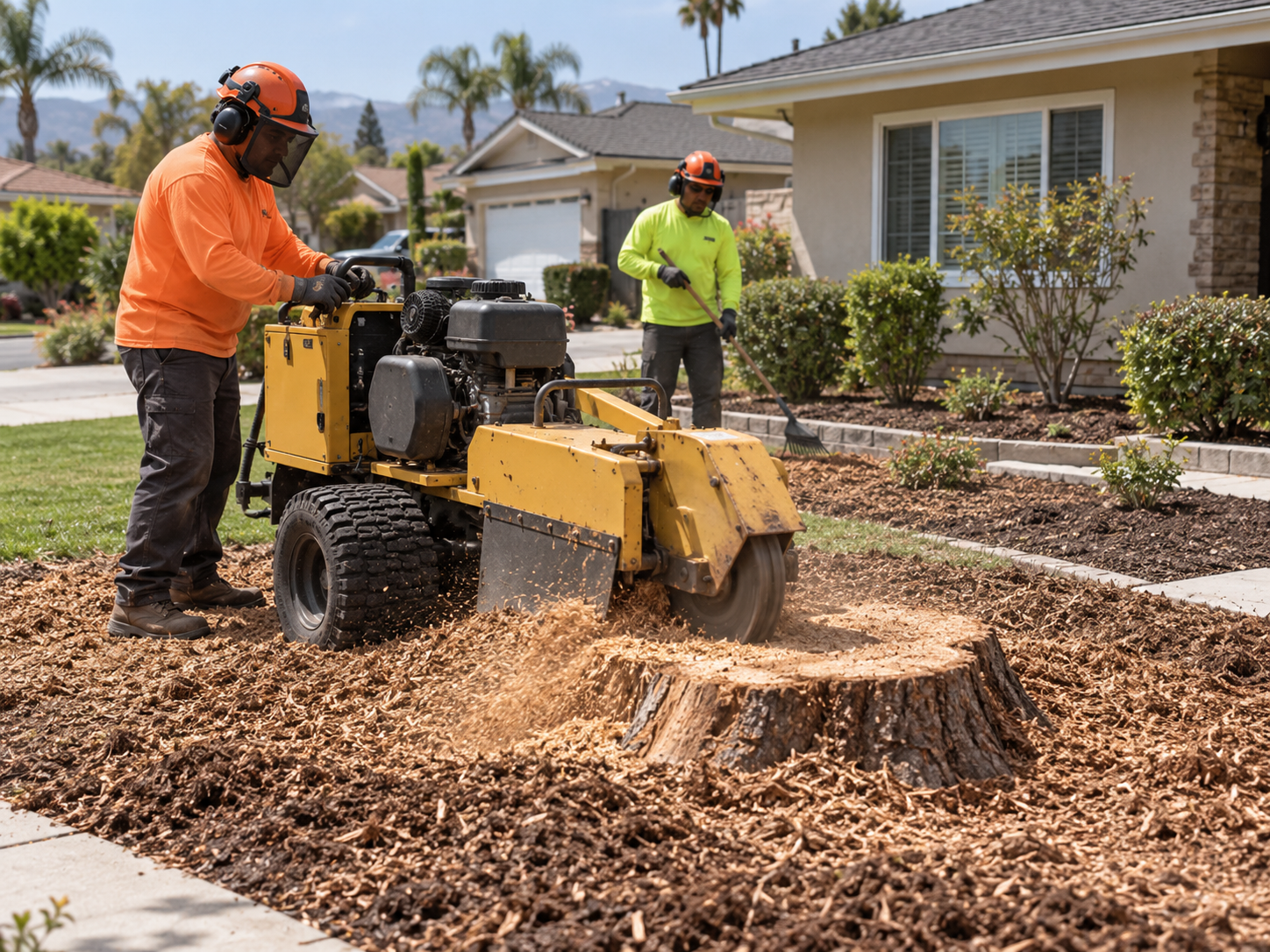
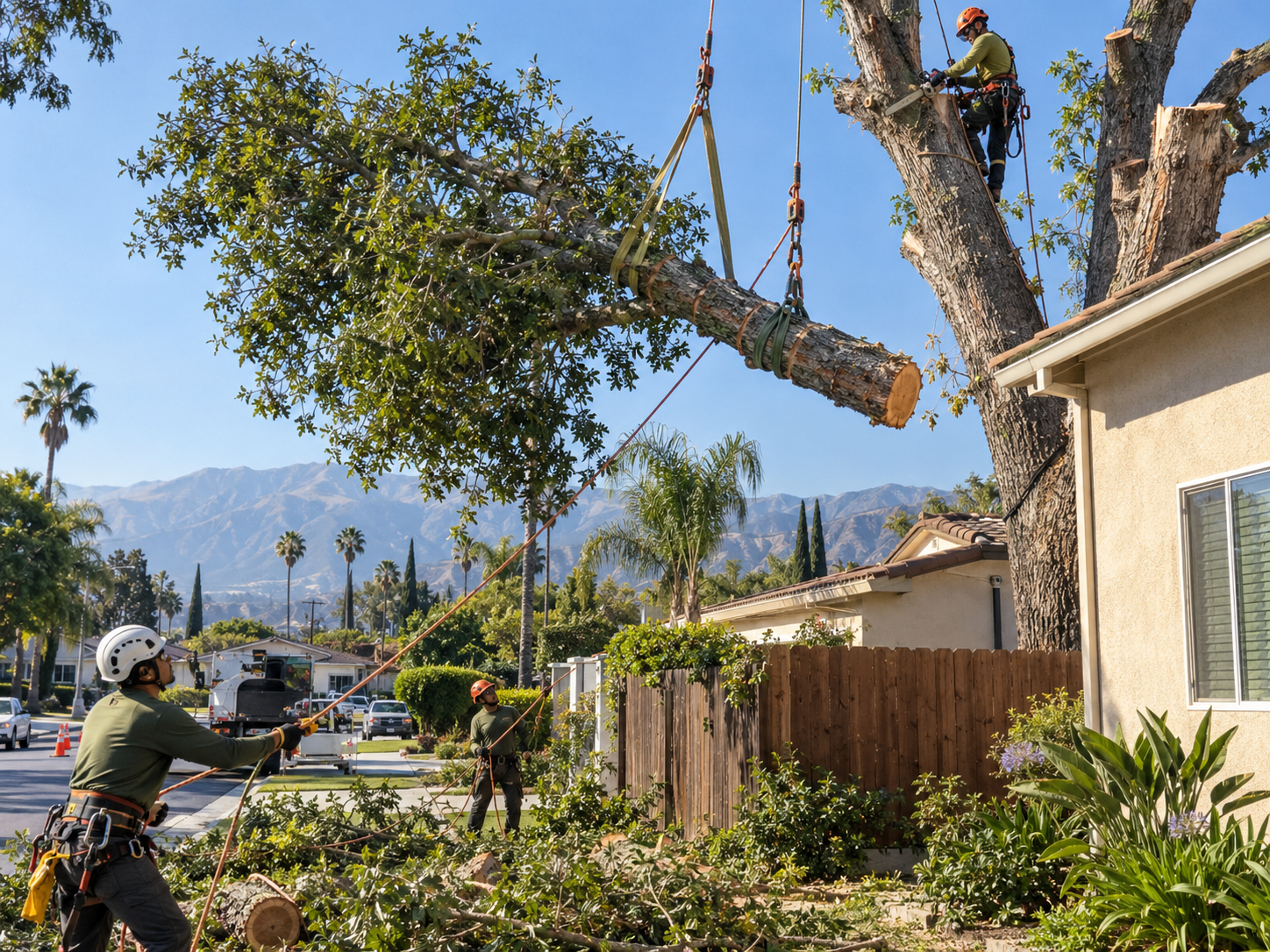
Removing a dead tree is complex and dangerous work. It requires specialized equipment and strict safety protocols. Catching the ivy problem early is always the best strategy to avoid losing a valuable mature tree.
Managing Property Risks in West Covina
Local climate conditions heavily influence plant growth. In West Covina, CA 91790, the warm weather allows invasive vines to thrive year-round. This rapid growth demands constant vigilance from property owners.
Ignoring rapid vine growth puts your entire property at risk. Heavy ivy acts like a sail during strong windstorms. It catches the wind and increases the chances of a tree blowing over. If a severe storm strikes and a vine-covered tree falls, you need immediate help. We highly recommend keeping contact information for emergency tree removal readily available to handle these sudden disasters.
Protecting your real estate investment means taking landscape hazards seriously. Healthy trees increase property values. Dead or dangerous trees lower your curb appeal and increase your liability.
Making the Right Choice for Your Landscape
Deciding between trimming and removal comes down to your primary goals. If you love the look of ivy and do not mind frequent maintenance, trimming works well. Just be prepared for the ongoing labor and costs.
If you want a low-maintenance landscape, eradication is the clear winner. Total removal protects your trees and eliminates recurring costs. It is the most financially responsible choice for long-term property management.
Handling aggressive vines requires expertise. You need professionals who understand tree biology and safe clearing techniques. You can learn more about our experienced team and our dedication to landscape health.
As the premier choice for local property owners, Tree Service Perfection West Covina stands ready to help you reclaim your yard. We prioritize the health and safety of your environment above all else.
Frequently Asked Questions
Does ivy kill mature trees?
Yes, aggressive vines can eventually kill mature trees. They climb the trunk and block sunlight from reaching the leaves. They also trap moisture against the bark. This trapped moisture encourages fungal rot and destructive pests. Over several years, this combination will weaken and kill the tree.
How do professionals handle safe ivy removal?
Professionals start by severing the ivy at the base of the trunk. This is often called creating a "life ring." They do not rip live vines off the bark, as this damages the tree. They let the upper vines die and dry out naturally. Once the vines are dead, they carefully remove them.
When should I call an expert for climbing vines?
You should call an expert as soon as the vines reach the first set of branches. Do not wait for the canopy to be covered. Early intervention saves time and money. If you need professional assessment, please contact us today to schedule a consultation.