Tree Cutting Service Near West Covina: When Is the Best Time to Cut Down a Tree?
Key Takeaways and Insights
Removing a tree at the right time ensures safety, saves money, and protects your property value in West Covina. While winter is generally the most efficient season for planned removals, severe weather or structural decay often requires immediate emergency intervention. Trusting a licensed professional guarantees the job is done safely, legally, and with minimal disruption to your landscape.
Winter offers optimal conditions for planned removals due to dormant trees and firm soil.
Signs like deep trunk cracks, leaning, and fungal growth dictate the need for immediate emergency service.
Hiring licensed experts ensures local permit compliance and protects your home from accidental damage.
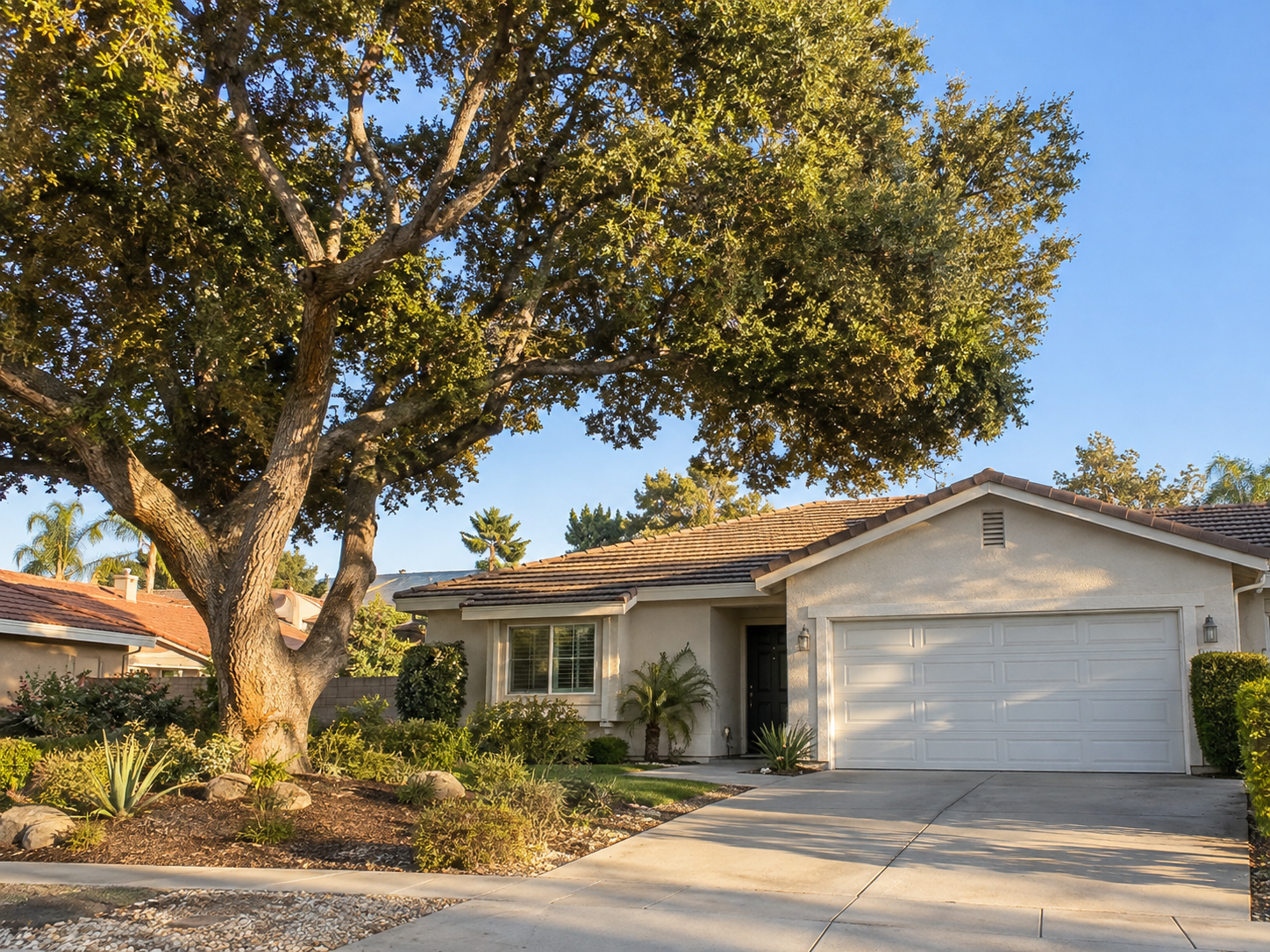
Property owners in West Covina know the value of beautiful landscaping. Large trees provide valuable shade during hot summers. Mature landscaping also boosts neighborhood appeal and property value. Sometimes, however, a tree becomes a liability rather than an asset. Dead branches threaten residential roofs. Diseased roots destroy underground plumbing. Knowing exactly when to cut down a tree saves you money. It also prevents catastrophic property damage. West Covina Tree provides expert guidance for these tough property maintenance decisions. We help homeowners across the San Gabriel Valley protect their real estate investments.
The Impact of Seasonal Changes on Tree Removal
Many people wonder about the optimal season for removing large vegetation. The truth depends entirely on tree health and local weather conditions. Winter is usually the most efficient season for planned removals. Trees enter a natural dormant state during colder months. Deciduous trees lose their leaves entirely. This bare structure makes the cutting process much safer. Arborists can clearly see the branch architecture. They can dismantle the heavy canopy without leaf obstruction.
The surrounding soil is also much firmer in the winter. Hard ground protects your manicured yard from heavy machinery. Our crews can haul massive trunks with minimal landscape disruption. Spring brings rapid growth and blooming flowers. Removing a tree in spring is certainly possible. However, the soft soil makes yard protection more challenging.
Common Tree Species in the San Gabriel Valley
Southern California hosts a massive variety of residential greenery. Some species thrive here while others struggle constantly. Eucalyptus trees are incredibly common throughout West Covina. They grow very fast and reach towering heights. Unfortunately, they are notorious for dropping heavy branches without warning. Pine trees represent another popular local choice. They offer excellent shade but suffer terribly during extended droughts.
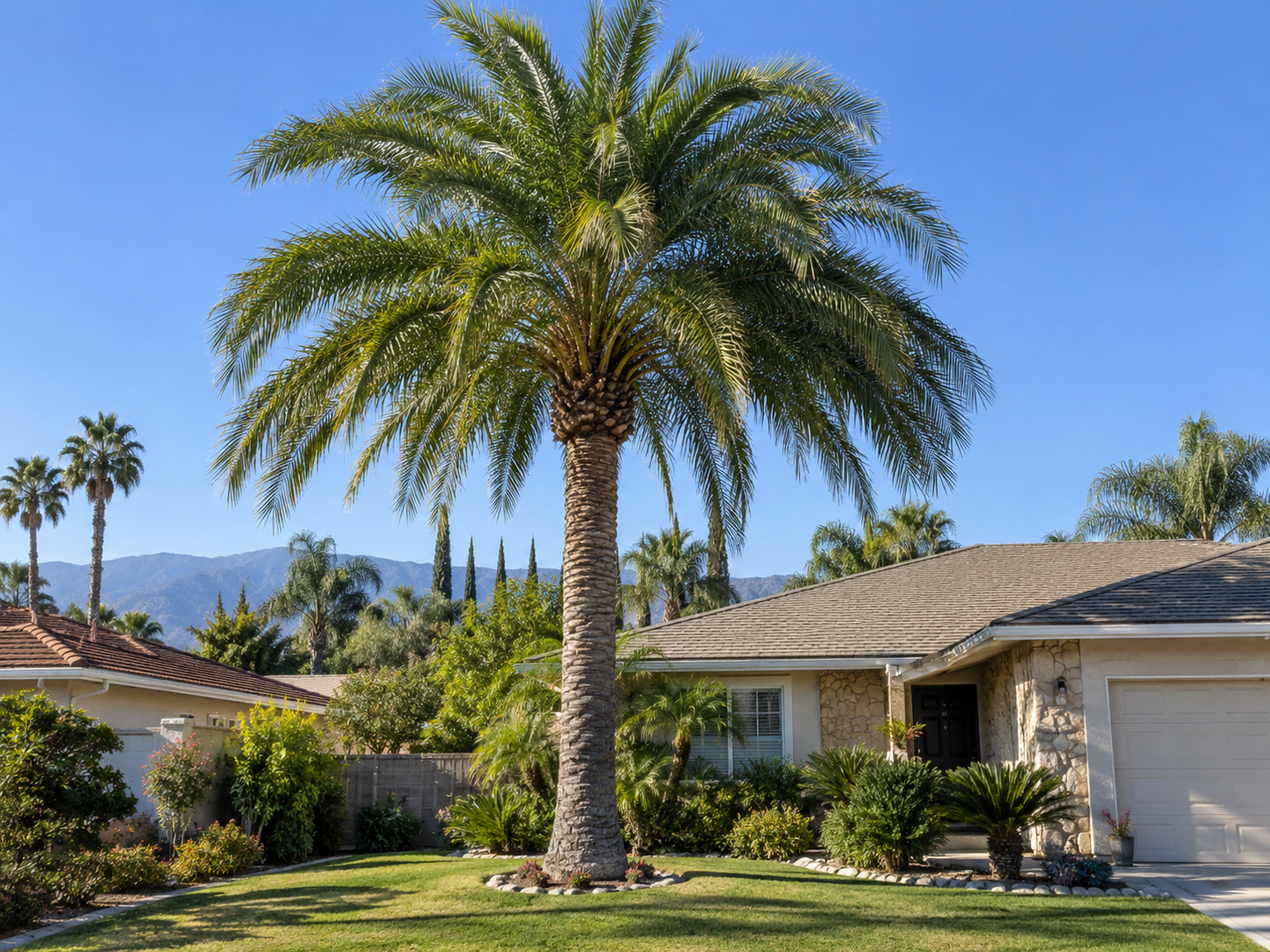
Bark beetles easily kill drought-stressed pine trees. Once infested, a pine dies very quickly. Oak trees are deeply cherished in our community. They are incredibly strong and resilient. Removing a mature oak usually requires special municipal permission. Palm trees require frequent maintenance to remove dry fronds. Knowing your specific tree type helps determine the safest removal strategy.
When Emergency Tree Services Are Necessary
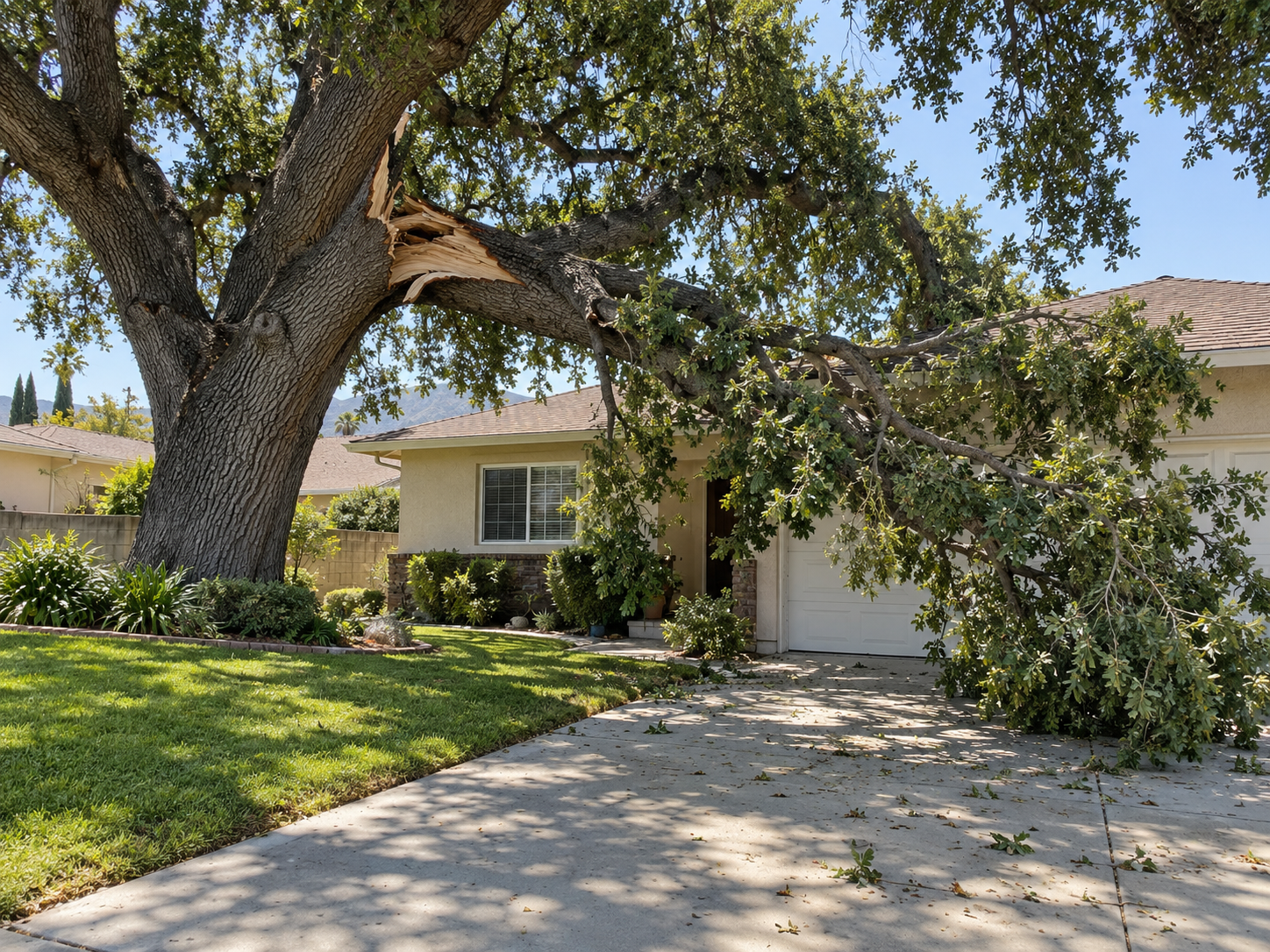
You cannot always wait for winter to schedule property maintenance. Emergencies require immediate, decisive action. High winds frequently strike our region. The Santa Ana winds cause massive structural stress on tall canopies. A severely leaning trunk poses a deadly threat to your home. Deep cracks in the main wood signal imminent collapse. You need professional tree services right away when this happens.
Fungal growth at the soil line is another major red flag. Mushrooms growing on roots indicate deep internal decay. Dead wood snaps easily during a strong storm. We strongly advise homeowners to inspect their yards regularly. Finding these warning signs early prevents thousands of dollars in property damage.
How Local Weather Affects Tree Health
The local climate plays a massive role in overall vegetation health. West Covina experiences intensely hot and dry summers. Prolonged heat waves severely stress local landscaping. Severe drought conditions weaken root systems over many years. Weak trees easily attract dangerous pests. Wood-boring insects destroy the internal vascular system of the trunk. A tree rarely recovers once infested.
Summer weather can also bring sudden bursts of heavy rain. Dry soil cannot absorb storm water fast enough. This leads to dangerous soil erosion around the base of the trunk. Exposed roots compromise the structural stability of massive trees. A heavy canopy combined with weak roots is a recipe for disaster.
Comparing Seasonal Tree Removal
Choosing the right time requires careful property planning. Property managers and homeowners must consider scheduling logistics. Different seasons offer very distinct advantages and disadvantages. Winter provides excellent visibility and stable soil. Spring brings rapid growth and wet ground. Summer poses extreme heat stress for landscaping projects. Fall is excellent for clearing out dead wood before winter storms arrive. The following table breaks down seasonal factors for tree cutting.
| Season | Canopy Visibility | Soil Condition | Risk of Pests | Overall Recommendation |
|---|---|---|---|---|
| Winter | Excellent | Firm and stable | Very Low | Highly Recommended |
| Spring | Poor | Soft and wet | Moderate | Not Ideal |
| Summer | Poor | Very dry and hard | High | Emergency Only |
| Fall | Good | Moderately firm | Low | Recommended |
Identifying Hazardous Trees on Your Property
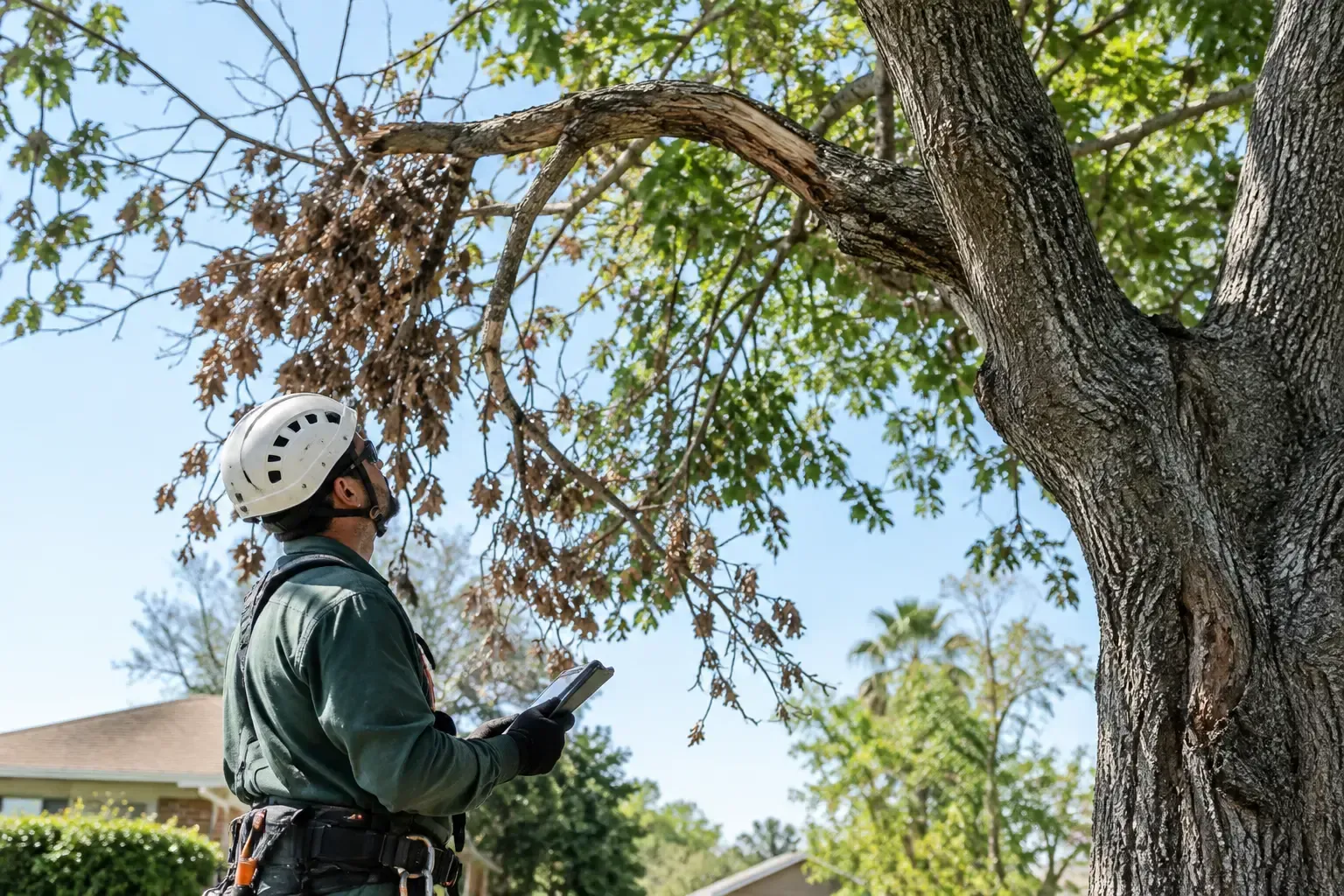
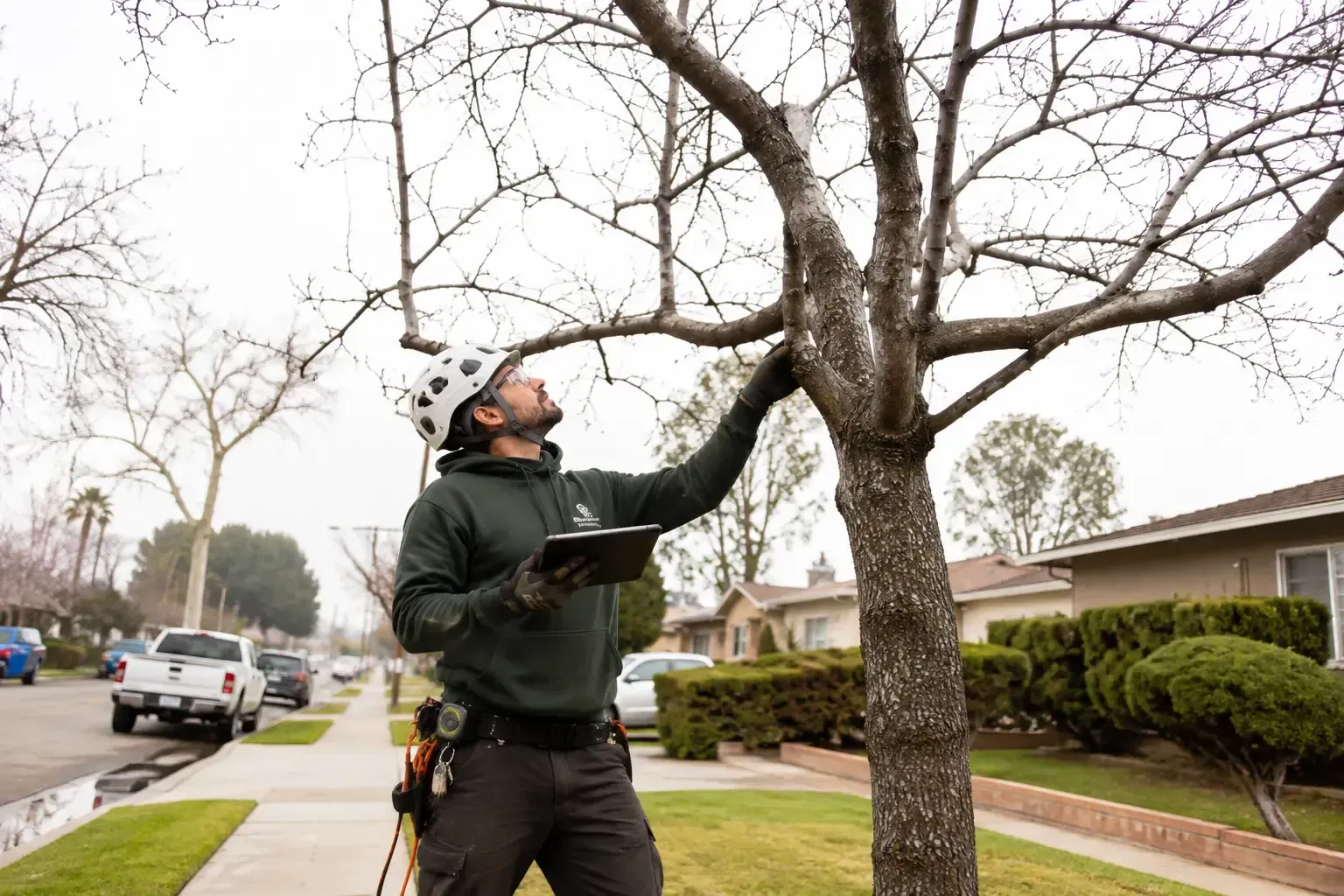
Homeowners must remain vigilant regarding safety risks. Pay close attention to the upper canopy. Dead branches hanging over your roof are extremely dangerous. Arborists call them widow-makers for a very good reason. Look closely at the external bark. Deep vertical cracks require an immediate professional inspection. Hollow cavities inside the trunk severely compromise structural integrity.
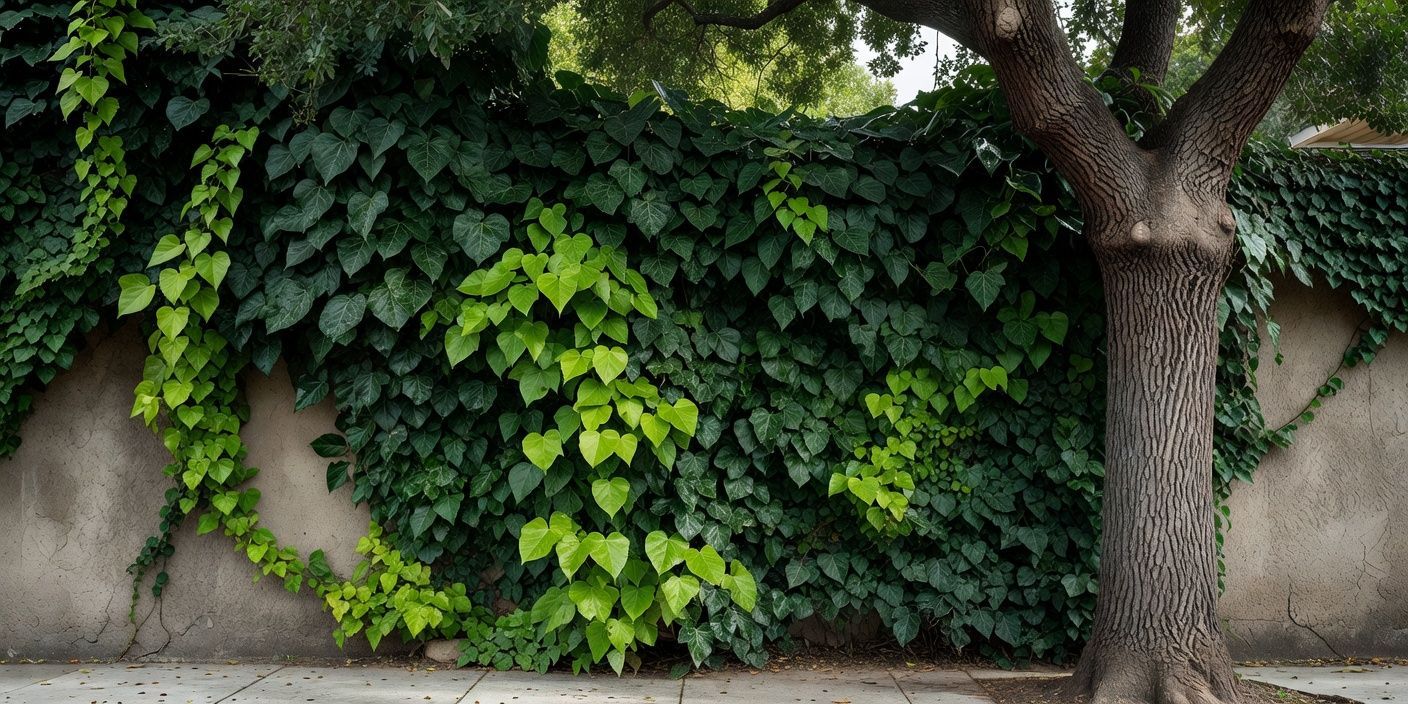
Root problems are usually much harder to spot. Pay close attention to your concrete driveways and walking paths. Lifting sidewalks indicate aggressive, shallow root expansion. Roots can easily crush underground plumbing pipes. This causes expensive water leaks and landscape flooding. Never ignore these silent, growing threats.
Protecting Property Value Through Expert Care
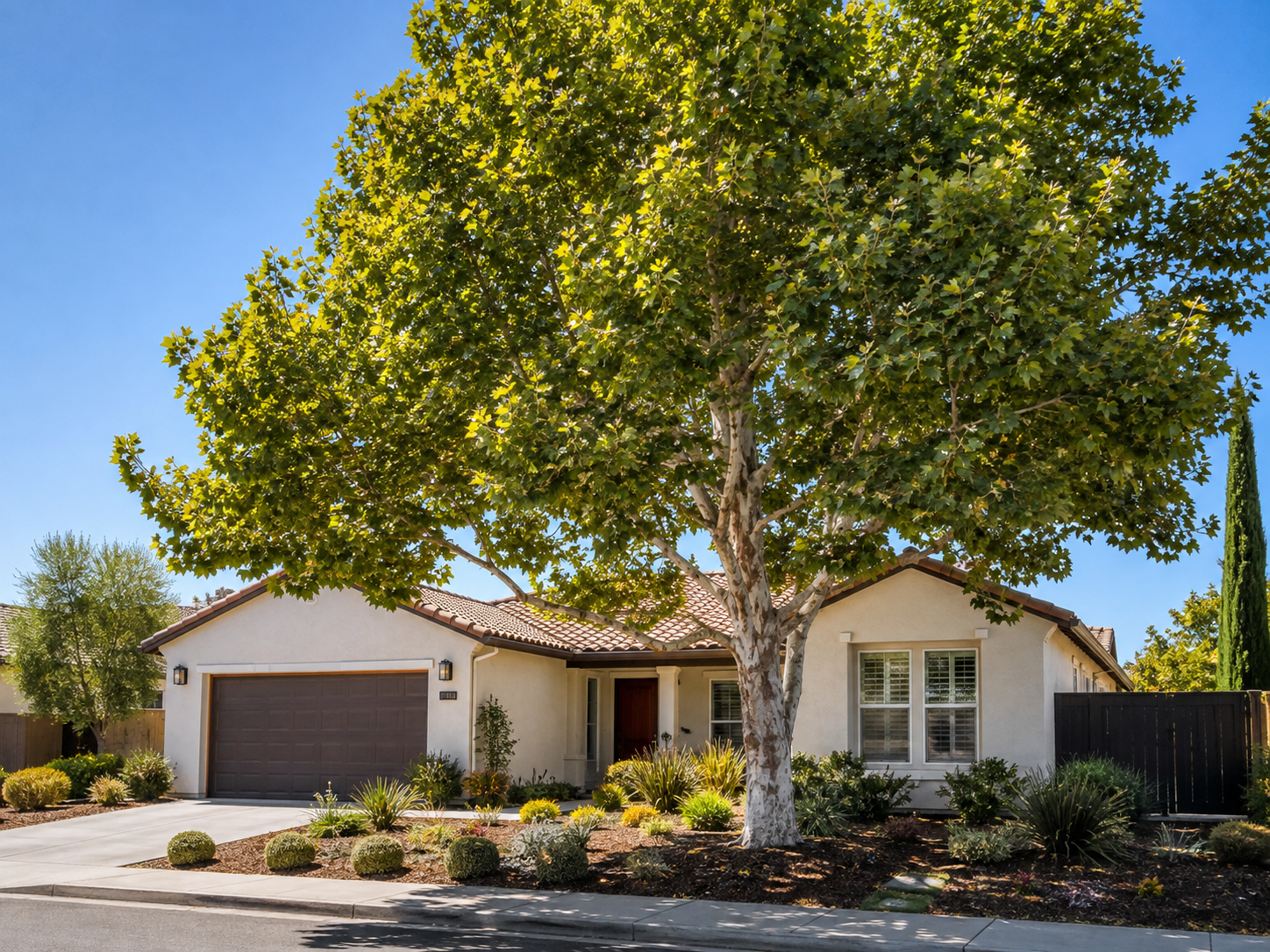
Curb appeal directly impacts your total property value. Beautiful landscaping easily attracts potential buyers. A dying tree does the exact opposite. It creates a massive eyesore that drags down the aesthetic of the whole neighborhood. Removing an ugly stump instantly improves your yard space. It opens up new areas for modern landscaping projects.
Property buyers actively avoid homes with obvious outdoor maintenance issues. A dangerous, leaning tree signals expensive future repairs. Smart homeowners eliminate these liabilities before listing their homes. Hiring licensed professionals guarantees the job is done correctly. Professionals carry the required liability insurance. They protect your house from accidental impact damage during the removal.
What Happens to the Wood After Removal?
Many property owners ask about the leftover yard debris. A large tree generates several tons of organic material. Professionals do not just leave a giant mess behind. We process the smaller branches through a heavy-duty wood chipper. These chips make fantastic mulch for local gardens. Organic mulch retains soil moisture during hot West Covina summers.
The main trunk logs require entirely different handling. Sometimes homeowners want to keep the logs for winter firewood. We can slice the trunk into manageable firewood lengths upon request. If you do not want the heavy wood, our team hauls it away entirely. We ensure all green waste is recycled or disposed of properly.
The Professional Tree Removal Process Explained
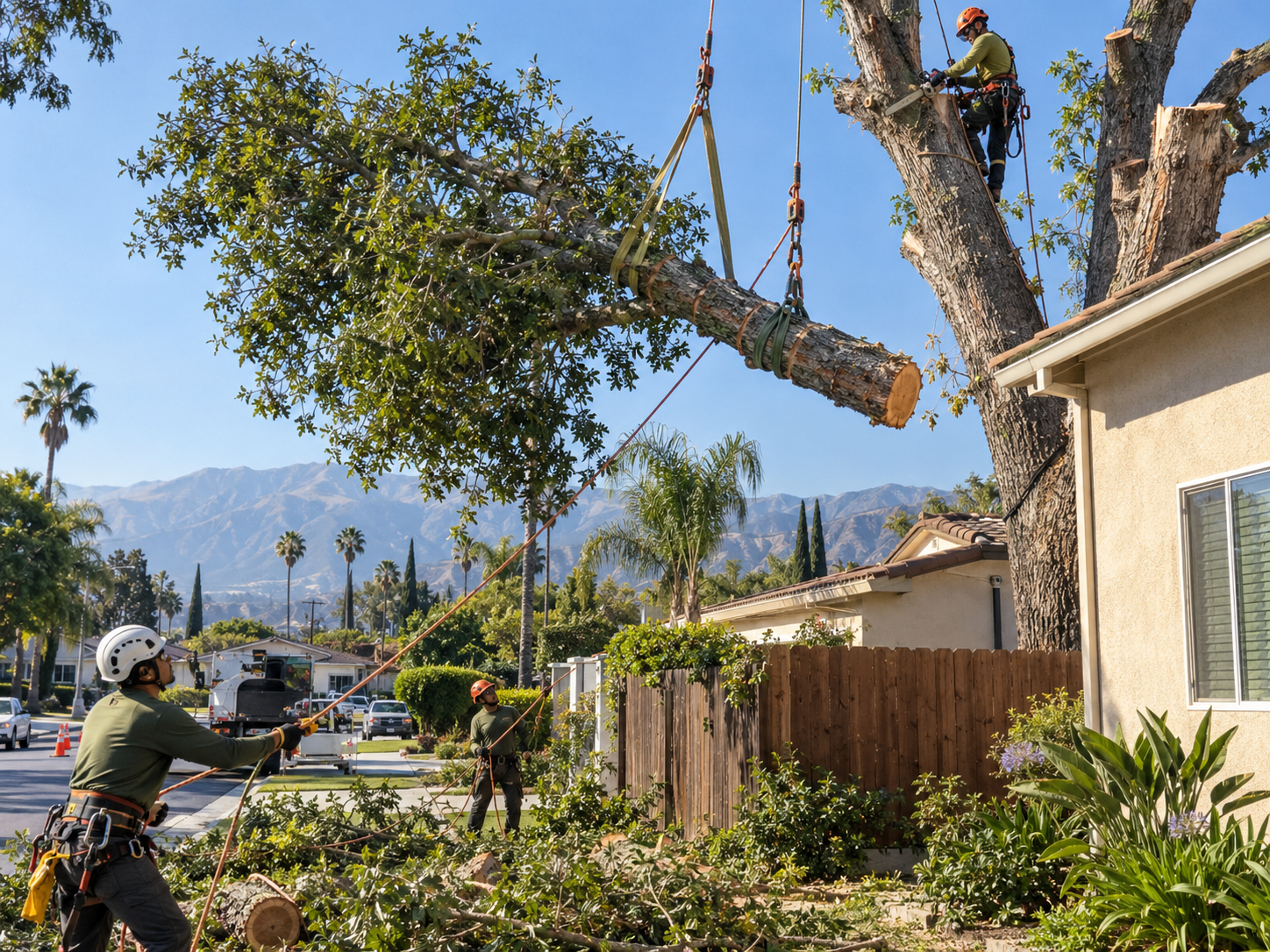
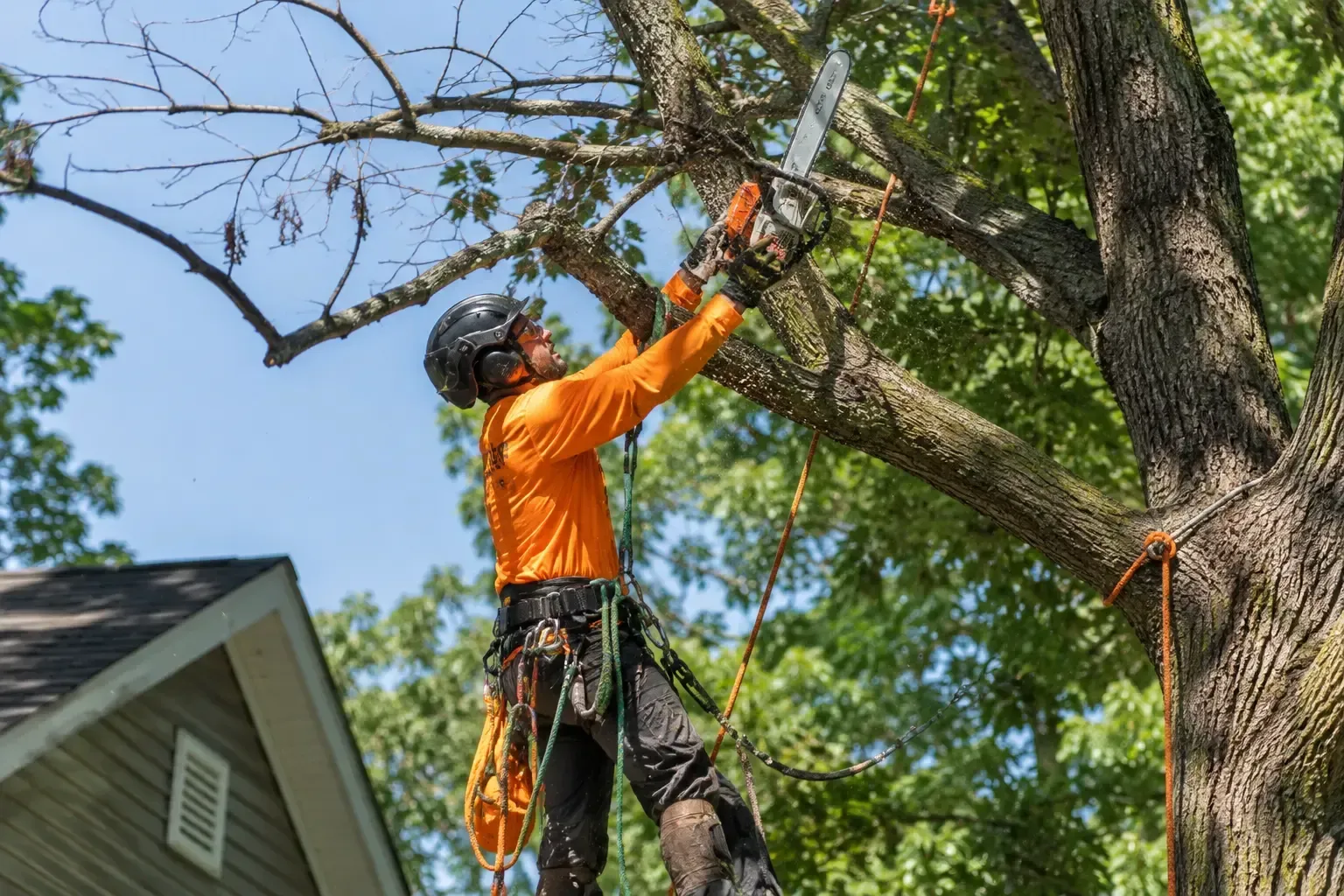
Cutting down a massive structure requires intense precision. It is absolutely not a simple chopping task. Arborists use specialized mechanical rigging equipment. They dismantle the canopy piece by piece. This highly controlled method protects your nearby fences and sheds. The crew starts by carefully removing the lowest branches. They slowly work their way up the main trunk.
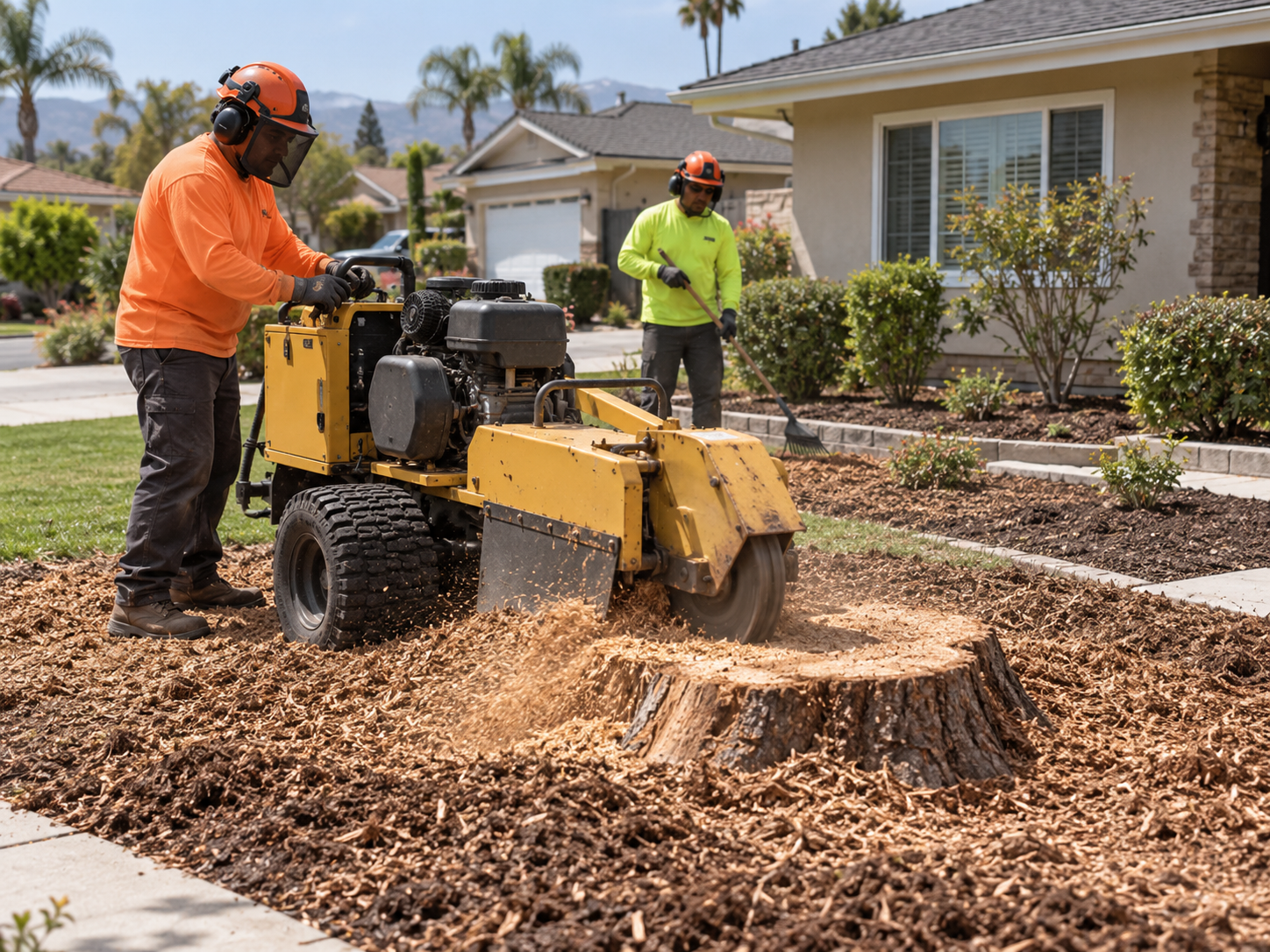
Once the canopy is gone, the main trunk is sectioned. The heavy wood is lowered safely to the ground using thick ropes. After the main structure is safely down, stump grinding finally begins. A specialized machine shreds the remaining stump into small wood chips. This leaves the ground completely flat and ready for fresh topsoil.
Choosing the Right Contractor in West Covina
You need a highly reliable contractor for major landscaping projects. Look for teams with verified local experience. West Covina Tree deeply understands local municipal regulations. We know exactly which species require special city removal permits. We handle all the frustrating heavy lifting for our local clients.
Safety remains our primary operational focus. Our crews wear protective gear and utilize modern mechanical equipment. We clean up the entire job site before leaving your property. Your yard will look pristine and well-managed. If you have any concerns about a specific tree on your lot, let us know. We offer professional consultations to properly evaluate structural health. Reach out to our experts today to schedule an inspection.
Frequently Asked Questions
Do I need a permit to cut down a tree in West Covina?
Permit requirements depend strictly on the tree size and exact location. Certain heritage oak trees are heavily protected by local city ordinances. Street-facing vegetation also falls under specific municipal rules. It is always best to consult professionals who thoroughly understand current city guidelines before cutting.
How much does professional removal cost locally?
Costs vary significantly based on the height and location of the trunk. A small sapling in an open yard is very cheap to remove. Massive canopies hanging over expensive houses require highly complex rigging. We always provide clear, written estimates before starting any physical work.
Can a dying tree be saved instead of removed?
Sometimes a struggling tree can fully recover with proper professional care. Expert pruning and targeted disease treatments can help revive it. However, severe trunk decay usually means complete removal is the only safe option. A structural assessment determines the best path forward.