Tree Fell on Your Roof? How an Emergency Tree Service Can Minimize Damage
Key Takeaways and Insights
When a tree crashes onto your roof, immediate and safe action is necessary to prevent further structural damage and water intrusion. Hiring a professional tree company ensures heavy timber is removed safely using cranes and specialized equipment, protecting both your family and your property. Fast professional extraction also helps streamline your homeowners insurance claim by providing required documentation and emergency tarping.
Evacuate the home and check for downed power lines before assessing any storm damage.
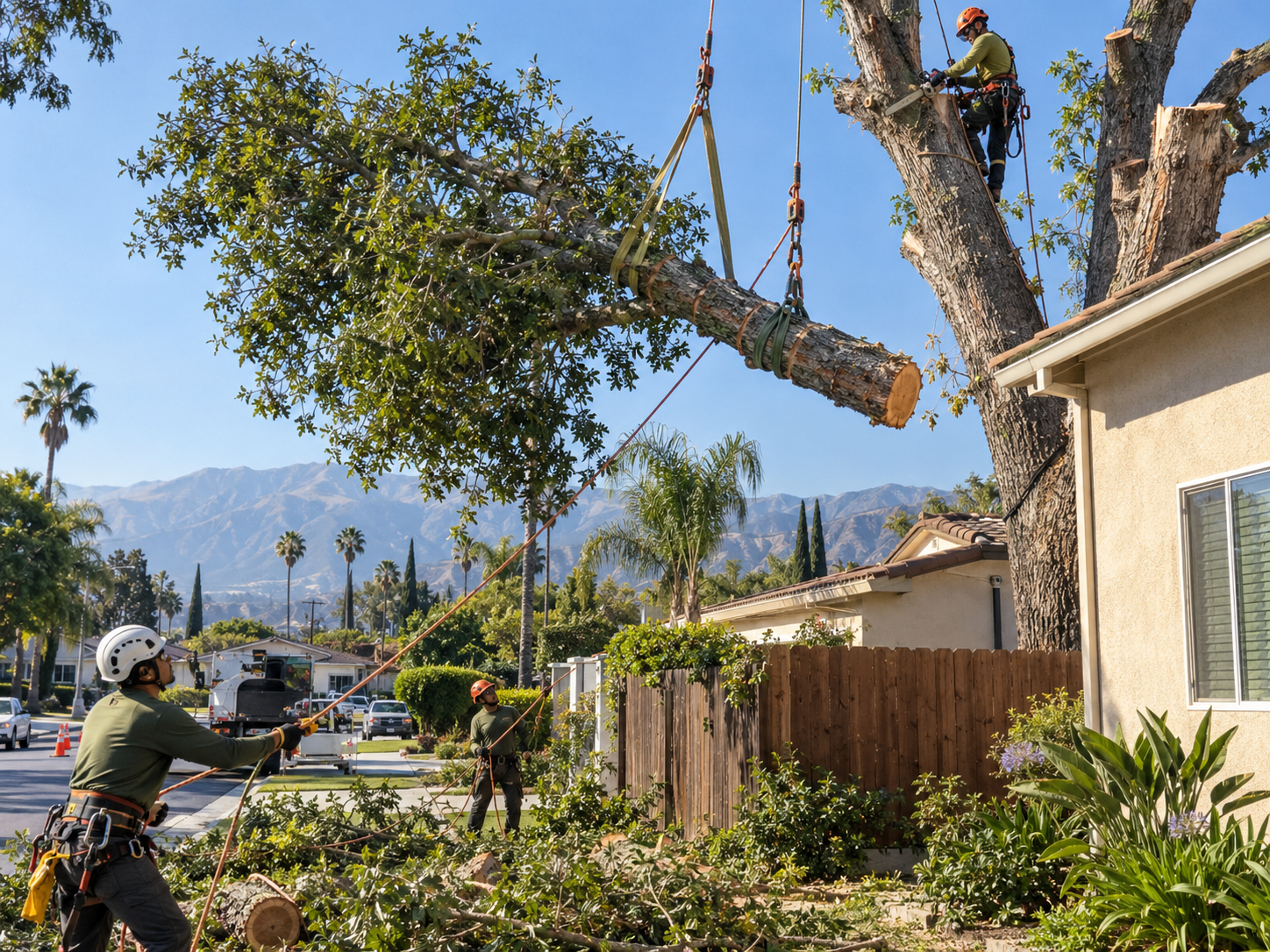
Professional arborists use cranes to lift heavy trunks vertically, preventing secondary roof collapses.
Prompt emergency removal and roof tarping satisfy insurance requirements to mitigate further property loss.
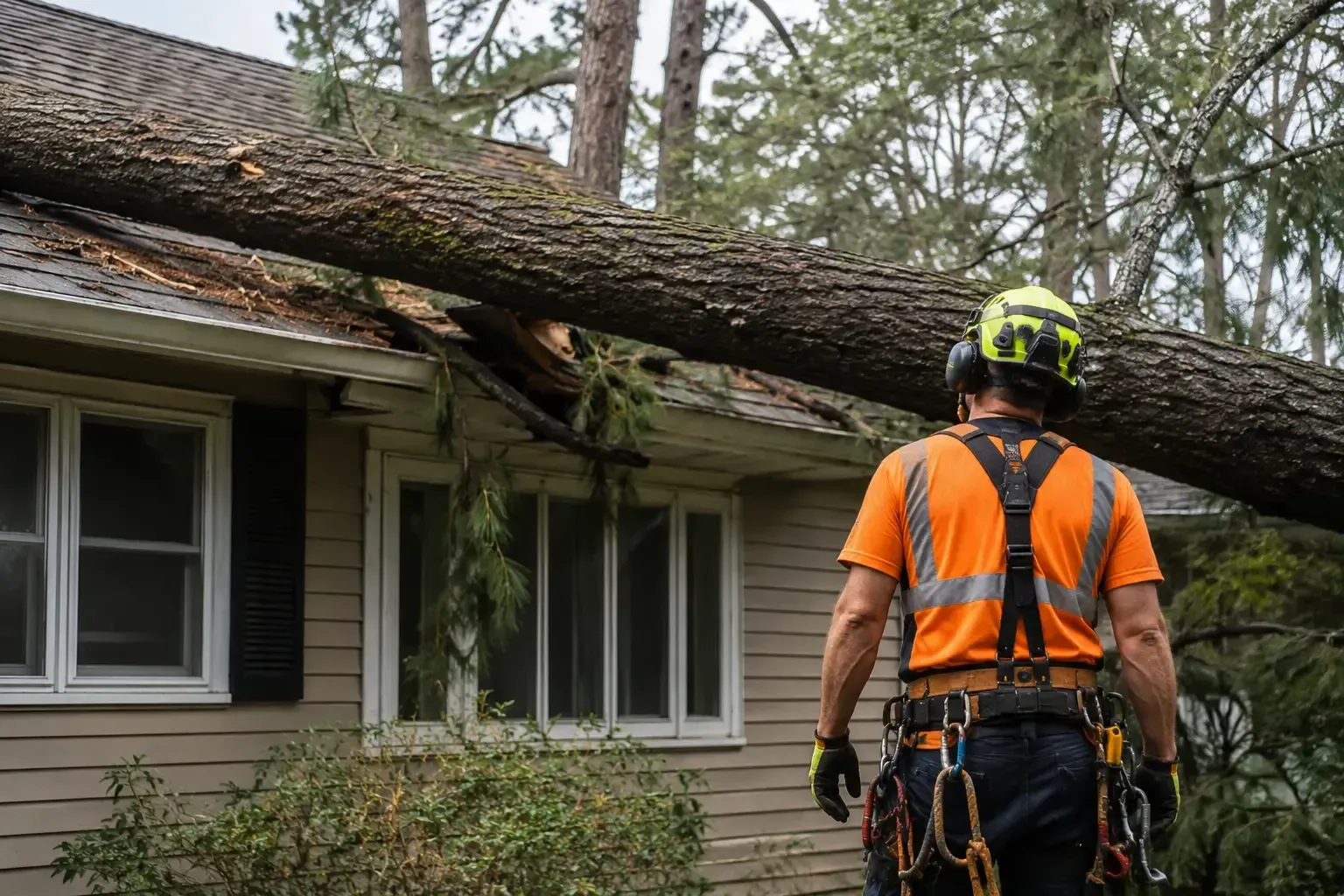
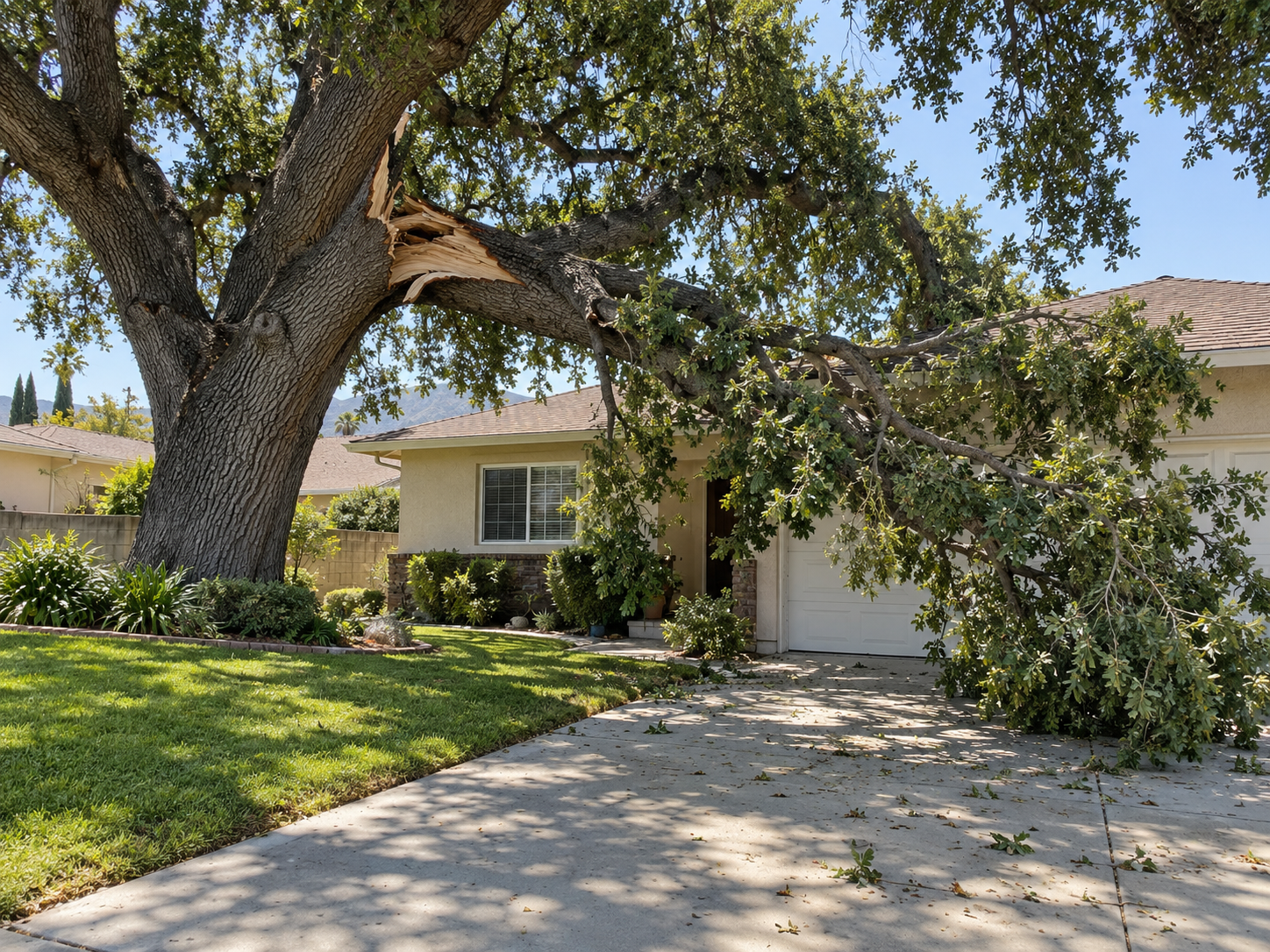
A loud crash during a storm changes everything instantly. A heavy tree branch resting on your roof is a terrifying scenario. The safety of your family comes first. Property damage is a close second. Acting quickly makes a massive difference in your recovery. You need a clear plan right now. Panic only makes the situation worse. Knowing exactly what to do saves time, money, and severe structural damage.
Immediate Steps to Take After Impact
If a tree strikes your home, safety is the absolute priority. Do not investigate the damage from the inside if the structure looks compromised. The roof could collapse further without any warning. You must treat the entire building as unsafe.
- Evacuate the house immediately. Gather your family and pets quickly. Move to a safe location outside away from the structure.
- Check for downed power lines. Heavy branches often pull electrical wires down with them. Never approach a fallen wire. Call your local utility provider right away.
- Turn off the main utilities. Shut off your gas and water if it is safe to do so. Broken pipes or gas leaks pose extreme fire hazards.
- Call emergency services. If anyone is injured or if power lines are sparking, dial 911. Let trained responders secure the immediate area.
How a Professional Emergency Tree Service Minimizes Roof Damage
Removing a massive tree from a residential roof requires specialized skill. You cannot just cut branches and hope for the best. The remaining trunk might shift suddenly. This sudden movement can crush the remaining roof structure. A qualified emergency tree service understands the physics of heavy timber.
Professionals use heavy equipment to lift the weight safely. Cranes hold the massive trunk steady while crews cut it into smaller, manageable sections. This vertical lifting method prevents additional weight from pressing down on your fragile roof. It keeps your house from sustaining further impact.
Rapid Tarping and Weather Protection
Once the tree is gone, your home remains exposed. A gaping hole in your roof invites severe water damage. Rain destroys drywall, insulation, and hardwood floors very quickly. Professional crews often provide emergency tarping services immediately after clearing the heavy debris.
They secure heavy plastic tarps over the damaged sections. This barrier keeps the elements out while you arrange for permanent repairs. Prompt tarping stops secondary damage. It also proves to your insurance company that you took prompt action to mitigate further loss.
Assessing Removal Options and Risks
Homeowners often underestimate the danger of large trees. Trying to save money by doing the work yourself often leads to disastrous results.
| Removal Approach | Equipment Used | Safety Risk Level | Property Damage Liability |
|---|---|---|---|
| DIY Homeowner | Ladder, Hand Saw | Extreme | Full Personal Liability |
| General Handyman | Basic Chainsaw, Ropes | High | High Personal Liability |
| Standard Landscaper | Pickup Truck, Chainsaw | Moderate | Possible Insurance Gaps |
| Professional Arborist | Crane, Bucket Truck | Low | Fully Bonded and Insured |
The Hidden Dangers of Structural Instability
Trees weigh thousands of pounds. When that weight crashes onto a house, the structural framework suffers immense stress. Roof trusses break under the load. Load bearing walls crack down the middle. The entire house shifts under the sudden impact.
Amateur removal methods ignore these hidden forces. If someone cuts the wrong branch, the entire tree can roll. A rolling trunk will tear off shingles, smash gutters, and snap rafters.
Trained arborists assess the load distribution before making a single cut. They calculate exactly how the wood will react when tension is released. This careful planning protects your property from completely avoidable secondary destruction.
Common Causes of Tree Failure in Southern California
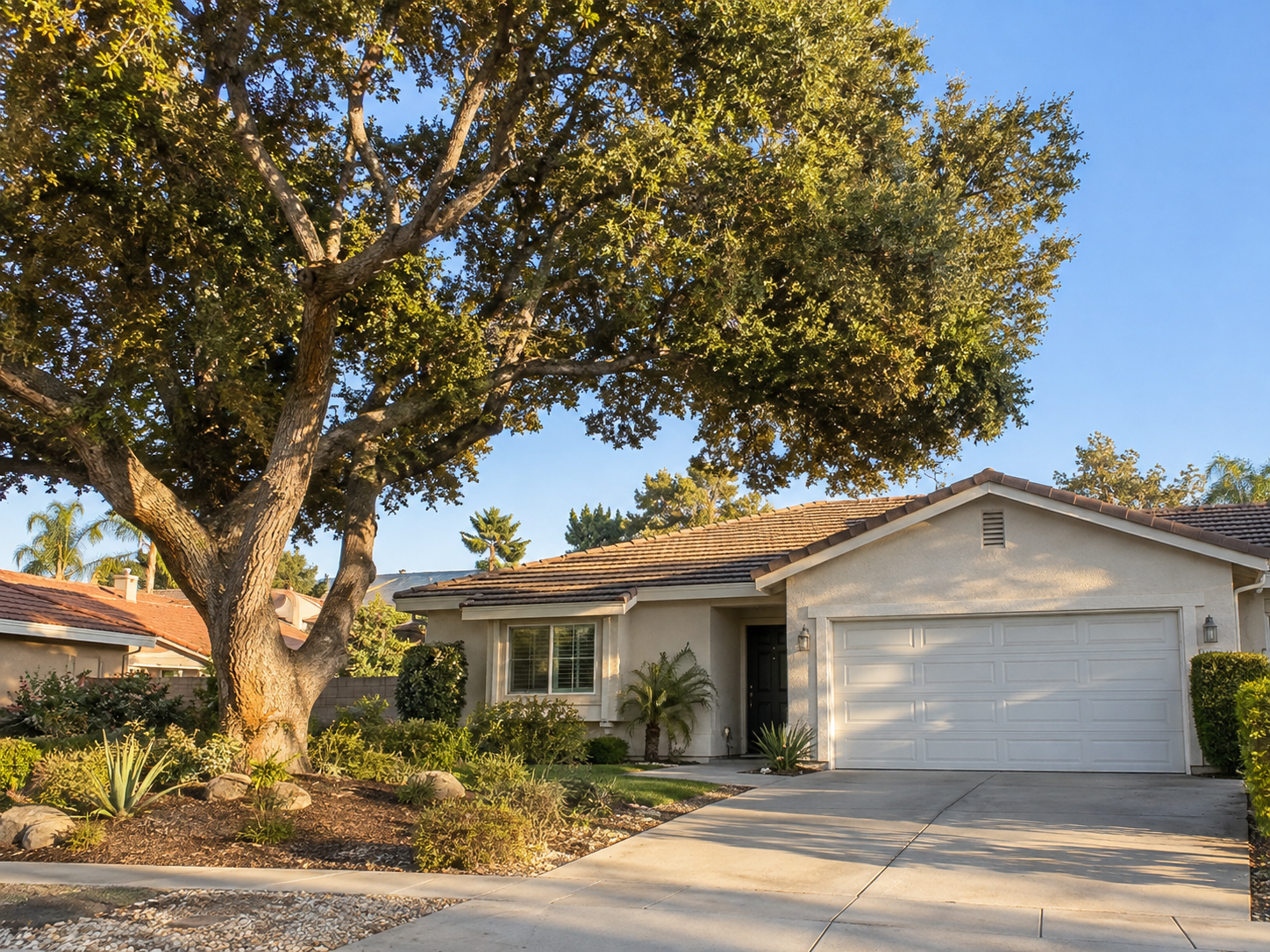
West Covina experiences a very unique climate. Long periods of drought severely weaken root systems. Sudden heavy rainfall then saturates the topsoil. This combination creates a perfect storm for tree failure. The loose, wet soil cannot anchor the massive weight of a mature oak or eucalyptus tree. High winds easily push these top heavy giants over onto nearby houses.
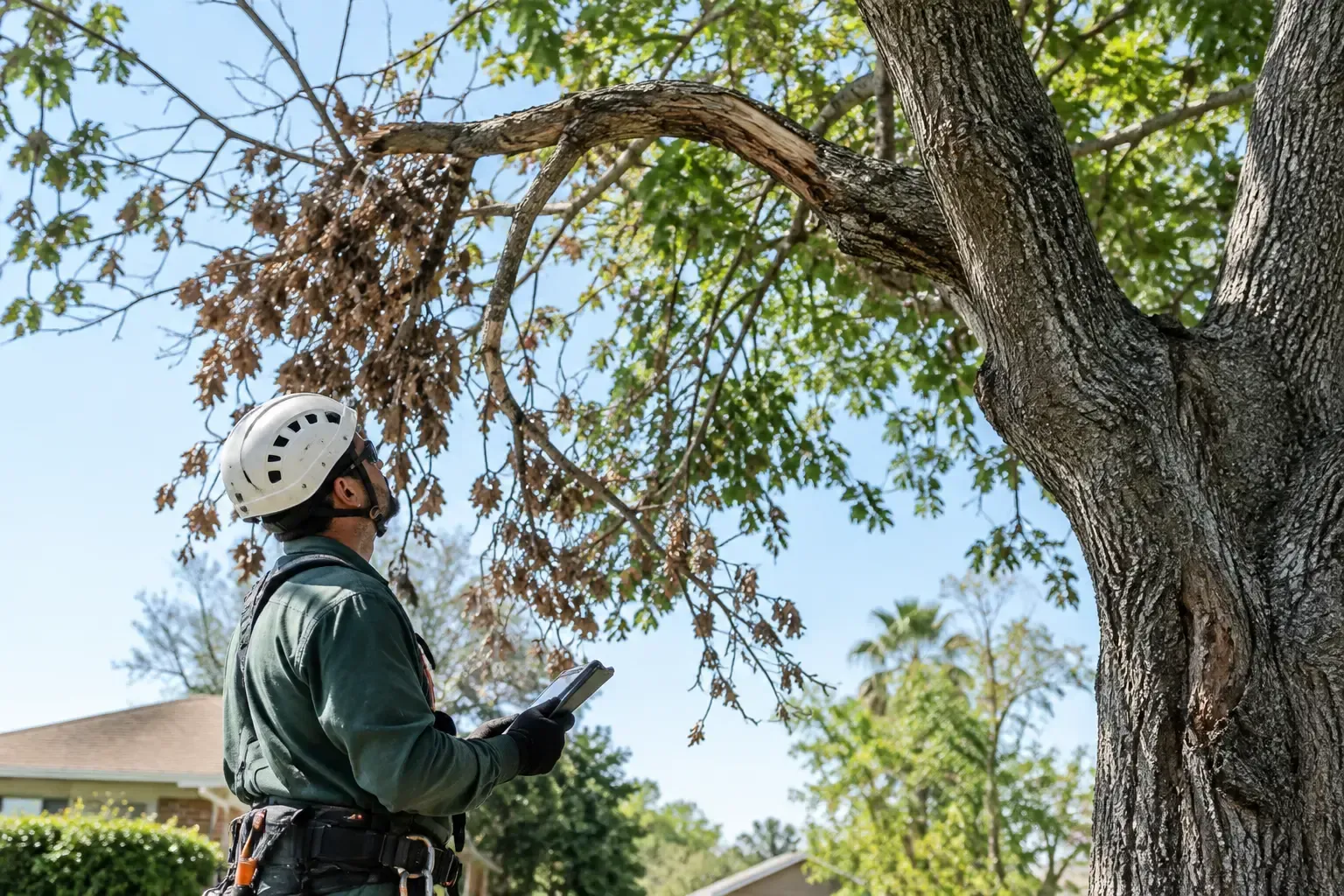
Disease and pest infestations also play a major role. Bark beetles and fungal infections destroy the structural integrity of the trunk. A tree might look perfectly healthy on the outside but remain completely hollow inside. Homeowners often miss these silent warning signs. Routine inspections catch these hidden dangers early.
Understanding the Anatomy of a Fallen Tree
When a tree lands on a house, it rests under extreme mechanical tension. The branches act exactly like compressed springs. If an untrained person cuts the wrong branch, that tension releases violently. The saw can kick back. The remaining branches can whip forward and cause severe injury.
Professionals study the compression and tension sides of the fallen wood. They make specialized relief cuts to release the pressure slowly and safely. This methodical approach requires years of dedicated training. It is a precise science. One wrong cut can cause a life threatening accident.
Navigating Homeowners Insurance Claims
Dealing with insurance adjusters is a stressful part of the recovery process. Proper documentation makes your claim much stronger. Before the removal crew arrives, take clear photos of the damage from a safe distance. Capture different angles of the fallen tree and the impacted roof area.
Most homeowners insurance policies cover tree removal if the tree damages a covered structure. However, they require solid proof of the event. A reputable tree care company will provide a detailed invoice and a written report of the incident.
This documentation validates your claim. It shows the insurance company exactly what equipment was necessary for safe extraction. Providing clear, professional records speeds up your reimbursement process considerably.
Avoiding Unnecessary Insurance Denials
Insurance policies often require you to mitigate further damage. This means you must take reasonable steps to protect the property after the initial event. Hiring an emergency response team fulfills this strict requirement.
If you leave the tree on the house for days, rain will ruin the interior. The insurance adjuster might deny coverage for that specific interior water damage. They will claim you failed to secure the property. Fast action protects your home and your wallet.
Why West Covina Residents Trust Local Experts
Southern California experiences intense weather changes. High winds and sudden storms often uproot mature trees. Homeowners in West Covina need a reliable partner when disaster strikes. Local companies understand the native tree species and local building codes perfectly.
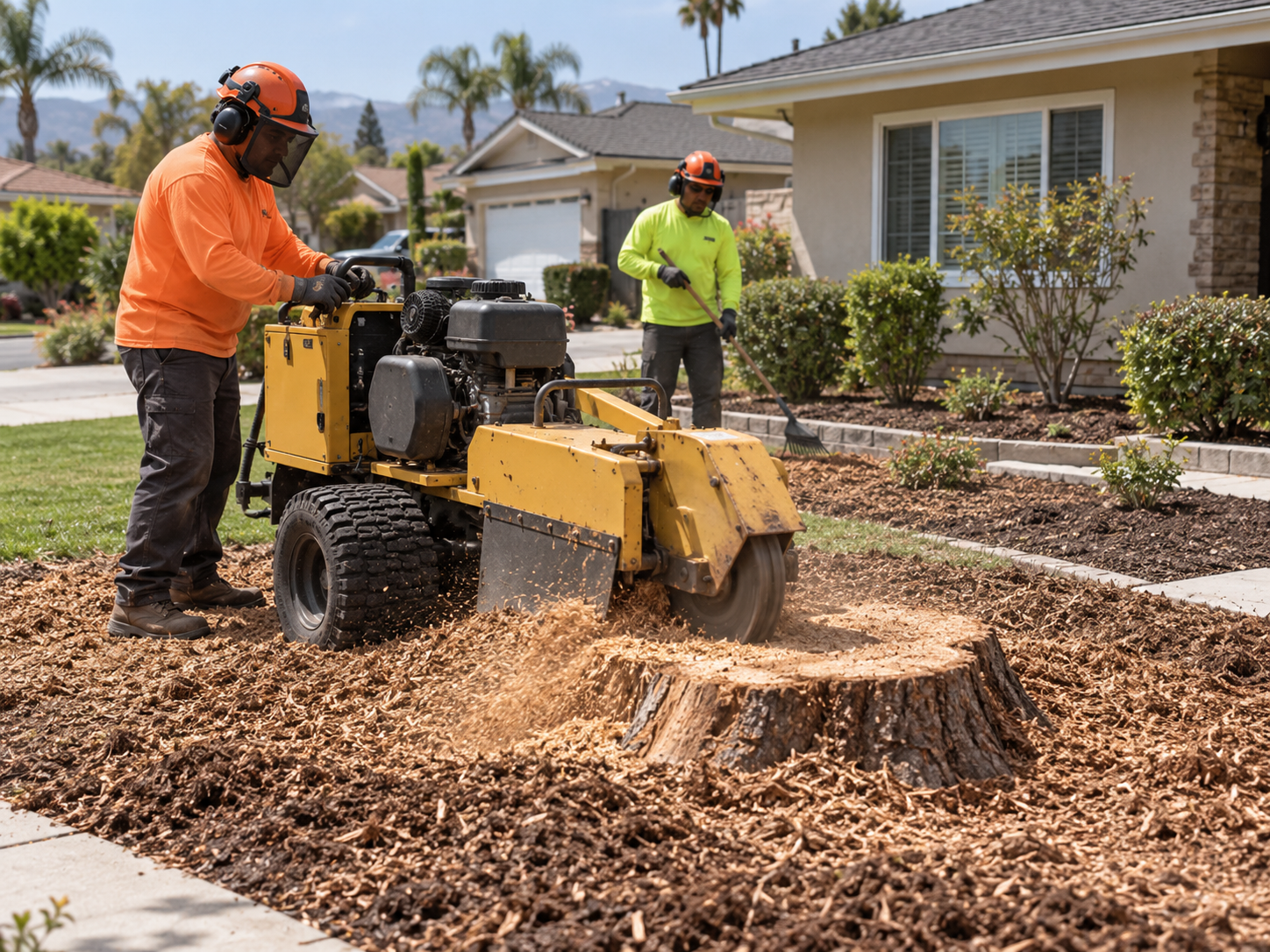
Tree Service West Covina is your dedicated local partner. We respond to urgent calls with specialized equipment and highly trained personnel. Our team knows how to navigate local neighborhoods safely. We park cranes and chippers without blocking narrow streets or damaging concrete driveways.
When you face a property crisis, you need neighbors you can rely on. Our headquarters is located right here at West Covina, CA 91790. This proximity means we can dispatch an emergency crew to your single family home or commercial property rapidly.
Long Term Tree Health and Hazard Prevention
The best way to handle a fallen tree is to prevent it from falling in the first place. Regular maintenance keeps your property completely safe. Overgrown branches near your roof are a major hazard. High winds will easily snap these weak limbs during a storm.
Proactive trimming removes dead or diseased wood. A certified arborist spots internal rot long before the tree collapses. Property managers and homeowners should schedule annual property inspections. Maintaining healthy landscaping increases your property value and enhances curb appeal.
Taking down a hazardous tree before a storm hits is significantly cheaper than emergency roof repairs. Do not wait for a heavy branch to test the strength of your rafters. Identify the risks early.
Reach Out for Immediate Assistance Today
Storm damage requires immediate professional attention. Never attempt to remove heavy timber from a compromised structure on your own. Protect your family and secure your financial investment. You can find detailed information on our background and capabilities by contacting our local experts.
Call us directly at +1 909 362-8885 for urgent dispatch. Our team will assess the situation, secure the site, and safely extract the hazard. Tree Service West Covina delivers total peace of mind when you need it most.
Frequently Asked Questions
Does homeowners insurance cover emergency tree removal?
Yes, most standard policies cover the cost of removal if the tree lands on a covered structure like your house or garage. You will usually need to pay your deductible first.
How quickly can an emergency tree crew arrive?
Response times vary based on the severity of the storm and local demand. However, local companies prioritize emergency roof strikes and can often dispatch a crew within hours.
Can I cut the branches off my roof myself?
You should never attempt this. Climbing onto a damaged roof with a chainsaw is extremely dangerous. The structure may collapse, or the tree could roll and cause fatal injuries.