Is It Cheaper to Trim a Tree or Remove It? Tree Services Near West Covina Explain
Key Takeaways and Insights
Deciding whether to trim or remove a tree depends heavily on its health, location, and potential risk to your property. Trimming is generally more affordable and protects your landscape's value, while removal is a necessary, albeit higher, investment for dead or dangerous trees. Consulting local arborists ensures you make the most cost-effective and legally compliant choice for your West Covina home.
*Trimming is Cost-Effective: Routine pruning extends tree life and is significantly cheaper than full extraction.
*Removal Prevents Damage: Dead or diseased trunks are serious liabilities that require professional dismantling to protect your home.
* Hidden Costs Matter:Always factor in stump grinding, hauling fees, and local permit requirements when planning your budget.
Homeowners often ask a very common question about yard maintenance. Is it cheaper to trim a tree or remove it entirely? The short answer is simple. Trimming almost always costs significantly less upfront than full removal. However, the long-term financial reality is far more complex.
You must consider the health of the plant. You must also factor in property safety. Sometimes, a cheap trim leads to expensive property damage later. Other times, cutting down a healthy tree wastes your money and lowers your property value. Living in Southern California means dealing with specific weather patterns. High winds and dry seasons require proactive property care.
Understanding the financial differences between these two options is vital. It helps you protect your landscape and your wallet. This guide breaks down the true costs associated with yard maintenance.
Comparing the Core Costs of Tree Services in West Covina
The first step in making an informed decision is looking at base pricing. Tree maintenance relies heavily on labor and equipment. Therefore, pricing varies based on the scope of the project.
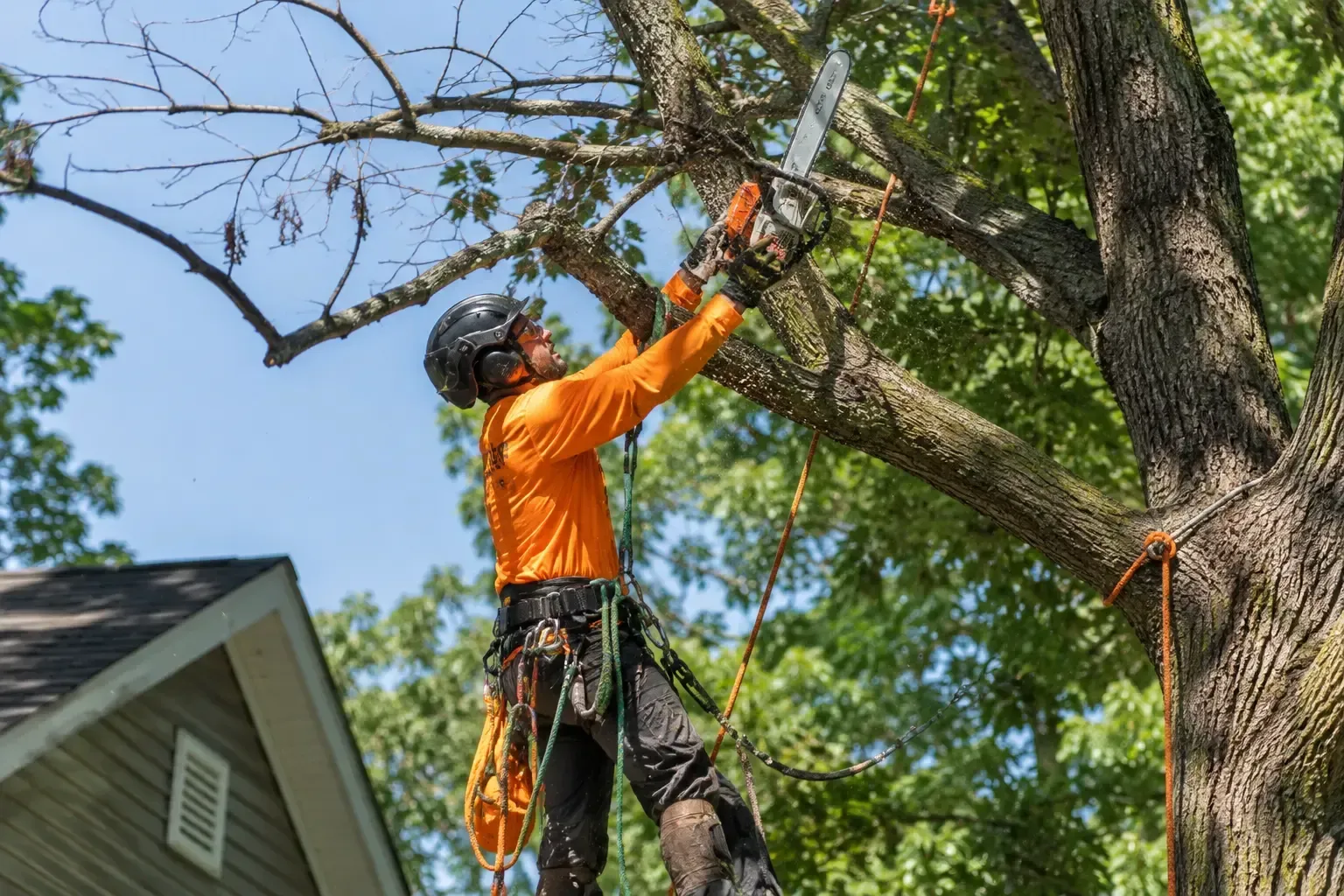
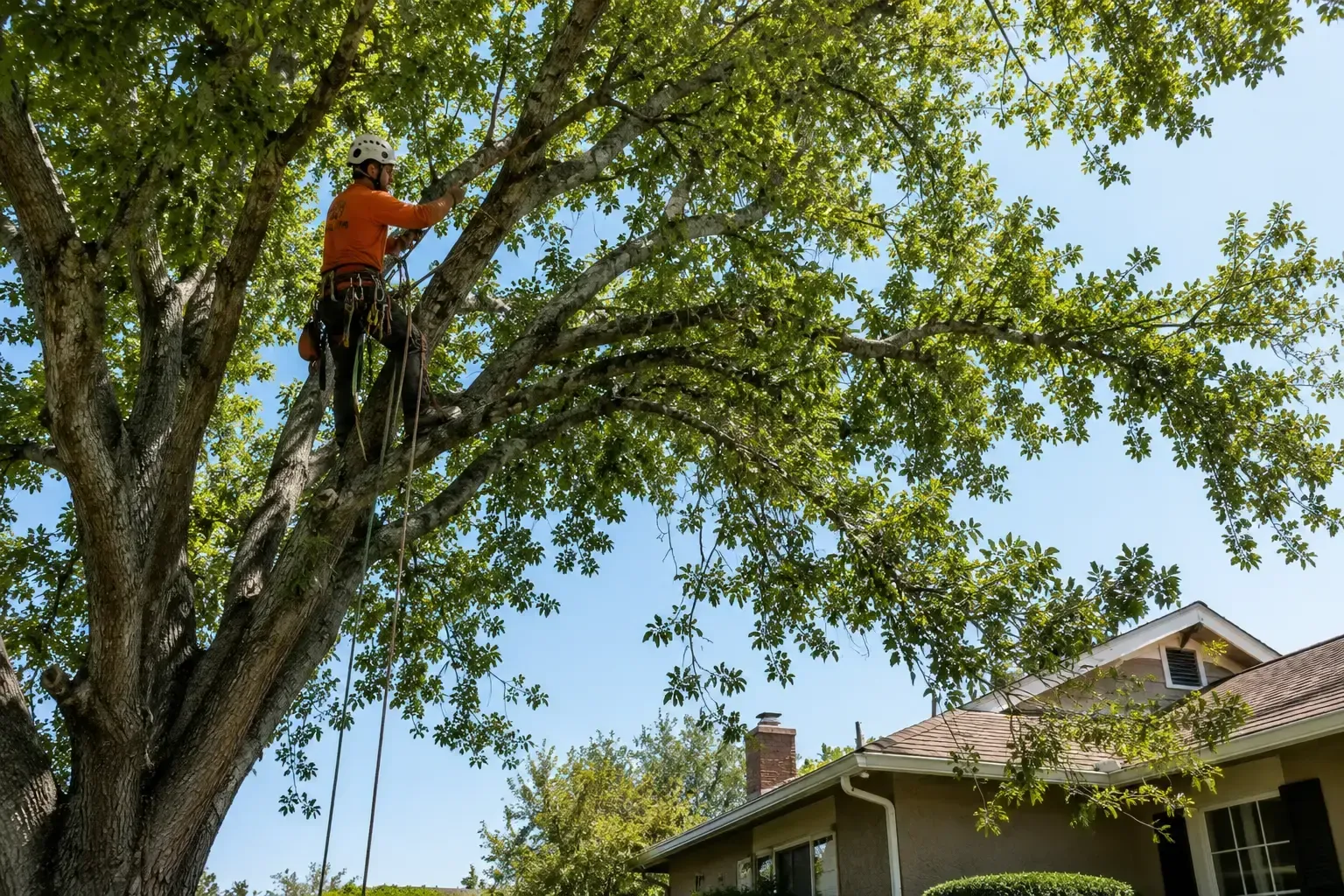
Trimming is a routine maintenance task. Professionals use specialized tools to remove overgrown branches. This process takes less time than taking down a massive trunk. It also requires less heavy machinery. Because the plant stays rooted, disposal fees remain lower. Trimming a medium-sized canopy might take a crew just a few hours.
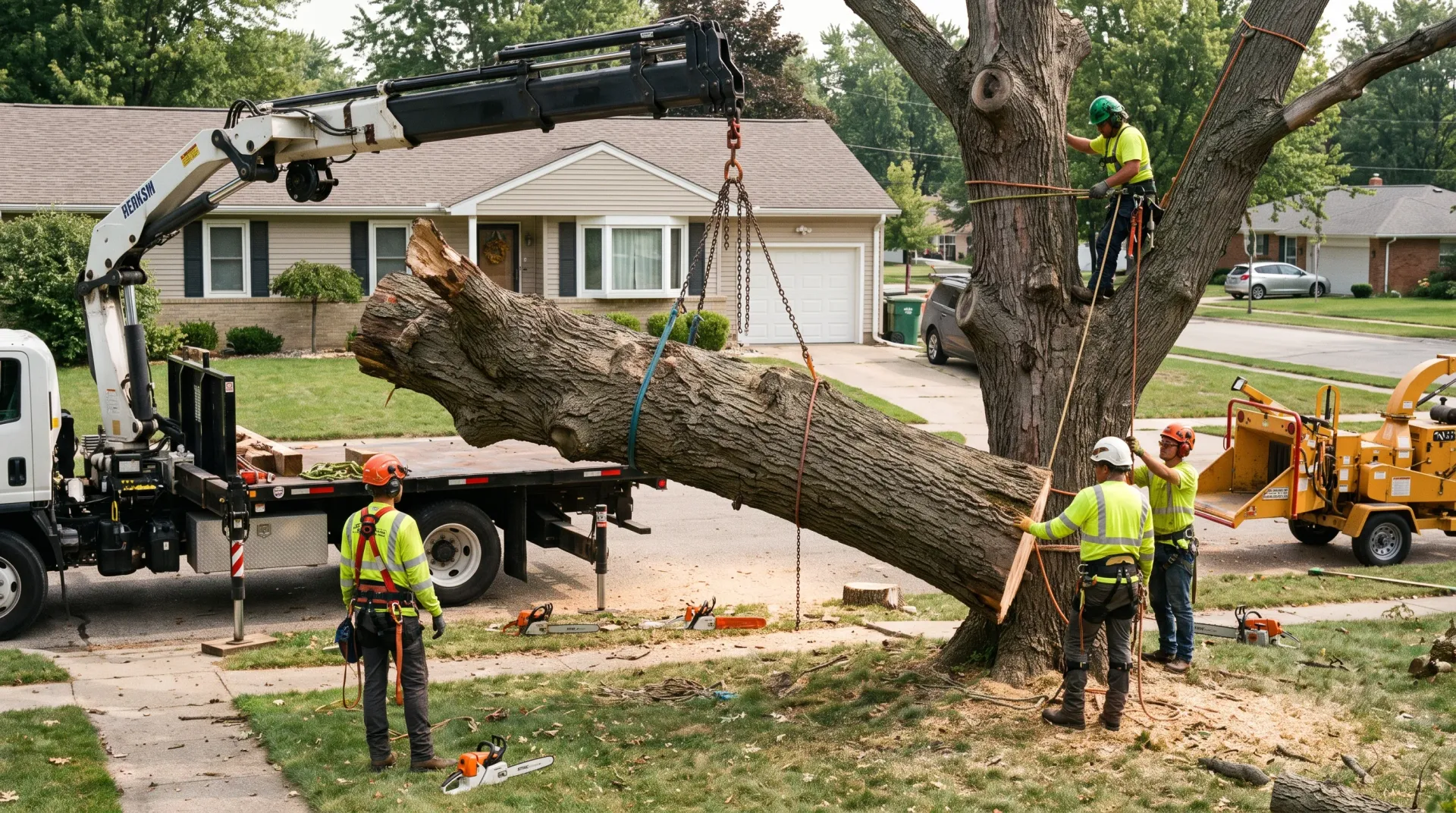
Removal is a highly involved process. Taking down a massive plant requires strategic planning. Workers must dismantle the canopy piece by piece. They must safely lower heavy wood to the ground. This protects your home, your fences, and your driveway. The labor hours increase significantly. The volume of green waste also skyrockets. This causes disposal fees to rise.
You must also account for size and species. A massive palm requires different equipment than a spreading oak. Difficult access to your backyard can also drive up prices.
| Tree Care Option | Average Initial Cost | Long-Term Financial Impact | Property Value Effect | Ideal Use Case |
|---|---|---|---|---|
| Routine Trimming | Low to Medium | Reduces future risk and costs | Positive enhancement | Overgrown but healthy trees |
| Complete Removal | High | Eliminates future maintenance | Neutral to Negative | Dead, diseased, or dangerous trees |
| Stump Grinding | Medium | Prevents pest infestations | Positive enhancement | After any tree removal |
| Emergency Clearing | Very High | Prevents severe property damage | Protects existing value | Storm damage or fallen trees |
When Trimming Makes the Most Financial Sense
Regular maintenance is an investment in your property. Keeping a tree healthy offers great financial returns. Healthy foliage increases curb appeal. It provides shade that lowers your summer cooling bills. These benefits far outweigh the price of seasonal pruning.
You should opt for pruning if the core structure remains solid. Dead branches do not always mean the entire plant is dying. Sometimes, a canopy simply needs better airflow. Thinning out the branches prevents wind damage. It allows sunlight to reach your lawn.
Consistent care also stops minor issues from becoming major hazards. Branches scraping against your roof will destroy your shingles. Regular cutting prevents this expensive damage. It keeps branches safely away from power lines. You can schedule routine tree trimming to maintain shape and safety. This ongoing care is much cheaper than replacing a damaged roof.
There are specific signs that pruning is your best choice. Look for excessive growth that blocks walkways. Watch for branches growing too close to windows. If the trunk is strong and the roots are secure, keep the tree. A targeted trim will solve most aesthetic and minor safety issues.
When Removal Becomes the Better Investment
Sometimes, trying to save a failing plant wastes money. Trimming a dying trunk is a temporary fix. You will eventually have to pay for removal anyway. Recognizing when to cut your losses is crucial.
Dead trees are serious liabilities. They drop massive branches without warning. They attract destructive pests like termites. These pests can easily migrate into your house. A dead trunk will eventually collapse. If it falls on a neighbor's house, you face massive legal and insurance costs.
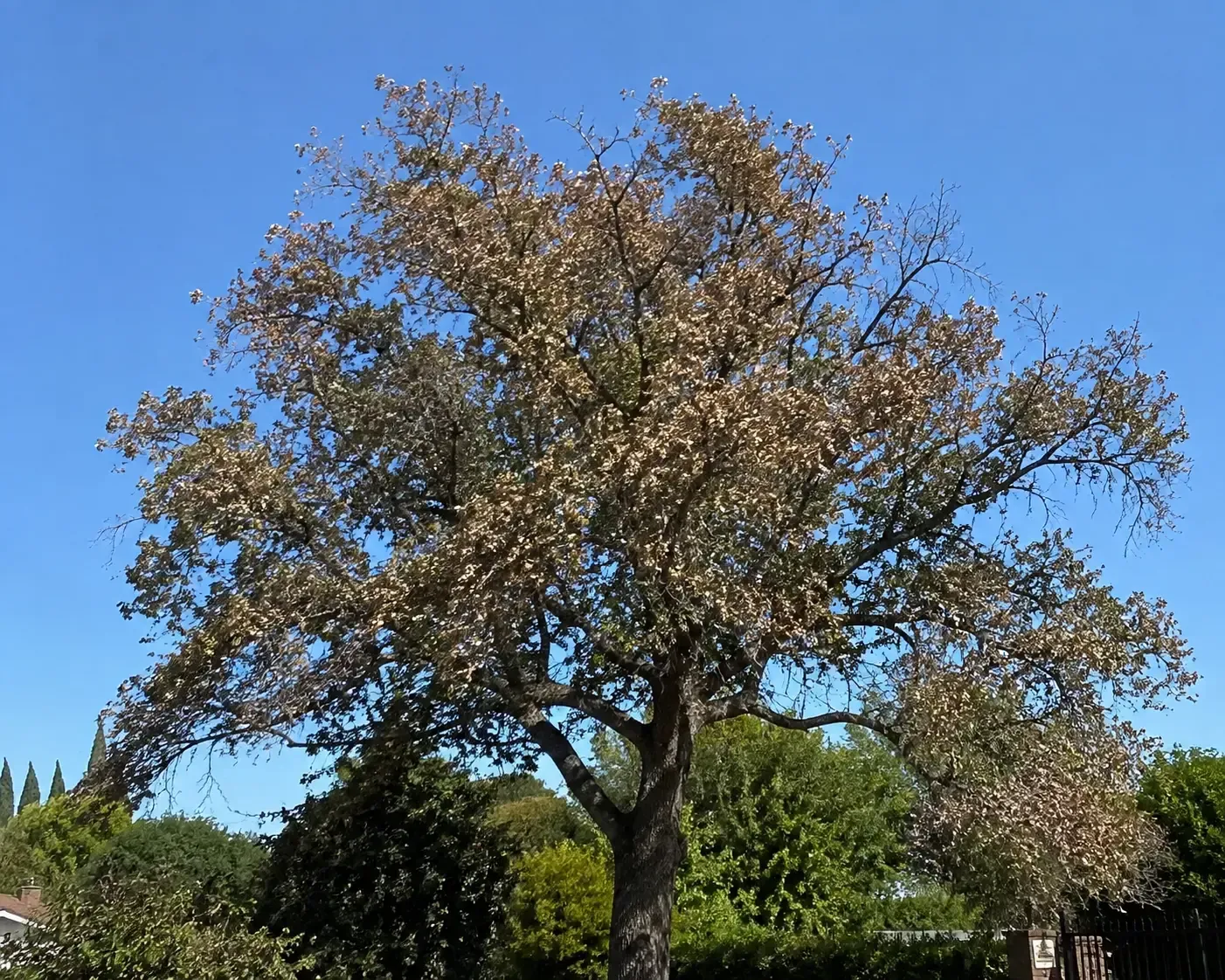
Diseased trees present a similar financial trap. Fungal infections can rot the wood from the inside. A plant might look fine on the outside while the core is hollow. Root rot makes the entire structure unstable. High winds in California can easily blow over a tree with weak roots.
You must also consider structural failure. A trunk with a severe lean is dangerous. Deep vertical cracks indicate imminent splitting. In these hazardous situations, you need professional tree removal to eliminate the threat completely. Paying for removal upfront prevents catastrophic damage later.
Hidden Expenses Influencing Your Final Bill
Initial quotes do not always tell the whole story. You must ask about the hidden factors that affect pricing.
Stump removal is rarely included in a base quote. Cutting the trunk down leaves an ugly stump in your yard. Leaving it there creates a tripping hazard. It also attracts insects. Grinding the stump down requires specialized equipment. This adds an extra fee to your total bill.
Permits are another hidden cost. West Covina has specific municipal codes. You cannot always cut down mature trees without permission. Certain heritage species are protected. You might need to pay for a city permit. Failing to secure a permit can result in heavy fines.
Debris hauling is a major factor. The wood has to go somewhere. Some companies leave the logs on your lawn. You then have to pay a separate service to haul them away. Always ensure your quote includes total cleanup and disposal.
Location accessibility dictates labor costs. A trunk sitting near a street is easy to reach. A massive canopy leaning over a backyard pool is incredibly difficult to access. Crews must bring in cranes or climb manually. Complex rigging adds hours to the job. More hours directly equal higher costs.
Dealing with High-Risk and Urgent Situations
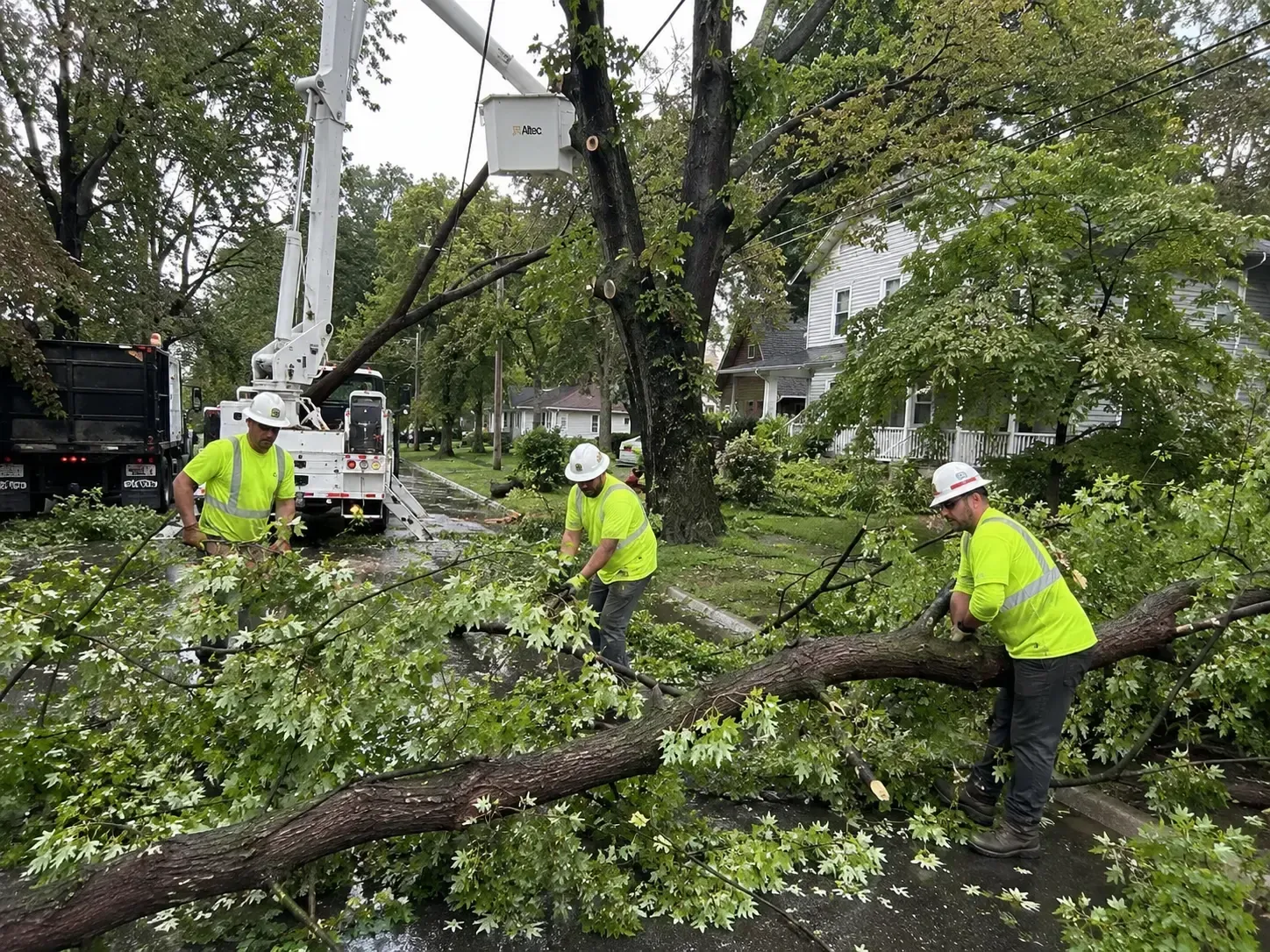
Storms change the pricing equation entirely. Severe weather does not wait for normal business hours. Windstorms can snap branches onto cars. Heavy rains can loosen soil and uproot large trunks.
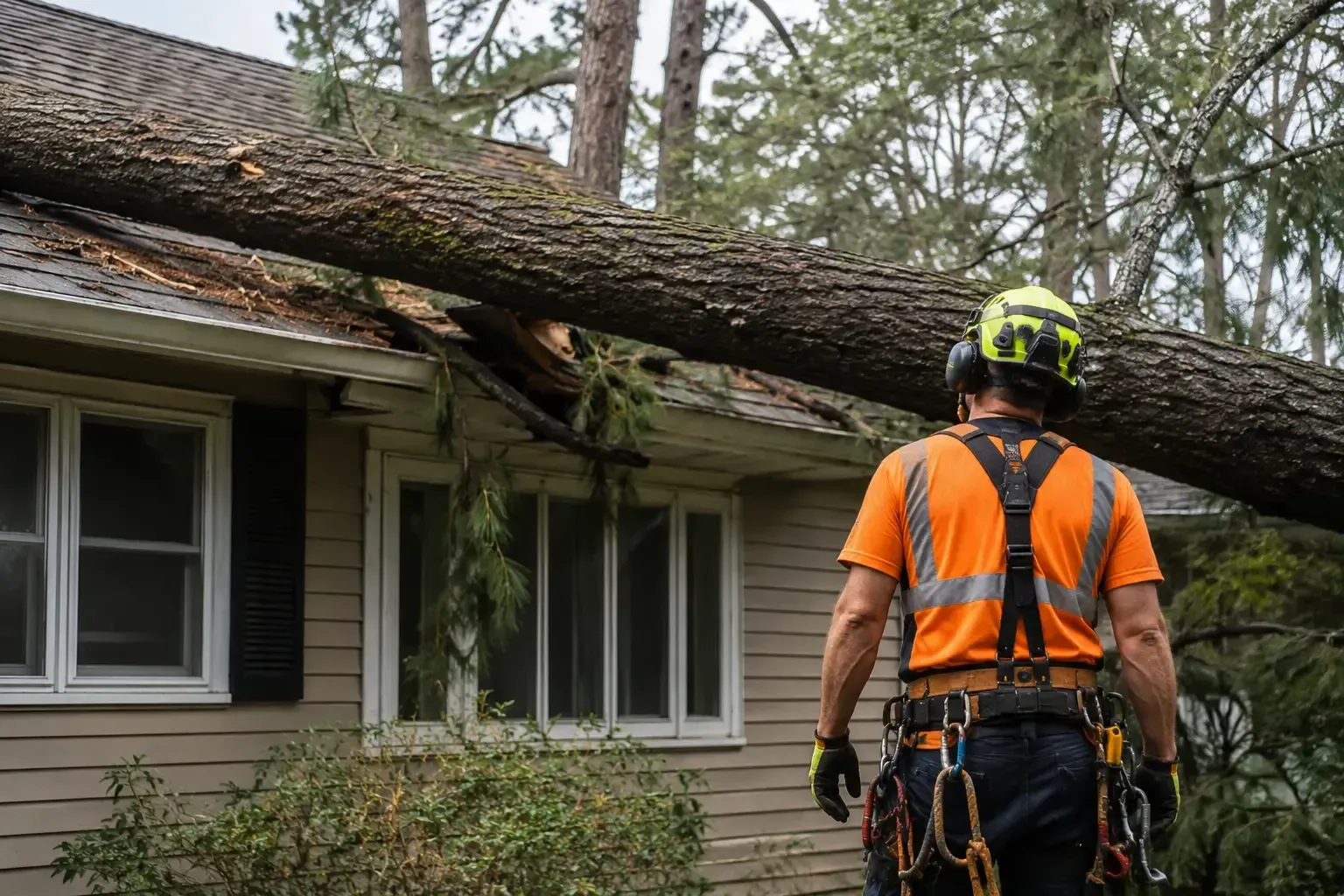
When a trunk falls on your house, cost is no longer the main priority. Speed and safety take over. Urgent interventions cost more than scheduled maintenance. Crews must drop everything to secure your property. They often work in dangerous weather conditions. They must use extreme caution around downed power lines.
If you face an immediate hazard, you need emergency tree removal immediately. Delaying action can cause water damage to your roof. It exposes your family to danger. While urgent services carry a premium price, they save your home from total ruin. Your homeowner's insurance policy often covers these urgent removal costs.
Making the Right Choice for Your Property
Deciding between maintaining and cutting down foliage requires expert advice. Guessing can lead to costly mistakes. You should never attempt heavy cutting yourself. Chainsaws and gravity are a deadly combination for untrained homeowners.
Evaluate your yard carefully. Factor in the long-term benefits of shade and beauty. Weigh them against the risks of falling wood and property damage. If the plant is healthy, invest in its future. If it poses a threat, invest in its safe dismantling.
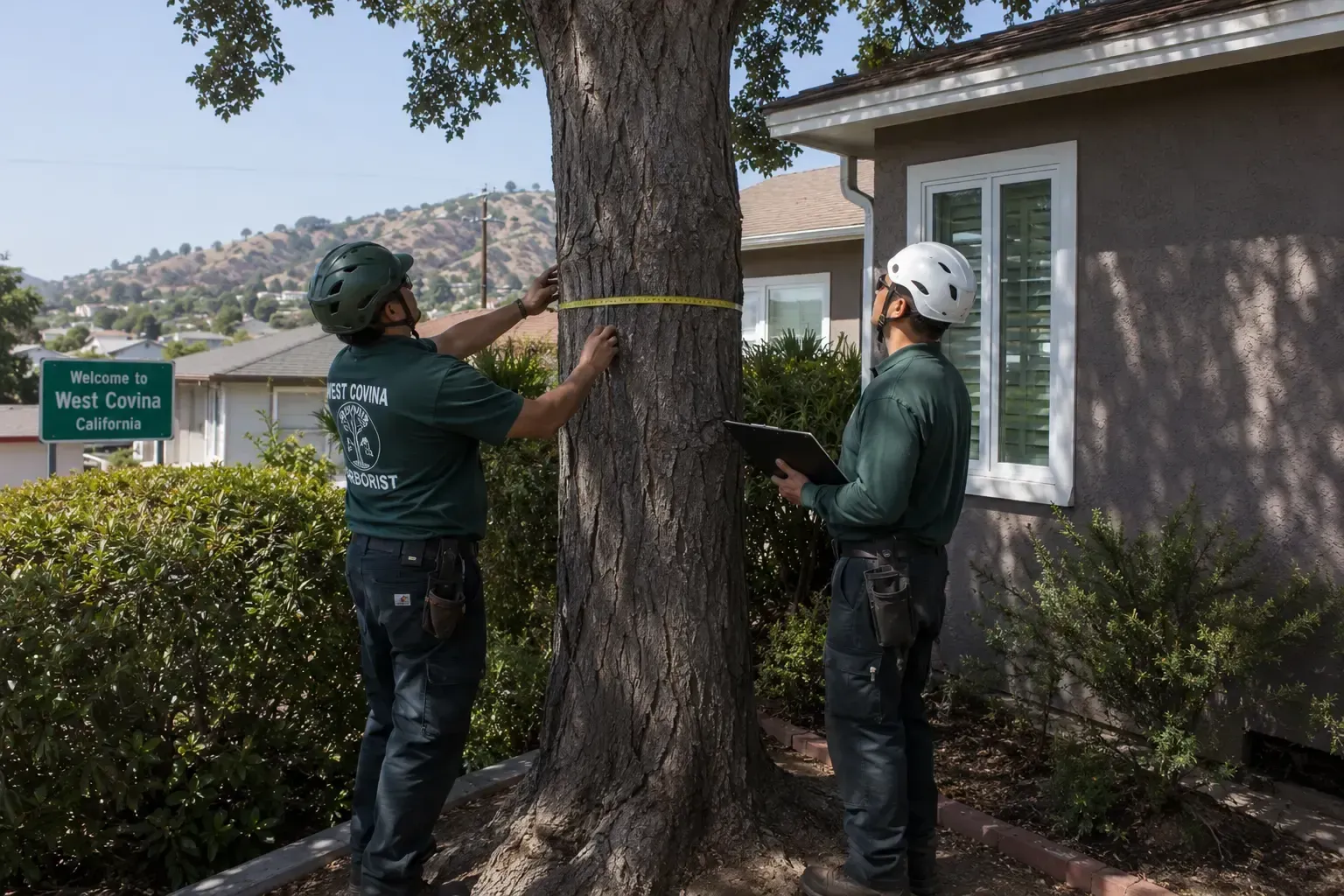
Consulting with local experts guarantees you make the smartest financial decision. Professionals assess root health, trunk stability, and disease progression. They provide honest feedback on what your landscape truly needs.
If you are unsure about the safety of your yard, reach out to the certified arborists at West Covina Tree. Our team understands the specific environmental challenges in California. We provide clear assessments to help you protect your investment. Let our experts handle the heavy lifting while you enjoy a beautiful, safe property.
Frequently Asked Questions
Do I need a permit to remove a tree in West Covina?
Yes, you often need a permit. The city of West Covina has ordinances protecting certain mature and heritage species. It is always best to check local municipal codes or consult with your arborist before cutting down large trunks to avoid heavy fines.
How often should mature trees be trimmed?
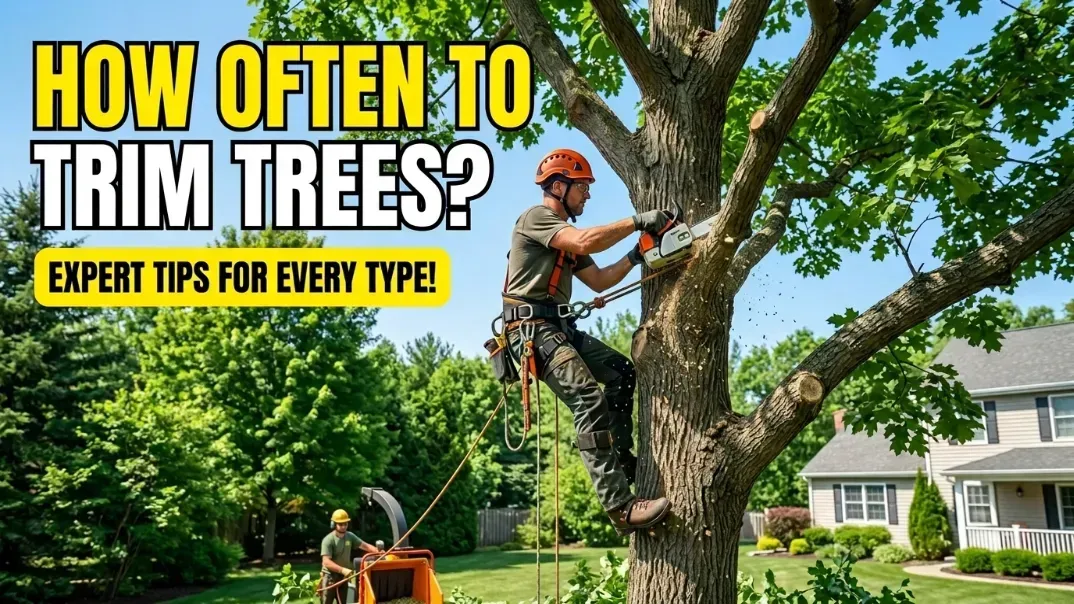
Most mature trees require trimming every three to five years. Fast-growing species might need attention more frequently. Regular pruning removes deadwood, improves air circulation, and prevents branches from threatening your roof or local power lines.
Can trimming a dying tree save it from removal?
Trimming cannot cure a dying or severely diseased tree. While pruning can remove dead branches to temporarily reduce hazards, internal decay or root rot requires complete removal. An arborist can determine if the plant is salvageable.