Can Tree Pruning Help Trees Live Longer? Here Is What You Need To Know
Key Takeaways and Insights
Proper tree pruning is a critical maintenance step that directly extends a tree's lifespan by conserving energy and preventing disease. Working with skilled professionals ensures your trees develop strong structural integrity to withstand high winds and harsh weather. Routine canopy care protects your property value and prevents costly damage from falling branches.
- Pruning removes dead wood, allowing the tree to redirect vital nutrients to healthy growth.
- Correct cutting techniques create clean wounds that heal quickly and keep out pests.
- Thinning the canopy reduces wind resistance, which is essential for surviving strong seasonal winds.
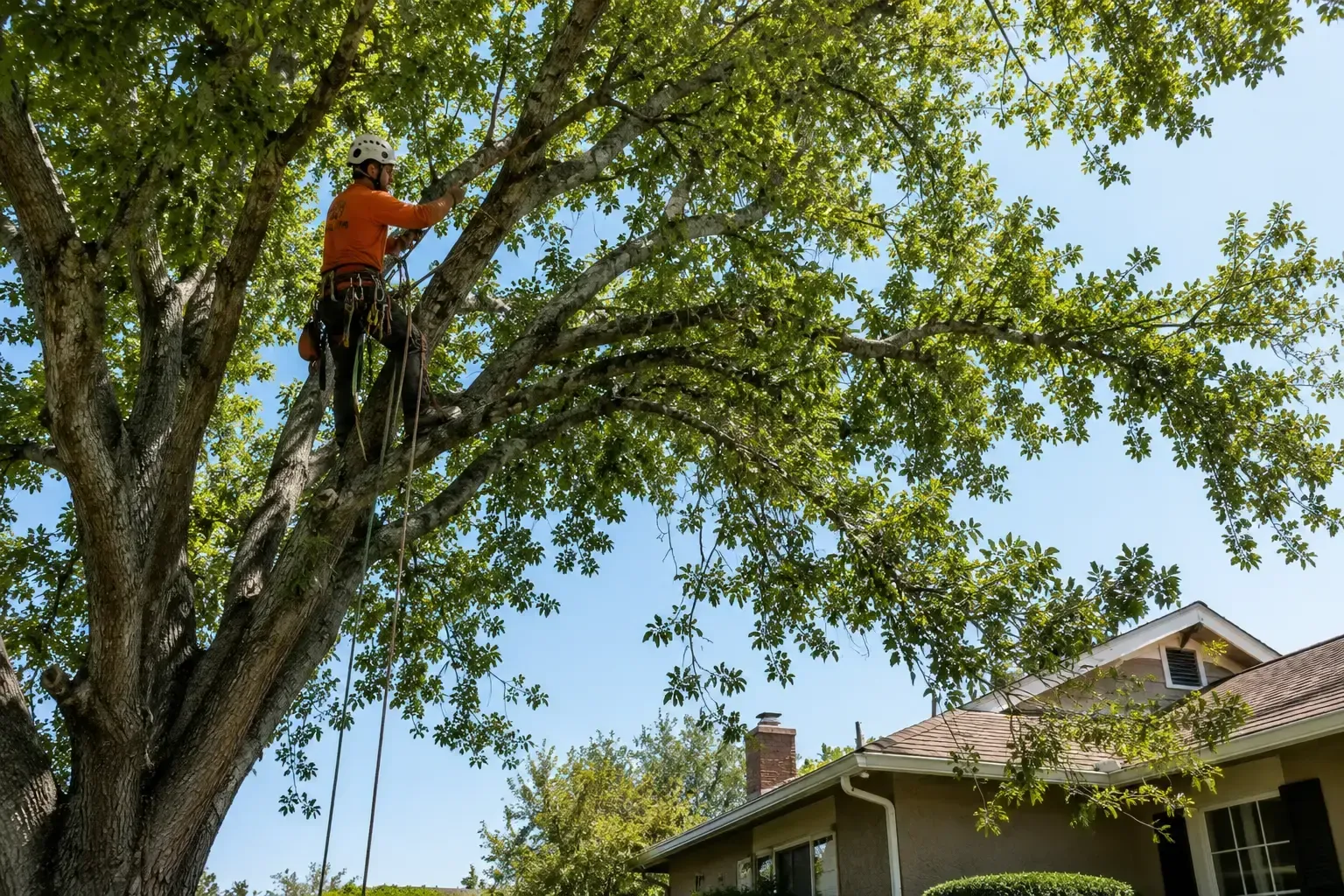
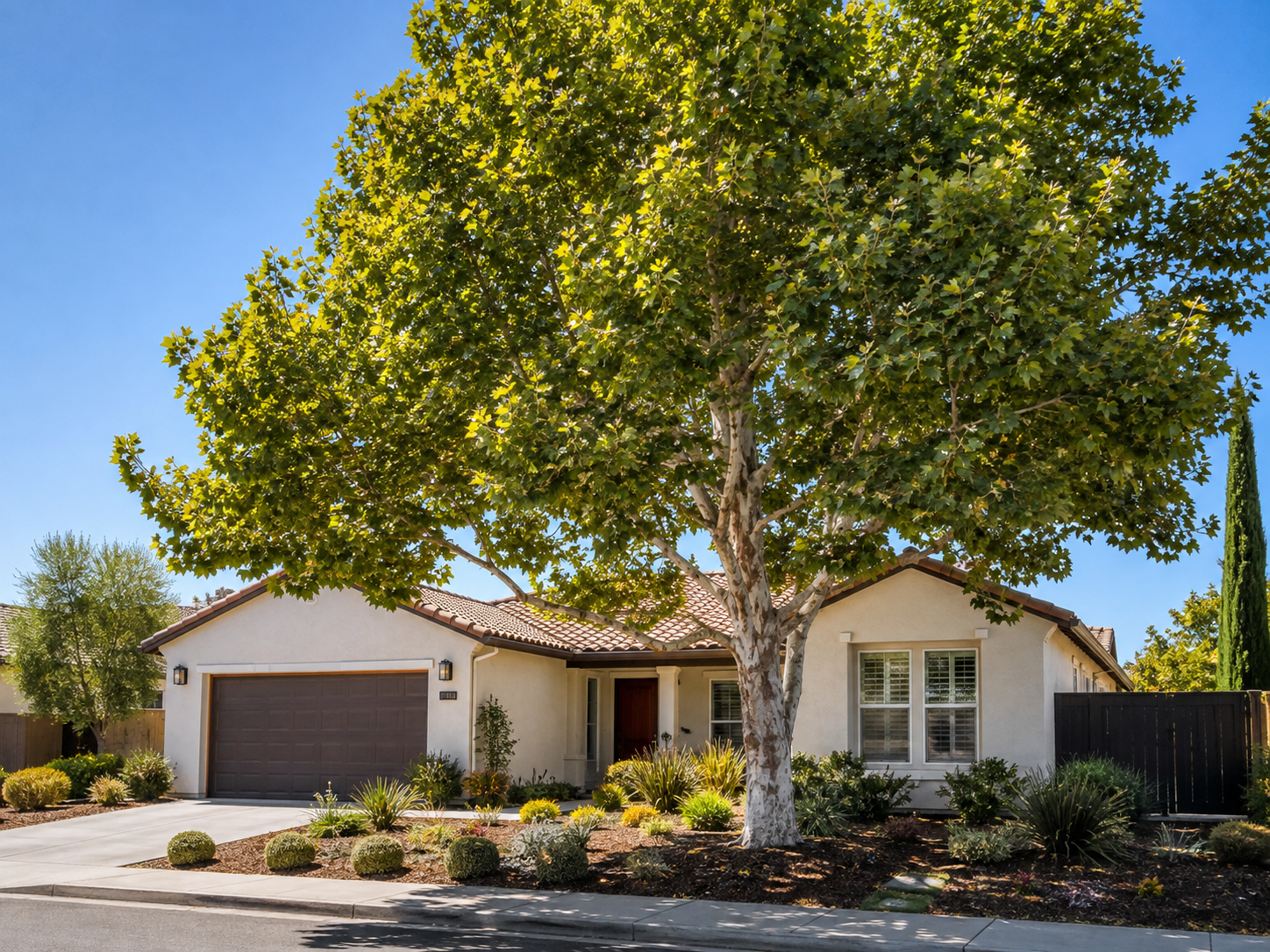
Mature trees add massive value to any residential or commercial property. They provide shade during hot California summers, improve air quality, and create beautiful curb appeal. However, trees are living organisms that require ongoing care to thrive. A common question among property owners is whether regular pruning actually extends the lifespan of a tree. The short answer is yes. Correct pruning practices directly impact tree health, structural safety, and longevity.
Understanding how pruning works requires a look at tree biology and environmental stress factors. When you manage a tree canopy correctly, you help the tree conserve energy and fight off disease. This guide breaks down exactly how proper maintenance keeps your trees standing tall for decades.
The Biological Impact of Correct Pruning
Trees do not heal the way humans do. When a branch breaks or gets cut, the tree seals the wound to protect itself. This process is called compartmentalization.
Energy Conservation and Allocation
Every leaf and branch on a tree requires energy to survive. A tree absorbs sunlight and water to feed its entire structure. When branches die or become diseased, the tree wastes valuable energy trying to support them. Removing these dead sections allows the tree to redirect its nutrients. The healthy branches grow stronger. The root system expands. By cutting away the useless weight, you give the tree a massive energy boost.
Disease Prevention and Wound Healing
Dead or jagged branches are open invitations for pests and diseases. Bark beetles, termites, and fungal infections thrive in decaying wood. Once an infection starts in a dead branch, it can easily spread to the healthy trunk. Clean pruning cuts are essential. A precise cut allows the tree to seal the wound quickly. This fast sealing process blocks insects and stops decay before it ruins the entire tree.
Expert Tree Services Ensure Long-Term Growth
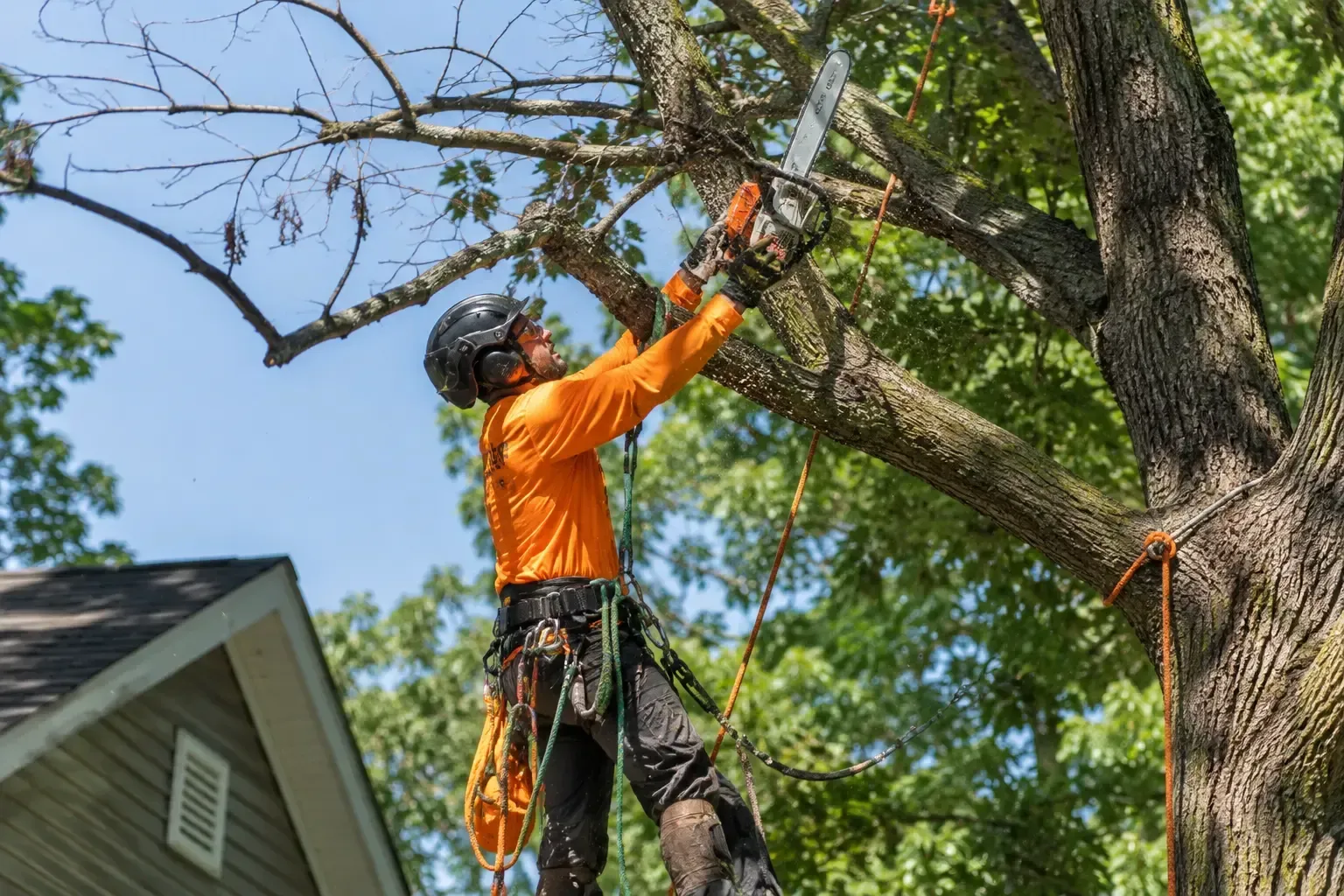
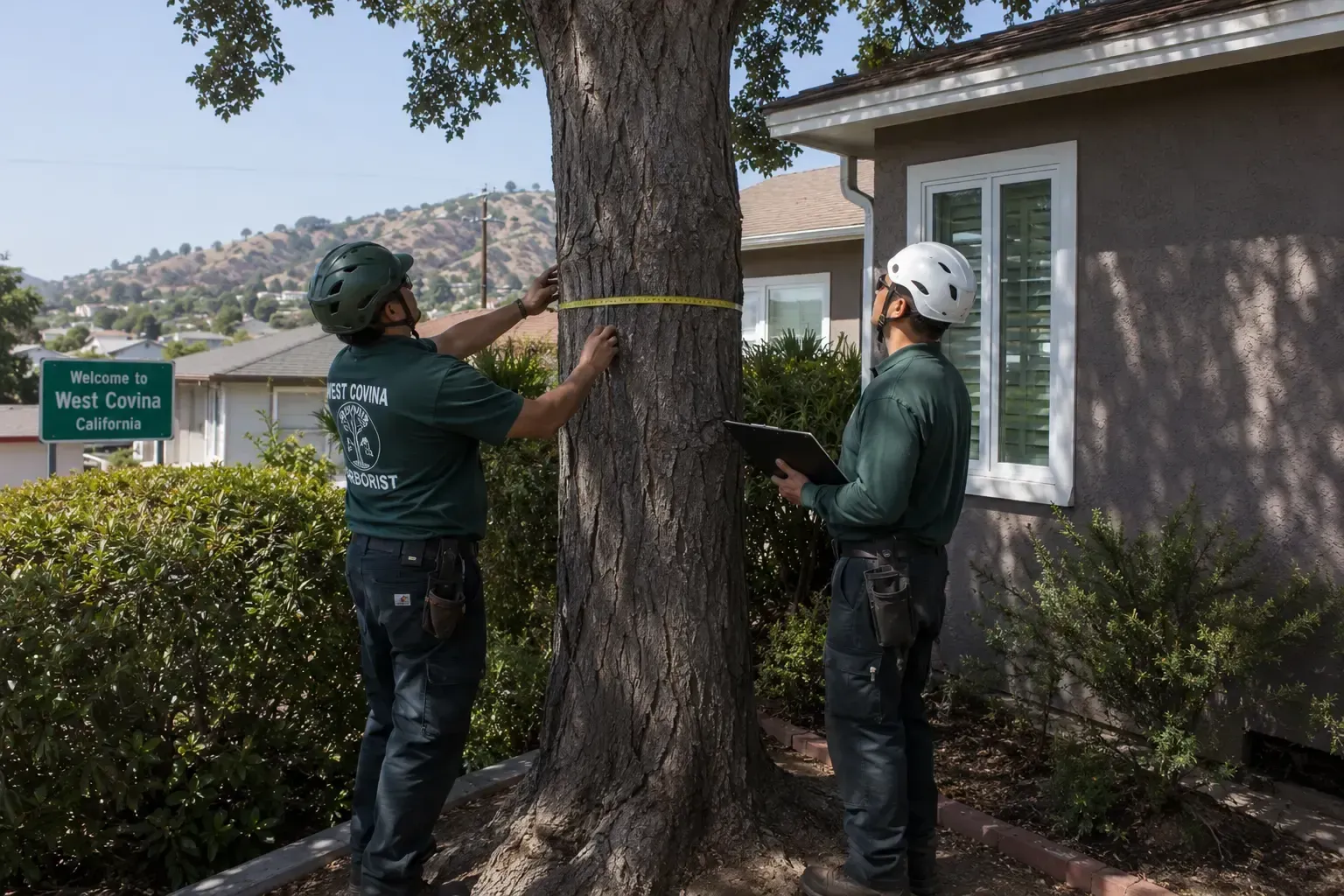
Routine maintenance is not just about making a tree look pretty. Professional Tree Services focus on the biological and structural needs of your landscape. Working with experienced professionals ensures that cuts are made at the right angle and the right time of year.
Structural Integrity Matters
Trees growing in urban environments face unique challenges. They compete for space, sunlight, and water. This often causes them to grow in strange, unbalanced shapes. A tree with too much weight on one side is a major hazard. Proper pruning corrects these structural imbalances. By selectively removing specific branches, professionals create a strong, central trunk. This strong architecture helps the tree withstand heavy winds and heavy rains without snapping.
Airflow and Sunlight Penetration
A dense, overgrown canopy creates a dark, damp environment inside the tree. This is the perfect breeding ground for mold and mildew. Dense canopies also act like a sail during high winds. The wind catches the thick leaves, putting immense pressure on the root system. Proper thinning techniques open up the canopy. Sunlight can reach the lower branches and the grass below. Wind passes through the leaves smoothly rather than pushing against the tree. This dramatically reduces the risk of the tree uprooting during a severe storm.
Common Pruning Methods for West Covina Properties
Different trees require different types of care. A one-size-fits-all approach to pruning will actually harm your landscape. Understanding the specific techniques used by professionals helps you make better decisions for your property.
| Pruning Technique | Primary Goal | Best Season | Target Tree Type |
|---|---|---|---|
| Crown Thinning | Improves airflow and light penetration | Late Winter or Early Spring | Hardwoods, Mature Oaks |
| Crown Raising | Clears space for pedestrians and vehicles | Year-round | Street Trees, Park Trees |
| Deadwooding | Removes hazardous dead or dying branches | Year-round | All Tree Species |
| Crown Reduction | Decreases total height and weight | Late Fall or Winter | Overgrown or Aging Trees |
Timing Your Tree Care in Southern California
The climate in West Covina plays a massive role in tree health. The hot, dry summers and occasional strong winds create specific maintenance schedules.
Preparing for High Winds
Southern California is famous for its Santa Ana winds. These intense wind events occur mostly in the fall and winter. If a tree canopy is too thick, these winds can snap massive branches or pull the tree out of the ground entirely. Getting your regular tree trimming done before the wind season begins is a vital safety measure. Thinning the canopy reduces wind resistance and keeps your property safe from falling debris.
Managing Hot Summer Months
Summer in West Covina brings intense heat and limited rainfall. Pruning during the peak of summer is generally discouraged unless it is for safety reasons. Cutting live branches removes leaves, which are the primary source of food production for the tree. It also exposes previously shaded bark to direct sunlight, causing sunscald. The safest time for structural pruning is during the cooler, dormant months. However, dead or hazardous branches should be removed immediately, regardless of the season.
When Maintenance Requires Professional Intervention
Many homeowners attempt to maintain their own trees to save money. While pruning small fruit trees or shrubs is usually manageable, handling mature trees requires expertise.
Routine Canopy Management
Bad pruning causes permanent damage. A common mistake is "tree topping," where the entire top of the canopy is chopped off. This practice destroys the natural shape of the tree and causes massive stress. The tree responds by quickly growing weak, spindly branches that break easily. Trusting the experts at Tree Service West Covina guarantees that your trees are pruned according to strict arboriculture standards. Proper techniques encourage healthy growth patterns and prevent future structural failures.
Handling Severe Tree Damage
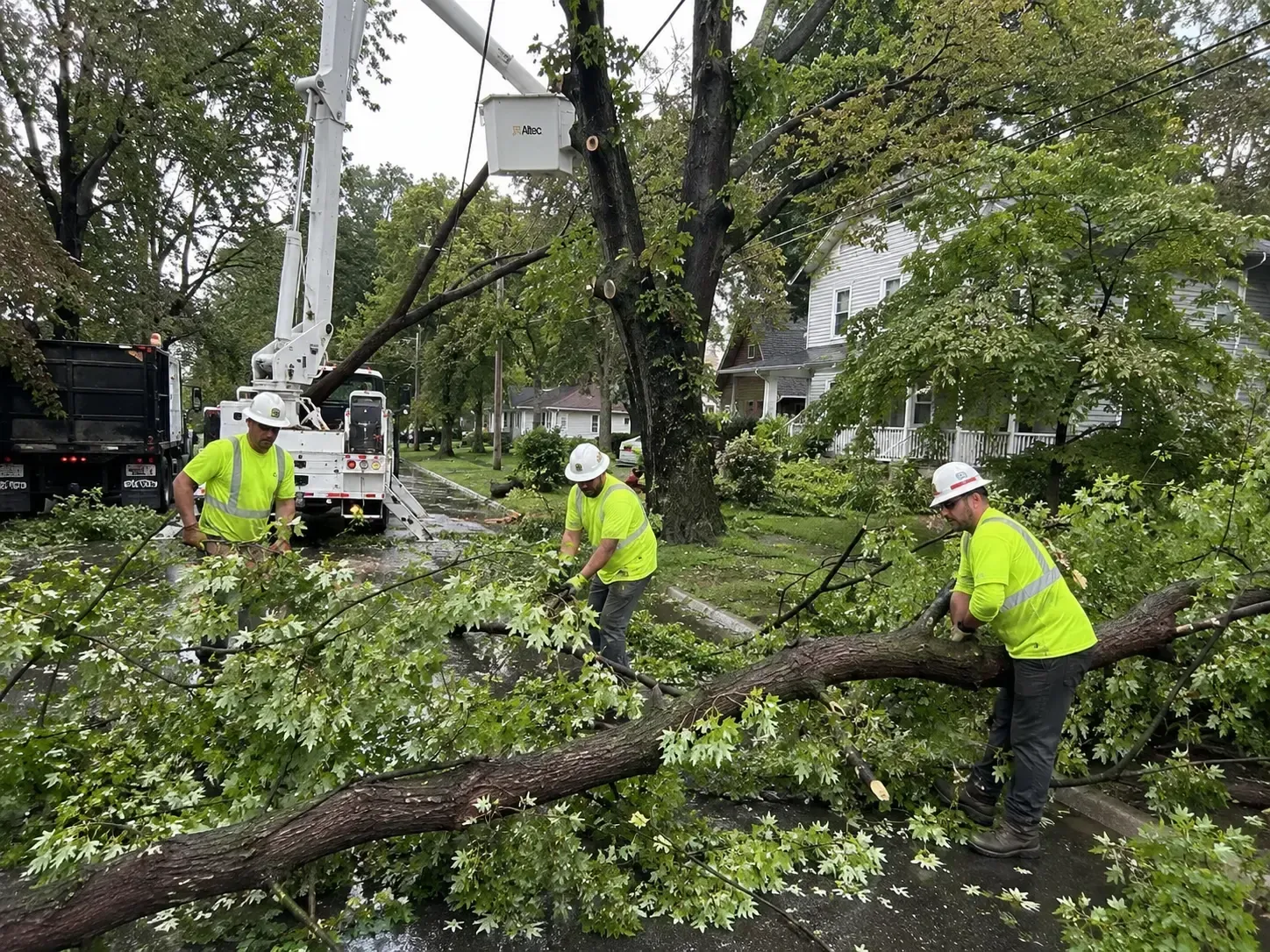
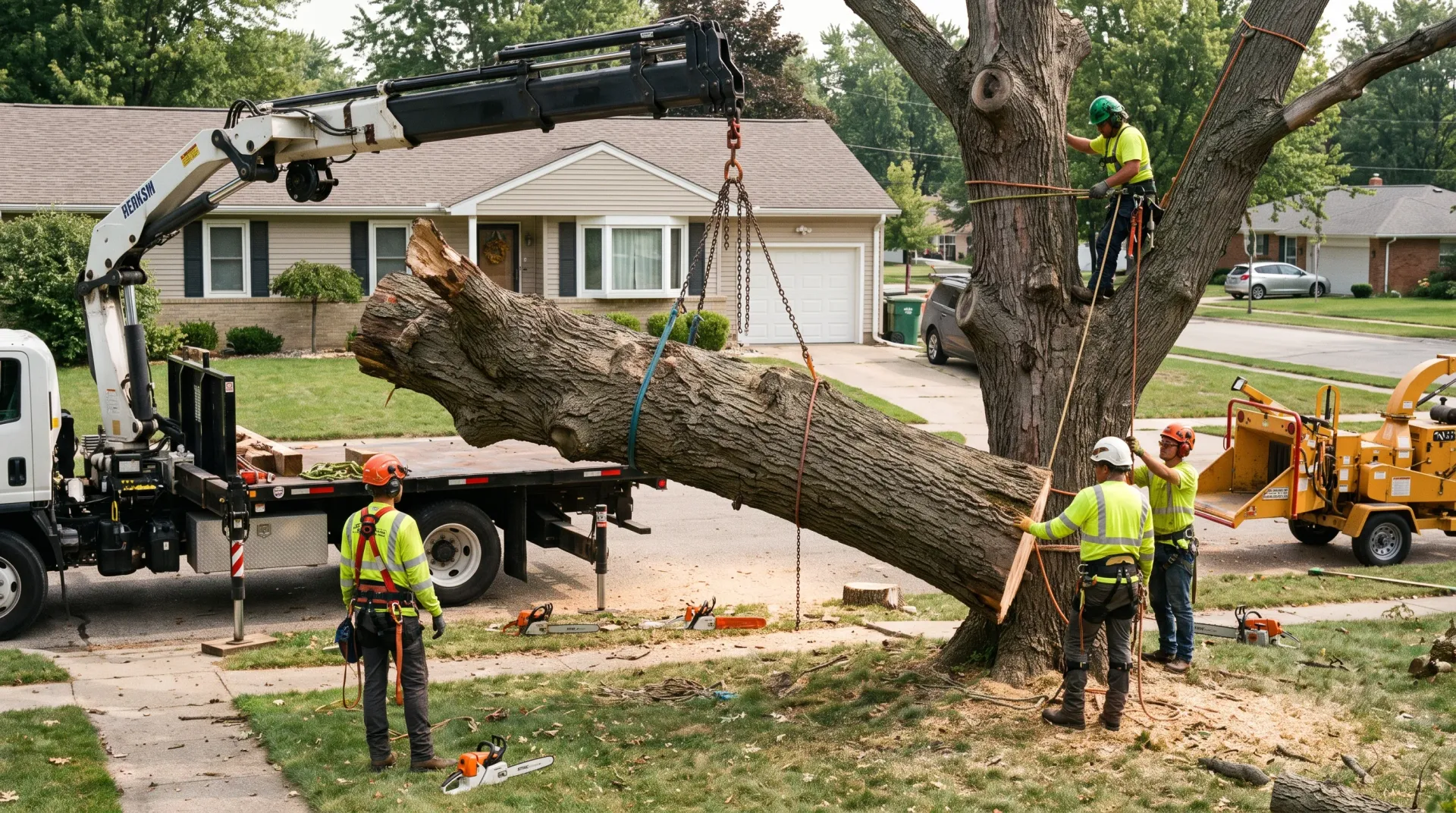
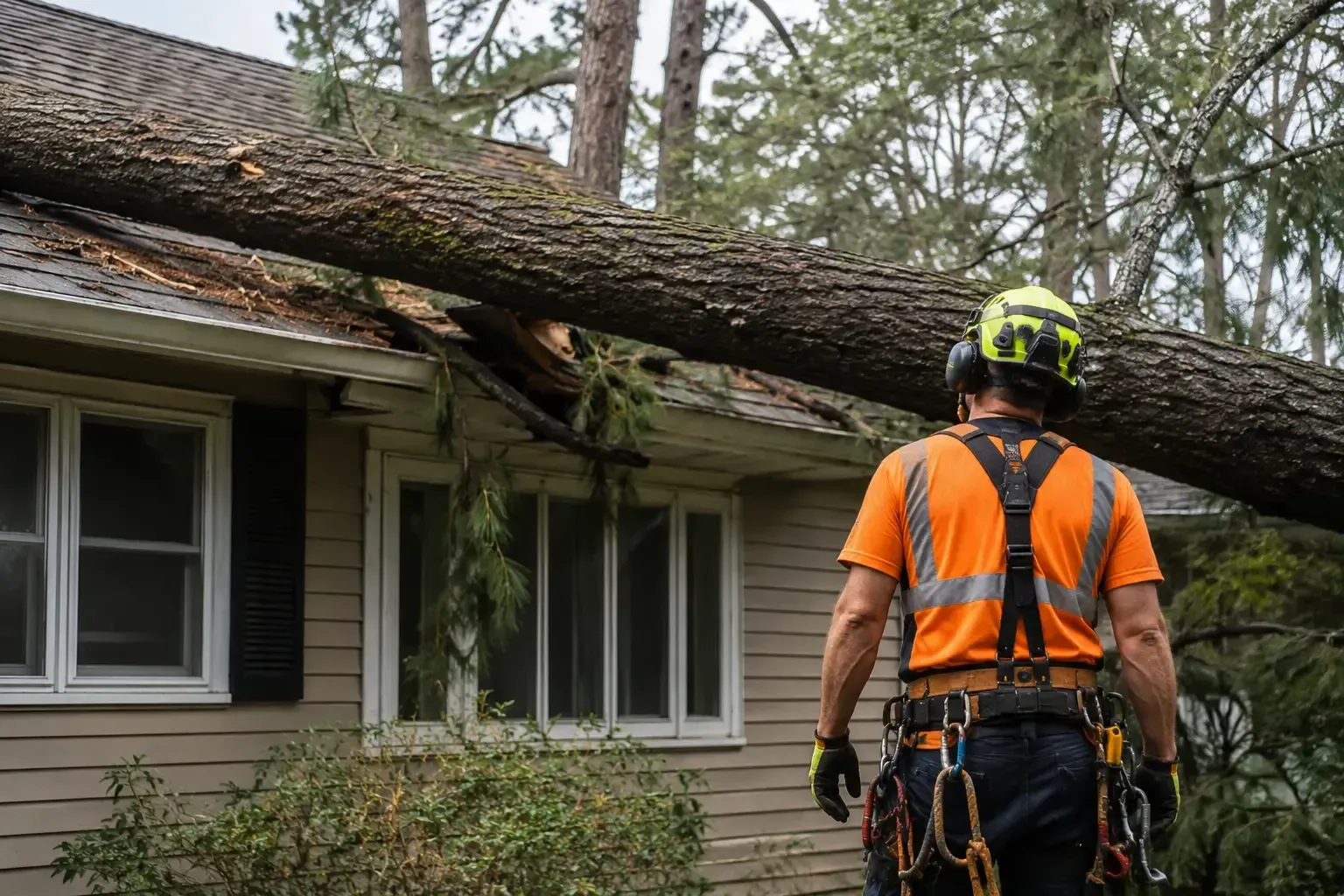
Storms, vehicle accidents, or sudden branch drops create chaotic situations. When a tree fails, it puts roofs, power lines, and human lives in danger. In these moments, you need immediate help. Fast access to emergency tree removal ensures that dangerous situations are handled safely. Professionals have the heavy equipment and training needed to secure broken branches and dismantle hazards without causing further damage to your home.
Knowing When a Tree Cannot Be Saved
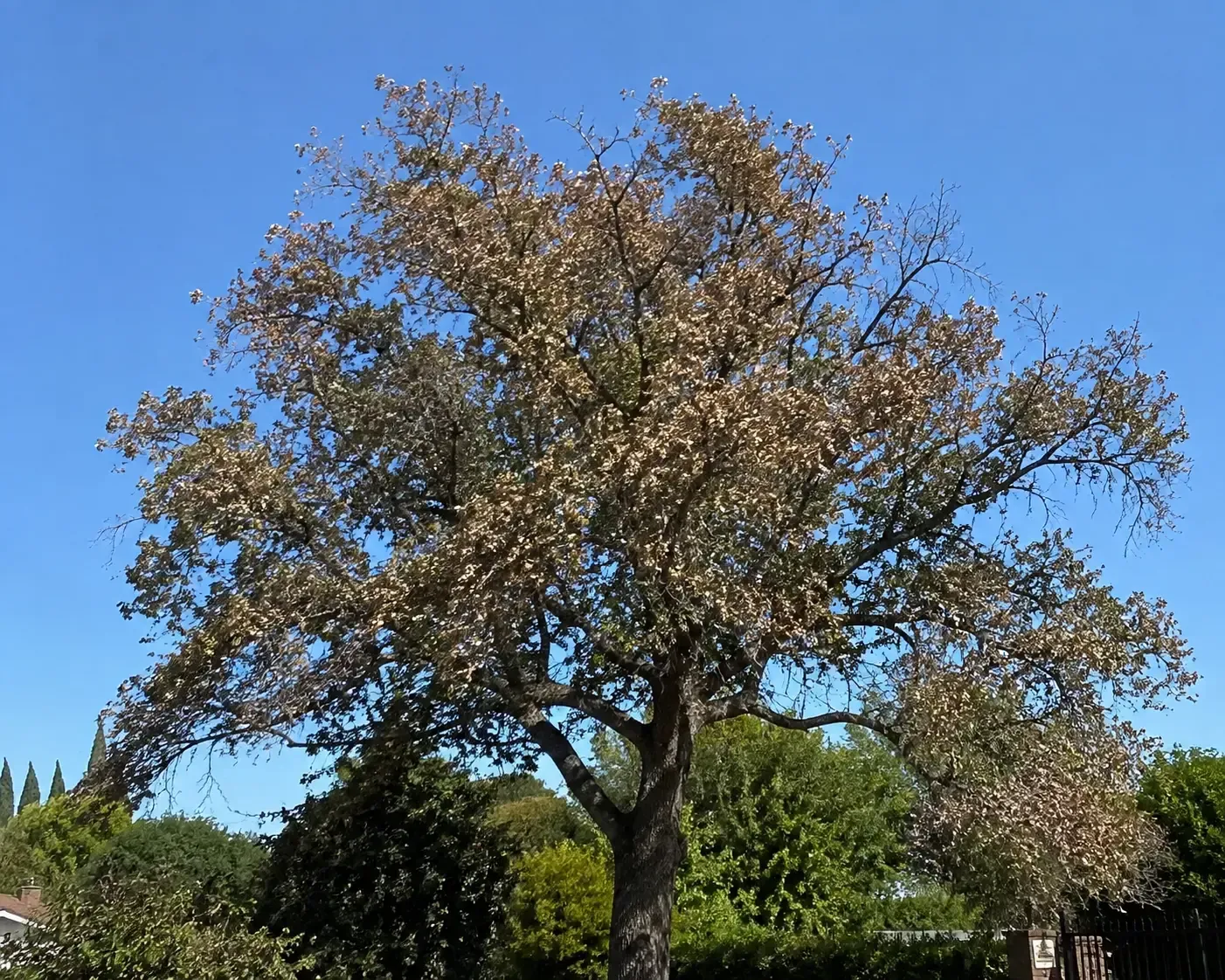
We all want our trees to live as long as possible. Sometimes, despite our best efforts, a tree reaches the end of its life. Disease, severe root damage, or simple old age can make a tree unstable. Leaving a dead tree standing on your property is a massive liability.
Signs that a tree needs to be removed include deep cracks in the trunk, severe leaning, and large patches of peeling bark. Fungal growth around the base of the trunk usually indicates root rot. When a tree is no longer safe, professional tree removal is the only responsible option. Removing a dead tree protects your home and creates space to plant a new, healthy tree for the future.
The Financial Benefits of Tree Maintenance
Investing in regular pruning does more than just keep your trees healthy. It directly impacts your wallet. Proper maintenance saves you money by preventing disasters before they happen.
Curb Appeal and Real Estate Value
A well-maintained landscape increases property values significantly. Real estate experts note that homes with healthy, mature trees sell faster and for higher prices. On the other hand, neglected trees make a property look unkempt. Overgrown branches blocking windows or covering the roof will turn potential buyers away. Regular pruning keeps your yard looking pristine, which protects your overall real estate investment.
Avoiding Costly Property Damage
A falling branch can destroy a roof, smash a car, or severely injure someone. If a neglected tree falls on your neighbor's property, you could be held legally responsible for the damages. Your insurance company may also deny claims if they discover the tree was visibly dead or poorly maintained. Spending a small amount on seasonal trimming is a very smart insurance policy against massive future repair bills.
Protecting Your Landscape Investment
Your trees are living assets that require respect and proper care. By removing dead wood, correcting structural flaws, and opening up the canopy, you give your trees the best chance at a long, healthy life. Proper pruning reduces the risk of disease, manages the impact of harsh weather, and keeps your property looking its best.
If you have questions about the health of your trees, local professionals are ready to help. Homeowners and property managers in the area can reach out to schedule an assessment by calling +1 909 362-8885. Proactive care today guarantees a safer, more beautiful landscape tomorrow. Stop waiting for branches to break, and start actively managing the health of your trees.
Frequently Asked Questions
How often should mature trees be pruned?
Most mature trees benefit from a professional pruning every three to five years. Fast-growing species or fruit trees may require annual maintenance. A professional assessment will determine the exact schedule based on the species, location, and health of the tree.
Can bad pruning kill a tree?
Yes. Improper techniques like topping remove too much foliage at once. This starves the tree and forces it to use up its stored energy reserves. Severe pruning cuts also leave large open wounds that invite incurable fungal diseases and destructive pests.
Is pruning the same as trimming?
While the terms are often used interchangeably, they serve different purposes. Trimming usually refers to shaping shrubs and hedges for aesthetic purposes. Pruning involves the selective removal of specific branches to improve the biological health and structural safety of a tree.